


-
Architects: Florquin Studio
- Area: 230 m²
-
Professionals: ADG, Mille-Bois
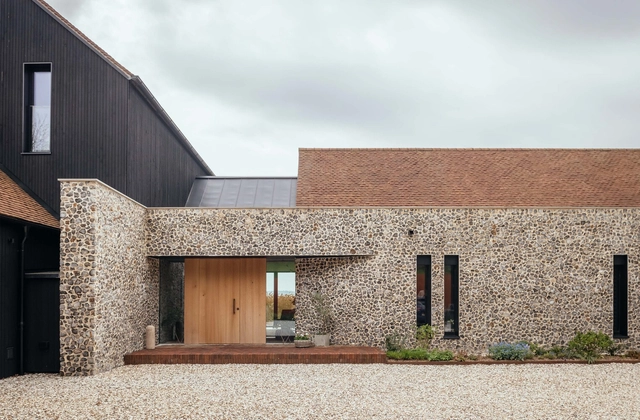
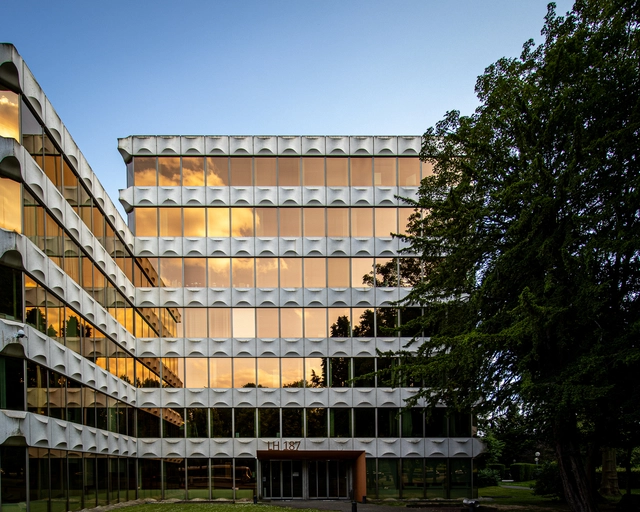
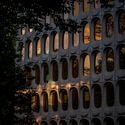
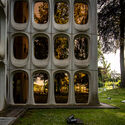
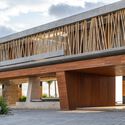
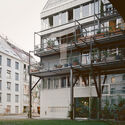
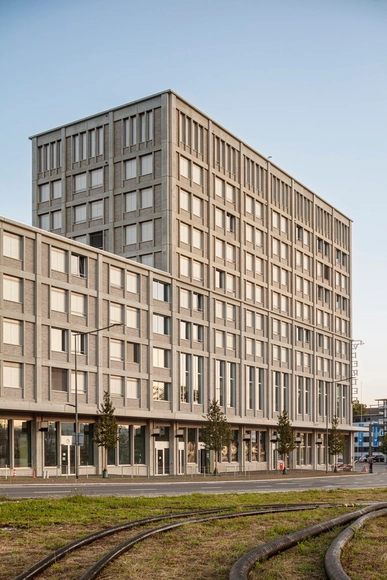
Between 1960 and 1976, Belgium's capital became a center for architectural experimentation, blending modernist ideals with prefabrication. This period led to the creation of two iconic buildings: the CBR Office Building (1967-1970) and LH 187 (1976), designed by Constantin Brodzki and Marcel Lambrichs. Located side by side, these buildings share a striking architectural style. Both feature facades made from large prefabricated concrete modules, showcasing the brutalist aesthetic and a dedication to using industrial materials and innovative construction techniques for their time.


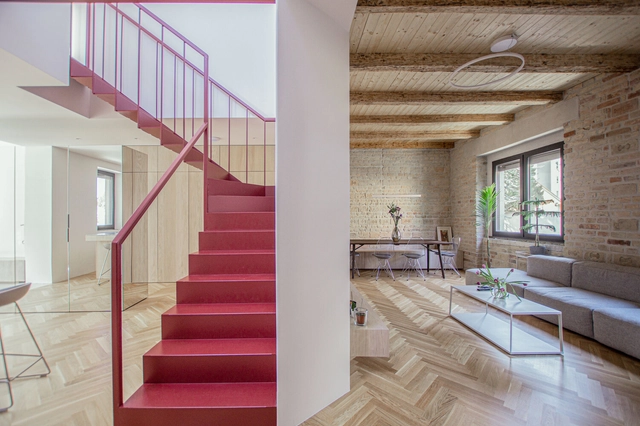
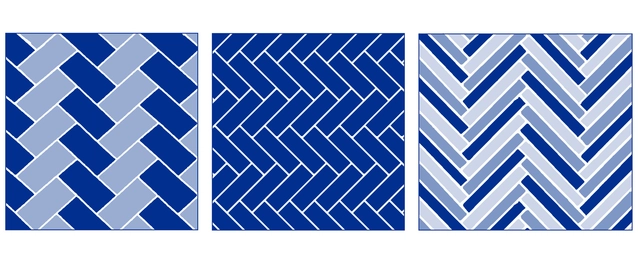
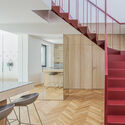
Created by a series of angled parallel lines that form a mesmerizing zigzag, the herringbone pattern has withstood the test of time and remains present in diverse design styles. Named after the resemblance to a fish's bones –a herring, for instance–, this classic V-shaped pattern arranges rectangular blocks in different proportions. With varying block edge length ratios, such as 2:1 or sometimes 3:1, the versatile design adapts to a wide range of uses, dimensions and materials.
The arrangement of the blocks, even when used in single colors, creates a subtle texture and adds visual interest. While the herringbone arrangement may seem simple at first glance, the strong directional quality of the typically 45-degree angle lines requires a careful design process for a seamless and consistent look. The pattern can be found in walls and floors, from fabrics to wood and tiles. By playing with geometric shapes, it continues to be a trend that infuses style and structure into interior design while complementing a space's overall aesthetic. Below we dive into Architonic’s catalog to present different ways to apply it, exploring ceramic, wood, and synthetic herringbone patterns.
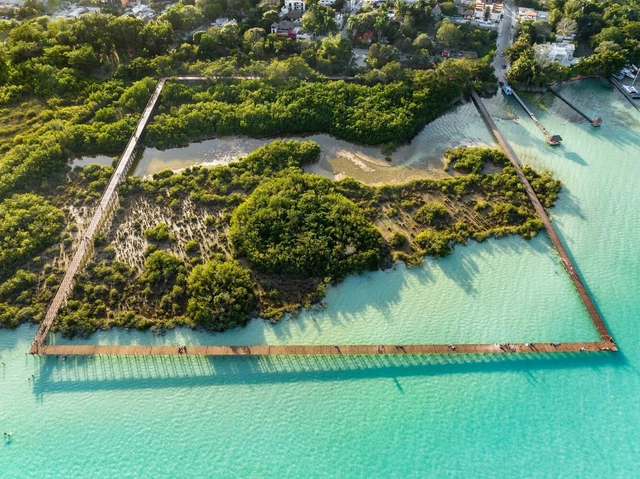
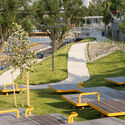
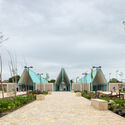
The 2024 Obel Award has been granted to Colectivo C733 for their unique achievement in completing 36 public projects across Mexico over a span of just 36 months. These projects have begun as part of a nationwide initiative led by Mexico's Secretariat for Agrarian, Land, and Urban Development (SEDATU). Collectively named the 36x36 projects, the varied interventions have successfully revitalized a wide range of vulnerable urban and rural areas through a collaborative and community-focused approach. This aligns with the Obel Award's 6th cycle overarching theme, "Architectures with," highlighting initiatives that positively impact both people and the planet.