

-
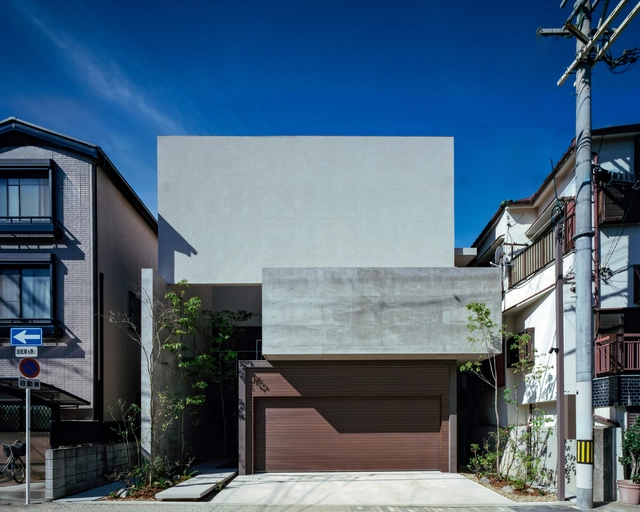
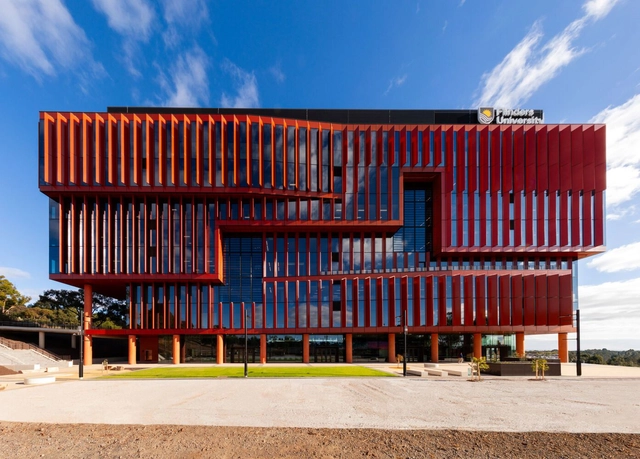
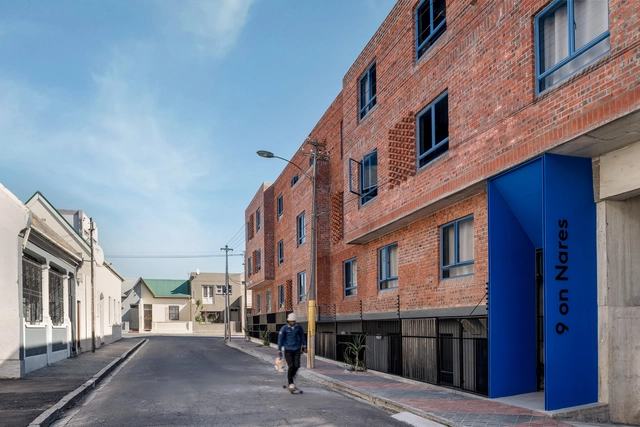
Architects: Two Five Five Architects
- Area: 1989 m²
- Year: 2024
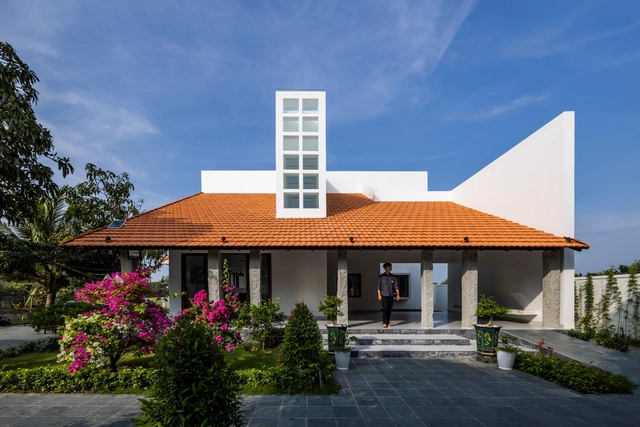
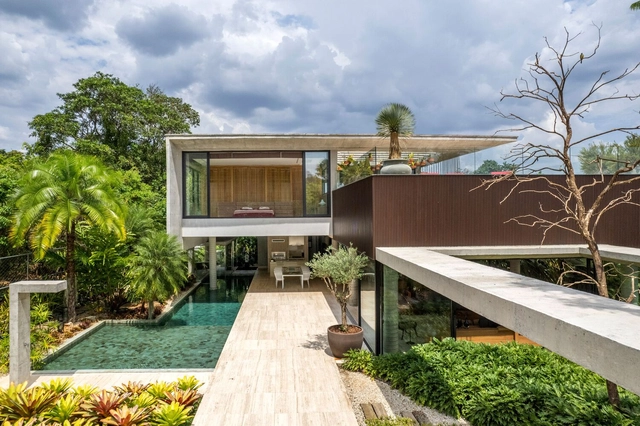
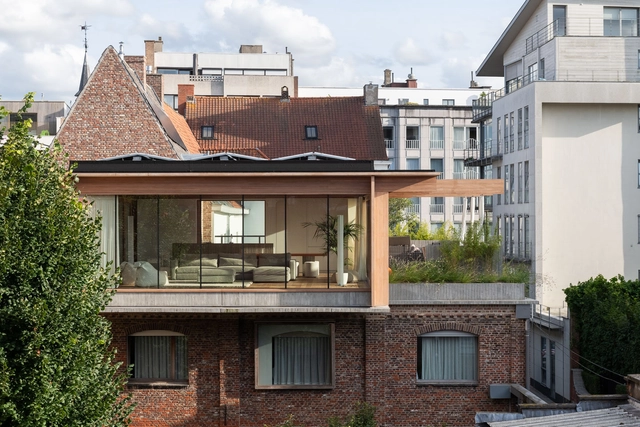

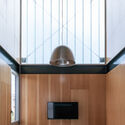
Architecture goes beyond its fundamental function of defining spaces and providing protection; it shapes the user experience, influencing sensations of comfort, spaciousness, and well-being. Among the many elements that make up a building, openings play a crucial role in connecting the interior and exterior, balancing privacy with transparency, and allowing the entry of natural light and ventilation. In particular, natural light transforms environments, defines atmospheres, and enhances architectural details, making spaces more dynamic and inviting.
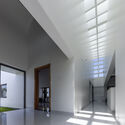
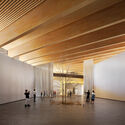
Windows, once simple openings in walls, have evolved through advancements in materials and technology, maximizing efficiency and expanding their role in architectural design. If Gothic architecture showcased marvelous glazing through towering stained glass windows, modern architecture shifted toward horizontal forms and fully glazed facades, transforming how daylight is integrated into spaces. However, relying solely on facade glazing presents a limitation—natural light is often confined to the building's perimeter, leaving central areas in shadow. Overhead openings, such as skylights and flat roof windows, overcome this challenge by channeling daylight deep into interior spaces, reducing reliance on artificial lighting.
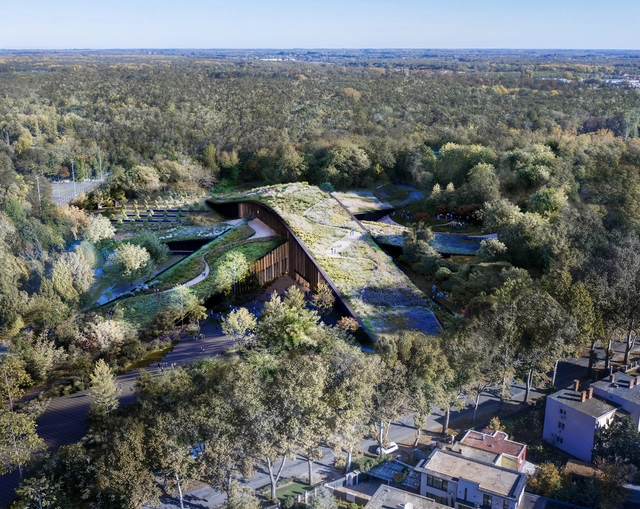
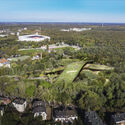
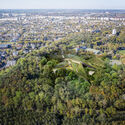
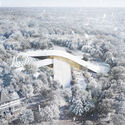
BIG, Bjarke Ingels Group, has been selected to design the new Hungarian Natural History Museum in Debrecen. Located on a former sports ground at the northern edge of the city's Great Forest, Nagyerdő, the 23,000 m² museum is being developed in collaboration with Vikár és Lukács Építés Stúdió, Museum Studio, and TYPSA. The new institution will replace the existing museum in Budapest, supporting the government's vision to establish Debrecen as a regional hub for education and culture by 2030. Commissioned by the Museum and the Ministry of Culture and Innovation, the new building will house permanent and temporary exhibition halls, educational and research facilities, public amenities, and back-of-house spaces.