This guide explains how to structure roles, assign permissions, and maintain governance across teams in the RunDiffusion platform.

This guide explains how to structure roles, assign permissions, and maintain governance across teams in the RunDiffusion platform.

This article explores a term widely used to describe self-organized collective labor, but which also carries a meaning of anti-hegemonic struggle when used as a synonym for self-managed projects. The practice of mutirões prompts a reflection on the importance of collective work and grassroots struggle, and how architectural practice and civil construction relate to these themes.

Porto Alegre now has an online guide aimed at preserving the history and memory of its architectural heritage, both historic and contemporary. Conceived by architects and urban planners Rodrigo Poltosi and Vlademir Roman, the Guia Arqpoa brings together texts, photographs, and information on 100 architectural, urban, landscape, historical, and cultural works in the city. The mapping is based on the buildings and public spaces featured in the print publication released in 2017, titled Guia de Arquitetura de Porto Alegre, and allows this initial list to be expanded through the collaboration of new contributors.

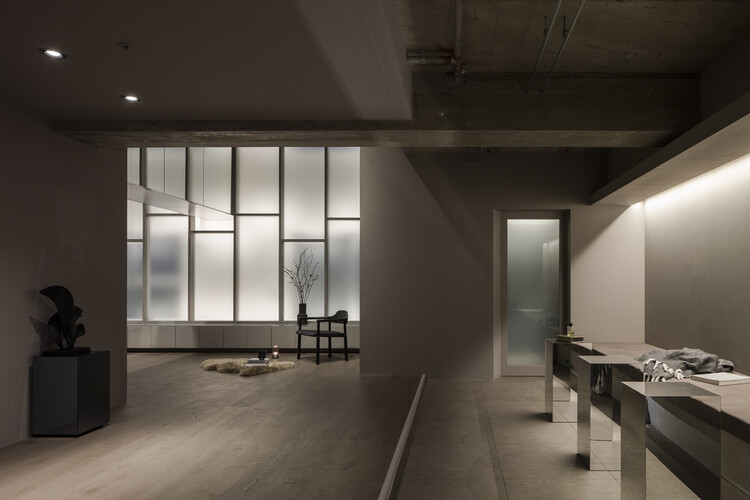
Combining units and patterns to offer different ways of composing a space is the primary reason for choosing modular furniture. It adds value to interiors through spatial versatility while establishing a rhythm that can dictate various forms of occupancy and intervention within the same environment.
_05.jpg?1620330186&format=webp&width=640&height=580)

On May 8, Casa da Arquitectura opens the exhibition Radar Venice – Portuguese Architects at the Biennale 1975-2021, which offers a critical analysis of the many ways in which democratic Portugal exhibited and exposed itself at the world's most prestigious Architecture Biennale.
Curated by Joaquim Moreno and Alexandra Areia, Radar Venice reveals the objects that were part of each Portuguese participation and discusses the very concept of national and/or official “representation.” The documentation for each edition is complemented by socio-political information, while also highlighting the oral memory associated with the construction of the Portuguese participation.

As longtime partners, Portobello and journalist and TV host Pedro Andrade have embarked on a new project together—this time collaborating on the Horizontes line. Inspired by Andrade's five favorite destinations, the line was launched this year as part of the 2021 Unlimited Experience collection. This partnership represents another innovative step for Portobello in engaging professionals from diverse fields in its creative process, which typically invites architects and furniture or surface designers.
In this visual essay, Paulo Tavares intervenes in Habitat, an arts and design magazine edited by architect Lina Bo Bardi in the 1950s. Habitat disseminated not only images of modern art and architecture but also images of Indigenous artifacts. In doing so, it simultaneously presented its audience with the vocabulary of modernism and native forms of cultural expression, aligning itself with the primitivist imaginaries of the avant-garde.
By re-signifying dominant images and imaginaries, Des-Habitat guides us through a visual narrative on the coloniality of modern architecture and its media, opening a horizon for the potential decolonization of its legacies.

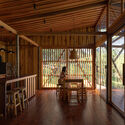
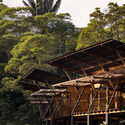
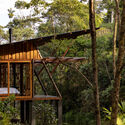
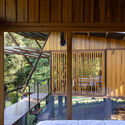
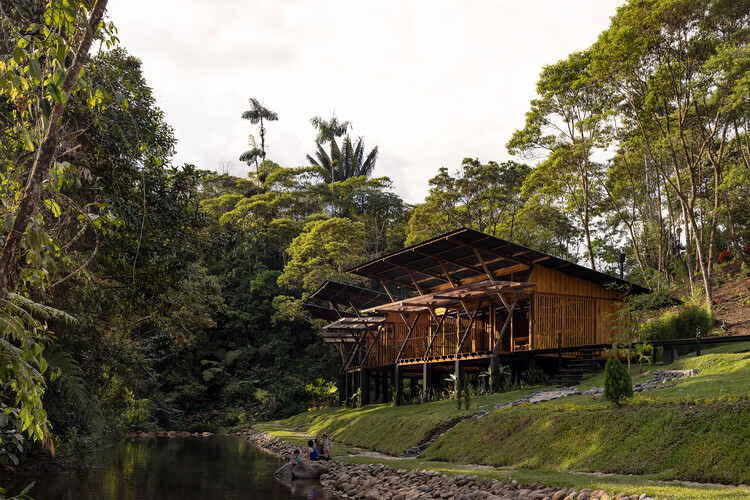
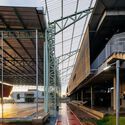
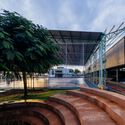
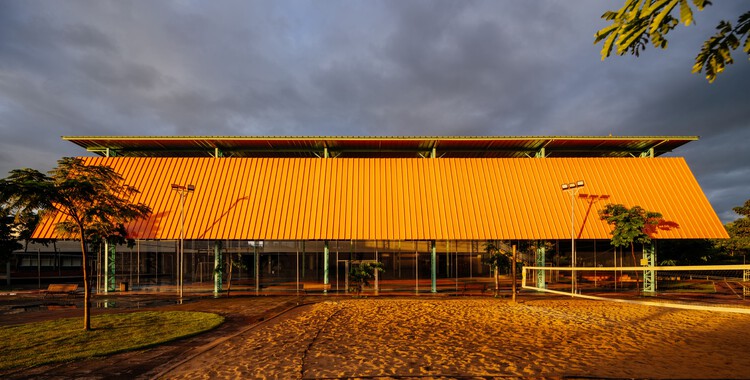
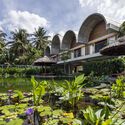
Shade and continuous ventilation are some of the benefits that an elevated roof can provide. This is a climate control strategy that provides cooling and combats humidity, which is why Brazilian architects often opt for this solution when dealing with the tropical climate.

To provide greater safety for those wishing to enjoy nature, Urbia has marked 40 circles on the lawn of Praça da Paz in Ibirapuera Park. The concessionaire, which manages the largest park in São Paulo, adopted this measure to encourage social distancing among visitors.

Measuring approximately 4 meters in diameter, the circles were marked using organic waste from the park's own vegetation management, making them entirely sustainable. This allows visitors to remain safe within their own social distancing zones. Additionally, masks must be worn at all times while inside the park.

In the 1970s, buildings along the waterfront of Santos, in São Paulo, began to tilt, sparking curiosity among residents and visitors alike. This phenomenon can be seen as the result of rapid and unregulated urbanization, manifesting as a technical issue in the buildings' construction.
Santos, one of the largest cities on the São Paulo coast, with an estimated population of over 430,000 (IBGE 2020), located in the Baixada Santista metropolitan area near the city of São Paulo, was one of the first settlements to be established after Portuguese colonization in the 16th century. Prior to this, however, its territory was dominated by the Atlantic Forest biome and inhabited by Indigenous peoples, such as the Guarani Mbya and Tupi-Guarani.


Once urbanization occurs, whether legally or illegally, and land is subdivided and populated, it becomes extremely difficult to retroactively reorganize its boundaries—especially property lines—and secure land for basic public needs.
This difficulty stems from two main factors. First, any land reorganization requires displacing existing users, which disrupts their social, cultural, and economic networks—their so-called "social capital"—and also affects the sense of equality and the fair distribution of rights. Second, the value of urban land rises with intensive use, particularly when supply is scarce amid high demand.


When we think of New York, we think of Manhattan and its supertall skyscrapers. Consequently, we believe the city is one of the densest places on Earth—a Hong Kong on the Hudson. Yet, looking upward distracts us from another reality: New York is not that dense when considering its overall land area. Once you leave Manhattan and pass through the outer historic boroughs, you find a distinctly suburban city. The landscape comprises block after block of single-family homes, strip malls, and wide, car-dominated streets. New York is, therefore, a tale of two cities—one of skylines, and one of sprawl.
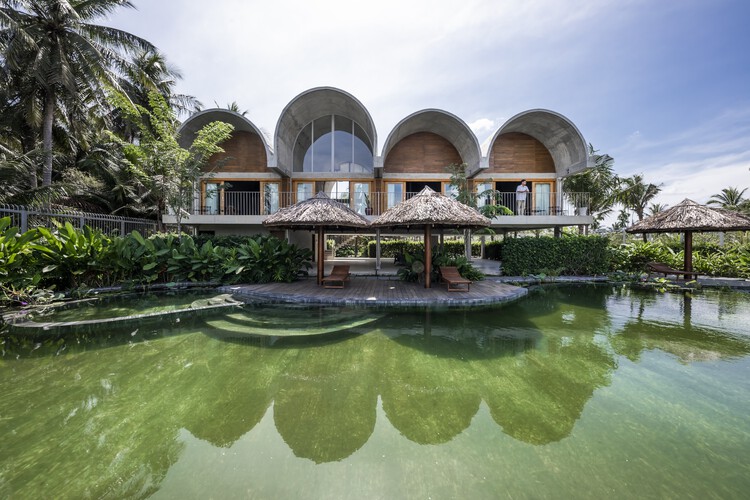
Known for projects situated at the intersection of research, design, biomimicry, and sustainability, Atelier Marko Brajovic recently developed a proposal for the Amazon Creative Laboratories, a series of biospheres composed of geodesic structures inspired by the internal geometry of the cacao fruit. The project aligns with the premises and goals of the Amazon 4.0 initiative, which aims to combine the economic potential of Amazonian socio-biodiversity with the new technologies and opportunities emerging from the Fourth Industrial Revolution.
.jpg?1621025137&format=webp&width=640&height=580)
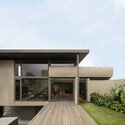
With over 56 million inhabitants spread across nine states, Brazil's Northeast region features a coastline of approximately three thousand kilometers, stretching from the Parnaíba Delta in Piauí to the south of Bahia. Internationally renowned for its beaches—which truly live up to their reputation—the region is as culturally diverse as it is geographically vast, showcasing rich cultural expressions, of which architecture is an integral part.
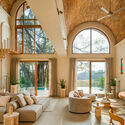
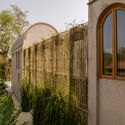
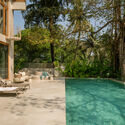
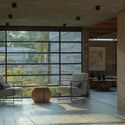
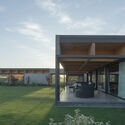
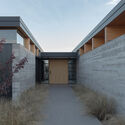
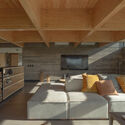
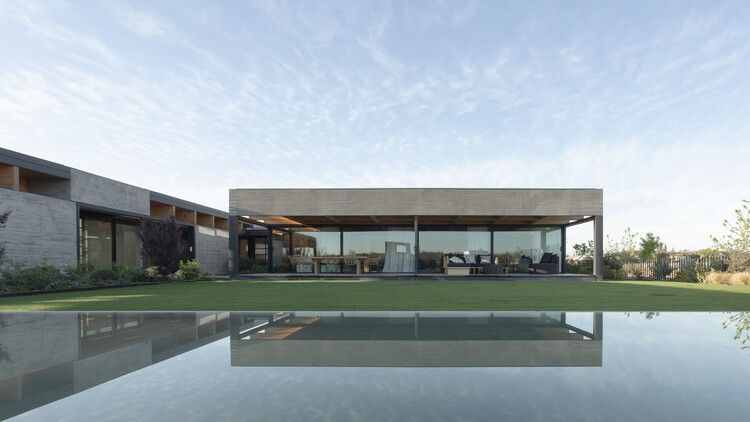
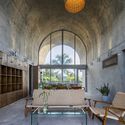
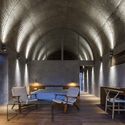
In this article, we celebrate the most ubiquitous of architectural typologies—the house—through examples built in the states of Alagoas, Bahia, Ceará, Pernambuco, Piauí, Rio Grande do Norte, and Sergipe. These projects demonstrate exquisite care regarding their surroundings and material choices, while also defying stereotypes and clichés often associated with architecture in northeastern Brazil.