This guide covers a workflow that moves from project parameters to generated floor plans, 3D perspective views, exterior design exploration, and site context visualization, using AI tools in place of preliminary CAD and rendering work.
This guide covers a workflow that moves from project parameters to generated floor plans, 3D perspective views, exterior design exploration, and site context visualization, using AI tools in place of preliminary CAD and rendering work.

Architect Marco Artigas, in partnership with Escola da Cidade, is organizing Module 14 of the open course Paulistana Architecture.
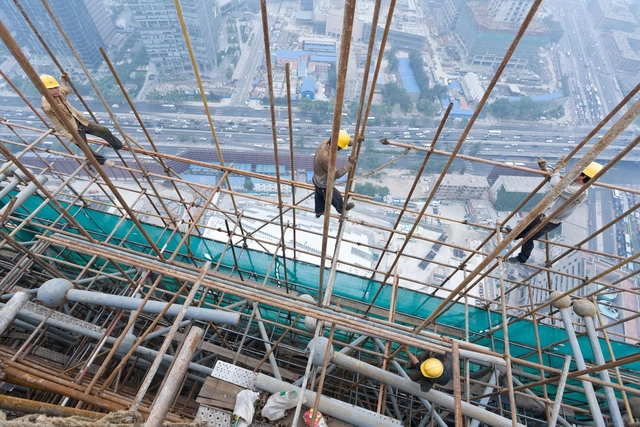
Bricklayers, foremen, steel fixers, carpenters, plumbers, painters, electricians, and welders. A wide range of professionals is required to erect a building and bring the designs of architects and engineers to life. Essential to ensuring the quality of every project, these roles are honored today, October 26th, on Construction Worker Day. To mark the occasion, we highlight the wisdom of these professionals and how they share their expertise with the public—both professionals and laypeople—through video tutorials that offer a deeper understanding of the construction site, the materials and equipment used, the various techniques available, and how to approach building.
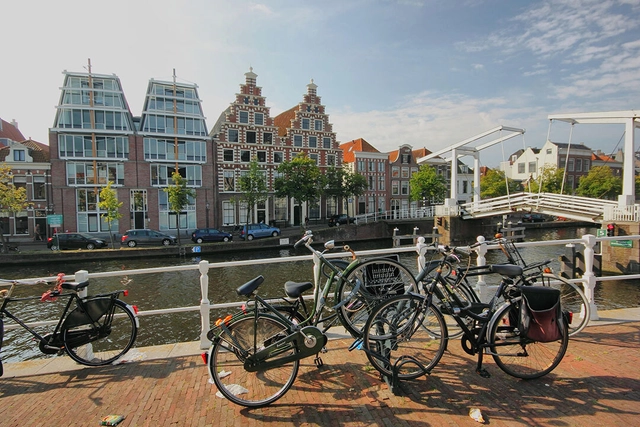
The Netherlands, colloquially referred to as Holland, is synonymous with its bicycles, an iconic element of the country's urban landscape. The integration of cyclists and motor vehicles often surprises visitors.
The Dutch connection to bicycles is clear in the statistics: in 2021, 84% of the Dutch population used bicycles daily. In Amsterdam, this figure reaches around 63%, demonstrating a strong preference for the vehicle. In contrast, only 7% of Brazilians choose the bicycle as their primary mode of transportation.
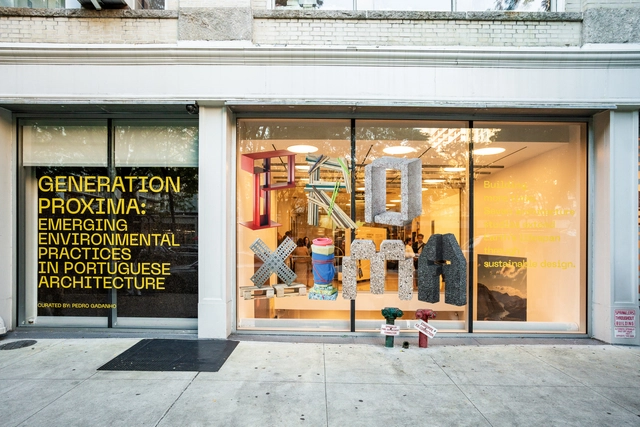
No País dos Arquitectos is a podcast created by Sara Nunes, who also runs the architectural film production company Building Pictures. The podcast aims to profile the professionals, projects, and stories behind landmark contemporary Portuguese architecture. With just over 10 million inhabitants, Portugal is a highly compelling country within this professional field, and its architectural output far exceeds what its population and territorial scale would suggest.
In this episode of the sixth season, Sara talks with architect and curator Pedro Gadanho about the exhibition Generation Proxima: Emerging Environmental Practices in Portuguese Architecture. Listen to the conversation and read part of the interview below.
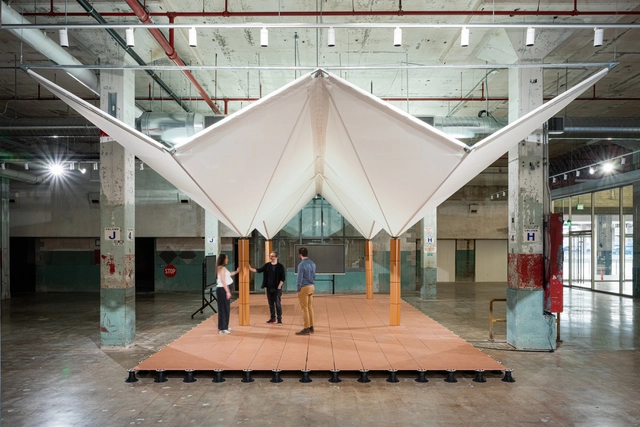
Building Ecologies is the result of collaborative and interdisciplinary research led by architect Juan José Castellón at Rice University, featuring the participation of the School of Architecture, the Department of Civil and Environmental Engineering, and the Shepherd School of Music, along with support from the Carbon Hub initiative.
Exhibited at POST Houston in Texas, this model proposes innovative approaches to urban infrastructure and social spaces, aiming to promote the integration of architectural, technological, and ecological systems.
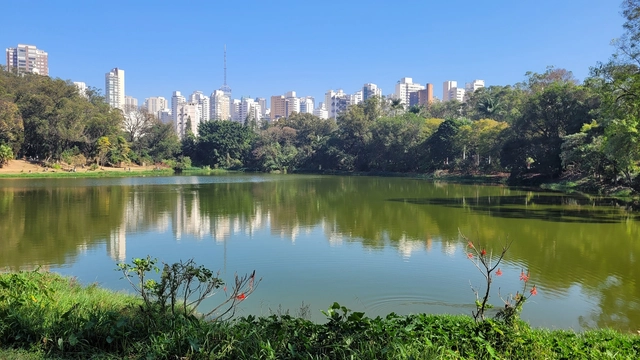
The Viva o Verde SP initiative, a partnership between the United Nations Human Settlements Programme (UN-Habitat) and the Municipal Secretariat for the Green and the Environment (SVMA) of the City of São Paulo, has officially launched assessment activities for over one hundred parks across the city.
The initiative involves implementing the City-Wide Public Space Assessment, a tool developed by UN-Habitat's Global Public Space Programme. From October to December, researchers will visit more than one hundred urban, linear, waterfront, and natural parks to conduct detailed structural assessments of each location.
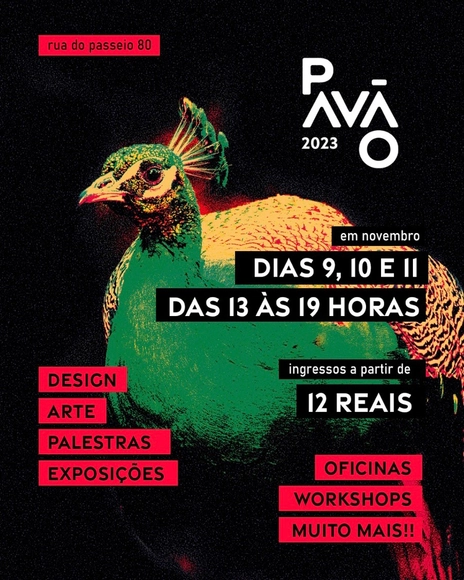
Design, Art, and Culture at Pavão 2023
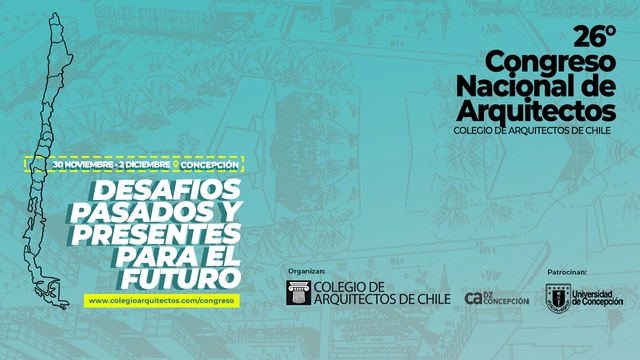
The 26th National Congress of Architects, hosted by the Colegio de Arquitectos de Chile (CA), will hold its opening session on November 30. Centered on the theme "Past and Present Challenges for the Future," the event will take place in Concepción, the city that hosted the first National Congress of Architects in 1950.

The call for academic papers for the upcoming 21st issue of rita_ journal is now open. Submissions in Spanish or Portuguese are invited from faculty, graduate students, and professionals holding a master's or doctoral degree.
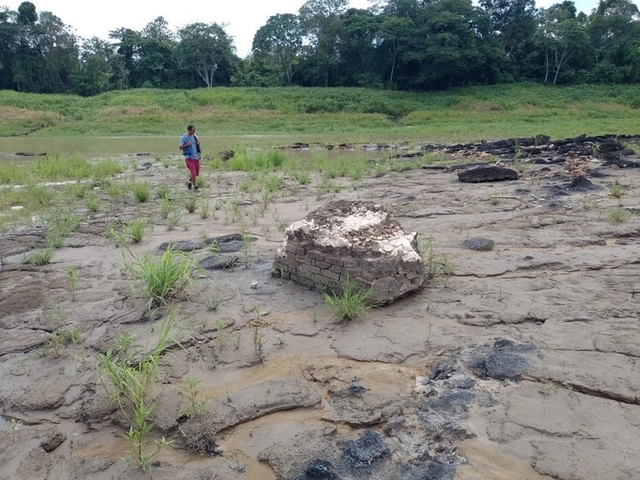
The historic drought affecting the Amazon region has revealed four archaeological sites in the state of Amazonas, three of which were completely unknown and are of great importance. The National Institute of Historic and Artistic Heritage (Iphan) has implemented an emergency action plan, involving inspections and educational initiatives in partnership with various public agencies and social organizations, including the Soka Institute of the Amazon, which voluntarily dedicates itself to the preservation of local cultural and environmental heritage.
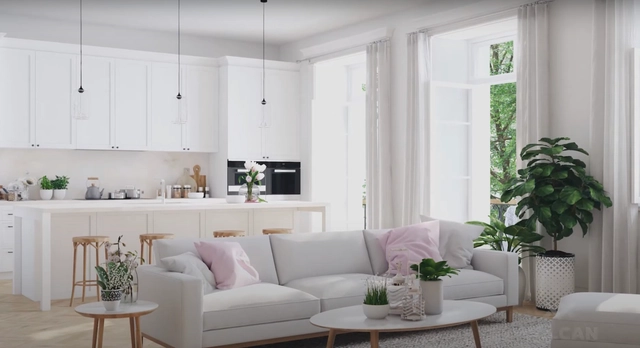
Designing and constructing homes is a complex process involving a variety of factors. Within this process, considering the various design elements is essential—including underlayments, ceilings, partitions, claddings, structures, and facades—alongside selecting the right materials for each. This choice must align with user preferences as well as indoor and outdoor conditions, prioritizing durability, energy efficiency, and aesthetics.
To simplify the design process, Volcan develops Volcanboard fiber cement building solutions for different construction elements. Available in a variety of thicknesses to adapt to various applications, these fiber cement boards stand out for their fire and moisture resistance, as well as their long-term durability and versatility. Below, we explore various applications of Volcanboard in residential design.

“The development of this book was motivated, among other factors, by the following: initially, by my own twelve-year tenure at the SCEE (School Building Construction Society), during which I had the opportunity to meet José Aracena, who passed away in 1971; subsequently, by a desire to explore the life of Gustavo Mönckeberg, father of fellow architect Hernán Mönckeberg Barros, who served as president of the SCEE from 1969 to 1970 and kindly provided me with the remnants of his father’s archive; and finally, by the goal of documenting their complete and valuable body of work—spanning residential, civil, educational, religious, and funerary architecture—while tracing the natural evolution of the masters who preceded them in the city's development.” - Alfredo Jünemann Gazmuri, 2021.
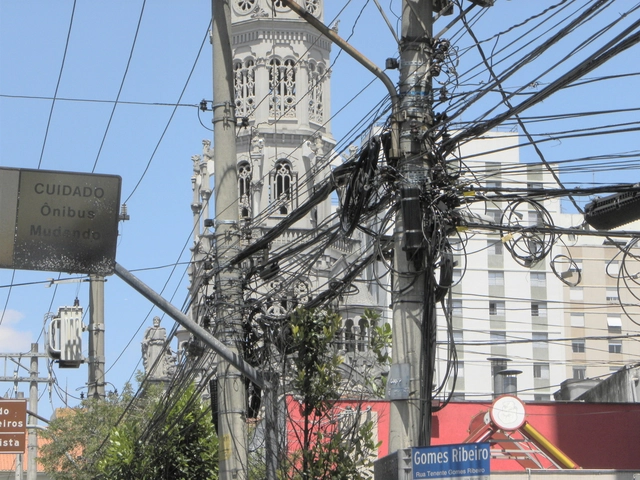
About 14% of the population of Porto Alegre, nearly 200,000 people, live in favelas, classified by IBGE as "subnormal agglomerations." These residents typically lack guaranteed property rights and do not have access to basic public utilities and services such as sanitation, drainage networks, or street lighting. Around 4,000 people experience homelessness. The city's public transit system, which carries over 20 million passengers per month, is facing the worst crisis in its history, with unsustainable operations. Our public spaces are dominated by cars, whose drivers enjoy the privilege of parking for free on public streets. Dumpsters, which are meant to receive only organic waste and non-recyclables, end up filled with all kinds of trash, undermining proper waste collection in the city.
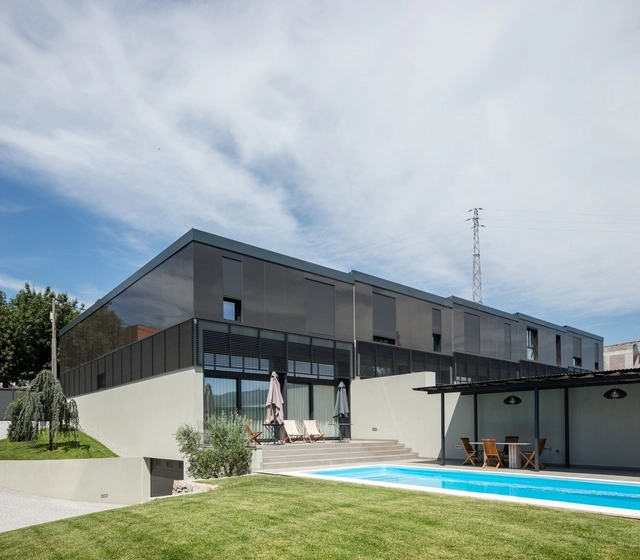

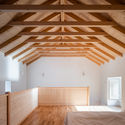
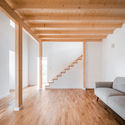

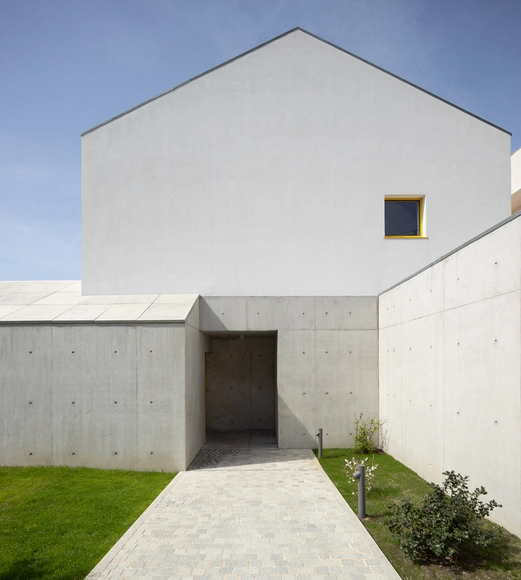




.jpg?1584402009 "© João Morgado")
.jpg?1584401119 "© João Morgado")
.jpg?1584400961 "© João Morgado")
.jpg?1584401249 "© João Morgado")