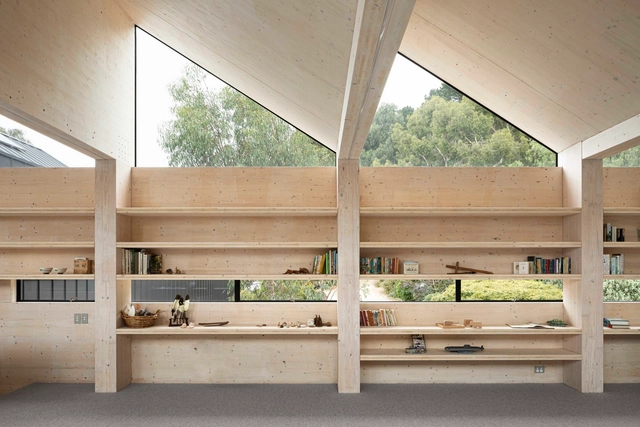
Cross-laminated timber (CLT) has been dubbed the concrete of the future. As a highly resilient form of engineered wood made by gluing layers of solid-sawn lumber together, CLT is reshaping how we understand architecture and design today. As a material with a high degree of flexibility, CLT has to undergo great deformations to break and collapse, unlike concrete. In turn, it's a material chosen for its warmth and natural properties.
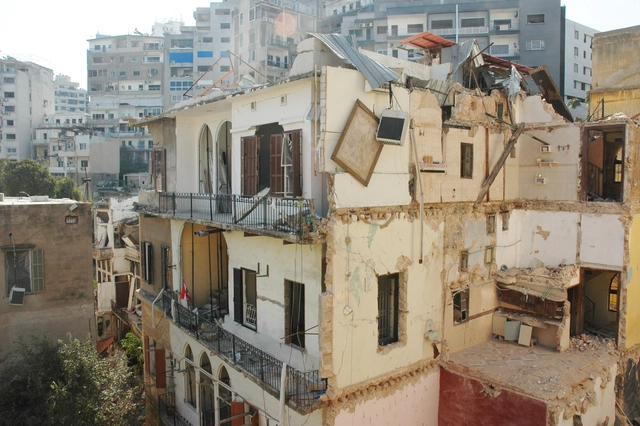
Heritage Buildings of Beirut, Lebanon. Image Courtesy of World Monuments Fund
The World Monuments Fund has released its 2022 World Monuments Watch list, a selection of 25 sites from across the globe that hold great cultural and heritage significance but are being faced with economic, political or natural threats. This year's selection highlights themes of global issues such as climate change, imbalanced tourism, underrepresentation, and recovery from crisis, urging for prompt preservation plans.
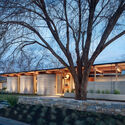
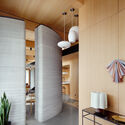
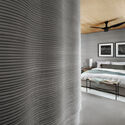
Construction technology company ICON unveiled its newest 3D-printed project, “House Zero”, designed by Texas-based firm Lake|Flato Architects. The project is the first in ICON’s “Exploration Series,” which seeks to highlight the architectural possibilities enabled by additive construction and develop new design languages with the purpose of “shifting the paradigm of homebuilding”. The material honesty of the house combines the expression of robotic construction processes with the natural wood textures creating a timeless design.
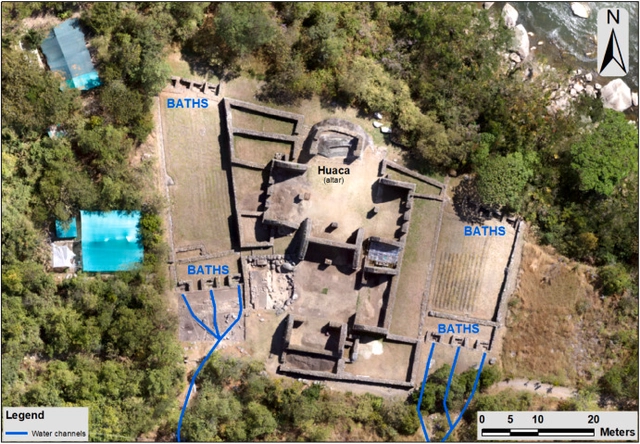
Machu Picchu, also known as "The Lost City of the Incas", located high in the Peruvian Andes (2430 m.a.s.l.) in Cuzco, is one of the most famous archaeological complexes and one of the 7 wonders of the modern world. It is here, under the dense foliage of the surrounding jungle, that a network of hidden river channels has been discovered.
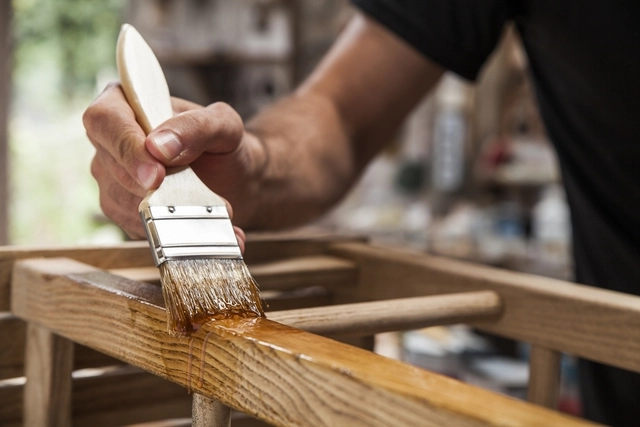
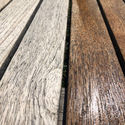
In recent years, much attention has been given to timber constructions. Being a sustainable and renewable material, which captures a huge amount of carbon during its growth, the innovations related to this material have allowed for increasingly higher constructions. However, when we talk about wood we approach an immense variety of species, with different strengths, nuances, potentials, limitations and recommended uses. While there are extremely hard and heavy woods, with strengths comparable to concrete, there are other soft and soft woods that are suitable for other purposes.
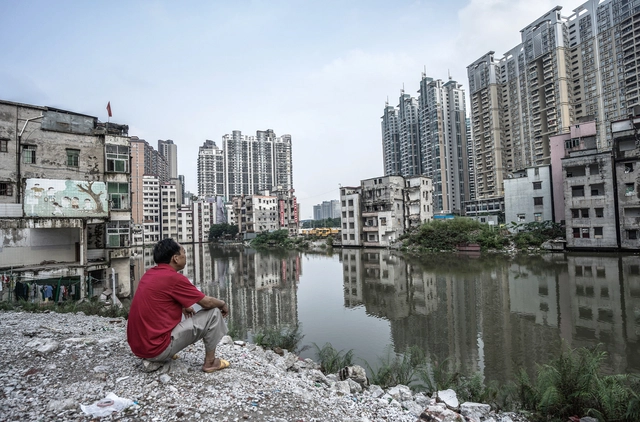
As is obvious to anyone with even a passing interest in demographics, cities are becoming denser—much denser. Rural life continues its steady emptying-out as urban life accelerates its explosive filling-in. The tilt has been apparent at least since the middle of the last century when the French geographer Jean Gottmann invented the word “megalopolis” to describe the continuous urbanization from Boston to Washington, D.C., then containing one-fifth of the United States’ population. But nowhere has the shift from countryside to city been more dramatic than in present-day Asia.
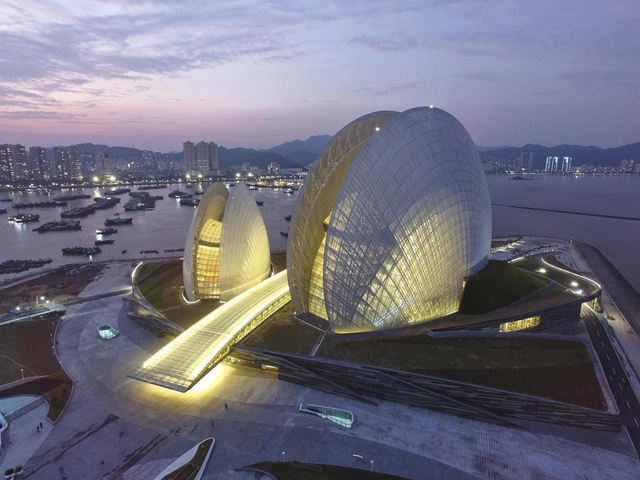
Beijing Institute of Architectural Design Co., Ltd. (BIAD) is a leading design enterprise whose business scope spans urban planning, investment consulting, large-scale public architectural design, civil architecture, interior design, landscape architecture, smart building systems engineering, engineering budgeting, low-voltage systems, decoration engineering, and engineering, procurement, and construction (EPC). Currently, the company holds numerous Grade-A (Class-A) qualifications, including Grade-A Engineering Design, Grade-A Urban and Rural Planning, Grade-A Engineering Consulting, Grade-A Engineering Cost Consulting, Grade-A Tourism Planning and Design, Grade-A Landscape Architecture Engineering Design, and Grade-A Environmental Engineering (Physical Pollution Prevention and Control).
BIAD serves a diverse clientele, including national and local government bodies, public institutions, state-owned enterprises, private corporations, and foreign and joint-venture companies. The value of our design is reflected in the success of our clients' projects. With works spanning the nation and the globe, many of our designs have become iconic landmarks for their cities and the country. BIAD is home to a distinguished cohort of architects and engineers across various disciplines, including 1 academician of the Chinese Academy of Engineering, 9 National Design Masters, 73 experts receiving special allowances from the State Council, 1 expert under the National "Thousand Talents Plan," 12 Outstanding Contribution Experts of Beijing, and 3 members of the Beijing Hundred-Thousand-Ten Thousand Talents Project. Among its over 4,000 employees, 620 hold senior professional titles, and 836 possess national professional registrations. The workforce includes 36 PhD holders, 995 Master's degree holders, and 86 returnees from overseas studies. BIAD has established 13 branches nationwide, with 14 wholly owned and holding subsidiaries and 9 joint-equity companies. Additionally, the institute has established cooperative educational initiatives with renowned domestic institutions, including Tsinghua University and the Central Academy of Fine Arts (CAFA).
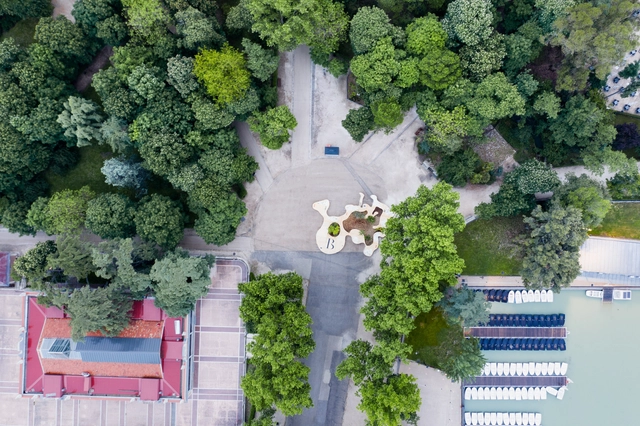
Over the last two years, the city of Madrid has hosted, and continues to host, the traveling exhibition of the Metropolitan Forest. It has three main objectives: first, to present Madrid's residents with the winning and finalist ideas from the competition held to redefine the future of their city; second, to communicate the processes the city will undertake regarding sustainability, urban resilience, and environmental education; and finally, to foster concrete strategic alliances between the Forest and the citizens of Madrid.
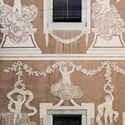
Sgraffito detail - Facade and dissociated sgraffito
Barcelona is a city that has been studied countless times—for the blocks of the Cerdá Plan, its chamfered corners, its historic center, the wars waged there, and the architecture of the Modernistas and their monumental buildings. However, there is little record of it ever being studied in depth through the lens of a traditional cladding material and artistic medium like sgraffito.
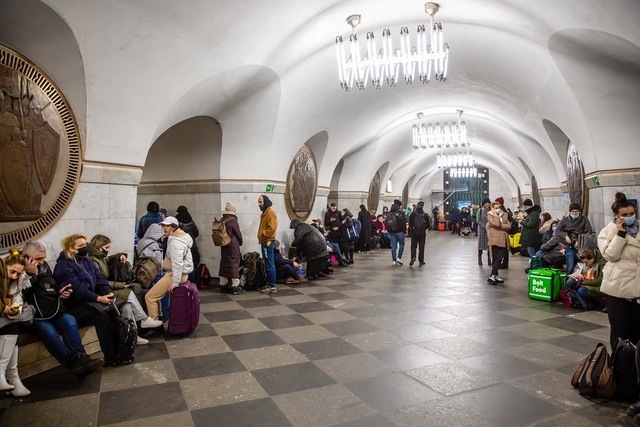
Kiev, Ukraine / Statue of Berehynia on the top of Independence Monument on the Maidan Nezalezhnosti. Image via Shutterstock
On the 24th of February 2022, Russia launched a large-scale invasion of Ukraine. Set to become Europe’s largest refugee crisis and armed conflict in this century, so far, this war has mobilized people across the world in order to exert pressure on authorities and put a stop to the armed hostilities. Individuals, as well as institutions in the architectural field, have taken part in these acts of solidarity, issuing statements, condemning actions, and even halting their work in Russia. From the UIA to MVRDV to Russian Institutions such as Strelka, the architecture world is denouncing the acts of violence and supporting an immediate cease of fire.
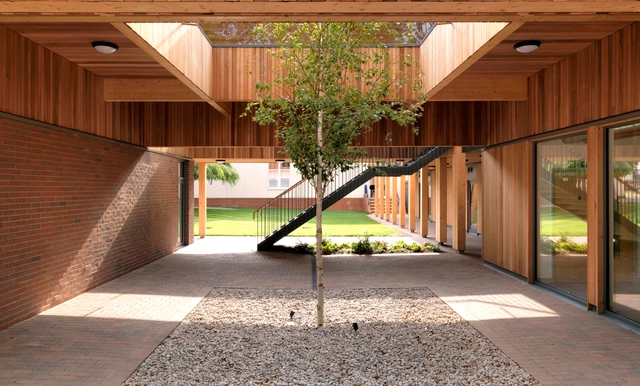
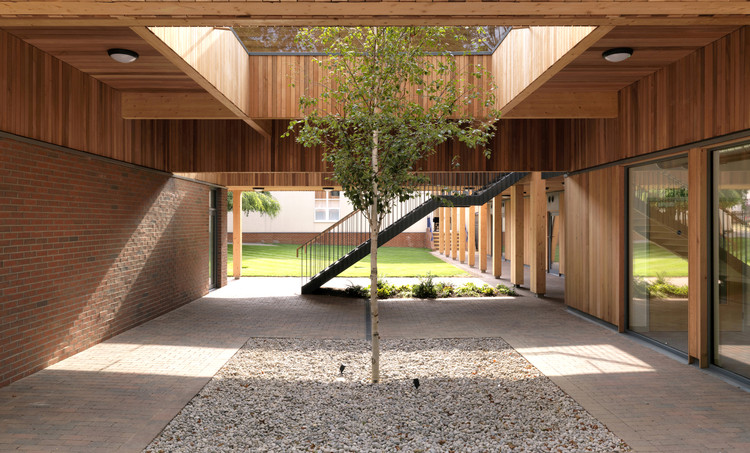
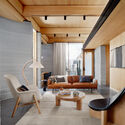
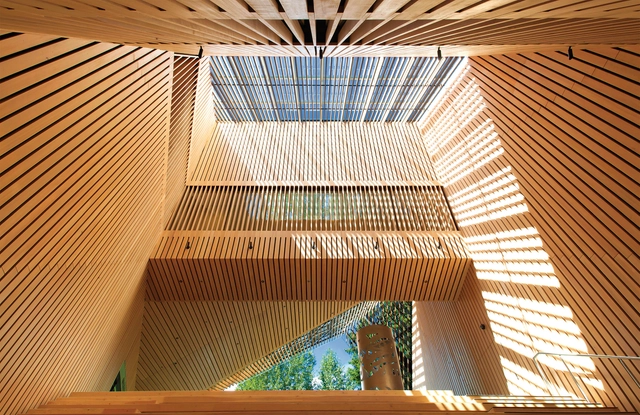
Although the term may seem recent, the concept of biophilia has been used for decades in architecture and design. The guiding principle is quite simple: connect people inside with nature to promote their well-being and quality of life. With all the ongoing design trends that have consolidated as a result, the demand has focused on organic materials that emulate outdoor environments. Among all the options, wood is one of the most popular materials to bring nature indoors, not only because of its functionality, but also due to its multiple physiological and psychological benefits.
Setting the stage for Rotterdam Architecture Month this upcoming June, MVRDV have designed a temporary rooftop platform on the Het Nieuwe Instituut in Rotterdam. The 600-square-meter event space titled The Podium will be elevated 29 meters and covered with a striking pink color, making it visible to all pedestrians on ground level. The installation will open to the public on June 1st, coinciding with the inauguration of the Rotterdam Architecture Month Festival, and will continue to be used for events until August 17th.
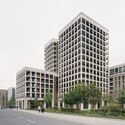
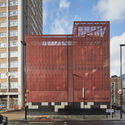
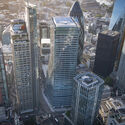
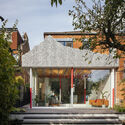
The Royal Institute of British Architects (RIBA) has announced the shortlisted projects for the 2022 RIBA London architecture awards. The list of 68 buildings includes projects ranging from individual houses to schools and office towers in the city centre, showcasing the best architectural interventions in London over the past two years. All designs will be assessed by a regional jury, and the winning projects will be announced later this spring. Subsequently, Regional Award winners will be considered for the RIBA National Award.
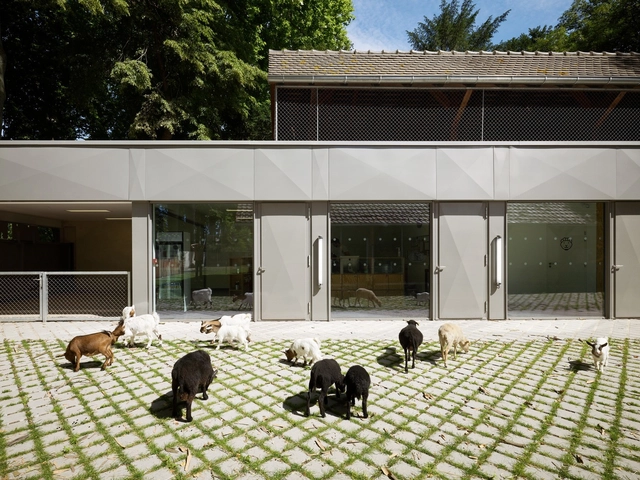
Architecture may have its roots in sheltering humans from the elements, but that is not to say that architecture is for humans alone. Around the world, there are numerous examples of buildings and shelters designed by architects for other species. Some of these can be whimsical, such as the Dogchitecture exhibit by 10 Mexican architecture firms back in 2013, or the series of BowWow Haus kennels designed by over 80 architects back in 2017, including Zaha Hadid Architects. But others are designed for a more direct impact.
As revolutionary as the construction sector may seem nowadays, it currently accounts for nearly 40% of the world’s carbon dioxide emissions, 11% of which are a result of manufacturing building materials such as steel, cement, and glass. Fast forward a couple of years later, after a life-changing global pandemic and indisputable evidences of climate change, CO2 emissions are still on a rise, reaching a historical maximum in 2020 according to the 2020 Global Status Report for Buildings and Construction. Although a lot of progress has been made through technological advancements, design strategies and concepts, and construction processes, there is still a long way to go to reduce carbon emissions to a minimum or almost zero in the development of built environments.
Last year, the International Design Award Baden-Württemberg celebrated its 30th anniversary. For this year's prize, designers and brands are invited to apply until March 18 with designs that are either ready for production or have been on the market for less than two years.
We have repeated the word “sustainability” so often in recent years that we have almost lost sight of its true meaning. What does it actually mean to be sustainable?
A guest on the Betoneira Podcast, architect Marko Brajovic suggests that, rather than seeking out certifications—often used for greenwashing—the most genuine approach is to recognize that we are part of the very nature we are trying to protect.
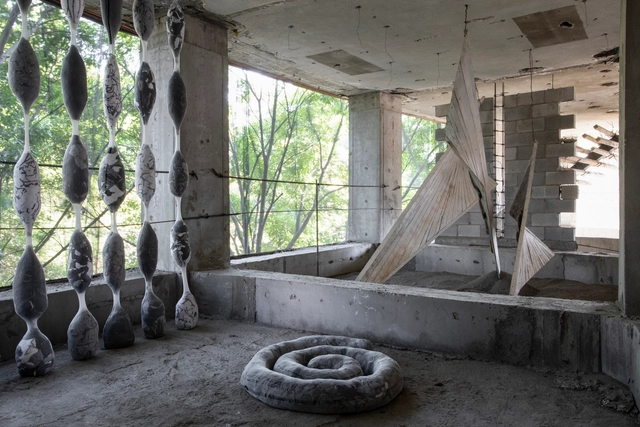
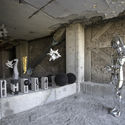
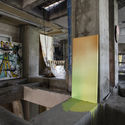
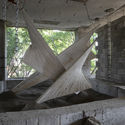
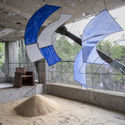
As part of the cultural agenda for Art Week 2022 in Mexico City, guadalajara90210—in collaboration with Michan Architecture and Luis Young—presented the exhibition "YACIMIENTOS," featuring works by 53 artists and architects. The venue, a building currently under reconstruction in the Condesa neighborhood, hosted the exhibition from February 12 to 20.
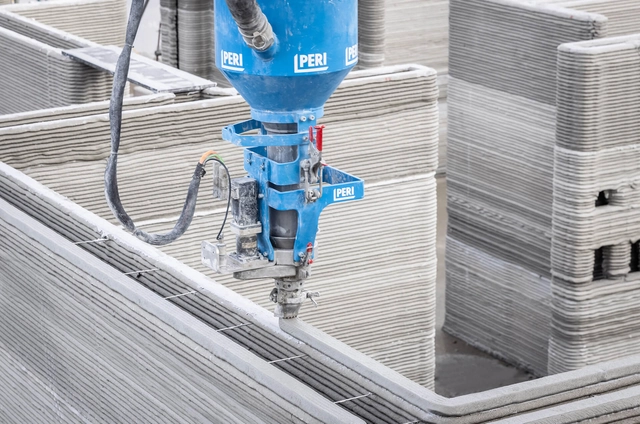
By 2025, Dubai plans for a fourth of its buildings to be printed in 3D construction methods, demonstrating the potential of a fast-growing technology capable of redefining and pushing the limits of traditional architecture. As the technique emerges as a viable solution in the construction, engineering, and architecture areas, its popularity is quickly increasing. In fact, just between 2021 and 2028, the global 3D construction market is expected to grow by 91%, according to a July 2021 report by Grand View Research. Why this rapid growth? Besides being a faster alternative and having lower construction costs, it can also provide affordable housing solutions and allow countless design possibilities, among many other benefits. Thus, as architects must adapt to a new technological era, where speed and efficiency have become key factors in design and execution processes, the rise of 3D printing shows enormous promise. It could even help reshape construction as we know it.
We are all experienced and we have all done it! I am referring to one's reaction to less than good lighting of course. Think about it.
We have all experienced architectural spaces wherein something about the lighting is not quite right. It could be any of the following issues, to name a few: appearance, color quality, controllability, emphasis or lack thereof, flicker, harshness of shadows, lack of shadows, illumination levels on horizontal and/or vertical surfaces, luminaire placement, proportions, and/or scale. Any of these issues can be perceived as bad lighting.
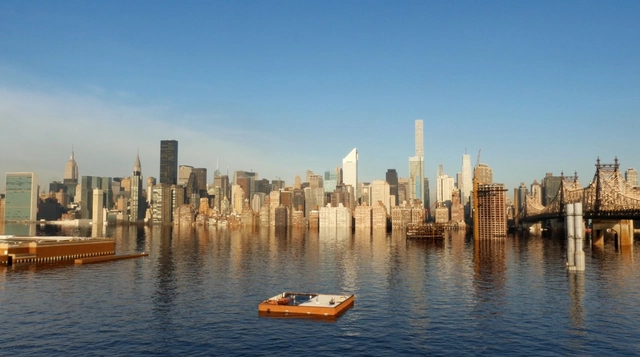
Courtesy of Menilmonde via screenshot from 2°C New York City video
Following an extensive report on the impacts of climate change last year, the second installment of the Intergovernmental Panel on Climate Change (IPCC), the United Nation's body for assessing the science related to climate change, addresses the current and anticipated impacts of climate change on ecosystems, biodiversity, and human communities across the globe, along with action plans on how the natural world and human societies could adapt to these changes before reaching an "irreversible" state.
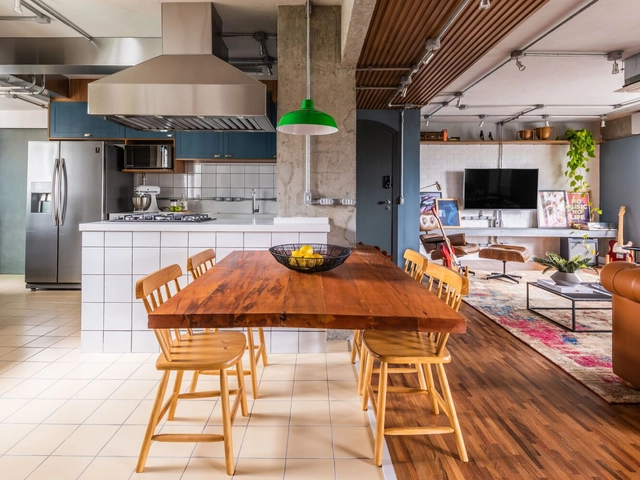
The floor is one of the largest areas of coverage of an environment, and therefore, its choice goes through several criteria related to both aesthetic and visual identity issues, as well as technical issues of resistance and maintenance. It is common to use different floors for areas with different uses and often this transition is not marked by walls or doors. Next, we will bring you tips on how to make this transition harmoniously when there is no physical boundary between the floors.
El Sindicato was born in 2014, when Xavier Duque, Maria Reinoso and Nicolás Viteri joined forces against the boss-employee way of working. They stop working for other people. They do their own thing. What they like the most inside and outside the profession. They affirm that it is not, and they do not want it to be, an architecture office, but a life project.













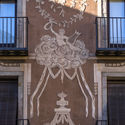
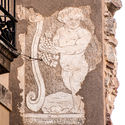
.jpg?1645988130 "Esgrafiado a dos tendidos. Capa superior con pigmento natural extraído de tierras y arenas rojizas. Image Cortesía de Manuela Muñoz Restrepo")



.jpg?1646212066&format=webp&width=640&height=580)
.jpg?1646212124 "© MVRDV")
.jpg?1646212098 "© MVRDV")
.jpg?1646212076 "© MVRDV")
.jpg?1646212066 "© MVRDV")
.jpg?1646212066)