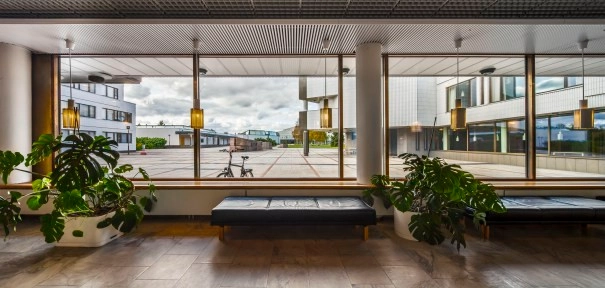
View of the Civic Square From Rovaniemi Town Hall, Hallituskatu 7. Photo: Jukka Suvilehto/Provincial Museum of Lapland
Aalto’s architecture in Rovaniemi, a new exhibition at the Alvar Aalto Museum, takes an in-depth look at Alvar Aalto’s work in and around Rovaniemi. As well as the administrative and cultural centre, the works on show include lesser-known residential and commercial buildings. The exhibition, collated by the Provincial Museum of Lapland, will be open in the Gallery at the Alvar Aalto Museum from 1.11.2013 to 2.2.2014.
A first for the AEC Industry, the AEC Hackathon is a non-profit event that brings together teams of Silicon Valley technologists and industry stakeholders to help shape the future of our built environment. Formatted as a traditional "hack", the AEC Hackathon provides a playful, exploratory environment where disruption, innovation, and creative ideas are brought to life.
This course will discuss the principal changes in pedagogy and how it affects institutional design. The evolution of pedagogy can be summarized by the following four principals: Learning is at its best constructivist, experimental, connected, and lifeline and informal. Using these principals we will explore different case studies of contemporary institutional design (k-12 and higher education), and see how these changes in pedagogy affect the way students learn , teachers teach, and architects and designers design.
Starchitecture has come to Miami — in a big way. Developers are using the name recognition of some of the world’s star architects to bring in buyers for their posh towers.
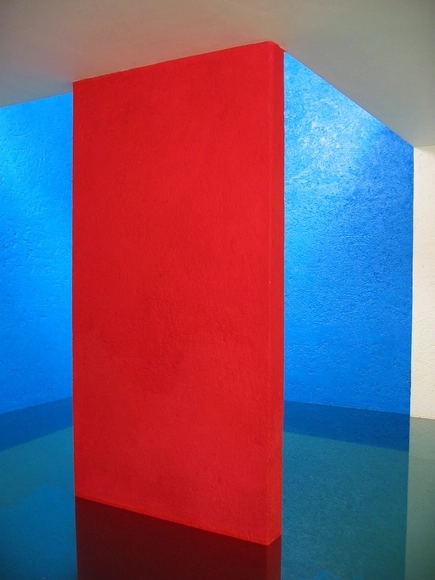
Mexico, Switzerland and their constituent art collectors are in a tug-of-war over the coveted professional archive of late, famed hero Luis Barragán - considered one of Mexico's greatest architects. After his death, the heads of the Swiss furniture company, Vitra, bought a collection of Barragán's personal designs and images, leaving those in Mexico puzzled as to why the archive ever left the country from which his work is rooted. "It would be as if the ‘rights’ for Frank Lloyd Wright or Louis Kahn were held and managed from another country, ruling over their work and limiting access to the American public." Read the full article here, "Tug of War Stretches Architect’s Legacy".
https://www.archdaily.com/446133/mexico-and-swizterland-in-tug-of-war-over-famed-architect-s-archive-luis-barraganJose Luis Gabriel Cruz
Where does architecture and the automobile industry meet? Many architects, including Le Corbusier, have tried to understand how building construction can be more like car manufacturing, with mass-produced parts that can be easily assembled on site. Ford recently explored the idea at their Design with a Purpose: Built Tough panel discussion held at New York's Center for Architecture. Click here to read The New York Times' coverage of the discussion, and check out ArchDaily editor-in-chief's thoughts on cars and architecture here.
CyArk's Scanned Parthenon Project. Image Courtesy of toptravellists.net
CyArk, a non-for-profit 3D laser scanning organization, is scanning the world's greatest monuments, hoping to preserve over 500 cultural heritage sites around the globe, The Independent reports. The portable laser system creates such a detailed, digital blueprint of structures and ruins that each building can then be reproduced in 3D, with a margin of error of only two millimeters. So far, the statues of Easter Island, the Tower of London, Mount Rushmore, the Tower of Pisa have been preserved. Check out more about the technology in Ben Kacyra's TED Talk.
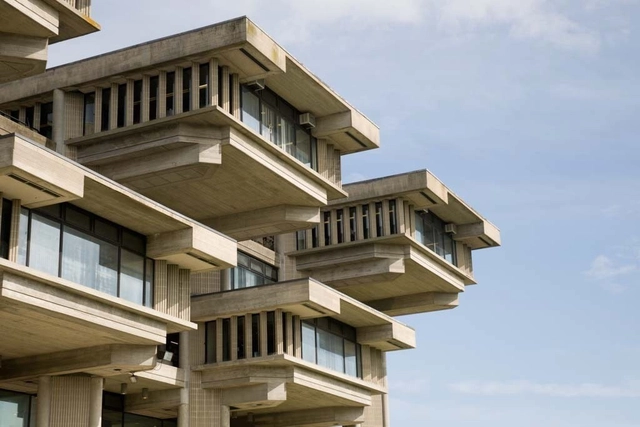
UMass Dartmouth Library, by Paul Rudolph. Image Courtesy of UMass Dartmouth
In this fascinating article on the Slate design blog, J Bryan Lowder takes on a commonly held myth: that brutalist buildings on college campuses were designed to prevent student riots. From the egalitarian design ethos of brutalism to the fact that many of these buildings were around before the widespread student uprisings of the late 1960s, he finds no support for the theory - however he does end with a possible reason why these buildings are now regarded with such suspicion. You can read the full article here.
The winners of the 2013 World Habitat Awards, a competition focused on addressing housing needs and issues across the globe, have just been announced. Picked from a pool of over 200 applicants, the two winning entries represent the most innovative and resilient proposals with potential for global use, taking on the rampant homelessness problem in the US (The 100,000 Homes Campaign) and exploring revitalisation opportunities for the Old City in Hebron (Hebron Old City Rehabilitation Programme). The winners will be honoured at a ceremony in Medellin, Colombia on October 17, 2014. To learn more about the competition and it's winners, click here.
The winners of the 2013 World Habitat Awards, a competition focused on addressing housing needs and issues across the globe, have just been announced. Picked from a pool of over 200 applicants, the two winning entries represent the most innovative and resilient proposals with potential for global use, taking on the rampant homelessness problem in the US (The 100,000 Homes Campaign) and exploring revitalisation opportunities for the Old City in Hebron (Hebron Old City Rehabilitation Programme).
https://www.archdaily.com/443636/winners-of-the-world-habitat-awards-announcedKatherine Allen
Courtesy of Truly Living Well Center for Natural Urban Agriculture
After the foreclosure crisis, hundreds of cities despaired at the downturn - but in Milwaukee, the HomeGr/own Initiative saw opportunity. The organization converts empty lots into urban farms, calling upon citizens to assist in this growing local food movement. But while other cities have tried similar projects (and failed), Fast.Co reports that the HomeGr/own Initiative seems suited to last. Learn why here.
https://www.archdaily.com/443632/milwaukee-urban-farm-movement-growsKatherine Allen
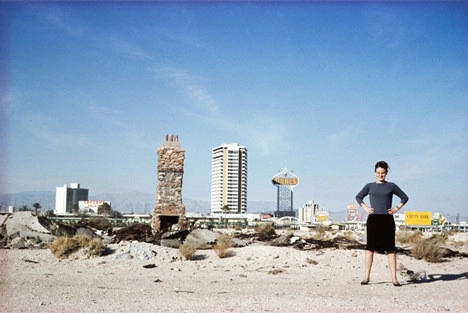
"In the 10 years I’ve been running my architectural practice, I [...] have gotten accustomed to people assuming that my male employees — whether younger or older — are the lead architects who will be making final decisions. Yet this time a lingering frustration colored the rest of my day, a sense that while feminism has made significant progress on a conscious level, little change has trickled down into the unconscious of our culture." Check out the rest of Esther Sperber's column for Lilith, in which she details the past travails of female architects (particularly Denise Scott Brown's), and their future mission, here.
https://www.archdaily.com/444021/on-gender-genius-and-denise-scott-brownKatherine Allen
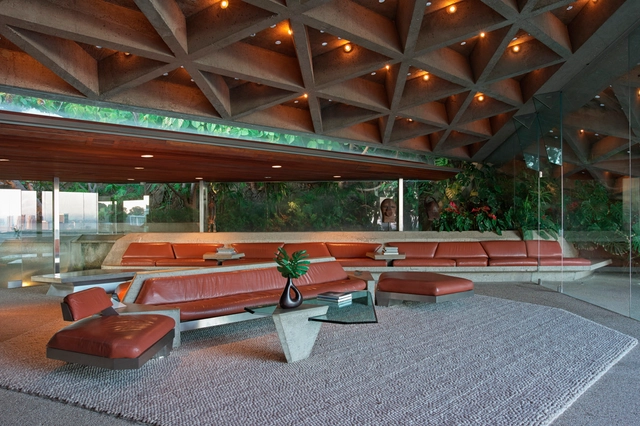
In this interesting article for the Financial Times, Edwin Heathcote dissects two Hollywood homes that are infamous as the homes of slick movie bad guys. The Lovell Health House designed by Richard Neutra appeared in LA Confidential as the home of pornographer and pimp Pierce Patchett; the Sheats Goldstein Residence appeared in The Big Lebowski - again as the home of a pornographer - and was designed by none other than "Hollywood's favourite architect" John Lautner. Heathcote probes the two architects' design influences and ideas, and of course offers an explanation as to why ""bad guys always seem to get the best houses". You can read the full article here.
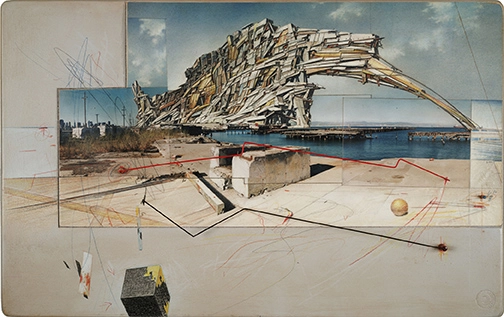
From November 22 through March 2, 2014, the Eli and Edythe Broad Art Museum at Michigan State University presents Lebbeus Woods, Architect, bringing together over 100 works from the past 35 years by one of the most influential architects working in the field. Recognized beyond architecture, Lebbeus Woods (1940–2012), who was born in Lansing, Michigan, has been hailed by leading designers, filmmakers, writers, and artists alike as a significant voice in recent decades. Notably, Zaha Hadid, architect of the Broad’s newly inaugurated building, cities Woods as a key influence.
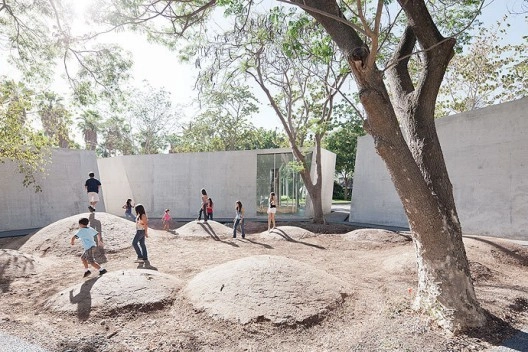
The simple concrete-hewn structures designed by Tatiana Bilbao acknowledge their context in a way that most buildings don't. In a recent interview with uncube Magazine, Bilbao explains how her outlook on design shifted after she realized that "the quality of architecture relies heavily on the people who build it and what techniques and materials they are used to." And it seems this novel approach hasn't gone unnoticed - she recently showed her work at Berlin's Architekturgalerie and is on a star-studded shortlist to design the Menil Drawing Institute. Read the full interview here.
https://www.archdaily.com/444493/redefining-context-with-tatiana-bilbaoKatherine Allen
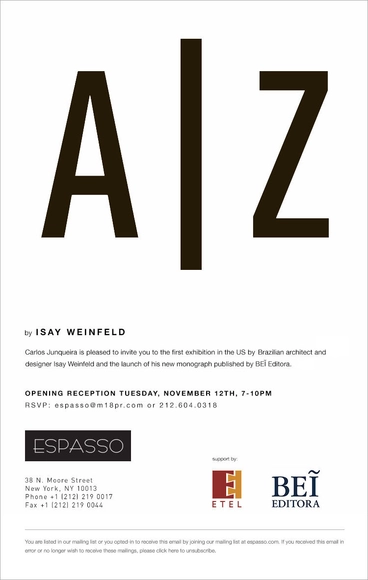
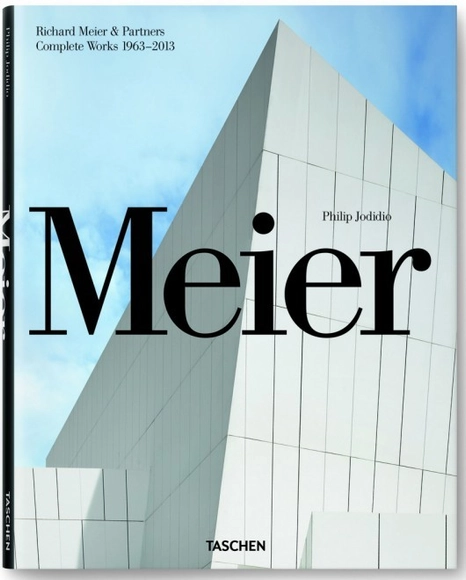
Isay Weinfeld, the multi-award winning Brazilian architect and designer, will be opening his first ever US exhibit at Espasso in conjunction with the launch of a new monograph that takes a closer look at his recent projects.
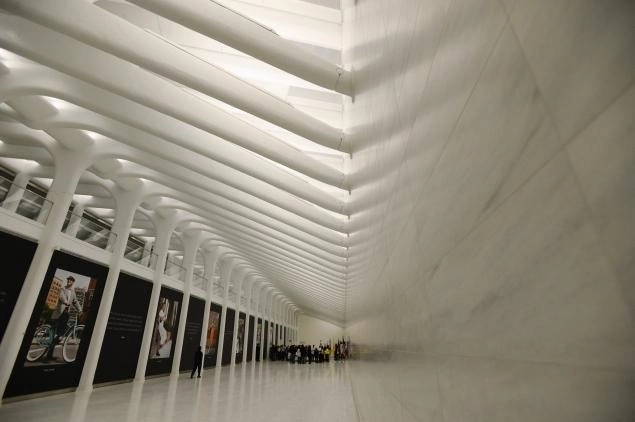
A portion of Santiago Calatrava’s $4 billion PATH station has opened. According to NY Daily News, the Western Concourse will now relieve New Yorkers from “cramped sidewalks and temporary bridges” crossing West St. with a 600-foot underground passage lined in “bright white marble” that connects the World Trade Center to the neighboring office complex formerly known as the World Financial Center. Once complete in 2015, the controversial transit hub will double as a massive shopping and retail complex, which aims to “transform” the cultural experience of lower Manhattan.
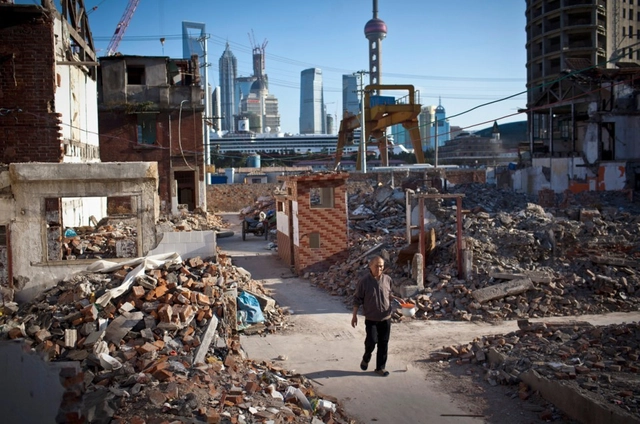
Chinese city-dwellers are waking to find eight stories of construction debris outside of their homes. Over two billion tons of waste, outside Beijing and other major cities, is a result of a booming construction industry. "There's no systematic way to deal with [the garbage]," says Wilson W.S. Lu, architecture professor at the University of Hong Kong, "The illegal dumping is everywhere." Recycling efforts have just begun, but local activists believe it will require a radical paradigm shift in the way Chinese residents reclaim material. Read the full New York Times article, "China's Mountains of Construction Rubble."
https://www.archdaily.com/443367/mountains-of-construction-debris-accumulate-outside-chinese-citiesJose Luis Gabriel Cruz