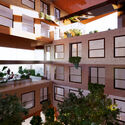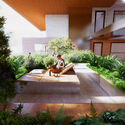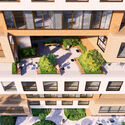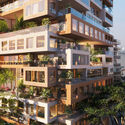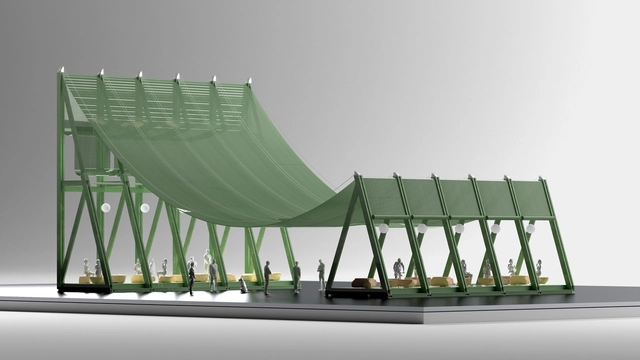
The upcoming TAC! Urban Architecture Festival announced that the two winning projects of its ideas competition are "Mediterráneo" by Manuel Bouzas and "Lost Forest" by Julia Ruiz-Cabello Subiela and Santiago Del Águila.
Architect and Project - Team Lead at ArchDaily Instagram: @ fabe.de
The upcoming TAC! Urban Architecture Festival announced that the two winning projects of its ideas competition are "Mediterráneo" by Manuel Bouzas and "Lost Forest" by Julia Ruiz-Cabello Subiela and Santiago Del Águila.
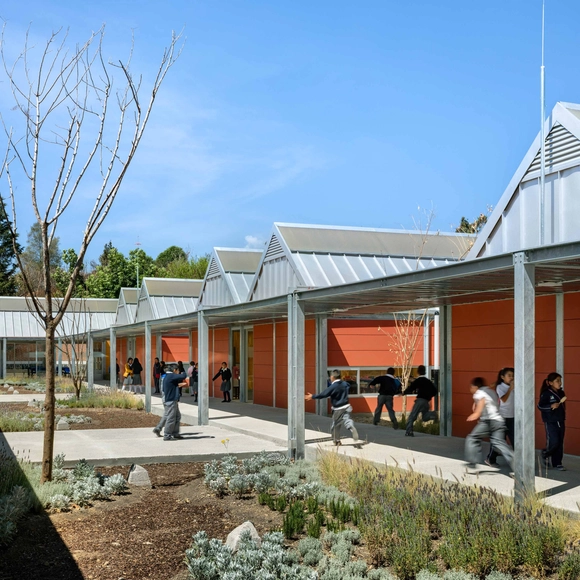
On January 24th, the fifth edition of the 'International Education Day' was celebrated under the slogan "Invest in people, prioritize education". Proclaimed by the United Nations General Assembly, it promotes a strong political mobilization seeking to chart the way and accelerate progress towards the 4th Sustainable Development Goal: Quality Education.
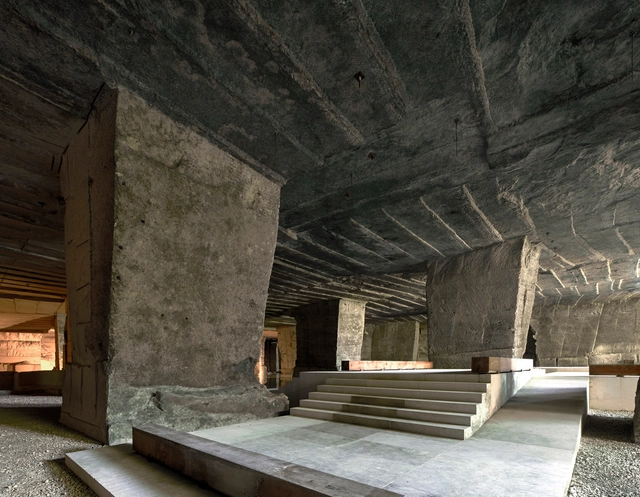
We present a challenge: building with less water. The construction process consumes a massive amount of water resources, and it is time to rethink how we can reduce this environmental impact.
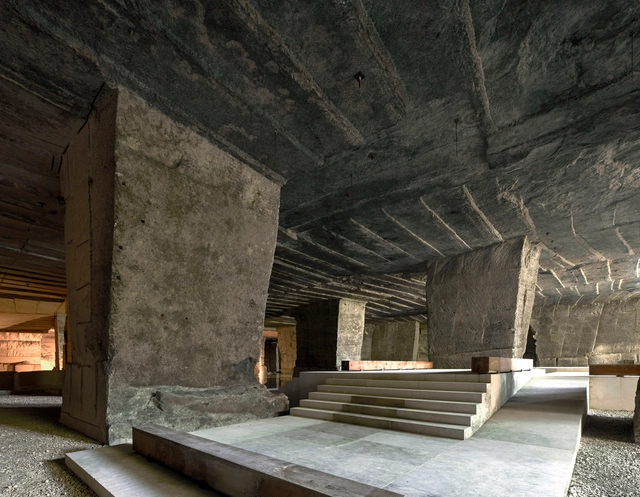
How can we construct buildings using less water? The construction process consumes a vast amount of water resources, and it is time to consider how to reduce this environmental impact.

Sebastián Bravo leads Oficina Bravo, an architectural practice founded in Santiago de Chile that has been developing projects with a clear strategy: to contribute to the city by efficiently using architectural, economic, and constructive resources through renovation and remodeling. Among their projects are spaces that openly interact with the immediate context, including works of patrimonial, administrative, and residential value such as Casa Compañía and Zagreb Office, as well as a large series of gastronomic and commercial spaces such as Felix Café and Apolo Helados.
Due to its design process and its ability to transform and restore spaces, Oficina Bravo was selected by ArchDaily as one of the best new architectural practices of 2023. They make a point of talking with clients, understanding them, and involving them in the process. This, they say, is the only thing that ensures that the ideas behind the project survive with dignity.
We have selected seven coffee and ice cream shops in Santiago that were designed by Oficina Bravo, while also conducting an interview to get to know their inspirations, working methods, and future projects. The result is a true daily guide for you to enjoy their work, their design process, and a good cup of coffee.
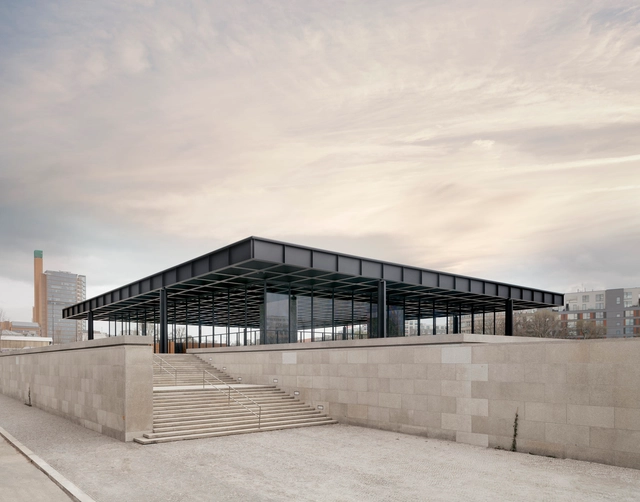
On June 1st, the ceremony for the VI European AHI Prize was held at the Sant Pau Hospital building in Barcelona. This recognition promoted by Architectural Heritage Intervention, in collaboration with the College of Architects of Catalonia and supported by the Department of Culture of the Generalitat de Cataluña, the City Council of Barcelona, and the Metropolitan Area of Barcelona, arises from the conviction that today, architectural heritage is not only an essential element of knowledge, but also a vital socio-economic resource for the sustainable development of territories.
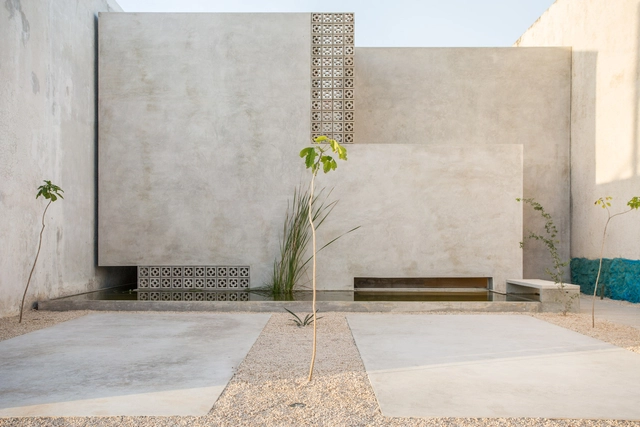
Due to its ability to mold and create different shapes, concrete is one of architecture's most popular materials. While one of its most common uses is as a humble foundation, its plasticity means that it is also used in almost all types of construction, from housing to museums, presenting a variety of details of work that deserves special attention.
Check out this collection of 40 projects that highlight the use of concrete. Impressive!

Can current design and manufacturing technologies be incorporated into vernacular and traditional construction techniques? On the IE University campus in Segovia, a group of researchers from IE University, Princeton University, and the University of Bergamo built an unreinforced masonry structure called innixAR that demonstrates how digital technologies can enhance craftsmanship. This pavilion explores the intersection between the latest augmented reality (AR) innovations and 4D funicular design to allow vault craftsmen to build masonry structures without the need for physical guides and costly temporary molds.
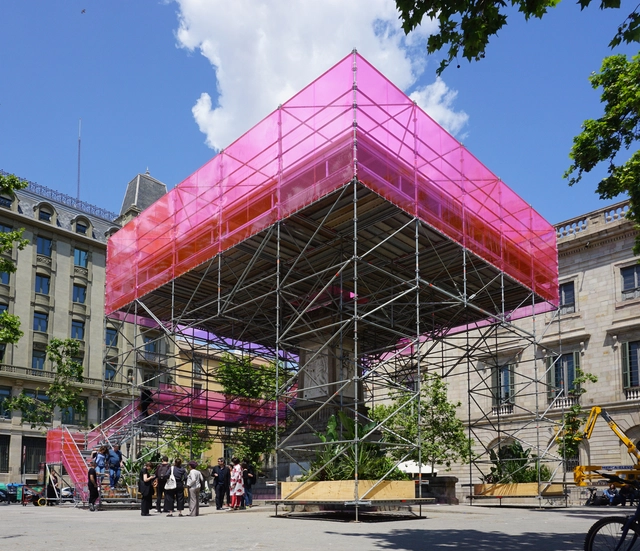
The Association of Young Architects of Catalonia (AJAC) of the Architects' Association of Catalonia (COAC) has announced the 22 selected projects in the 13th edition of the AJAC Awards—a recognition for young architects under the age of 40.
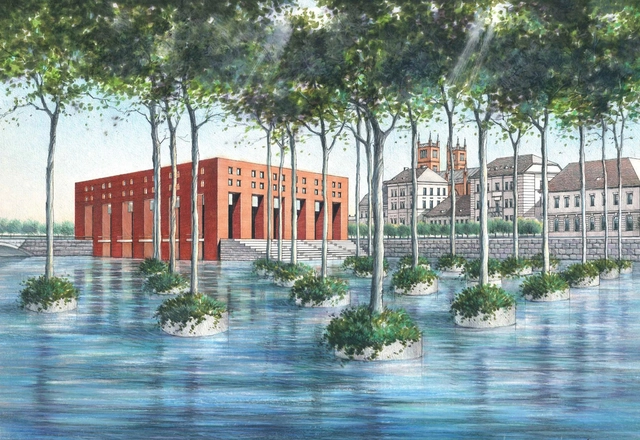
From Costa Rica, architect Bruno Stagno not only reflects on how responses to the environment can be the main basis for inspiration and identity in architecture but also proposes going a little further, with contemporary tropical architecture for an entire latitude.
What happens when these limits are extended? What happens when these motivations escape outside of the tropical context? Bruno Stagno presents here the project "A Mangrove for Berlin", his participation in the 1995 competition for the Reconstruction of the Berlin Academy of Architecture, "Berliner Bauakademie", an emblematic work of the architect Friedrich Schinkel.
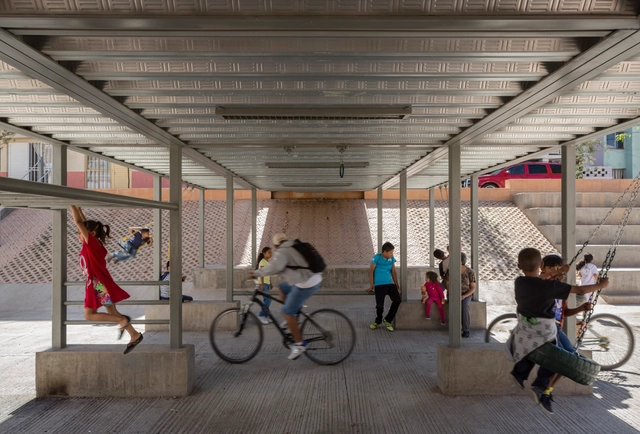
February 20th marks a new edition of the World Day of Social Justice. The theme, "Overcoming barriers and unlocking opportunities", is a perfect occasion to reflect on the importance of equity in all areas of society - and especially from architecture and urbanism. And yes: they both have a fundamental role in building accessible cities and are important tools for addressing the challenges of economic inequality and social exclusion.
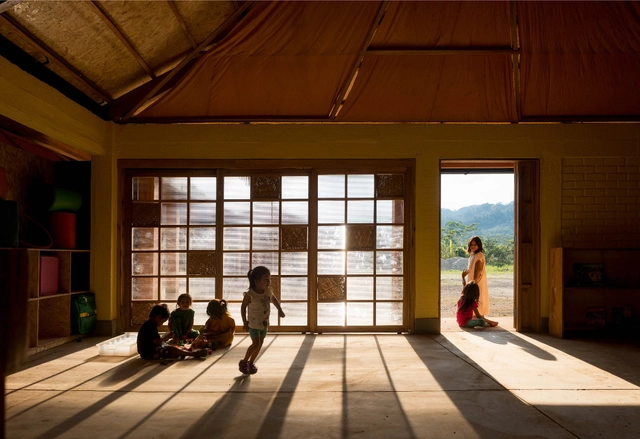
The Diversity in Architecture Prize (DIVIA) was awarded to Italian architect Marta Maccaglia, founder of Semillas, for her commitment to educational construction in Peru. This international recognition of 20,000 euros aims to promote the visibility of women in the architecture industry. Among the five finalists of this edition were Tosin Oshinowo (Nigeria), May al-Ibrashy (Egypt), Noella Nibakuze (Rwanda), and Katherine Clarke and Liza Fior (United Kingdom).
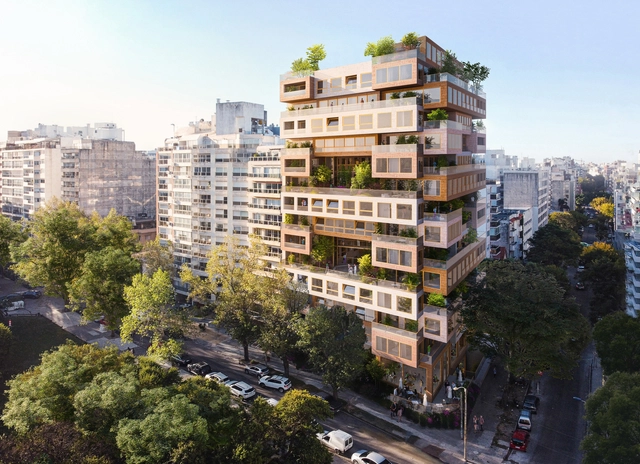
The 15-story residential building designed by MVRDV in Montevideo, Uruguay, has been approved for construction. Named "Ziel," the project consists of individual homes creating an open and permeable environment that allows light and air to flow through the structure, resulting in spacious green spaces for the enjoyment and coexistence of residents. This project is MVRDV's first in Uruguay, designed for developer IXOU in collaboration with Monoblock's executive architecture.

The ninth edition of Concéntrico, the international festival of architecture and design in Logroño, was inaugurated on April 27th to once again promote dialogue between the city, heritage, and contemporary architecture. Until May 2nd, citizens will have the opportunity to rediscover their urban environment alongside the work of more than 60 professionals from 15 different nationalities who have proposed an extensive program with 21 interventions, meetings, and activities.
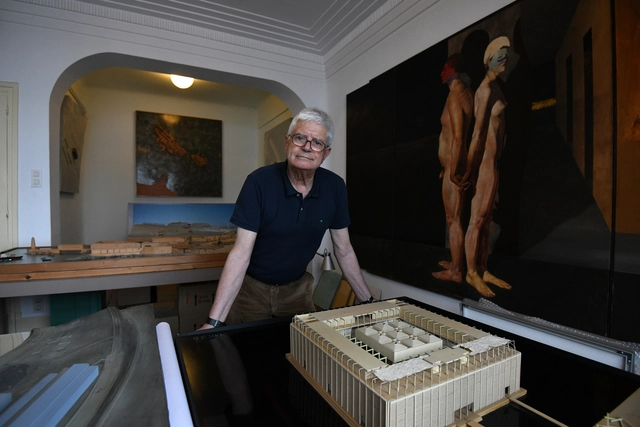
César Portela, an architect born in Pontevedra in 1937, has been awarded the Gold Medal of Architecture, one of the most prestigious distinctions in Spain's architectural profession. Established by the Superior Council of Colleges of Architects of Spain (CSCAE) in 1981, this award recognizes individuals and institutions whose work enriches architectural practice.
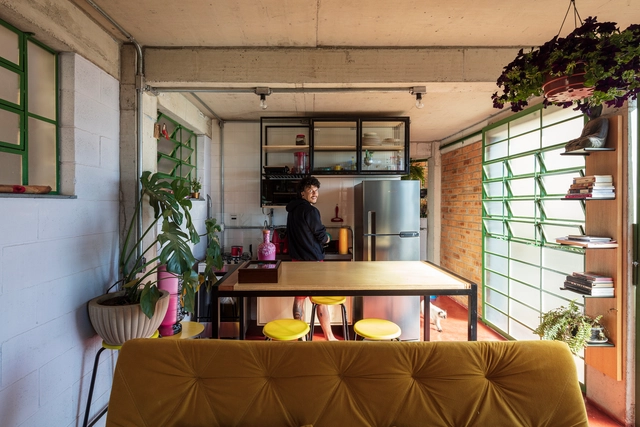
Housing is not just the place where we live. It is a reflection of our society, our culture, and our aspirations. It is a space that influences our quality of life, our health, and our well-being. And in a world changing at an unprecedented pace—where technology advances by leaps and bounds, population grows, and resources become scarce—it is crucial to reflect on how we inhabit our homes and how we can make them better.
Throughout the month of April, ArchDaily opened up the debate on the topic of contemporary housing. We extended an invitation to our readers to join the discussion on its current state and future. After reviewing an immense number of comments and opinions from construction professionals, students, and architecture enthusiasts alike, we were surprised to find a strong consensus: above all, contemporary housing speaks as much to adaptability, innovation, and diversity as it does to real estate speculation, a lack of adequate public policies, and economic inequality. Read the main viewpoints in detail below.
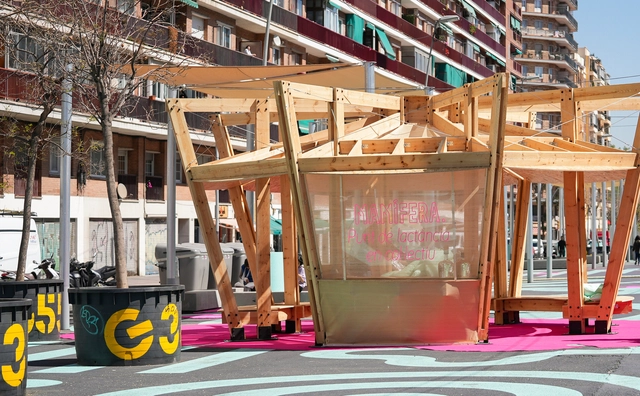
From April 20 to 30, the second edition of the Model: Festival d'Arquitectures de Barcelona took place, debuting a new theme, Radical Empathy, and a new location, the surroundings of the new Parque de las Glorias. This year, managed by the Fundació Mies van der Rohe, the event turned the city into a laboratory of experimentation and dissemination of architectural and urban thought, providing an opportunity to rethink new models and new imaginations of the city.
During the 10 days of the festival, 5 temporary installations were presented as a tool to build a more sustainable, fraternal, and fair city. Among the proposals, we could find a breastfeeding area designed by Equal Saree, the roof of a parking lot transformed into a mushroom structure by Harrison Atelier, and a surface that provides information about the benefits and disadvantages of the city's air created by Daryan Knoblauch, among others. At the same time, a series of 4 digital architectures and augmented realities were added, incorporating new experiences and technologies.
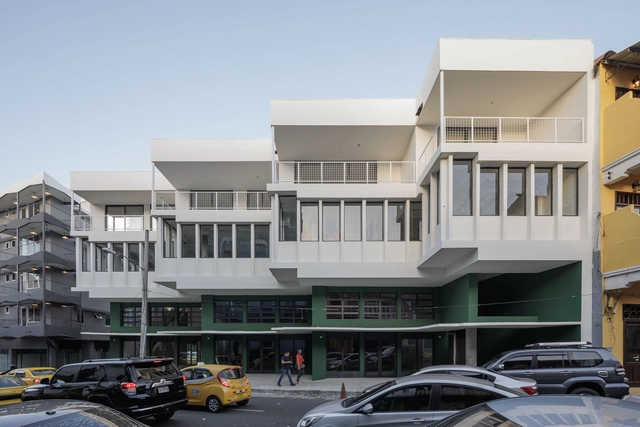
The city of Panama has been experiencing an architectural rebirth. Buildings that have become outdated and deteriorated over time are now being renovated, restored, and modernized - and one of the main offices carrying out this task is Sketch, an architecture studio that defines itself as "energetic, multidisciplinary, and a firm believer that design should be both smart and fun."
Their renovation and remodeling projects, such as the STEPS Dance Academy, the DiabloRosso Gallery, and the mixed-use building La Moderna, are clear indications of this transformative spirit that revolves around efficiency and relevance. Learn about these projects in detail below.