Cortesía de Nómena y Cuatro Cero Cuatro Arquitectura
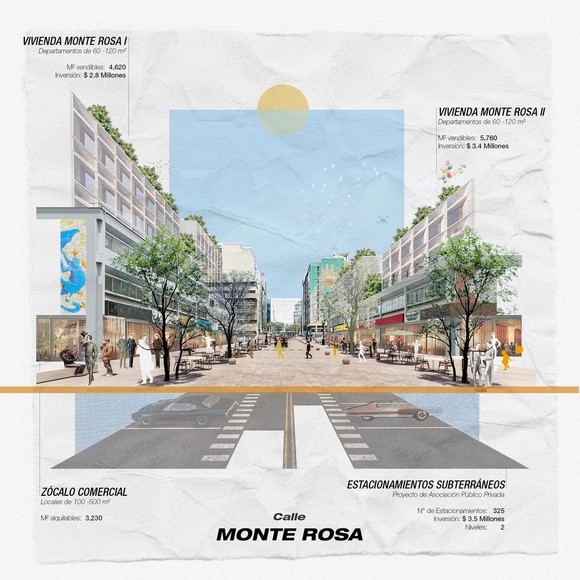
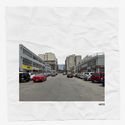
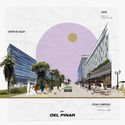
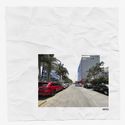
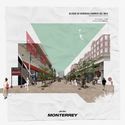
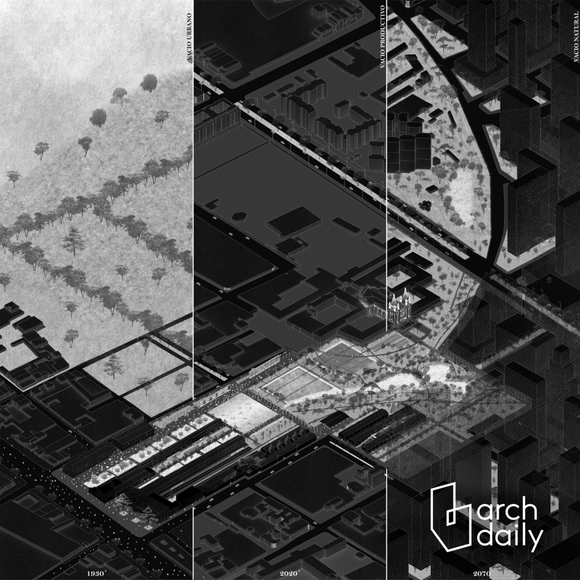
The power of visual representation in architecture fosters debate and reflection on various urban issues. "Imaginarios urbanos" (Urban Imaginaries) is a collective initiative by Nómena arquitectura and Cuatro Cero Cuatro Arquitectura. Through a series of evocative images, the project aims to raise awareness and drive change in the design of Lima's streets.
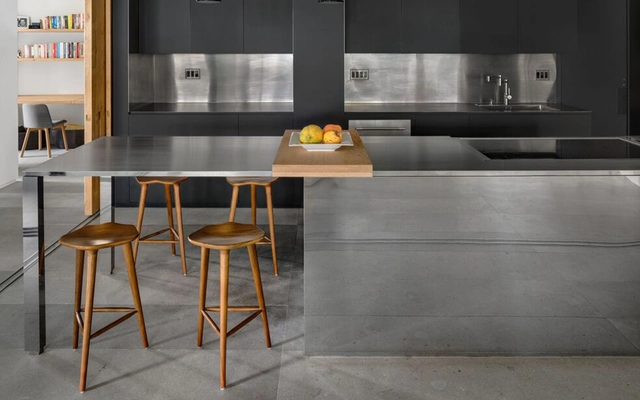
When designing residential interiors, architects increasingly lean toward creating environments where flexibility and space optimization provide solutions tailored to programmatic and functional needs, helping to achieve the well-being and comfort that turn a house into a true home.
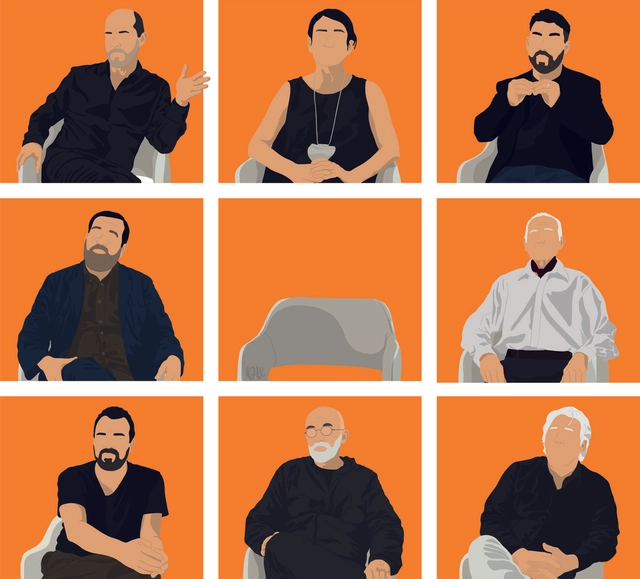
Desde la periferia is an audiovisual project directed by José Luis Uribe, PhD in architecture and professor at the School of Architecture of the University of Talca, Chile. The project consists of three documentaries to be released progressively over the next two years, exploring various aspects associated with contemporary Latin American architecture. The first installment, Volume I: Ugly, Dirty & Bad: A Contemporary Architecture in Latin America, is an audiovisual essay that gathers some of the initial thoughts on its current state through the oral accounts of a group of architects in a hotel room in Asunción, Paraguay.
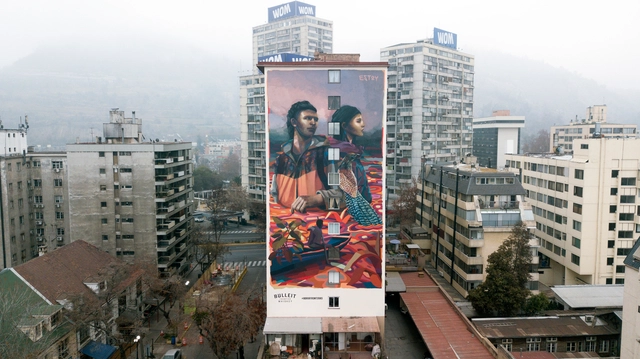
Arte Público de Estoy. Image Cortesía de Esteban Barrera
The city is in constant flux: monuments disappear, landmarks are forgotten, and new symbols emerge, prompting streets, plazas, and walls to redefine the urban landscape. In doing so, they offer new reference points, narratives, and ways of understanding the city, our history, and our society.
Thinking, discussing, and reconfiguring the city through art involves a series of processes. Researching territories, their inhabitants, sociocultural environments, and relational dynamics are essential pillars when designing and implementing installations that impact the city. The proliferation of large-scale artistic interventions that prioritize the purely aesthetic forces us to reflect on what we encounter in public spaces and how these encounters affect our daily lives.
August 19 is World Photography Day. To mark this occasion, we present the winning entries of the recent photography competition "Interculturality and Inhabited Heritage" ("Interculturalidad y Patrimonio Habitado").
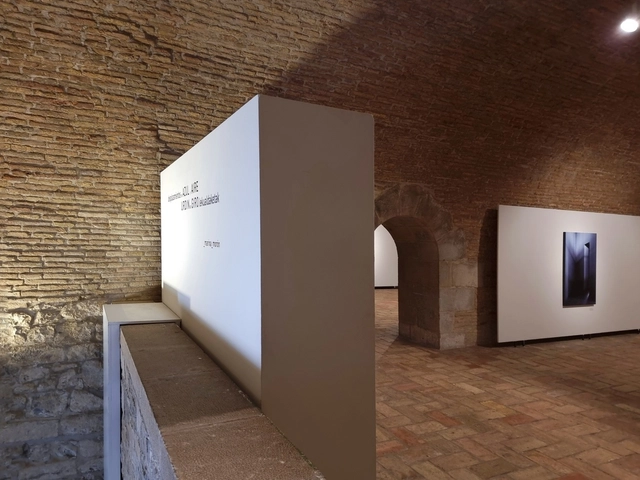
The internationally renowned art collective _marina_morón (comprising Dr. Jesús Marina, PhD in History, and architect Dr. Elena Morón, PhD) inaugurated their latest work at the Pabellón de Mixtos of La Ciudadela in the city of Pamplona. The exhibition is sponsored by the Basque-Navarrese Association of Architects and the Pamplona City Council, and will remain open to the public until March 15, 2022.
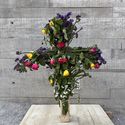
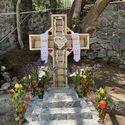
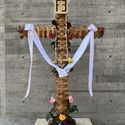
May 3rd is a holiday originating from the Finding of the Holy Cross (also known as May Cross or Feast of the Crosses), which traces its roots back to Roman rites celebrating the Cross of Christ. Over time, this commemoration has evolved and been adopted across cities in Mexico, Chile, Spain, Ecuador, El Salvador, Guatemala, Paraguay, Peru, Trinidad and Tobago, Argentina, Colombia, and Venezuela, where traditions include floral decorations, processions, and dances.
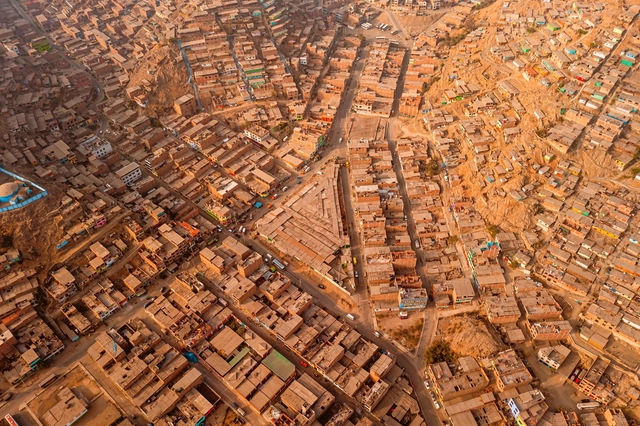
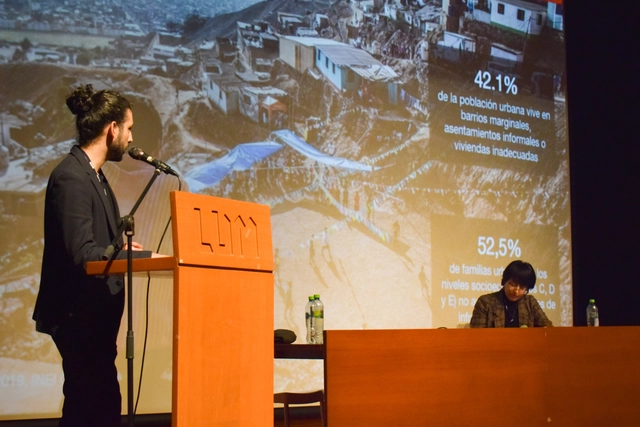
San Juan de Lurigancho, Lima, Peru. Image by MarcoRosales. Image via Shutterstock
The IPCC has published its latest report on the environmental crisis, "Climate Change 2022: Impacts, Adaptation and Vulnerability." The latest findings warn that urgent priority must be given to action on the adaptability of the built environment, noting that, globally, the most rapid growth in urban vulnerability has occurred in informal and unplanned settlements, as well as in small to medium-sized urban centers in low-income countries with limited adaptive capacity. This is a recurring reality across Latin America.
Traducciones: la utopía y el vacío performativo. Image Cortesía de Juan Manuel Sandoval Perdomo
To showcase the valuable work emerging from Latin American and Spanish universities, this year we launched an open call inviting architecture students to submit their graduation projects completed in 2021.
After thoroughly evaluating 137 proposals, our editorial team has selected and highlighted 10 projects that demonstrate rigorous critical thinking in response to their self-defined challenges. The selection valued not only those projects that delivered the best possible architecture through efficient design tailored to their context, program, and users, but also those that paid significant attention to human scale, the environment, experimentation, and new ways of addressing architecture in cities.
Today, technology is increasingly ubiquitous in major cities, driven by the rapid pace of capital-driven movement. A popular term to describe the relationship between urbanism and technology is “Smart Cities,” which centers on leveraging data to enhance building connectivity. However, widespread access to these new technologies has revealed how our unique experiences as citizens—driven by a strong desire to document urban environments—allow us to map and experience cities from alternative perspectives.
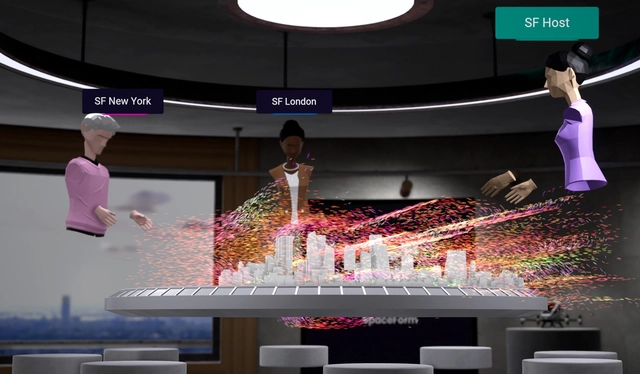
UNStudio y BIG invierten en la plataforma de diseño virtual SpaceForm. Image Cortesía de UN Studio
From NFTs and the Metaverse to the productive advantages of real-time rendering, this year offers a tremendous opportunity to discuss the latest trends in architectural visualization. To this end, we opened the debate to our readers around these questions: How much can we learn from other related industries like cinema, video games, and industrial design? How can architecture contribute to and advance the world of visualization?
After reading and compiling all the comments received—from construction professionals, students, and architecture enthusiasts alike—we agree that as technological advancements continue, the future of architectural visualization will likely be more democratic, liberal, and decentralized. Below, we share the most frequent viewpoints from our readers.
Molière Street Renovation / PPAA Pérez Palacios Arquitectos Asociados. Image
Over the years, interior design has evolved in response to changing needs, and above all, to the experiences it seeks to evoke for the user. Over the last two years, we have witnessed a radical shift and a heightened interest in this field, as the pandemic forced us to pay closer attention to how we configure the spaces we inhabit. This has brought about much more holistic designs aimed at user well-being, combining colors, sensory experiences, technology, and natural elements that promote health.
Polígonos en pendiente en Barcelona. Image Cortesía de Matías Falero
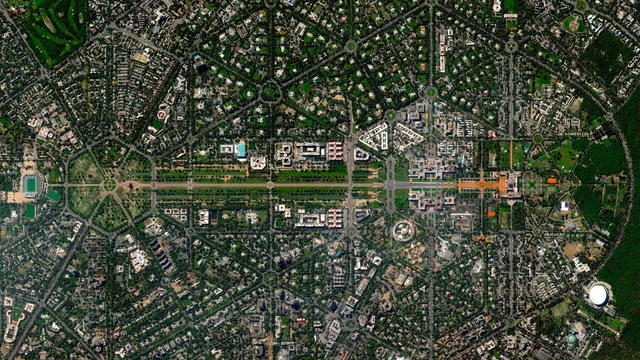
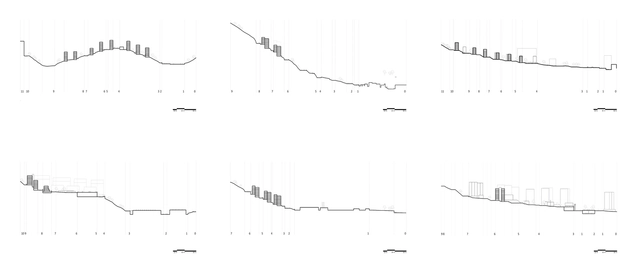
The contemporary urban footprint seems to expand its boundaries virtually without restriction while increasing in complexity. Major cities like Barcelona have expanded to the point where political boundaries merely represent the lines of administrative jurisdiction—which, in satellite imagery or everyday experience, often virtually cease to exist or are barely recognizable. On the other hand, a contemporary reading of its Metropolitan Area, stretched between mountain ranges, rivers, and the sea, demonstrates that this progressive expansion has always been shaped by its unique geographical enclave.
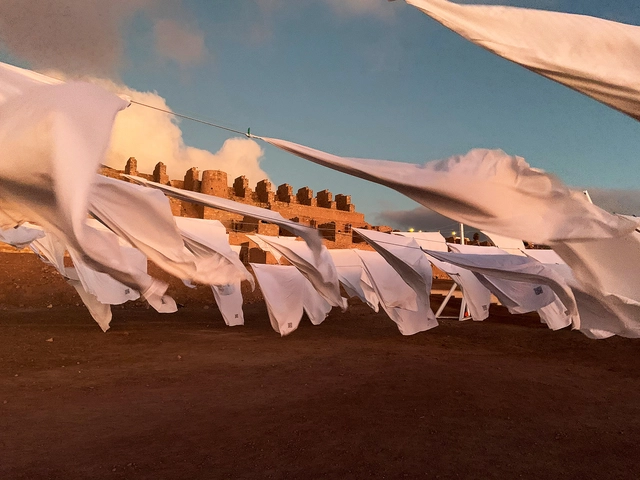
From April 11 to June 30, the Young Architects Festival (YAF), developed by Constructo, is taking place at the Ruinas de Huanchaca Park and Museum in Antofagasta, Chile. Within this space, Siglo 22 Arquitectos has created an immersive architectural installation activated by a series of events, including international lectures and a free public exhibition.
As part of the cultural programming for Mexico City's Art Week, PEANA presents the exhibition Por debajo del árbol at Agustín Hernández's Architecture Studio, which opens its doors to the public for the very first time. The show brings together contemporary works by fifteen artists in dialogue with Agustín Hernández's creative universe. Curated by Ana Pérez Escoto and Carlota Pérez-Jofre, the exhibition will run from February 10 to March 4.
Charles-Édouard Jeanneret-Gris, better known as Le Corbusier, is one of the leading figures and great masters of the Modern Movement. Directed by Gerardo Panero, the feature-length documentary “Plan for Buenos Aires” explores the architect's attempts to shape the layout of the city of Buenos Aires with his ideas.
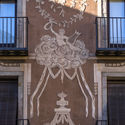
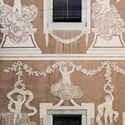
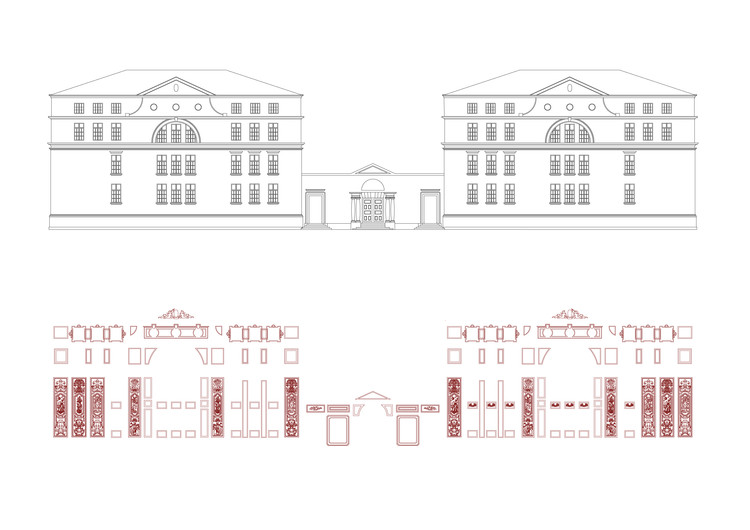
Sgraffito detail - Facade and dissociated sgraffito
Barcelona is a city that has been studied countless times—for the blocks of the Cerdá Plan, its chamfered corners, its historic center, the wars waged there, and the architecture of the Modernistas and their monumental buildings. However, there is little record of it ever being studied in depth through the lens of a traditional cladding material and artistic medium like sgraffito.
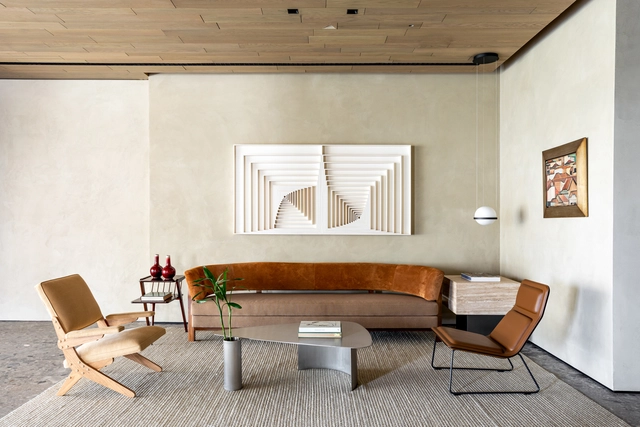
When defining the aesthetic of a space, whether interior or exterior, architects and interior designers should first ask themselves what the needs of its future inhabitants are or will be. Dialogue with users is essential to establishing the style of these spaces, which shapes their physical environment through composition, color, form, and furniture.
Yesterday marked the opening of the seventh International Festival of Urban Interventions in Lima, Peru. The opening day featured a series of events at the Lugar de la Memoria, aiming to shape the agenda, stimulate public debate, and highlight diverse efforts from multiple fronts striving to build a better city for everyone.
https://www.archdaily.com/1132137/fiiu-7-urban-intervention-festival-opens-in-limaDiego Vivas
As part of the programming hosted by Museo Jumex from April 2 to September 18 in Mexico City, "Urs Fischer: Lovers" presents a 25-year retrospective of one of today's most celebrated international artists. Organized by guest curator Francesco Bonami, the exhibition brings together new pieces created specifically for the museum alongside works from international public and private collections, as well as the artist's own archives. Together, these works showcase the expansive creativity, humor, and depth of the artist's practice.
https://www.archdaily.com/1132140/urs-fischer-presents-his-first-major-exhibition-for-mexico-and-latin-america-at-museo-jumexArchDaily Team
Every year, the National Fund for Culture and the Arts (FONCA), through the National System of Art Creators (SNCA), recognizes those who represent excellence in national culture through the Jóvenes Creadores Program. By providing grants, the program supports the creative and training processes of young Mexican artists, fostering favorable conditions for the development of original, significant, and positive creative projects.
This article was originally published in La Joven Cuba on June 28, 2022.
A few weeks ago, I visited the rooftop observation deck of the hotel Paseo del Prado and marveled at its immense beauty during the sunset. Ahead, the entrance to the bay and the Castillo de los Tres Reyes del Morro; turning left, the silhouette of the Malecón; turning right, the Paseo del Prado, with the massive Capitol building crowning the perspective. Few cities in the world possess such architectural and landscape beauty, such history and monumentality.
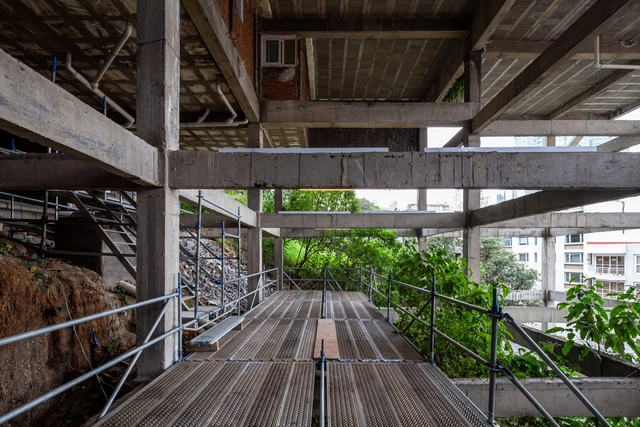
Yet, looking back, what I saw was nothing to be proud of. Though it still held a certain beauty, it was a sad, gray sight: the vast, faded, and deteriorated expanse of the city stretching behind the facades of Prado and the Malecón.
Is there a future for our cities if we do not adopt a sustainable way of life? For some time, urban sustainability has been approached more from the perspective of climate change than from a holistic vision that integrates society and how we live as a community.
What new ways of living are we experiencing amidst today's social, economic, and ecological shifts? We must bring to the table the various reference cases emerging around the world to understand the latest trends in how we inhabit our cities.









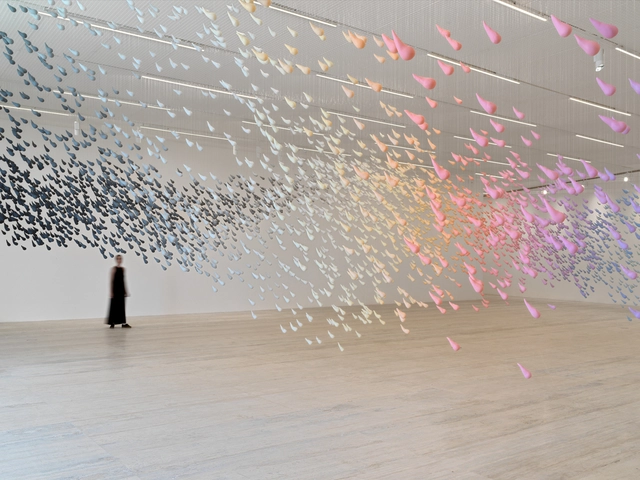
.jpg?1645139411&format=webp&width=640&height=580)
.jpg?1645139581 "Diego Berruecos. Image © PEANA")
.jpg?1645139344 "Caylon Hackwith. Image © PEANA")
.jpg.jpg?1645139239 "Caylon Hackwith. Image © PEANA")

.jpg?1645139411)

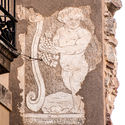
.jpg?1645988130 "Esgrafiado a dos tendidos. Capa superior con pigmento natural extraído de tierras y arenas rojizas. Image Cortesía de Manuela Muñoz Restrepo")



.jpg?1656450766&format=webp&width=640&height=580)