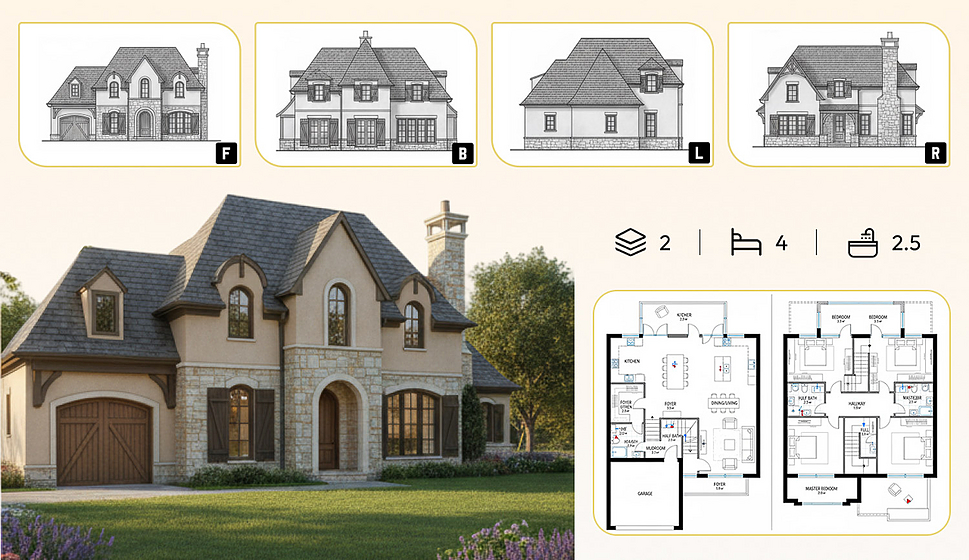
This guide covers a workflow that moves from project parameters to generated floor plans, 3D perspective views, exterior design exploration, and site context visualization, using AI tools in place of preliminary CAD and rendering work.
This guide covers a workflow that moves from project parameters to generated floor plans, 3D perspective views, exterior design exploration, and site context visualization, using AI tools in place of preliminary CAD and rendering work.
Wherever there is a center, there is by necessity a periphery. This in itself should not generate any headlines; we live in a world of centers, and peripheries that continually stretch those centers, whether it be politics, countries, or societal norms. It also applies to architectural practice. In a complex, interconnected world, members of the architectural profession around the world are constantly expanding into new peripheries, generating new visions for how practice should operate, influenced by technological, political, cultural, and environmental changes.
The adaptability of architectural professionals in Brazil is indisputable. Confronted in recent years with crises of various kinds that have hindered the execution of work and, perhaps even worse, immersed in a structure that systematically undervalues the profession, the professional, and the project, the vast diversity and high quality of current production is remarkable.
.jpg?1573123210&format=webp&width=640&height=580)
In recent years, people started to regain interest in a movement that dates back to the last century; a movement, first introduced during the 1940s and 1950s, through the works of Le Corbusier and Alison and Peter Smithson. With monolithic structures, modular shapes, and impressive massing, Brutalism highlights architectural integrity. This movement is highly characterized by rough, raw, and pure surfaces that underline the essence of the substances in question. Spread across the globe, architects have adopted and developed their own vision of this modern movement, creating contextual variations.
In the midst of all the chaos currently taking place in the city of Beirut, we look back on the Lebanese capital’s hidden Brutalist gems. To shed the light on a movement that's often neglected and forgotten, Architect Hadi Mroue created a series of images that highlight the Lebanese Brutalism movement as well as its evolution as an important part of the Lebanese modern heritage.
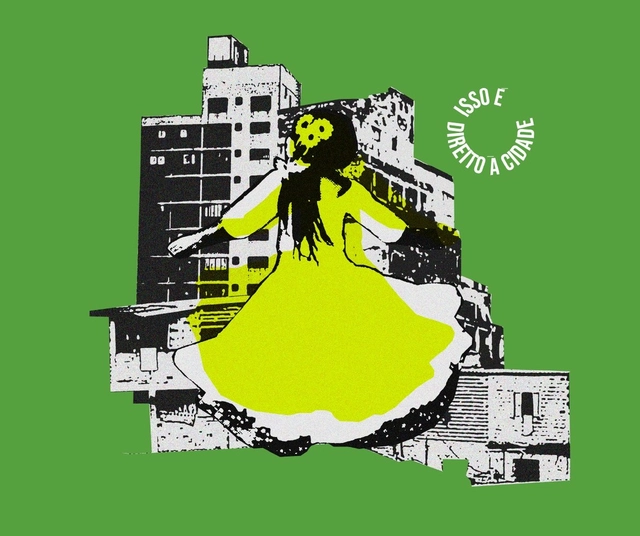
In a recent analytical exercise, we examined the main narratives surrounding Brazilian inequality for an internal training program at the Pólis Institute. It came as no surprise that income occupies the center of the debate, whether in media outlets or academic studies. Our goal with this study was to understand how the Right to the City [1] can contribute to analyses of inequalities and serve as a tool of struggle to close the gap between citizens.
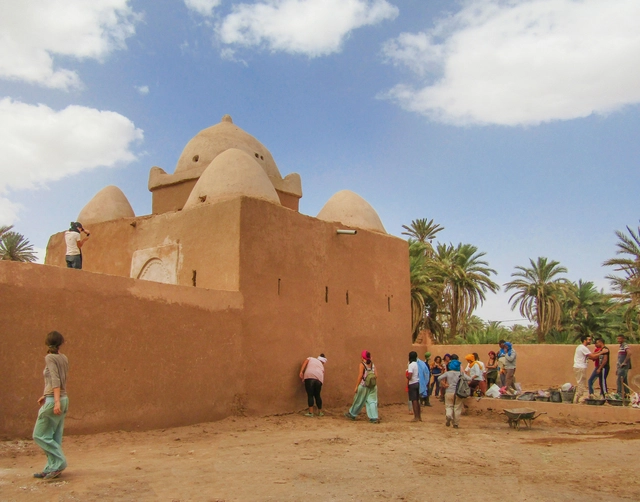
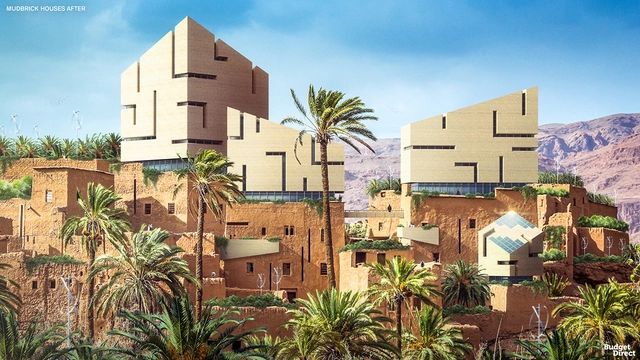
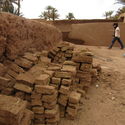
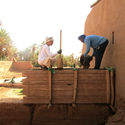
Earthen construction remains highly relevant today, spanning the preservation of architectural heritage, new projects seeking sustainable horizons, and numerous training programs offered by institutes and universities. Yet we cannot overlook one of the major driving forces behind this building material: self-construction. Thanks to its technical advantages and accessibility, communities worldwide have chosen to build their settlements with earth. Consequently, construction becomes a collective exercise where every individual can contribute to shaping a shared future.
In this article, we look at how the NGO Terrachidia works with the community of Mhamid in Morocco to rehabilitate public spaces chosen by local residents. Supported by volunteers, they rescue regional building traditions, successfully preserving and highlighting the local knowledge embedded in places where the pursuit of modernity has led to abandonment, but which remain deeply valued by those who inhabit them.
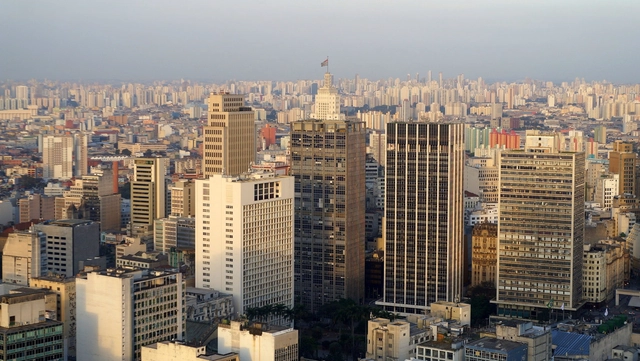
Real estate speculation is undoubtedly the greatest villain singled out by those who study, inhabit, or are simply interested in cities today. It gets blamed for practically every urban problem: whether a city is too dense or too sprawling, choked with traffic or prohibitively expensive; whether local politics are corrupt or the poor are marginalized to the periphery; whether corporations profit from public investments or public infrastructure lies idle; whether historic heritage is destroyed, new buildings alter the cityscape, or informal settlements are burned down. The list is endless.
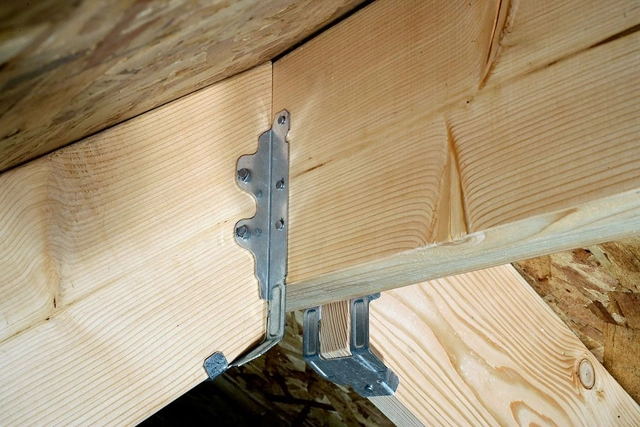
Wood is a very easy-to-work material, allowing professional and amateur builders to manufacture simple objects and structures without major problems. However, when thinking about larger-scale housing or buildings, it's important to take certain precautions that ensure good quality and good construction behavior. To this end, it's essential to evaluate every project and analyze which connection system best suits its structural and aesthetic needs.
We spoke with the experts of Simpson Strong Tie, a leading company in structural connectors, anchors, and fastening systems, to learn more about these topics. Here are six important lessons and tips for building safer and more resistant wooden houses and buildings.
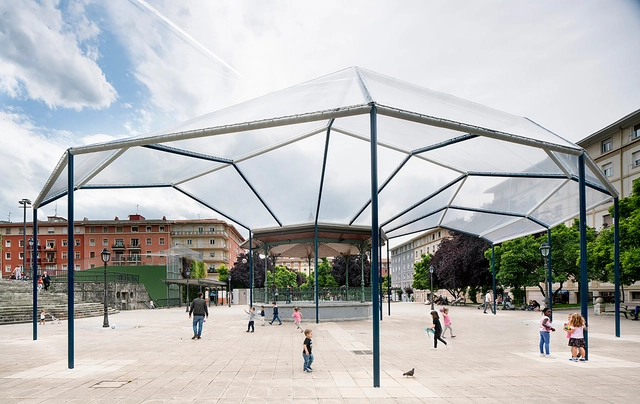
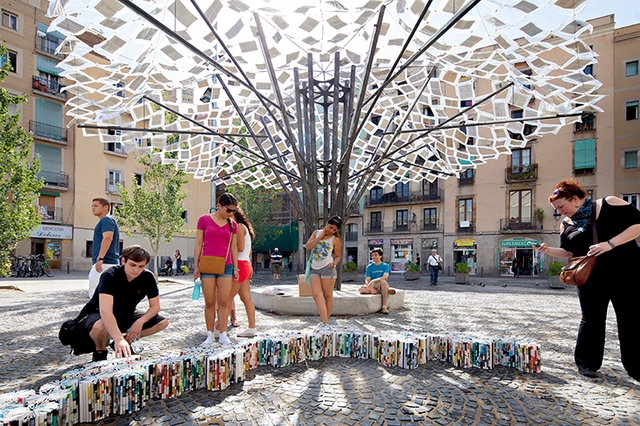
Located in the historic neighborhood of San Ignacio in the city of Bilbao, Spain, Levante Square is a prominent gathering point for residents and visitors alike. To address the lack of covered spaces protecting from the heavy rain, Spanish architecture office CANOBARDIN has designed a solution for users: a concentric structure titled "A Piece of Sky in Levante Square" that allows people to inhabit the public space and find shelter without losing touch with their surroundings, acting as a piece of the sky by day and a reflection of the square by night.
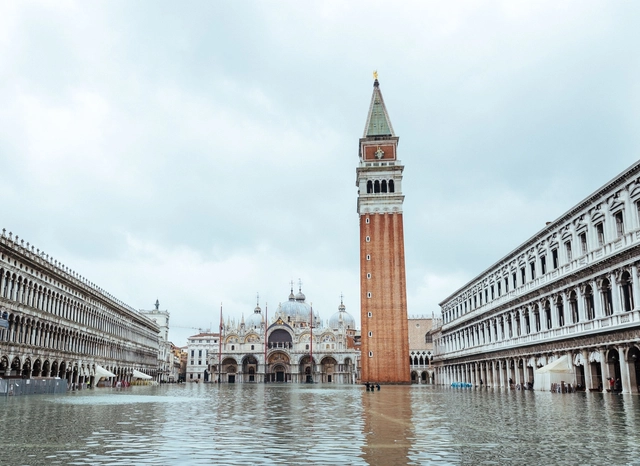
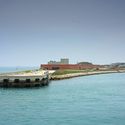
Throughout November 2019, Venice has been inundated with the city's worst floods in half a century. Photographs and videos spread across the world showing the city’s iconic St Mark’s Square underwater, with a 2-meter-high surge threatening irreparable damage to historic sites such as Saint Mark’s Basilica. While the city has been battling rising water levels since the 5th century, the recent floods, set against the context of climate change, have spurred debate about how coastal cities are vulnerable to rising sea levels, and how the damage can be mitigated against.
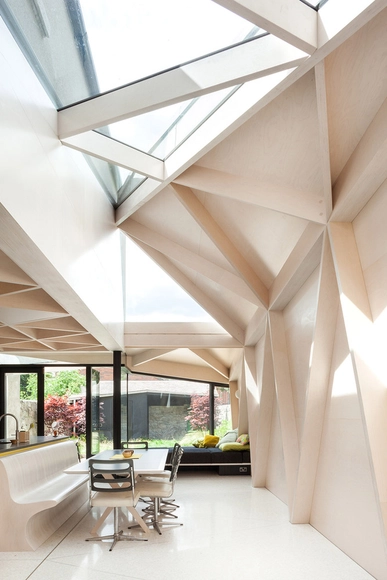
Glued Laminated Wood (Glulam) is a structural material manufactured through the union of individual wood segments. When glued with industrial adhesives (usually Melamine or Polyurethane resin adhesives), this type of wood is highly durable and moisture resistant, capable of generating large pieces and unique shapes.
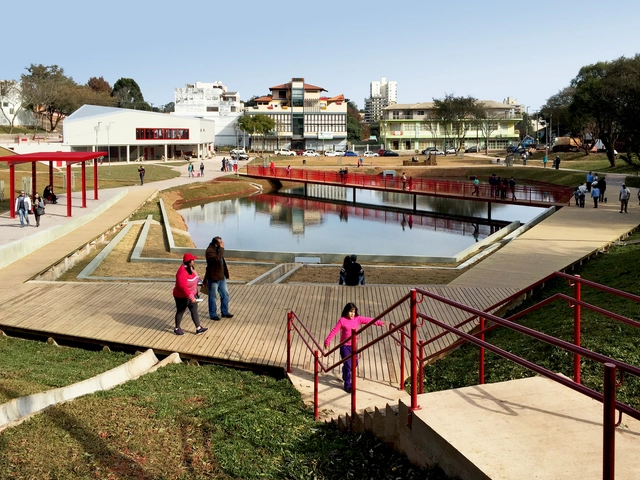
In the 21st century, smart city management will be one of the most influential factors in economic development. Addressing challenges in housing, sanitation, democracy, education, safety, economic development, and quality of life will be at the forefront of the agenda for city leaders.

Originally published in ArquitecturaAhora, architect Ana Sugranyes explores the origin and evolution of the concept of the right to the city, from 1960s Paris to its global expansion.
In the name of social integration or sustainability, the United Nations New Urban Agenda (2016) also incorporated a reference to the right to the city. “Words, then, are of no use: they are just words,” says Alberti. Meanwhile, Chile maintains its high level of income inequality, which has a direct, correlative effect on the deep socio-spatial segregation of its territories and cities; this, in turn, corresponds to worrying levels of social, cultural, and structural violence.
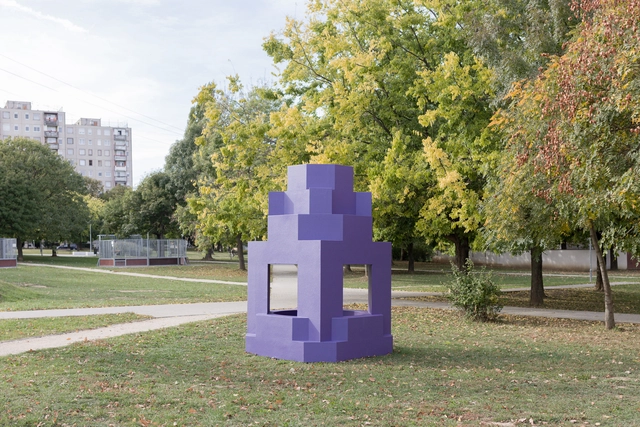
The Haszkovó housing estate in the city of Veszprém, Hungary has been seen as a failed urban development: "grey, sad, and soulless". However, this cold structure managed to shelter 20,000 inhabitants within its walls, standing as a "real city" within the area.
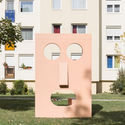
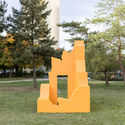
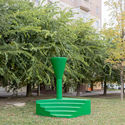
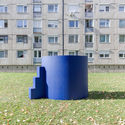
On the occasion of Veszprém Design Week, a collaborative project by five renowned architects and architecture studios: Edward Crooks, Point Supreme, Supervoid, MAIO, and Paradigma Ariadné, invited the visitors to change the perception and current state of Haszkovó, by creating five vibrant, portable, and durable urban artifacts.
This article was originally published on Common Edge.

To its great credit, the American Institute of Architects recently denounced the Trump administration’s decision to formally withdraw from the Paris Climate Agreement. This may put the professional organization on the right side of history, but it’s unlikely to sway any hardened hearts and minds in Washington. Obviously, the executive branch is worse than useless on this issue: not just an impediment to change, but a malevolent force for willful inaction. It’s hard to see it as anything less than an enemy of the climate.

Most architects can agree that they would prefer to spend more time designing and less time managing. Management is a vital role architects play, yet increased efficiency is always valuable. Whether it involves coordinating consultants or ensuring a job site is progressing to meet the contract documents, architects are in charge of orchestrating many moving parts throughout the life of a project. With an app like Archireport, architects can keep track of projects in the office or on site, wherever the work day may lead.
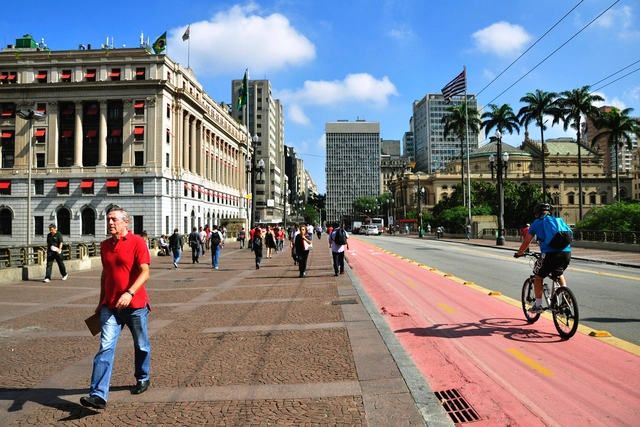
Five Brazilians die in traffic accidents every hour. While highly critical statistics like this can spark positive reactions, they are not always enough to change reality on their own. However, knowing that in the city of São Paulo intersections concentrate more accidents per kilometer, and that these rose by 5% from 2017 to 2018, provides decision-makers with the concrete data needed to implement measures to reduce these numbers. Acting on the most dangerous intersections will save lives.
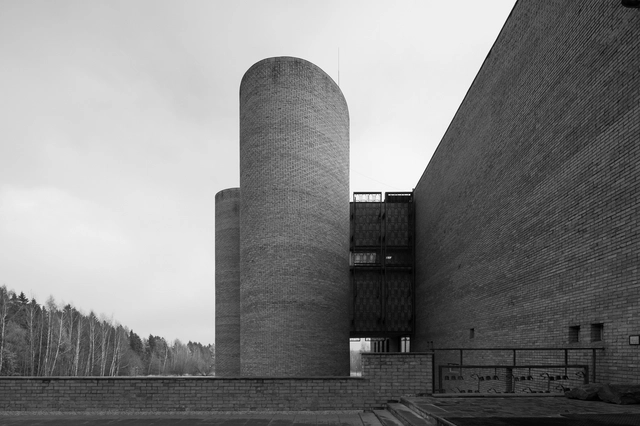
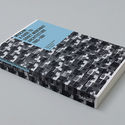
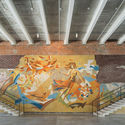
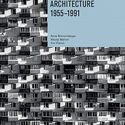
After the success of the original guide-book on underrated Soviet architecture, Garage Museum of Contemporary Art is publishing an English version of the bestselling guide: Moscow: A Guide to Soviet Modernist Architecture 1955–1991 in a new digitalized format with six new chapters.
The history of the spaces presents an important diversity throughout the world, which corresponds to different geographical, economic and cultural moments and conditions. Technology plays an important role since the constructions through which time has passed also work with a kind of sample that breaks down all the advances and ambitions in force of the time, leaving reflections that it are important to keep today.
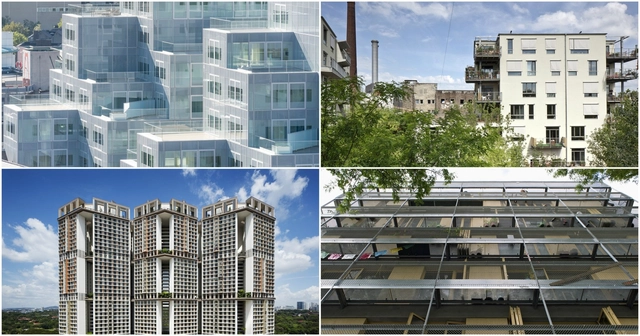
The challenges associated with the provision of adequate and affordable housing around the world demand that architects respond with original solutions that challenge traditional building forms, typologies and methods of delivery.
PLANE–SITE brought together the architects of four inventive housing projects. These projects represent a diversity of approaches to similar housing challenges across radically different global contexts. From the redensification of European urban centers to the rapid urbanization of the tropical Asian megacity, these radical housing models challenged existing paradigms in order to advance resident well-being as their principle design concern. In contrast to Schumacher’s divisive speech, the panel illustrated projects that were deliberately designed to promote community life and social interaction between residents – and in some cases also with other citizens in spaces that blur the line between public and private.
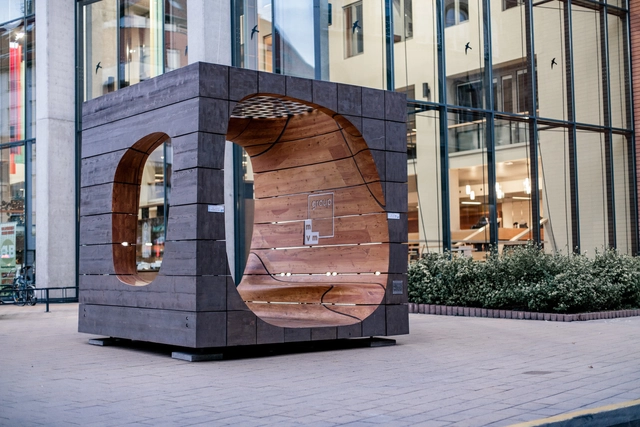
Architecture and design studio Hello Wood have created a line of "smart" outdoor furniture for educational institutes and public communal spaces. The two furniture pieces, Fluid Cube and City Snake, re-introduce modular public structures in a contemporary and sustainable way.
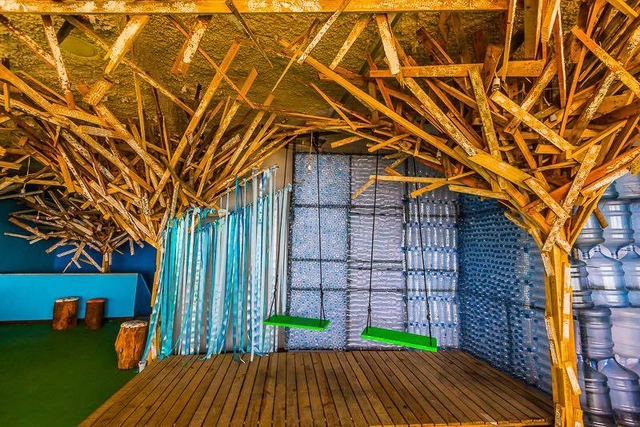
The global need to find more sustainable ways to meet new demands is one of the most compelling catalysts for the reuse of materials or structures in contemporary architecture. In the field of scenography, repurposing materials to construct stage sets has long been a reality. Professional practice in this field deals with the representation of a scene, using temporary elements designed to stimulate the spectator's imagination. In this context, the work of scenographer Renata Mota has paired repurposing with the reuse of materials—either discarded or donated—that have lost their original function, using them to craft sets for performances, exhibitions, and other events.
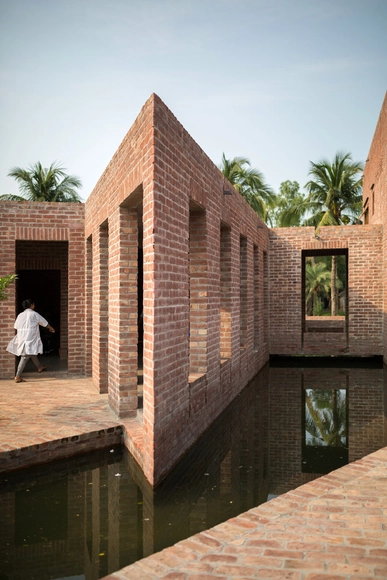
Automation is rapidly becoming a normalized part of many people’s daily lives and careers, a trend which has by no means evaded the construction industry. While this increasingly pervasive technology is often considered a symptom of the contemporary 21st century, however, one automated construction technology may have a history stretching as far back as the 1960s. This technology, the bricklaying robot, has transformed dramatically since its limited realization over 50 years ago, splintering into newer, more technologically advanced variations today.

Mexico City’s vecindades (traditional tenement housing) are urban settlements located primarily in the downtown area. According to the National Institute of Anthropology and History (INAH), these buildings first emerged in the late 18th century, though their peak occurred during the 19th century as a result of rapid population growth, serving to provide affordable housing for the city's most marginalized sectors.

In Brazil, an increasing number of people are choosing to live in apartments rather than houses. Mirroring this trend, the supply of residential buildings with diverse floor plans and typologies has grown at a similar pace. In this context, and aiming to evoke the feeling of a standalone house, developers are increasingly offering lofts and duplex apartments. These layouts foster spatial openness, functional design, and enhanced natural light and ventilation through large openings and glass expanses. Additionally, double-height ceilings establish a visual connection between different floors, among other features that provide greater comfort to residents.







.jpg?1573485211 "The Roof House / MILODAMALO. Image © Ilya Ivanov")