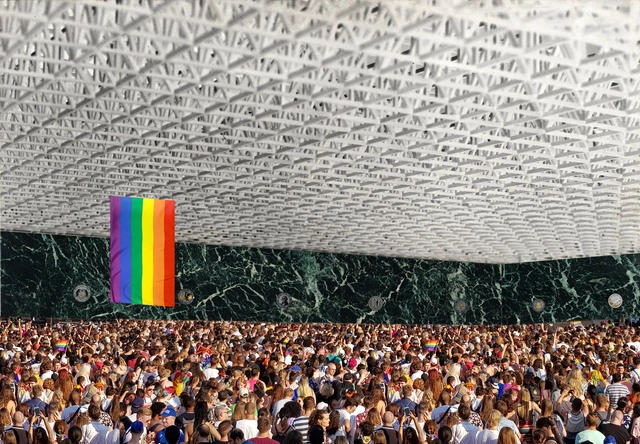
It is no secret that gender issues permeate our entire social and systemic organization, directly reflecting the duality of "feminine and masculine roles" and their mechanisms of gender oppression. Architecture and urbanism are no exception. Over the centuries, cities and their buildings have been maintained and transformed to prioritize the demands of a very specific user profile. This structure obviously overlooks other identities and forms of appropriation—namely, actual demand in all its diversity of social class, gender, race, age, and sexual orientation. These plans and designs are disguised under a "neutral" conception, yet they actually reproduce the perspective of a middle-class white man.
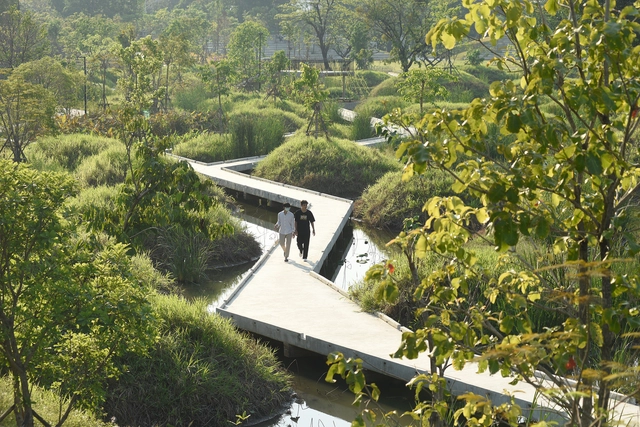
Image courtesy of Apparatus Architects and Alvaro Arancibia
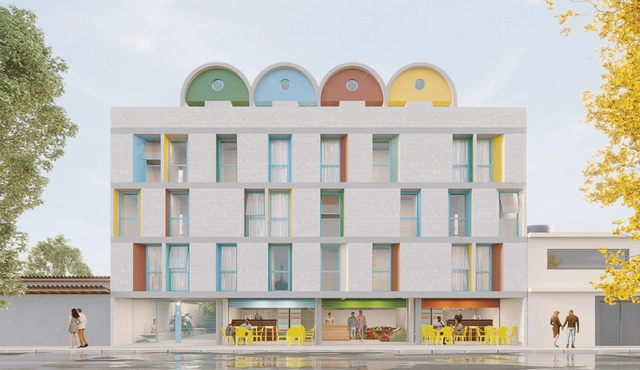
The +Lapena Habitar project, a partnership between the Tide Setubal Foundation and BlendLab, seeks to contribute to the urban transformation of peripheral neighborhoods through a new production model for social housing (HIS). Building on a process started in 2020, the institutions have been developing a pilot housing supply and management project in São Paulo's East Zone that incorporates aspects of urban development, architecture, strategies for accessing quality housing, pre- and post-occupancy processes, social participation, a rental model, collective management, business model, and financing.
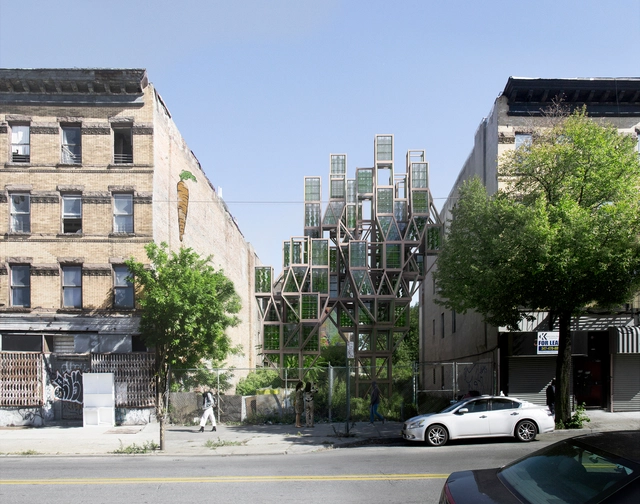
Framlab creates modular vertical urban farms on the streets of Brooklyn. Image courtesy of Framlab
We are living in a state of emergency. Since the dawn of industrialization, we have rushed through our planet's finite resources as if they were limitless, depleting and destabilizing the very ecosystems we depend on for our sustenance, economy, food, health, and quality of life.
In just 50 years, we have lost more than half of the world's wildlife. Currently, the Earth is on track to warm beyond 1.5 degrees Celsius, which scientists warn is a hard planetary boundary for existing ecosystems. This is a “code red for humanity,” as described in the IPCC Sixth Assessment Report. Continuing on our current path will mean irreversibly damaging the very conditions that sustain life on this planet.
The job market in architecture and urbanism is highly competitive. High demand for innovative, sustainable, and aesthetically pleasing projects drives intense competition. Moreover, technological shifts and rising client expectations demand constant adaptation. What are the obstacles, opportunities, methods, and "tools and tricks of the trade" required to enter the "jungle" of entrepreneurship? Drawing from the guests' experiences, this special episode offers an open and lively conversation on the subject.
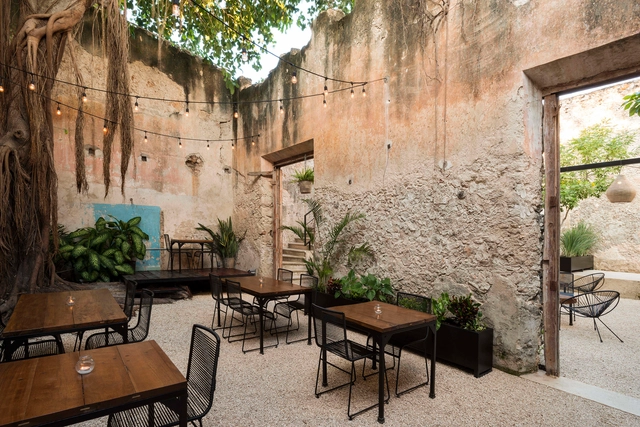
The spatial distribution of a restaurant or bar is essential to its success. Faced with this design challenge, several architects have experimented and proposed configurations that both enhance the use of space in different culinary experiences.
With this being said, take a look at 50 gastronomic establishments in plan and section to inspire your next design.
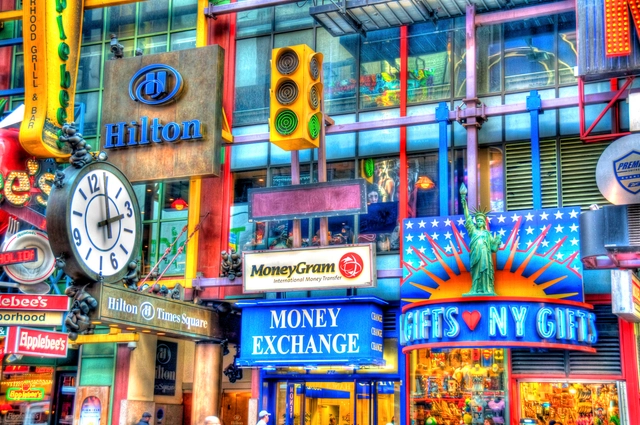
Our daily lives involve constant communication with the city. As we move through different spaces, we ask ourselves questions like "Where am I now?", "Where am I headed?", "What am I looking for?", "What is this building for?", and "How do I experience this space?" While spatial encounters may feel intuitive, environmental graphic design (EGD) provides the answers by serving as an important interface between us and the built environment. It involves the design of graphic elements that merge with architectural, landscape, urban, and interior designs to make spaces more informative, easier to navigate, and memorable. EDG comprises three major elements: text, shape, and color. Text and shapes typically encapsulate the graphic information, but color projects it, amplifies it, and helps communicate it within the packed scenes of the city. In spatial experiences, we perceive colors first, since our senses mostly register visual sensations. Therefore, the strategic use of color is critical for environmental graphics to provide a layered experience of identity imagery, sense of place, and emotional connection.
Kengo Kuma uses materials to connect with the local context and the users of his projects. The textures and elementary forms of constructive systems, materials, and products, are exhibited and used in favor of the architectural concept, giving value to the functions that will be carried out in each building.
From showcases made with ceramic tiles to the sifted light created by expanded metal panels, passing through an ethereal polyester coating, Kuma understands the material as an essential component that can make a difference in architecture from the design stages. Next, we present 21 projects where Kengo Kuma masterfully uses construction materials.
Origin myths,” “founding myths,” and “creation legends” provide a way for us to see into and imagine the distant past in metaphorical, poetic, and compelling ways. The oldest origin myths help us understand how a people or a place (such as the universe) were believed to have come into existence. Anthropologists describe these as creation myths or “cosmogonic” myths. They might explain how the world came to be. For example, Native North American peoples such as the Cherokee, Ojibwe, and Aztecs share an origin myth that land was first created on top of a great ocean. One of the most common Western origin myths is the creation of Adam and Eve. But founding stories exist for all kinds of social conditions, historical customs, and objects, as well as places—think of the myth of the brothers Romulus and Remus, suckled as babies by a wolf, who survive to found the city of Rome (after Romulus got rid of his brother).
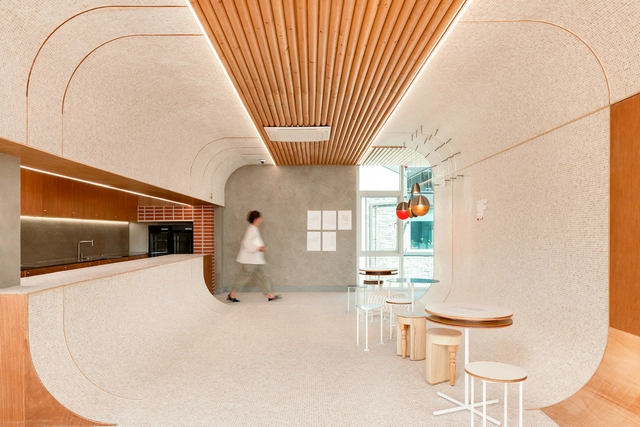
After years of dominance, orthogonal lines and right angles are giving way to organic designs and rounded shapes within interior design projects. This profound shift in formal language has led to the infiltration of gentle curves and amorphous volumes into design pieces, furniture, and decorative elements, a transformation that's becoming increasingly evident. Some argue that this change may be indirectly linked to the growing interest in sustainability and the pursuit of strategies that reconnect people with nature, as seen in the consistent presence of biophilia across projects of various scales. The period of social isolation during the COVID-19 pandemic further heightened this inclination, prompting individuals to devise ways to incorporate nature into their living spaces, thereby enhancing well-being in day-to-day life.
The Monadnock Building in Chicago began construction in 1891 and is still in use today. The building features a somber facade without ornamentation and a colossal height - at the time - of 16 floors. It is considered the first skyscraper built in structural masonry, with ceramic bricks and a granite base. To support the entire load of the building, the structural walls on the ground floor are 1.8 meters thick, and at the top, 46 centimeters. One hundred and thirty years later, this construction system remains common and allows for the erection of taller buildings with much thinner walls, accomplishing even new architectural works economically and rationally. But what is structural masonry about, and how can designers use it in architectural projects? And for what kinds of buildings is this system most suitable?
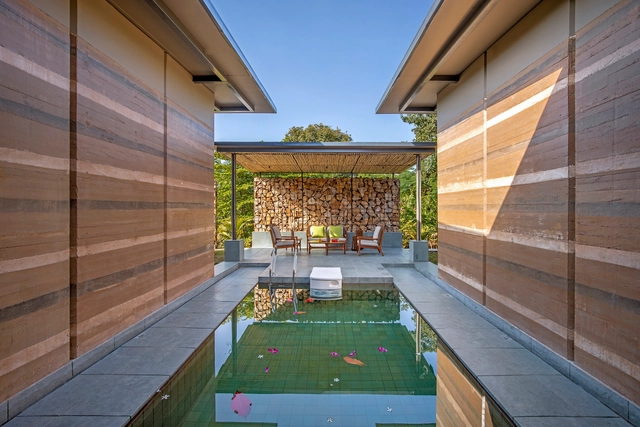
With the proper know-how, readily available earth, sand, chalk, lime, or gravel can yield a versatile, strong, and durable construction material. Its colorful results vary from region to region, depending on the natural soil component, climate, and treatment. While some prefer to minimize any added processing, others relish the exploration of rammed earth surfaces. Different textures and mesmerizing layers of multitoned or multicolored earth can be used to create a solid surface that enriches the visual quality of a space and carries a sense of warmth to any project.
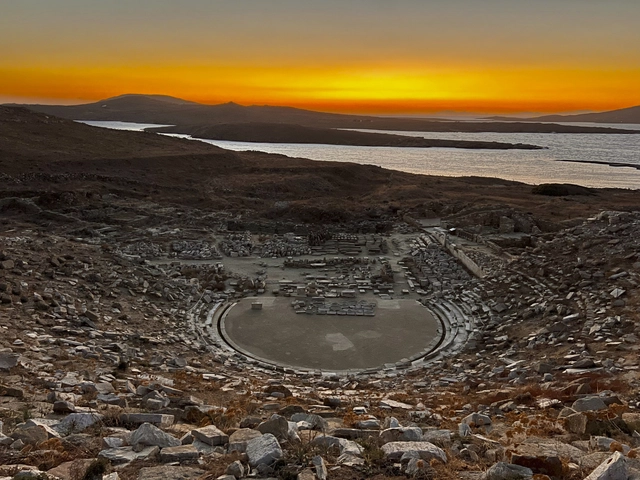
Nestled amidst the Aegean Sea, the ancient island of Delos emerges as a timeless testament to human ingenuity and the harmonious interplay between architecture and nature, in this captivating series of photographs shared with ArchDaily for the International Day of Photography by artist Erieta Attali, along with the insightful voice of Brazilian architect Angelo Bucci. Inspired by Attali's work, Bucci crafts a narrative that explores the profound connection between architecture and the environment, echoing the ethos of Delos itself.
In an age where humanity's detrimental impact on the environment has become increasingly evident, the concept of rewilding is emerging as a powerful approach to conservation and ecological restoration. In line with growing attention on landscape architecture in recent years, the idea of removing human intervention from our natural surroundings in order to restore a stable equilibrium seems to offer a low-effort, ethereal way to right fundamental climate wrongs. But is a lack of meddling in nature really all there is to rewilding, and how does this relate to architecture and design? We look at key concepts, applications, and examples to find out.
This article is the first in a series focusing on the Architecture of the Metaverse. ArchDaily has collaborated with John Marx, AIA, the founding design principal and Chief Artistic Officer of Form4 Architecture, to bring you monthly articles that seek to define the Metaverse, convey the potential of this new realm as well as understand its constraints.
The Metaverse is currently hard to define. Try to think of it as the bringing together of the abundance of virtual communities we have created over the years on Facebook with the enormous range of leisure opportunities akin to shopping on Amazon. Yet, the Metaverse goes far beyond this and makes a new type of landscape possible by playing on the very qualities of placemaking we know from the cities, towns, and villages we inhabit worldwide. The Metaverse is a transactional space, and perhaps above all an experiential space where unexpected events take place and, importantly, shared events are enjoyed on an individual and communal basis.
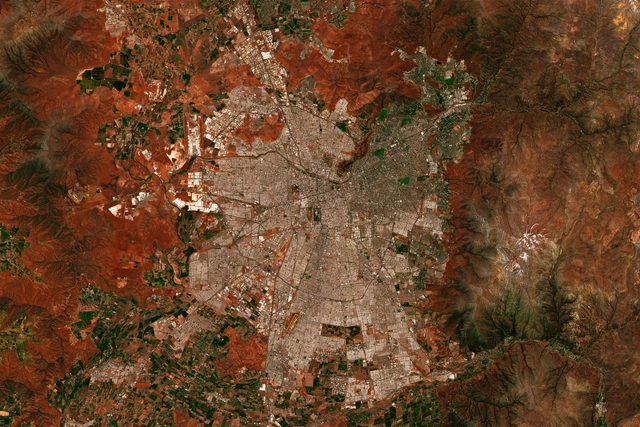
In recent years, population density in Santiago de Chile has gained significant prominence as an urban and architectural topic, as well as an economic, political, social, and environmental one. Its vast impact—both positive and negative—has generated conflicting viewpoints among experts, prompting us to ask: should we densify Santiago?
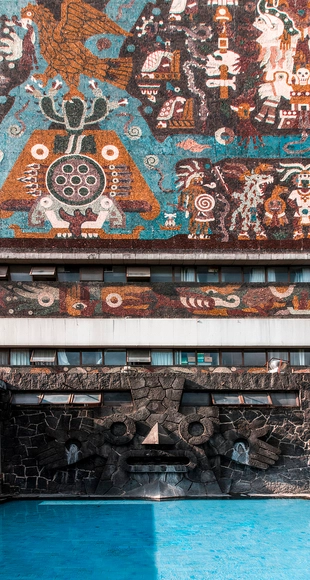
From the pre-Columbian period of the Americas –during which cultures such as the Olmec, Maya, Purepecha, and Mexica (Aztec) thrived– to the modern era where architecture has been influenced by social movements and even natural disasters, Mexican architecture showcases a valuable architectural expression, with its own unique voice and distinctive characteristics. Nobel Literature Laureate Octavio Paz argued that architecture is an incorruptible witness to history. Likewise, the materials used to shape it have acted as protagonists of that history, enduring in many cases over time and evolving thanks to the generations of architects who have contributed to it, from different perspectives.
To trace a timeline, it is possible to take as a starting point pre-Hispanic architecture, which exhibited a diversity of nuances due to Mexico's vast territorial extension. This allowed diverse cultures to find their niche and develop their characteristic architectural styles. Subsequently, the era of Spanish colonization, which itself drew influence from Islamic architecture, represented a noteworthy turning point in architectural development. This phase endured until the advent of Mexican Independence in the 19th century. In turn, this marked the initiation of social and cultural movements, both during and after the Mexican Revolution in the early 20th century.
https://www.archdaily.com/1005554/materials-that-define-the-contemporary-mexican-architectural-aestheticEnrique Tovar
Colors are much more than just aesthetics. They can tamper with the sensations a space conveys, how we perceive the environment, and even comfort issues. With so many factors that they can influence, using them is not an easy task, and that is why many architects choose to stick with the classic white, grayscale, or even exposed materials to avoid any possible visual conflict. However, some architectural practices dare to use bold color palettes and create unique works that stand out precisely because of how colors help compose the project.
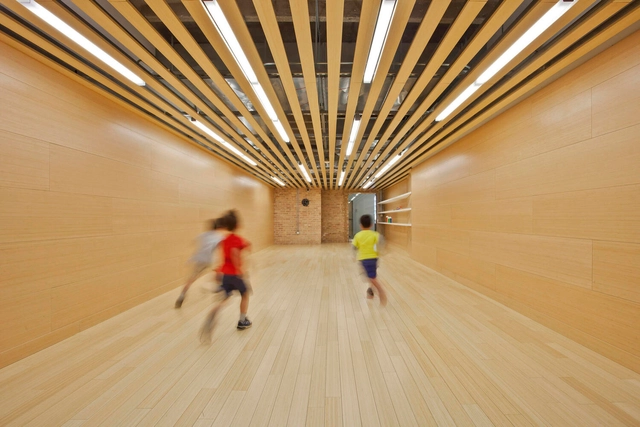
If you find yourself baffled by the confusing world of baffle paneling, don’t be concerned. That’s what they’re there for. The purpose of baffles of any kind – and where they take their name – is to confuse matter. In other industries, baffles are used to direct water flow, to control airflow and heat exchange, and to stop traffic from traveling too quickly.
When used in the scientific world of acoustics, baffles are positioned to disrupt sound waves by projecting out into our busiest environments, to catch, absorb and soften the sound, either in naturally noisy or specifically quiet areas or to selectively filter sounds from making a return journey. That doesn’t mean, however, that the slatted sight of regimental baffles can’t give an aesthetic advantage to interiors, providing often much-needed visual activity to an otherwise bare ceiling.
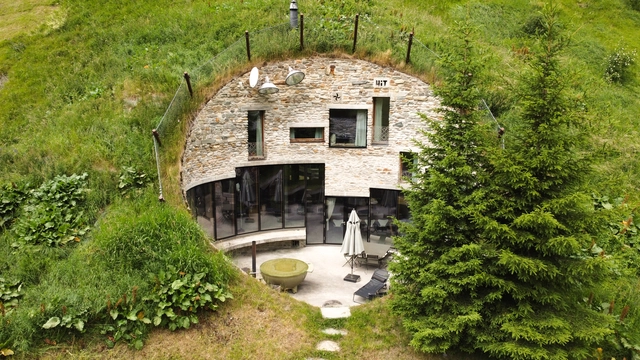
The rustic village of Vals in the Swiss Alps is one of the country’s most picturesque areas, located at an altitude of 1250 meters above sea level with numerous exceptional projects. The main square is surrounded by original Vals houses roofed with stone tiles made of Vals quartzite. Throughout the years, the village maintained its authentic residential and rural typology, making sure that its agriculture and rural fabric remained intact. Perhaps the most powerful natural resource of the Vals Valley, one that has nurtured its landscape and wilderness, is the water. For millions of years, ice and rain have forged the deeply-cut topography, and provided the village with a 30-degree thermal source, the only one in the Grisons Canton which springs straight from the ground.
One of the most notable architectures in Vals is The Thermal Spa designed by 2009 Pritzker LaureatePeter Zumthor. The secluded structure is built with local quartzite, a stone that blends the elements of water and stone to create “the perfect wellness experience”. Another iconic architecture tucked within the mountains of Vals takes advantage of the local material, structural typology, and topography, a project that leaves the original landscape intact and subtly intervenes to create a one-of-a-kind award-winning vacation home; The Villa Vals.
Interior design is the art of transforming the experience of interior space by manipulating spatial volume and treating surfaces to enhance the inside of a home, apartment, building, or restaurant. Closely related is landscape architecture, which focuses on shaping open, outdoor spaces.
From the grid plans of ancient Greek cities to the Renaissance's idealized urban layouts, the history of urban planning is a reflection of evolving power structures and societal priorities. Across the world, many African and Asian cities simultaneously existed without clear visual manifestation. the organizational structure being deeply embedded in cultural needs and social relations. Urban development is marked by a dichotomy - the contrast between top-down planning strategies led by influential entities and governing bodies, and the bottom-up initiatives driven by local communities. This interplay shapes cities, influencing aspects from infrastructure and public spaces to housing models and urban character. Delving into the differences between these strategies is essential to crafting a harmonious urban landscape that caters to the needs of its residents.
Sketching has always been an essential part of the architect’s creative process. Case in point, architect I.M. Pei drafted his preliminary design for the East Wing of the National Gallery of Art on a cocktail napkin.
Modern architectural sketches combine design intent with data and constraints. The sketch grows in resolution as layers of information are added by different stakeholders. Architects today use both tactile and digital tools for sketching. The conundrum has been to choose either the flexibility offered by freeform modelers or the data-richness offered by BIM tools.
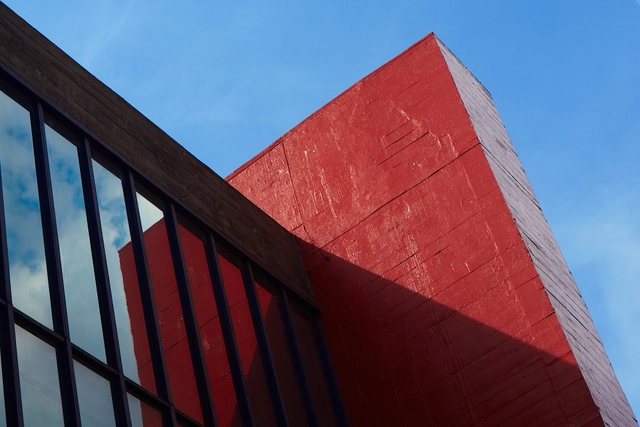
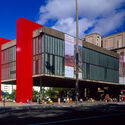
Among the many marks left by architect Lina Bo Bardi in Brazilian architecture is the use of red as a highlight in her works. Whether bringing lightness and vividness to the hardness of São Paulo's concrete at Sesc Pompeia or warming the whiteness of Solar do Unhão in Bahia, red transcended mere visual and aesthetic status to become a distinctive characteristic of the Italo-Brazilian architect, weaving connections between many of her works.
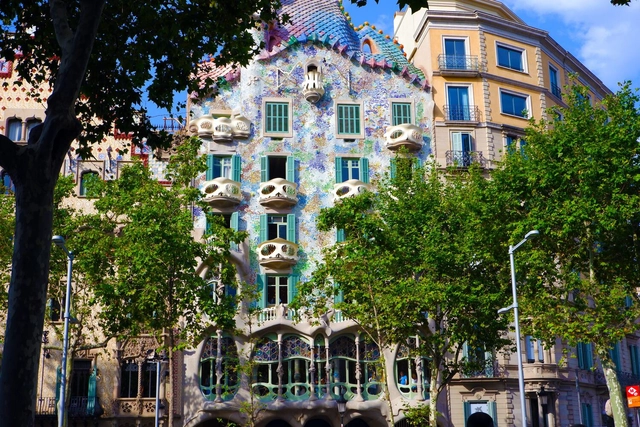
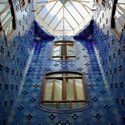
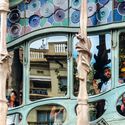
Casa Batlló, located on the iconic Passeig de Gràcia in Barcelona, Spain, is an architectural masterpiece that embodies a synthesis of creativity, innovation, and architect Antoni Gaudí's deep connection with nature. Built between 1904 and 1906, this residence is a major tourist attraction in the city and an important contribution to architectural history. Here, we analyze Casa Batlló through concepts central to the field of neuroarchitecture.










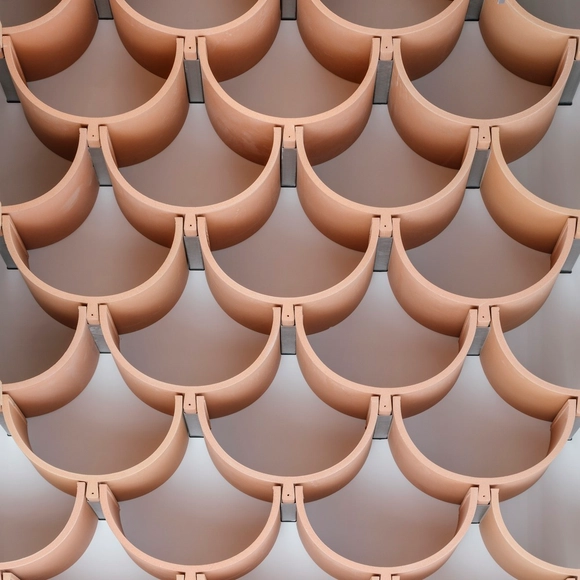


.jpg?1558730231 "Green Cast / Kengo Kuma & Associates. Image Courtesy of Kengo Kuma and Associates")