Throughout Brazil and across different sectors of society, organized groups are collaborating to develop projects and initiatives aimed at improving the quality of urban life and transforming cities into more democratic spaces, reinforcing collective identity and a sense of belonging. The 4th Project Exhibition, an event taking place during the 4th COURB - Collaborative Urbanism Meeting, aims to celebrate and bring visibility to these groups. It focuses on themes such as Public Policy and Legislation, Communication and Information, Education and Culture, Physical Intervention in the Territory, Mobilization and Advocacy, Research, Projects, and Plans.
https://www.archdaily.com/1122704/21-collaborative-urbanism-projects-from-all-regions-of-brazilCOURB Brasil
What happens when the sensor-imbued city acquires the ability to see – almost as if it had eyes? Ahead of the 2019 Shenzhen Biennale of Urbanism\Architecture (UABB), titled "Urban Interactions," ArchDaily is working with the curators of the "Eyes of the City" section at the Biennial to stimulate a discussion on how new technologies – and Artificial Intelligence in particular – might impact architecture and urban life. Hereyou can read the “Eyes of the City” curatorial statement by Carlo Ratti, the Politecnico di Torino and SCUT.
Thanks to the development of the digital world, cities can be part of natural history. This is our great challenge for the next few decades.
The digital revolution should allow us to promote an advanced, ecological and human world. Being digital was never the goal–it was a means to reinvent the world. But what kind of world?
The Architecture Academy podcast is a new architecture and design podcast which has a focus on ideas and education. The team believes that through education and better conversations they can improve how people design their buildings and cities. The Architecture Academy has just completed their first series of podcasts with conversations with world experts on topics such as beauty, happiness, education, sustainability, vernacular architecture and housing.
As a result of programmatic uncertainty, the diversity of individual lifestyles, and the impossibility of planning future ways of living, our architectural spaces have begun to call their own boundaries into question. The inability to confine contemporary activities to specific rooms, combined with new demands for adaptability and constant mutation in *micro-spaces*, has led to various architectural strategies in pursuit of flexible living.
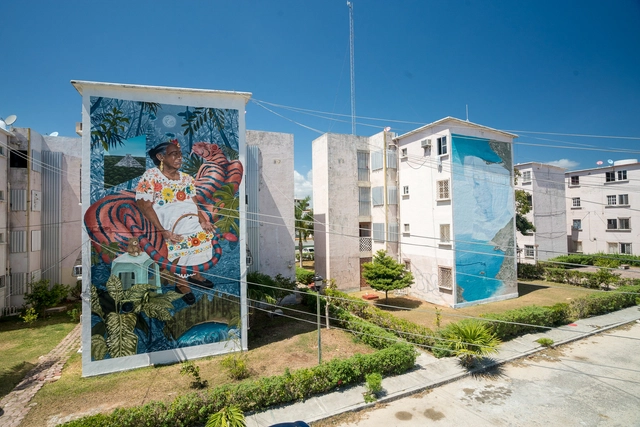
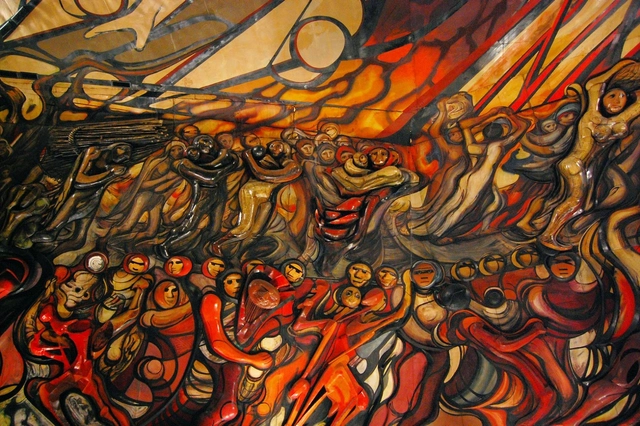
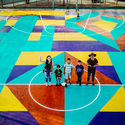
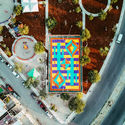
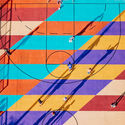
Proyecto Panorama is a civil association made up of a diverse group of young people from Cancún, who have been actively working for more than two years on public space interventions in Quintana Roo through urban art. These interventions have proven to generate a positive impact on the residents' environment, strengthening the sense of identity and belonging in one of the country's most important developing regions. Since its founding in 2016, and thanks to collaborations with renowned national and international artists, Proyecto Panorama has intervened in more than 30 public spaces, as well as an elementary school in Cancún and another in the Riviera Maya, resulting in 116 murals.
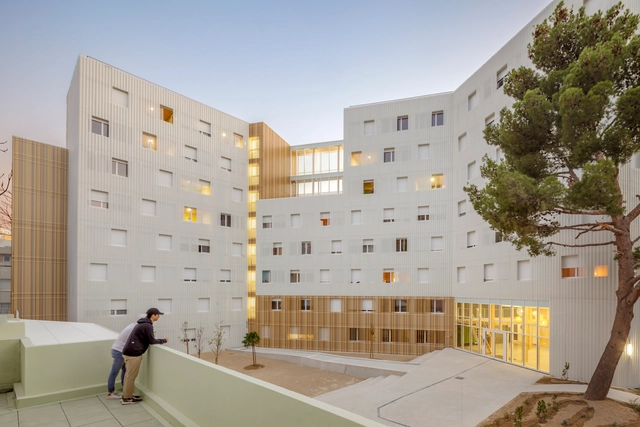
An alternative for students who choose to study away from their hometowns, student housing acts as an extension of educational institutions. Emerging almost concurrently with the first universities, these spaces have evolved over the years to adapt to societal shifts, such as the rise of co-ed dormitories.
In May of this year, *The Guardian* recommended in its style guide that journalists and contributors heighten their language when discussing climate change or global warming. Now, the British newspaper announced, it is a climate crisis, emergency, or climate breakdown.
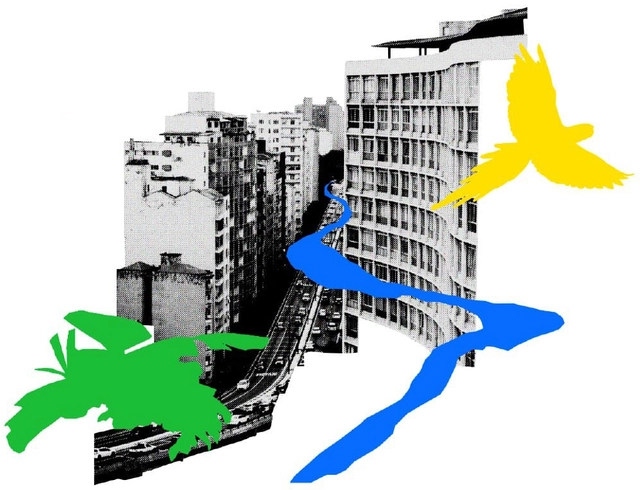
https://www.archdaily.com/1122551/climate-crisis-and-the-right-to-the-cityTama Savaget e Henrique Frota
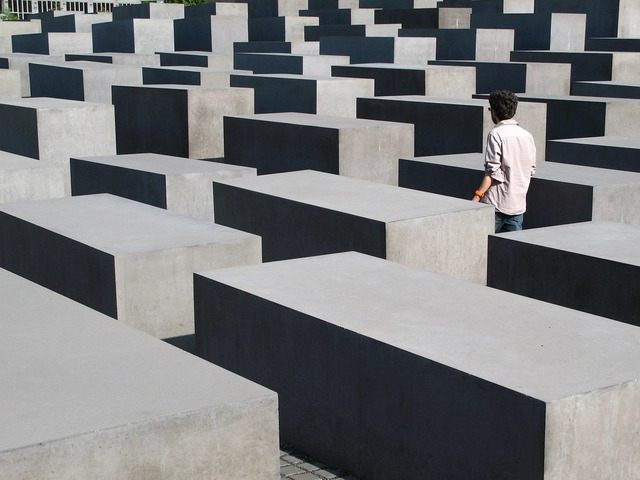
Memorial to the Murdered Jews of Europe. Photo: paula soler-moya, via Flickr. License CC BY-NC-ND 2.0
The steady escalation of complexity attributed to architecture and other fields of art over the past century—driven by a long process of disciplinary redefinition since the Modern era, coupled with an effervescence of experimentation and hybridization—has fostered the creation of innovative solutions designed for the human environment, while simultaneously giving rise to new challenges of categorization.
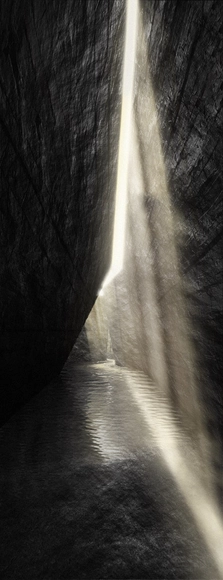
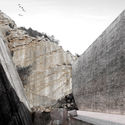
ArkxSite has announced the winners of its international architecture ideas competition.The competition has invited all architecture students and young architects to develop innovative ideas for the design of a Site Mausoleum located in the Jaspe Quarry, ‘Serra da Arrábida’, Portugal. The site is of great natural power as the remains of an old quarry are carved into its landscape, along with massive cliffs that drop dramatically into the Atlantic Ocean.
The competition committee wanted participants to develop an intervention that emphasizes, respects, and celebrates the site, all while providing visitors with a unique experience of movement between enclosed and open spaces.
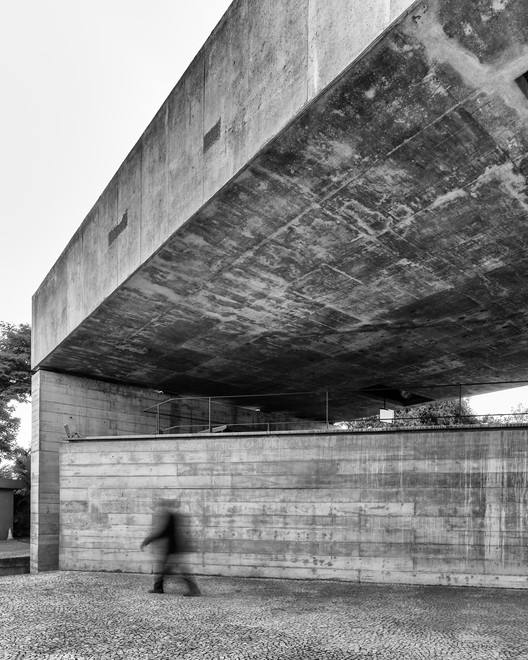
Designed by 2006 Pritzker Prize-winning architect Paulo Mendes da Rocha, the Brazilian Museum of Sculpture and Ecology (MuBE), completed in 1995 in São Paulo's Jardim Europa neighborhood, is one of the most emblematic works of contemporary architecture in São Paulo.
The edícula, also known in some regions of Brazil as a meia-água, é a small outbuilding usually constructed at the back of residential lots to provide an extra bedroom within the domestic program. Generally speaking, this space typically includes—with some variations—a bathroom, service quarters, and occasionally, integrated space at the end of a garage, in addition to the bedroom.
Housing for the low-income urban population is a central concern for contemporary Brazilian policymakers and urbanists. Over the last few decades, by focusing on building social housing complexes in peripheral areas lacking transit and sanitation infrastructure, the state has actively contributed to worsening the problem.
https://www.archdaily.com/1121851/criminalized-in-brazil-the-downtown-homeless-movement-is-featured-at-the-chicago-biennialMarisa Moreira Salles e Tomas Alvim
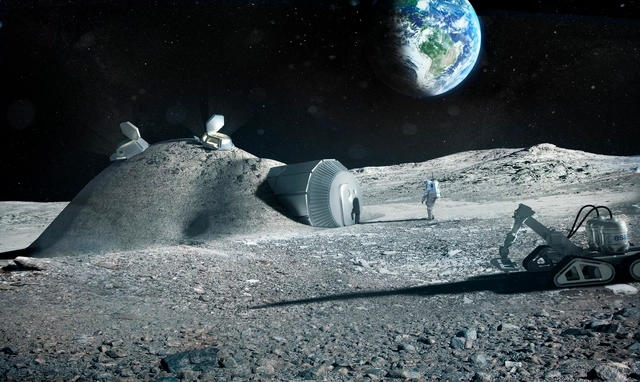
July 20, 2019, marked the 50th anniversary of the Apollo 11 moon landing. On July 16, 1969, Apollo 11 departed Earth, touching down on the lunar surface four days later. This historic milestone continues to prompt reflection on how technological advancements are making life on other worlds increasingly viable.
Aided by the evolution of 3D printing and fully automated construction technologies, we have compiled 15 architectural projects that demonstrate how life on the Moon and other celestial bodies is no longer a distant fantasy.
Street market pastel in São Paulo. Photo: Anthony Ling
Anyone who has ever been to the beaches of Rio de Janeiro has certainly seen vendors selling grilled *queijo coalho* (curd cheese) or grilled shrimp, sweet mate tea, and Globo biscuits—classic snacks of the Rio shoreline. In São Paulo, open-air markets serve sugarcane juice and fried *pastel*, a local adaptation of a dish originally brought by Chinese immigrants and popularized by Japanese immigrants. In Minas Gerais, there is *pão de queijo* (cheese bread) and pastel, also filled with cheese. In Salvador, it is impossible not to mention *acarajé* (with or without hot sauce), which has been declared an intangible cultural heritage asset by IPHAN. The capital of Bahia even has its own Street Food Guide, reflecting the immense culinary diversity found in the city.
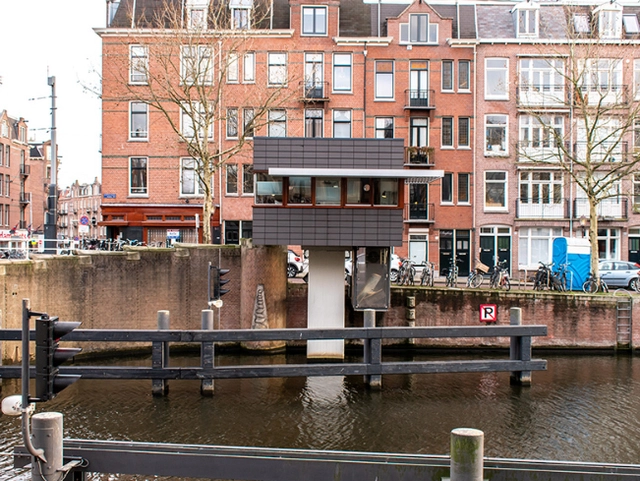
The city of Amsterdam is popular for its compelling architecture, interlaced water canals, bridges, and docks. However, alongside these water canals lay old guard cabins that have been left to defunct. A restoration project by Dutch architecture firm space&matter promises to bring together the historic city's tourists and water canals through a unique architecture project.
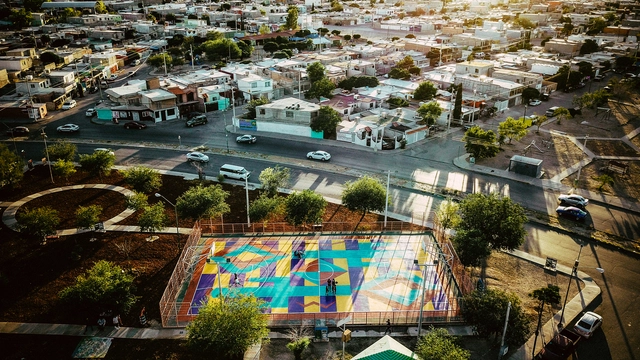
In 2014, a group of friends from Ciudad Juárez, Chihuahua, eager to contribute to their city's resilience and recovery, came together to discuss and pitch ideas for reclaiming streets, squares, and parks through sociocultural projects and urban interventions in public spaces. This gave rise to Nómada Laboratorio Urbano. Ciudad Juárez is an industrial city located on the northern border with the United States, directly adjacent to El Paso, Texas. Over the years, Juárez's economy has been dominated by the "maquiladora" manufacturing industry, and the city was once considered one of the most violent in the world due to a wave of crime between 2008 and 2012.
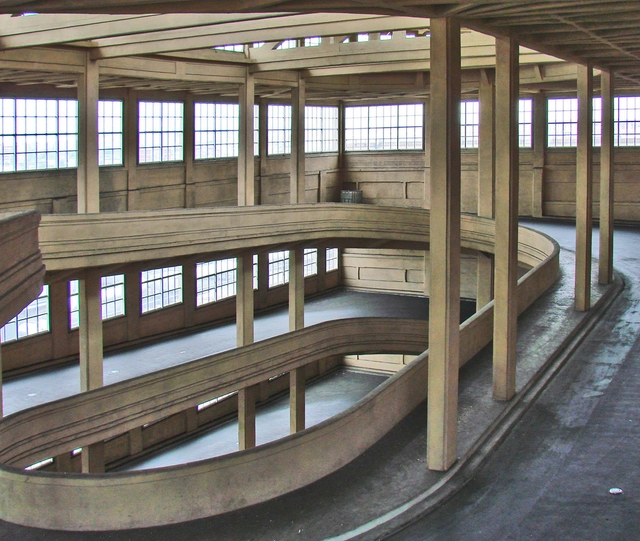
Ramps leading to the roof. Photo: Jean-Pierre Dalbéra, via Flickr; Creative Commons license
The design for the Fiat factory in the Lingotto district of Turin, Italy, was developed by engineer Giacomo Mattè-Trucco in 1915. Construction began the following year and was carried out in stages until its completion in 1923. Inspired by Fordism, a manufacturing model that emerged in the United States in the 1910s, the factory was designed with an upward-moving assembly line. Upon reaching the roof, the completed cars were ready to be tested on a track approximately 1 km long.

.jpg?1569016185&format=webp&width=640&height=580)
.jpg?1568660571&format=webp&width=640&height=580)