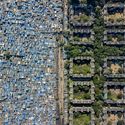
Florence, Italy. Photo by Jonathan Körner via Unsplash
Just over four months after the first confirmed case of coronavirus in Brazil, and about three and a half months after the initial quarantine decrees, many cities still maintain restrictive measures to promote social isolation. Despite the recent easing of restrictions adopted by some states and municipalities, disruptions to the daily routines of architects and students persist, and the popularity of remote activities, such as online courses, has grown over the past few months.
While many architecture firms face reduced demand and stalled construction sites, students have seen their classes suspended or moved online. With more free time—whether due to shorter commutes or reduced workloads—students and architects have turned to online courses to sharpen or expand their skills in tools, software, and theoretical concepts.
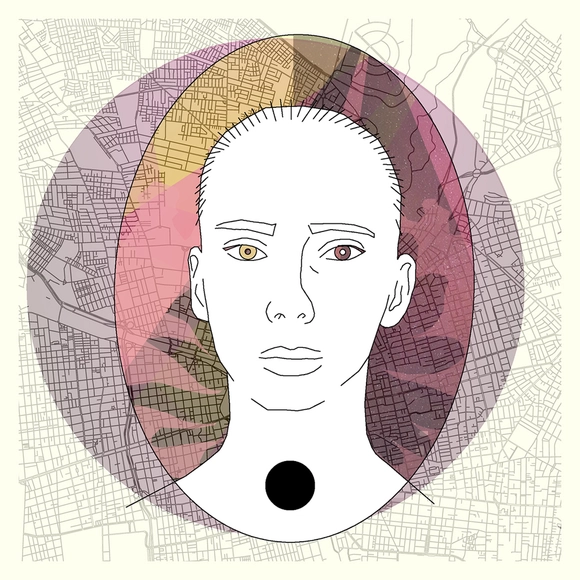
Originally published as "Caminando hacia la descolonización urbano-arquitectónica" in the third edition of Revista CLEA—an annual publication of the Coordinadora Latinoamericana de Estudiantes de Arquitectura (CLEA)—this article presents an introduction to the decolonization of spaces as a political, social, and methodological critique of the territorial, urban, and architectural praxis that has become established in our cities.
There’s a new kid on the block making noise in Brooklyn’s thriving Bushwick neighborhood. At 7-stories tall, 500 units, and occupying 489,000 square feet of real estate, The Rheingold is one of the most expansive multi-family developments in Brooklyn to date.
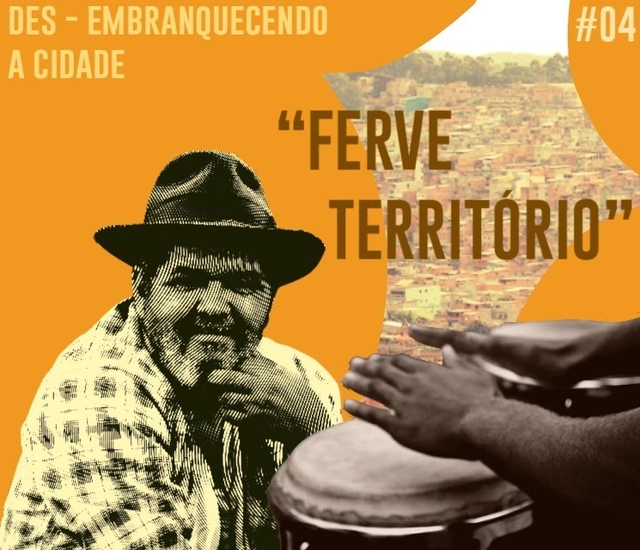
The Terra Preta Cidade collective is a space created from the desire of five Black women living in Salvador, São Paulo, Rio de Janeiro, and Belo Horizonte to bypass geographical distance in order to promote and celebrate coming together. Emmily Leandro, Gabriela Gaia, Luciana Mayrink, Malu de Barros, and Natalia Alves give shape and voice to this exercise of creating a shared virtual territory—which is as much a political statement as an aesthetic one—through the podcast Des-embranquecendo a Cidade, which reaches its fourth episode with the theme: "Boiling Territory — Permanent Steadfastness."
https://www.archdaily.com/1123679/de-whitening-the-city-number-4-territory-boils-permanent-steadfastnessTerra Preta Cidade
The state of New Mexico is located in the western region of the United States, bordering Colorado, Oklahoma, and Texas (in the US) and Chihuahua (in Mexico). It has the highest percentage of Spanish-speaking population in the United States. As part of Aridoamerica, its landscape is predominantly shaped by cacti and desert species.
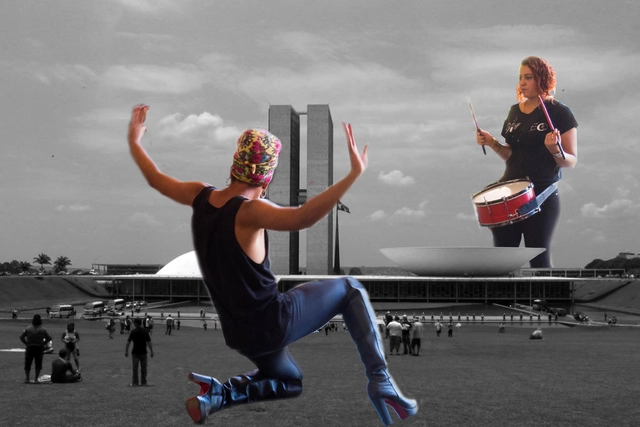
Collage made with photos of Matias Romero and Raquel Aviani/Secom UnB. (licensed under the Creative Commons Attribution-Share Alike 2.0 Generic license and Creative Commons Attribution 2.0 Generic license) via Wikimedia Commons
What would all the built environments be without its users? This question may make it easier to understand that not only do architecture and urbanism sustain themselves as physical spaces, but they also gain meaning mainly through the human and non-human movements and bonds, that - together with the architectural or spontaneous traces that make up the urban landscape - provoke the sensations that each individual feels in a unique way.
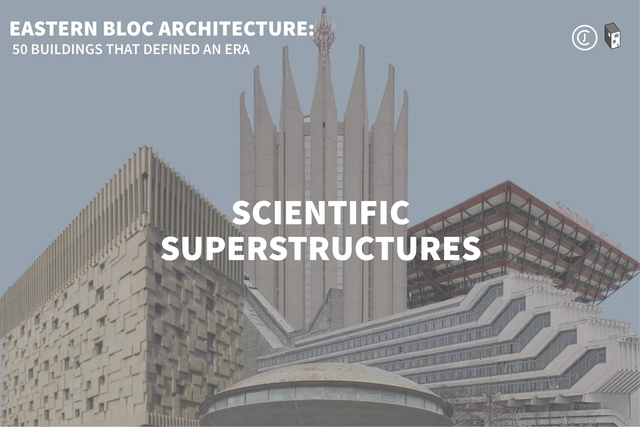
This article is part of "Eastern Bloc Architecture: 50 Buildings that Defined an Era", a collaborative series by The Calvert Journal and ArchDaily highlighting iconic architecture that had shaped the Eastern world. Every week both publications will be releasing a listing rounding up five Eastern Bloc projects of certain typology. Read on for your weekly dose: Scientific Superstructures.
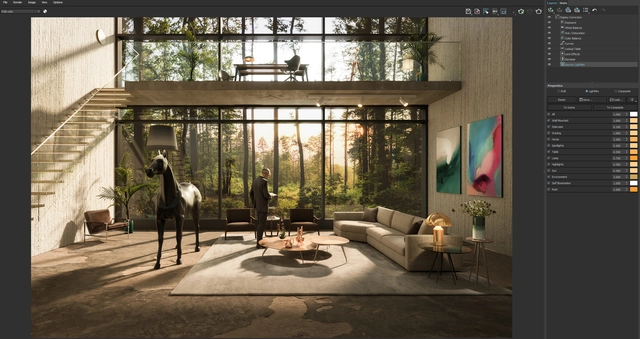
Using the new Light Mix in V-Ray 5, artists and designers can visualize ideas even faster and more effectively. Now, from just one single render, you have the power to create as many images as you can imagine, at a speed that simply wasn’t possible with earlier versions.
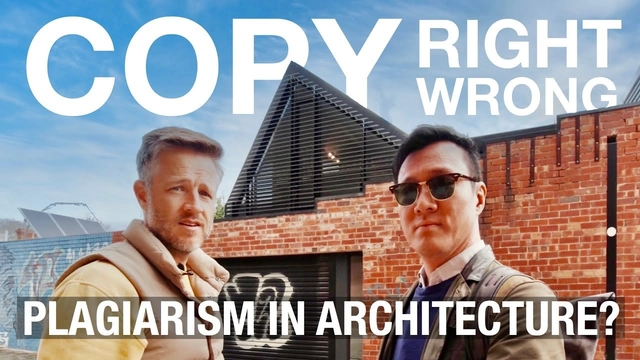
There’s always an ongoing debate on whether some designs are stolen or “modified” to become original. Most people assume that if we post pictures of our designs online, we would be giving away our work and other designers and architects will eventually steal them. But should we really hide our designs from the public? Are plans and sections so sacred and innovative to the extent that architects are applying copyrights to them?
Kevin Hui and Andrew Maynard of Youtube’s Archimarathon chat about copying designs, how students and architects can learn from existing designs, and whether plagiarism exists in the field of architecture.
La serie titulada Agua, minería y éxodo forma parte de una investigación visual llevada adelante por el fotógrafo Marcos Zegers que explora las tensiones culturales y las alteraciones territoriales derivadas de las actividades mineras y extractivas en el desierto de Atacama.
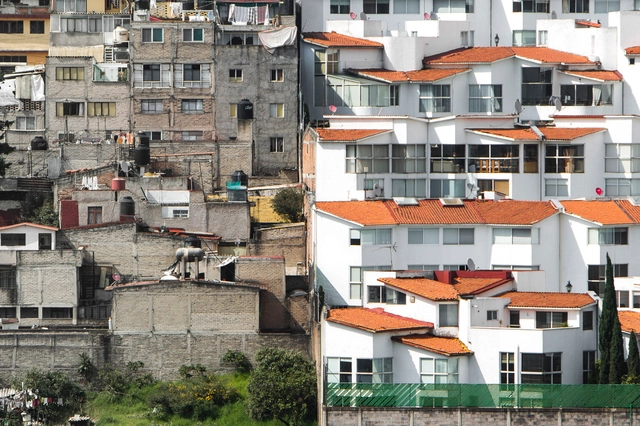
On June 17, Mexico's Supreme Court of Justice of the Nation (SCJN) issued a landmark ruling ordering the National Institute of Statistics and Geography (INEGI) to generate disaggregated statistical data on populations in informal or precarious settlements across the country. This resolution brings to the forefront the discussion on the role that judges can and should play when making decisions that directly impact urban planning, land management, our cities, and our housing.
There's a lot of discussion surrounding Casa Orozco as to who the real creator is —Luis Barragán or José Clemente Orozco. And even though we know that one of them was responsible for the architecture, the answer still remains unclear. Orozco returned to Mexico in 1934, by invitation from the Mexico City government, after a seven year stint in New York. Once he arrived, he was commissioned to paint a mural inside the Palacio de Bellas Artes. Afterwards, he received commissions from the Jalisco Government to paint a series of murals for three public buildings in Guadalajara.
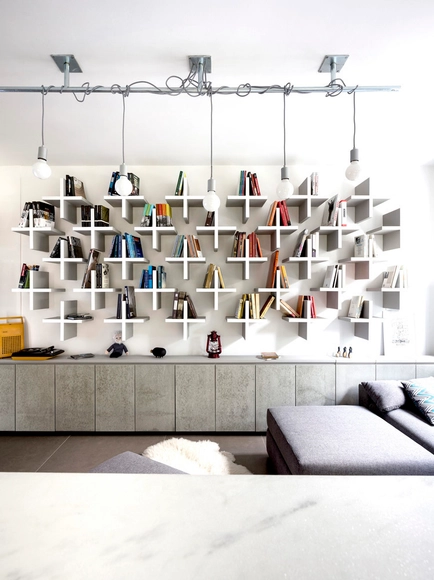
Sharing your shelf is, in a way, sharing yourself. Every element —from the titles you choose to the way you organize them— says something about your personality and your interests.
https://www.archdaily.com/897991/home-library-architecture-smart-and-creative-bookcase-designsArchDaily Team
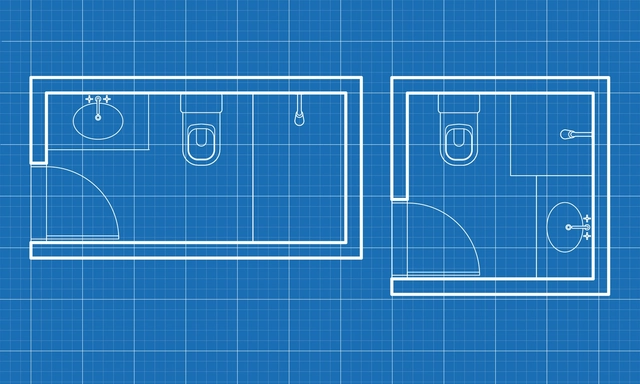
Having access to a bathroom is, above all, a factor of dignity. As basic as this fact may seem, the WHO (World Health Organization) estimates that 2 billion people worldwide do not have access to basic sanitation facilities, such as bathrooms or latrines. Such inadequate sanitation causes 432,000 deaths annually, mainly from diarrhea, in addition to being an aggravating factor for several neglected tropical diseases including intestinal worms, schistosomiasis, and trachoma. In 2010, the UN (United Nations) labeled sanitation a basic right, alongside access to drinking water.
Projects for public buildings and infrastructure must always ensure the best possible forms of access and connection with the surrounding streets, particularly regarding access routes for pedestrians. However, some architects have managed to overcome the pragmatic aspect of this connection between architecture and the streets, when designing projects that have a strong duty to provide public space, by using this bond as the core of the design concept.
With most of the world living in cities and growing villages, people tend to spend the majority of their time indoors. When not at home, we are working, learning, or even engaging in fun activities in enclosed, built settings. All in all, 90% of our time is occupied inside. It is therefore essential to ensure a comfortable, productive, and healthy indoor environmental quality by following well-regulated parameters and design practices that consider temperature, lighting, noise pollution, proper ventilation, and the quality of the air we breathe. The latter is especially important, since contrary to what we might think, air pollution is much higher indoors than outdoor.
Architects don’t make buildings. Architects make drawings of buildings. But of course, someone has to make the building. The construction industry is one of the largest economic sectors and we all interact with the built environment on a daily basis, but the actual work of getting a building from drawing to structure has barely evolved over the decades. While the rest of the world has moved into Industry 4.0, the construction sector has not kept pace. Architecture has begun to embrace some digitalization. After all, not many of us work with mylar on drafting tables anymore. So with the architecture industry’s everlasting link to the construction industry, will the latter pick up some new technological tricks by association? And when it does, how will that change the role of the architect?
Feeling free and safe in the city. How many times have we felt fully free when walking through our neighbourhood, when returning home, when sitting in the park? Some urban spaces give us more autonomy than others. Some areas seem more comfortable and calm. But, to keep that calm, to what extent do we express ourselves and to what extent do we hold back? What safeguards do we take to feel as good as possible when inhabiting our environment?
https://www.archdaily.com/942508/cities-should-allow-people-to-shineMaría Gonzalez & José Tomás Franco




_-_Art_Gray.jpg?1593480840 "Central New Mexico Community College Westside 1 Building / Gould Evans + Design Plus. Image © Art Gray")

.jpg?1593480863 "Abiquiu House / Anderson Anderson Architecture. Image Cortesía de Anderson Anderson Architecture")






.jpg?1593472562 "Housing improvement programs in the Maya zone. Motul. Image © Onnis Luque")
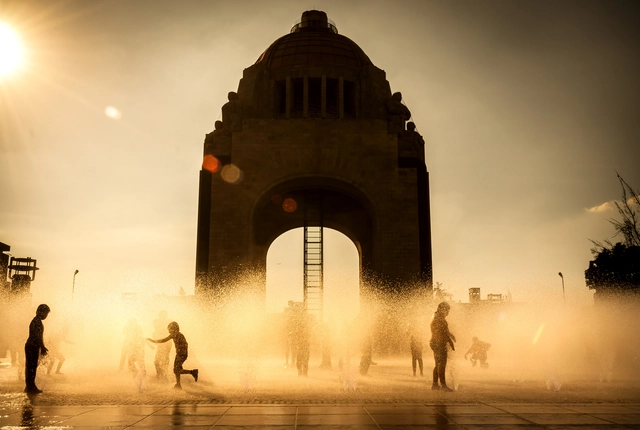
.jpg?1593472682 "Soy de Azteca: peripheral aesthetics in Mexico. Image © Zaickz Moz")

.jpg?1586369679&format=webp&width=640&height=580)
.jpg?1586369691 "© Lorena Darquea")
.jpg?1586369882 "© Lorena Darquea")
.jpg?1586369853 "© Lorena Darquea")
.jpg?1586369679)
Ai_Qing_Courtesy_of_KPF.jpg?1592356426&format=webp&width=640&height=580)