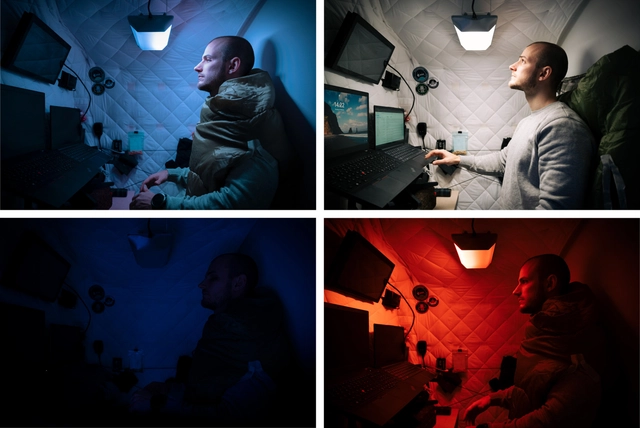
Since Yuri Gagarin's iconic pioneering flight in 1961, only 565 human beings have had the privilege of traveling into space. This extreme venture requires a high degree of devotion, extraordinary physical and intellectual preparation, and huge investments. Space exploration has the potential to benefit humanity in many ways, especially regarding the development of new technologies and the generation of scientific knowledge. Many of these technologies are already available to the public, such as GPS, water filters, or highly resistant fabrics. But while we often imagine astronauts floating in space and observing the Earth from a unique vantage point, many of them face the difficulty of sleeping and resting in space due to the lack of natural light. It is this issue that motivated a group of young Danish architects to develop a solution to improve the daily lives of astronauts in space, but also of many people on planet Earth who suffer from the same problem.
Fueled by pressing issues such as the climate crisis, population density and rapid urbanization, the built environment has become increasingly complex. Architecture and design professionals are faced with a challenging, yet fundamental task: to translate society’s ever-evolving needs into tangible and future-oriented solutions. In pursuit of this goal, they must embrace the countless tools, materials and technologies emerging every day in the construction field –from AI to virtual reality software and smart home systems. After all, to remain at the forefront in an industry where change is the norm, the ability to adapt and evolve is crucial for success.
Guatemala is a country located in Central America that is organized into 22 departments, its capital and most populated city is Guatemala City. Mexico forms the geographic borders that contain this territory to the north and west, Belize and Honduras to the east, and El Salvador to the south. In addition, it faces the Pacific Ocean and the Gulf of Honduras. It is located in Mesoamerica, home to the Mayan culture, which extended to what we know today as Mexican territory. It is for this reason and for some other reasons related to migration issues that these two countries share similar traits in terms of climate and culture, which is highly enriching when we explore the development of the territory.
Another year, another successful ArchDaily China Building of the Year Awards! With more than 80,000 votes gathered over the past week, the results of the 2023 edition are in! Once more, the award has proved to be the largest architecture prize centered around people’s opinion. Crowdsourced, the most relevant projects of the year were nominated and selected by our readers.
Branding for architects isn’t just about having a beautifully designed logo. In fact, when it comes to promoting your architecture firm, a distinctive brand is fundamental to communicating what makes your firm unique and different.
In our experience at Archmark branding and rebranding architecture firms, construction companies, and home service providers over the past ten years, we have developed a strategic process that makes branding easier than expected and reveals surprising results. In this article, we share the same steps we take with our clients so you apply them to your own branding efforts.
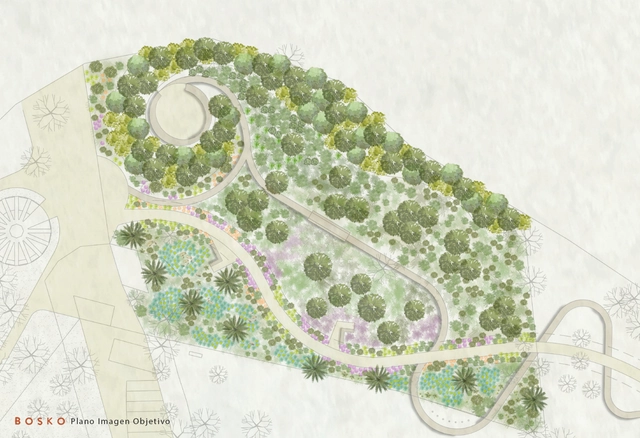
Jardín Nativo Adriana Hoffmann, Museo Interactivo Mirador (MIM) en Santiago de Chile. Image Cortesía de Bosko
During the 19th century, efforts to improve the quality of urban life focused on creating gardens and parks, marking the beginning of the evolution of landscaping as a modern discipline. However, despite remarkable examples worldwide, excessive structure and artificiality in urban parks have gone against the motivations that gave rise to them. In many cases, their design has resulted in decontextualized and inefficient public spaces that are highly demanding on resources and far from being truly sustainable.
The strict use of geometry and the imposition of species that are difficult to adapt and care for are gradually giving way to a more organic approach to landscaping, tailored to local ecosystems and more efficient in its development and conservation. Native forests embody all these positive aspects. They not only ecologically restore degraded areas but also improve air quality and retain rainwater, creating biodiverse green spaces that deeply connect people with nature. We spoke with Magdalena Valdés, founder and director of Bosko, who explains why native forests are the right path towards conscious and truly ecological landscaping.
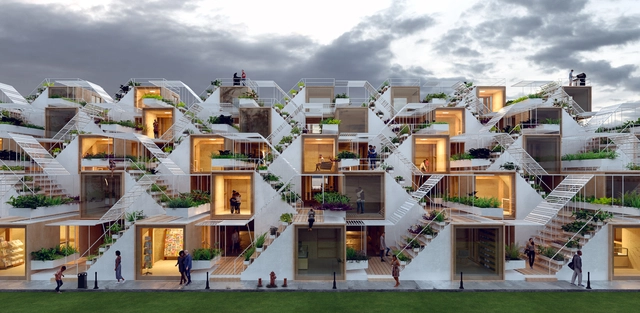
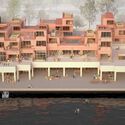
Image by Martin Pretorius and Raphael Trischler. Buildner San Francisco Affordable Housing Challenge. Image Courtesy of Buildner
To live in a world surrounded by the constant rise of new challenges calls for adaptability, resilience and continuous learning. As a response, design competitions encourage architects to think outside the box to create innovative solutions. Both for theoretical and practical projects, these competitions provide a collaborative platform to promote innovation and creativity to solve contemporary challenges. Such is the case of Buildner, which develops a space for showcasing open architecture competitions to discover new architectural possibilities.
A tool for driving progress by fostering groundbreaking ideas that promote the discussion of critical topics such as affordable housing, sustainability and small-scale architecture, Buildner architecture competitions are key for addressing global challenges. These competitions aim to inspire the next generation of designers to challenge the status quo.
No matter how long, how far, or how restful a trip away is, one of the most relaxing moments of any vacation is when you get home. When every muscle in the body relaxes as you collapse into your own chair, greeted by the comforting features of a home you didn’t previously realize you missed.
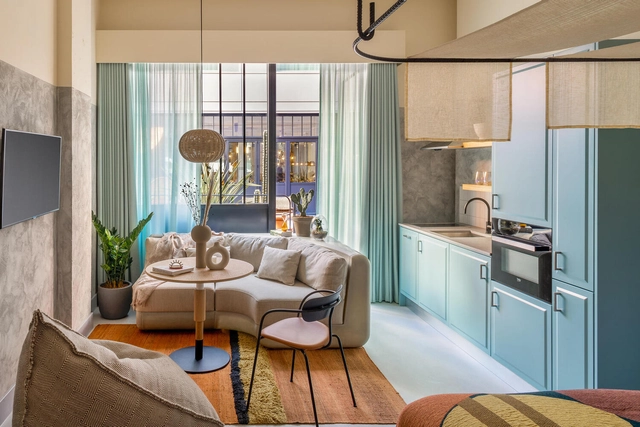
After the rise of Airbnb and other likeminded travel accommodation sites and services, providing real homes –or at least characterful spaces dressed up as them– to travelers searching for more familial home comforts, hoteliers, designers, and architects are taking note, and implementing features that turn the hotel room into a home away from home.
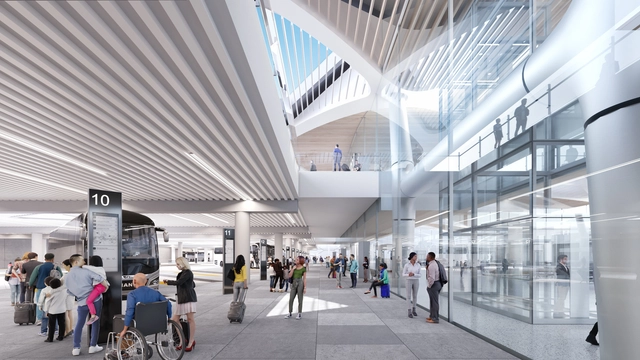
Union Station Expansion Design. Image Courtesy of Grimshaw
Cities that rely on the use of private cars experience a variety of problems- long commutes to and from work, endless traffic jams, and an increase in pollution. While it seems like cars are the most reliable option to take us from place to place, city planners are frequently promoting the benefits of public transit, and the development of communities that are centered around many forms of public transportation. Many cities are growing faster than they were initially planned. As a result, roadways have expanded, land is being transformed into massive parking lots, and connections between communities are growing farther apart.
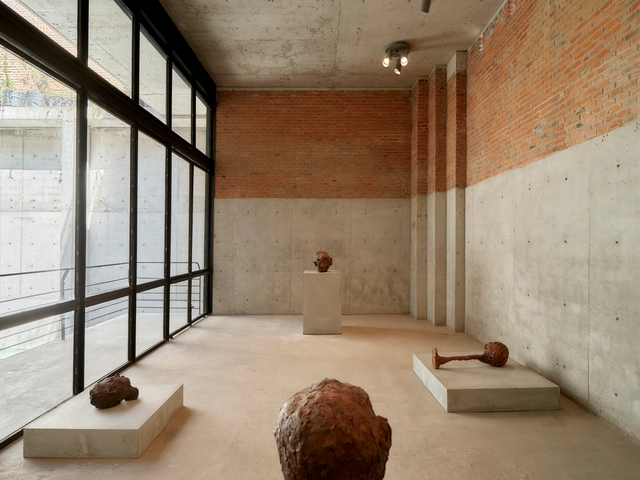
The artistic practice of Bosco Sodi has opened a new space in Mexico City that houses Sodi's new studio while serving as an extension of the Fundación Casa Wabi. This venue, named Sabino 336, was first unveiled during Art Week 2023, coinciding with Sodi's exhibition "Alabanzas" at the Galería Hilario Galguera. Curated by Dakin Hart, the exhibition showcased works from the artist's personal collection.
Dramatic societal transformations- such as pandemics and technological advancements - call for dramatic shifts in lifestyles. Architects keep up by exploring and proposing new models of housing, each iteration catering to society’s latest needs. The co-living model is one such example that has become a roaring success over the past few decades. Redefining the way people live, co-living seeks to provide a form of cost-effective social housing. Although widely targeted at younger generations, the co-living industryis evolving to cater to various niche groups.
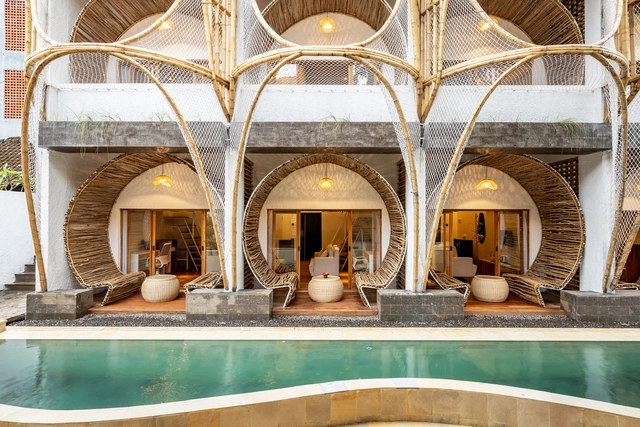
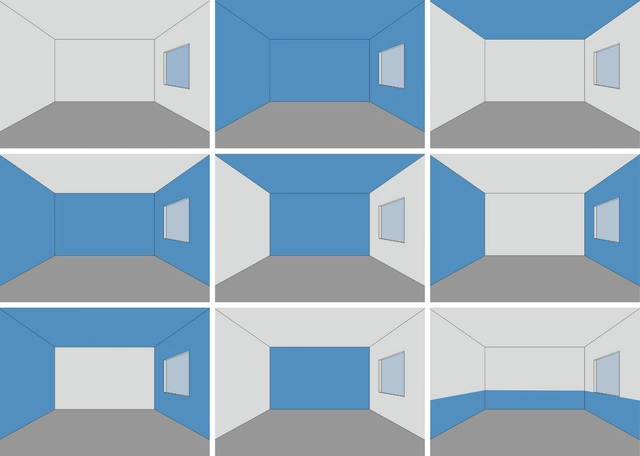
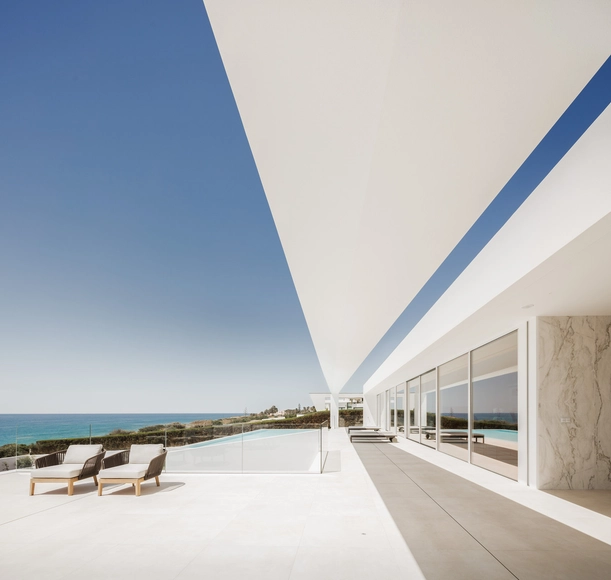
Humanity spends more and more time inside, whether at work or at home - with studies showing that we now spend 87% of our lives indoors. Pleasant environments positively influence the mood and well-being of its occupants, just as poorly lit, uncomfortable places can make lives miserable. That is why the craft of interior design is so important, even if it is often considered minor by some professionals. When designing an interior, the architect has the power to alter important variables, be it artificial lighting, natural light, proportions, or materials - with all such elements influencing the experience that occupants will have in a space.
With a coastline of 832 kilometers facing the Atlantic Ocean, Portugal has a long and deep relationship with the sea, which was for many centuries considered the country's main means of communication with the rest of the world. Today, the Portuguese coast attracts millions of tourists every year from across Europe and around the world, who arrive in search of warm weather and beautiful seaside scenery. The main destinations are the southern beaches which are warmer than in the North however, the number of tourists has increased throughout the entire country over the past decade.
Located 108 kilometers to the south of Tel Aviv, Beersheba (Be'er Sheva) is one of Israel's oldest cities. Although in existence since biblical times, military campaigns and occupations have seen it destroyed and rebuilt throughout the centuries, resulting in the juxtaposition of various time periods and cultures that can be seen throughout the city. One of Beersheba's principal transformations happened during the population boom of the 1950s sparked by the formation of the State of Israel in 1948. To keep up with the need for housing, the government rebuilt and expanded the city, which soon transformed from a small military outpost of 4,000 people to a vibrant urban center in the middle of the Negev Desert.
To calculate the amount of CO2 emitted by each country, the traditional method considers emissions from each sector of a nation's economy using a “bottom-up” approach, relying on data collected on the ground. However, a new approach to answering this question utilizes satellite data from NASA.
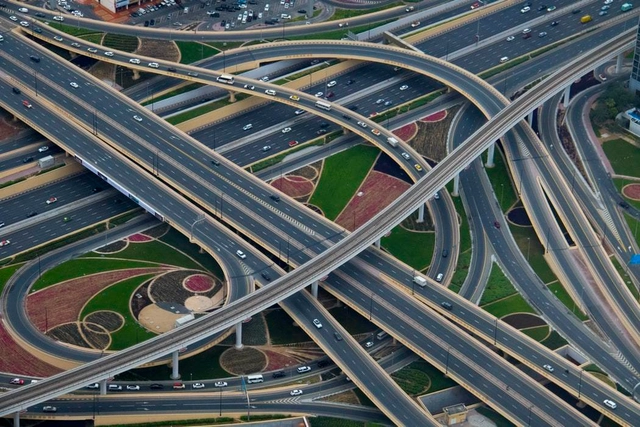
Countries around the world have urban, suburban, and rural problems- and it’s all connected by the problem itself. There are too many highway systems. In some cities that are notoriously known for their traffic jams, like Los Angeles, Minneapolis, and Atlanta, there are almost five miles of road per every 1000 residents. This has also impacted how some forms of public transit, like rail cars and busses, operate, significantly reducing their efficiency. So why do we build these superhighways, and how can we fix their congestion?
When you come to think of it, most of the food on your plate has a history behind it - a long journey that we are unable to describe. In her book Food Routes: Growing Bananas in Iceland and Other Tales from the Logistics of Eating (2019), Robyn Shotwell Metcalfe refers to the paradox of fish being caught in New England, exported to Japan, and then shipped back as sushi, revealing a large and complex network that nobody can see when they buy takeout Japanese food at the local grocery store.
Architectural education has always been fundamentally influenced by whichever styles are popular at a given time, but that relationship flows in the opposite direction as well. All styles must originate somewhere, after all, and revolutionary schools throughout centuries past have functioned as the influencers and generators of their own architectural movements. These schools, progressive in their times, are often founded by discontented experimental minds, looking for something not previously nor currently offered in architectural output or education. Instead, they forge their own way and bring their students along with them. As those students graduate and continue on to practice or become teachers themselves, the school’s influence spreads and a new movement is born.