1. ArchDaily
  2. Articles

Articles

5 Iconic Architectural Projects Completed in 2023, Featuring MVRDV, OMA, Snøhetta, Studio Gang, and Zaha Hadid Architects

Subscriber Access | 

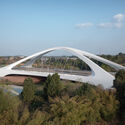
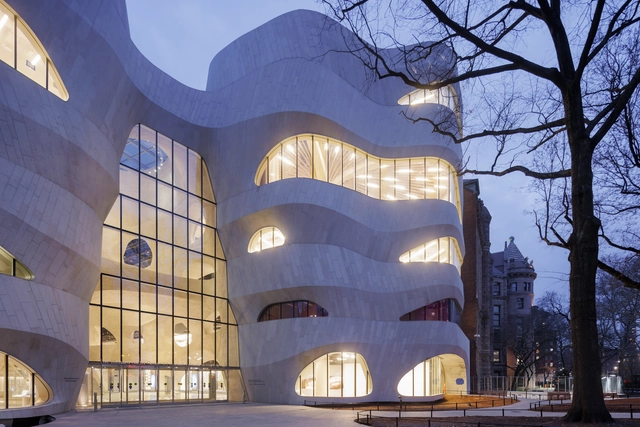
As we reflect on the unfolding of 2023, it has been a remarkable chapter in the world of architecture and design. This year saw the fruition of numerous groundbreaking projects that have left a mark on our collective built environment. This narrative takes place around a year of significance, with a renewed commitment to combat climate change, with dialogue initiated around world-renowned events such as the UIA World Congress of Architecture in Copenhagen or the 18th International Architecture Exhibition in Venice – La Biennale di Venezia.

This curated list includes projects that opened to the public in 2023. Each of them was designed and long-awaited to be completed. The featured architects include MVRDV, Zaha Hadid Architects, Snøhetta, Studio Gang, and OMA in collaboration with Shohei Shigematsu. Each of these firms is a unique design studio with its specific architectural style; while all these listed built projects are public and commercial.
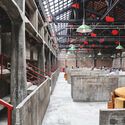
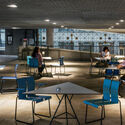
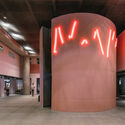
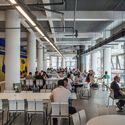
5 Iconic Architectural Projects Completed in 2023, Featuring MVRDV, OMA, Snøhetta, Studio Gang, and Zaha Hadid Architects - Featured Image5 Iconic Architectural Projects Completed in 2023, Featuring MVRDV, OMA, Snøhetta, Studio Gang, and Zaha Hadid Architects - 4 的图像 45 Iconic Architectural Projects Completed in 2023, Featuring MVRDV, OMA, Snøhetta, Studio Gang, and Zaha Hadid Architects - 1 的图像 45 Iconic Architectural Projects Completed in 2023, Featuring MVRDV, OMA, Snøhetta, Studio Gang, and Zaha Hadid Architects - 2 的图像 45 Iconic Architectural Projects Completed in 2023, Featuring MVRDV, OMA, Snøhetta, Studio Gang, and Zaha Hadid Architects - More Images+ 2

School Architecture: 70 Examples in Plan and Section

Subscriber Access | 

For architects, schools are often complex structures to design. They must provide a variety of spaces for education, and also consider sports and recreational activities. But beyond its size or surface, the greatest challenge is to design an area that fosters a positive pedagogical environment for children. Below, a selection of +70 school projects with their drawings to inspire your proposals for learning campuses.

School Architecture: 70 Examples in Plan and Section - Image 38 of 4School Architecture: 70 Examples in Plan and Section - Image 48 of 4School Architecture: 70 Examples in Plan and Section - Image 8 of 4School Architecture: 70 Examples in Plan and Section - Image 37 of 4School Architecture: 70 Examples in Plan and Section - More Images+ 210

Mexican architect Cristina Grappin presents Casa Nido for Tec de Monterrey's Sorteo Tec

Subscriber Access | 

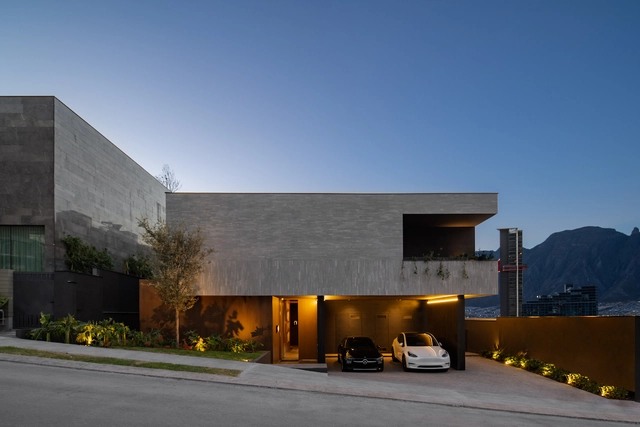
As part of an initiative by Tec de Monterrey, this year's first prize for the 215th Traditional Sorteo Tec features a residential project designed by Mexican architect Cristina Grappin. With this home, the university raffle of Tecnológico de Monterrey furthers its support for the Líderes del Mañana (Leaders of Tomorrow) program, an initiative aimed at driving change, social mobility, and the development of outstanding young scholars.

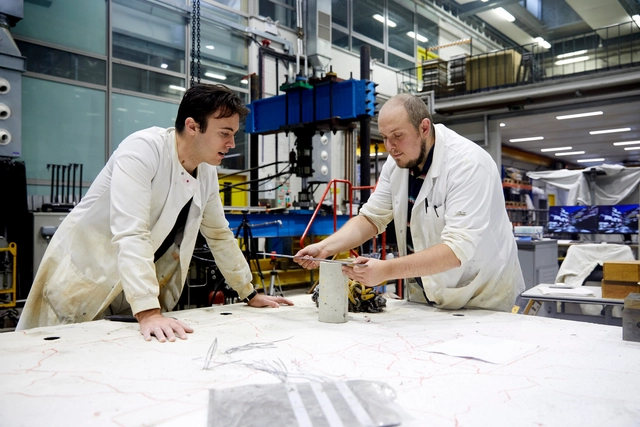
“Achieving Sustainable Construction Is First Using the Right Material for the Right Job”: In Conversation With Seratech

Subscriber Access | 

Seratech's technology, developed by Sam Draper and Barney Shanks, eliminates the CO₂ footprint of concrete and reduces carbon emissions in construction. This innovative process uses silica, a waste product from flue gases, as a carbon-negative cement replacement in concrete. By incorporating silica, the required amount of Portland cement is reduced by 40%, resulting in the production of carbon-negative concrete. This groundbreaking technology won the 2022 Obel Award for its focus on embodied emissions.

The Obel Award is an international award that promotes architecture in the service of both people and the planet. Seratech was the fourth winner of this new international prize for architectural achievement, preceding this year's 'Living Breakwaters' by SCAPE Landscape Architecture. ArchDaily had the chance to interview Sam Draper, CEO of Seratech, about the company's role in building a sustainable construction industry and their plans for scaling their innovative process.

“Achieving Sustainable Construction Is First Using the Right Material for the Right Job”: In Conversation With Seratech - Imagen 1 de 4“Achieving Sustainable Construction Is First Using the Right Material for the Right Job”: In Conversation With Seratech - Imagen 2 de 4“Achieving Sustainable Construction Is First Using the Right Material for the Right Job”: In Conversation With Seratech - Imagen 3 de 4“Achieving Sustainable Construction Is First Using the Right Material for the Right Job”: In Conversation With Seratech - Imagen 4 de 4“Achieving Sustainable Construction Is First Using the Right Material for the Right Job”: In Conversation With Seratech - More Images+ 3

The Supporters' Newsletter - Issue #4

Subscriber Access | 

What will our built environment look like?

As editors and curators of the largest architecture website in the world, our team is in a vantage position that allows us to be exposed firsthand to massive amounts of architectural insights from all over the world and enables us to imagine what the future of our cities might look like.

As our mission is to spread the best information to our readers, we bear the responsibility to keep an eye out for successes and innovations that would one day become benchmarks and tools for a better Urban and Living setting.

Part of our job is to deduce context-specific and recurring patterns that form what we might call trends; that we regularly showcase through our site in various formats.

Here are some indicators as to how to navigate Trends in ArchDaily.

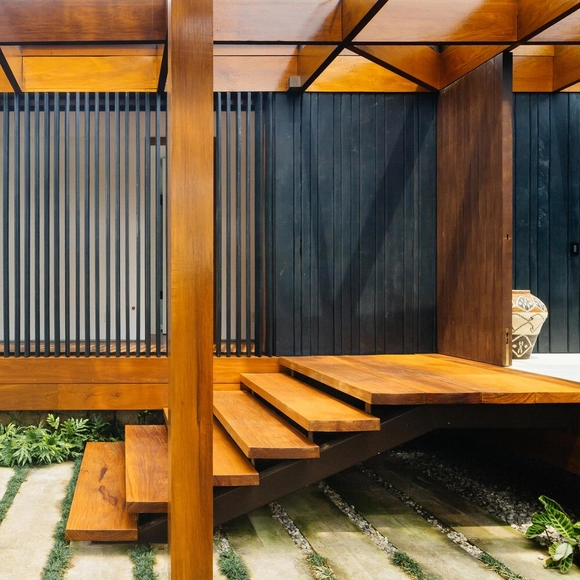
The Symbolism of Yakisugi: Explore the Beauty and Durability of this Wood in Contemporary Architecture

Wood in contemporary construction is often associated with coziness, simplicity, and a certain sense of nobility. Despite requiring more frequent maintenance compared to materials like concrete, wood is increasingly considered a viable option within the concept of regenerative design, owing to its place in the natural organic cycle of our planet. While wood has been a staple in architectural design, carbonized wood, known as yakisugi, is gaining significant attention as a finishing choice.

The Symbolism of Yakisugi: Explore the Beauty and Durability of this Wood in Contemporary Architecture - Image 1 of 4The Symbolism of Yakisugi: Explore the Beauty and Durability of this Wood in Contemporary Architecture - Image 2 of 4The Symbolism of Yakisugi: Explore the Beauty and Durability of this Wood in Contemporary Architecture - Image 3 of 4The Symbolism of Yakisugi: Explore the Beauty and Durability of this Wood in Contemporary Architecture - Image 4 of 4The Symbolism of Yakisugi: Explore the Beauty and Durability of this Wood in Contemporary Architecture - More Images+ 2

The Supporters' Newsletter - Issue #3

Subscriber Access | 

Why our fascination with the new? 

At ArchDaily, we're more than just architects. We're a dynamic team with varied backgrounds, spanning from software and finance to design, journalism, art, accounting, and even insurance! Yet, there's something that connects us all: creativity. And creativity is what we also have in common with you.

That is why by analyzing how to improve the content we generate for you, we often find ourselves asking the question of what we can do to feed your (and our) mind to foster creativity.

Highly creative people usually have profound specialized knowledge and have the capability of divergent thinking. That’s why our stream is a set of periodic new, fresh, and diverse projects and content, where you don’t know what comes next.

That’s why we are always fascinated with the new.

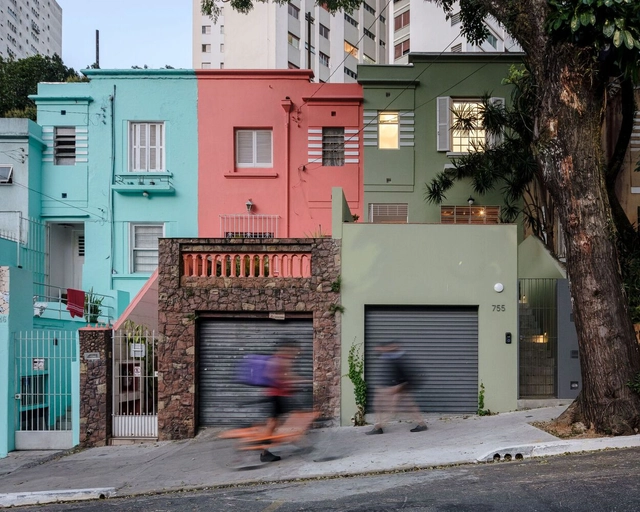
Architecture With History: 7 Brazilian Houses That Respect the Layers of Time

Subscriber Access | 

More and more, the field of architecture is shifting its focus towards revitalizing existing spaces. This shift is motivated by various factors, including concerns about sustainability, cost constraints, and the scarcity of available land in rapidly expanding urban areas. It presents an opportunity not only to renovate buildings but also to engage with the layers of time. This intricate task involves fostering a dialogue between contemporary and historical materials, acknowledging traditional construction techniques, and even uncovering hidden aspects of history and geography within the built environment to create truly unique architectural experiences.

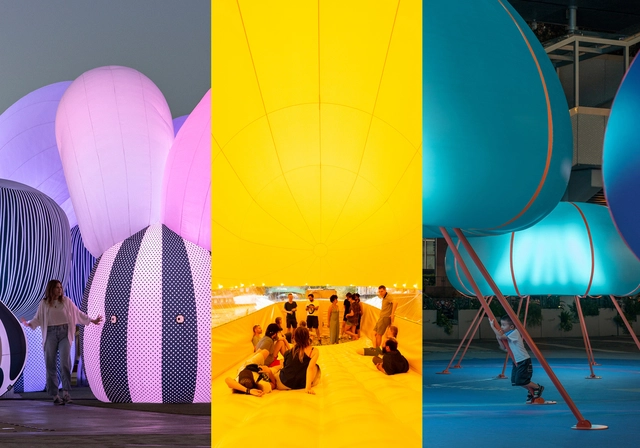
Inflatable Architecture: Pneumatic Structures Transforming Built Environments

Subscriber Access | 

As society, technology, and architecture have evolved, designers and architects have embraced novel construction systems and innovative approaches to reshape the built environment. This advancement has stretched the boundaries of traditional construction techniques and ignited fresh ideas in building design.

In the past, some architects and artists aimed to question an architectural paradigm deeply entrenched in anthropocentrism. Historically, architecture has been linked to the notion that buildings, being conceived by human beings, must be extremely durable, even imperishable. Considering the principle that the best intervention is the least intrusive, inflatable architecture, in contrast to these human-centric viewpoints —but aligned to our ephemeral nature—, can propose structures that may exist one day and vanish the next, leaving a temporal imprint on the landscape. This architectural approach uses textiles as the primary material and air as the structural system, potentially challenging the traditional Vitruvian ideals of Venustas, Firmitas, and Utilitas.

Sesc 14 Bis opens its doors this week: the first of 12 units planned for the coming years in São Paulo

Subscriber Access | 

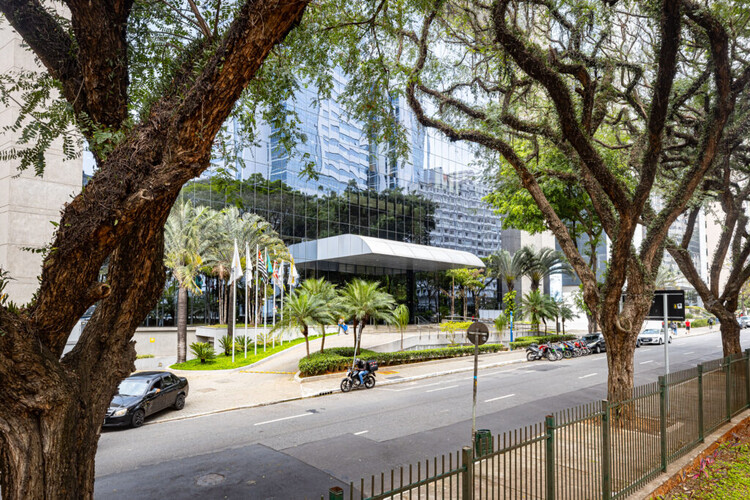
The Social Service of Commerce (Sesc) offers a wide range of activities in culture, sports, leisure, education, health, and social assistance. Since 1946, the institution has also played a fundamental role in architecture, delivering buildings with innovative approaches that prioritize community integration. Renowned architects like Lina Bo Bardi and Paulo Mendes da Rocha have designed iconic projects like the Pompeia and 24 de Maio centers, demonstrating how spatial design can transform and revitalize urban areas while establishing cultural and social landmarks. São Paulo will welcome 12 new centers over the next decade, the first of which—Sesc 14 Bis—opens this week.

Sesc 14 Bis opens its doors this week: the first of 12 units planned for the coming years in São Paulo - Imagen 1 de 4Sesc 14 Bis opens its doors this week: the first of 12 units planned for the coming years in São Paulo - Imagen 2 de 4Sesc 14 Bis opens its doors this week: the first of 12 units planned for the coming years in São Paulo - Imagen 3 de 4Sesc 14 Bis opens its doors this week: the first of 12 units planned for the coming years in São Paulo - Imagen 4 de 4Sesc 14 Bis opens its doors this week: the first of 12 units planned for the coming years in São Paulo - More Images+ 3

A century of Ecuadorian architecture in Pamplona

Subscriber Access | 

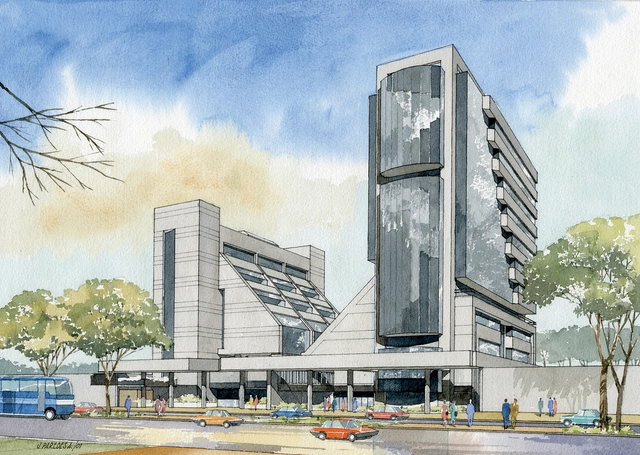
Rafael Vélez Calisto, a leading figure in shaping Quito's contemporary image, closed the latest Latin American Architecture Biennial with his lecture "The Trajectory of a Life," while Seville-based architect Manuel Ramos had already opened the event three days prior with his presentation, "The Last Century of Architecture in Ecuador." In the interim, practices ranging from MCM + A Taller de Arquitectura, Surreal estudio, Arquitectura X, Duran & Hermida, Diez & Muller, Espinoza Carvajal, and Arquitectura Sur to the selected young firms Rama Estudio and Emilio López presented a glimpse of both the historic and recent architecture of the country—the guest country of honor for the BAL 2023 edition.

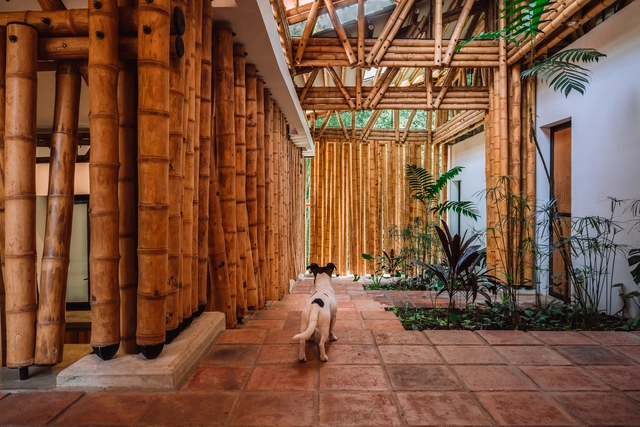
Bamboo in Latin American Housing: 10 Houses Revealing the Future of the Material in Architecture

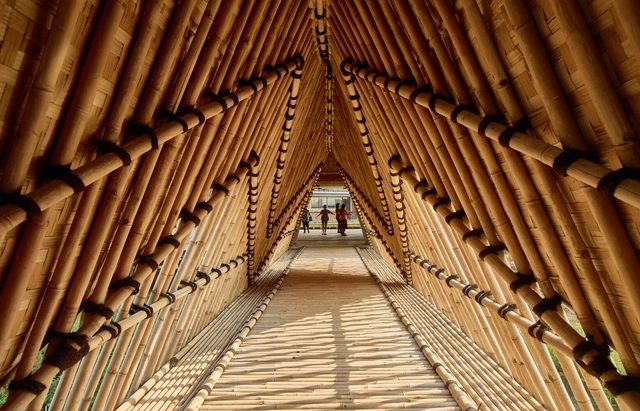
The use of local materials in architecture is becoming more and more important as there is a growing need to find new, sustainable construction methods that can help address the current climate crisis. Understanding the behavior of different materials and their key construction properties, architects and other professionals in the field are increasingly turning to bamboo, aiming to develop strategies and techniques that enable its use in both the structures of their projects and the various components of spaces.

From Sketch to Painting: A Digital Art Gallery To Inspire Everyday Architectural Work

 | Sponsored Content

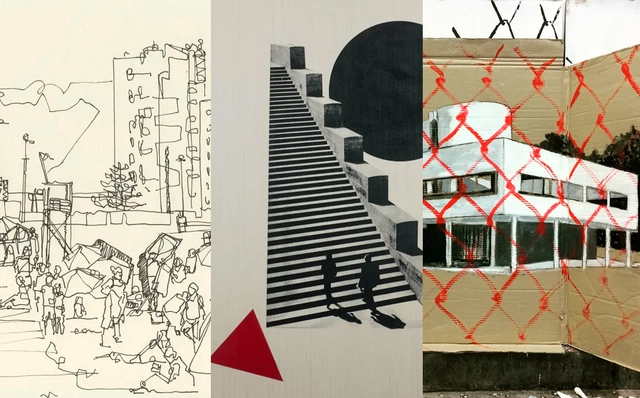
The relationship between art and architecture is a recurring topic of discussion, seeing as architecture can be positioned at the intersection of structure, technology, and aesthetics. Despite the utilization of technical knowledge, architecture, and interior design also incorporate artistic concepts into their processes. From captivating illustrations during the design development phase to murals and artistic pieces that form an integral part of spatial conception, art plays an essential role in architectural production and society.

In the context of contemporary society, many of our activities are carried out digitally, from booking accommodation for travel to manufacturing materials and creating art exhibitions. In this sense, digitalization has also permeated the art world, conceiving initiatives like SINGULART, which challenges the traditional concept of art galleries by existing in a digital format. This platform combines works from various sources of inspiration and artistic techniques, encompassing everything from sketches and paintings to architectural photography. It fuses multiple influences from various contexts, including architectural work.

How to Use Alternative Products and Materials to Reduce a Project’s Carbon Footprint

Subscriber Access | 

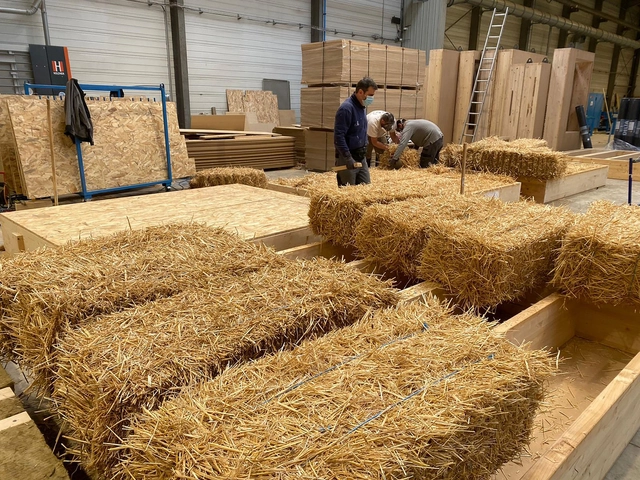
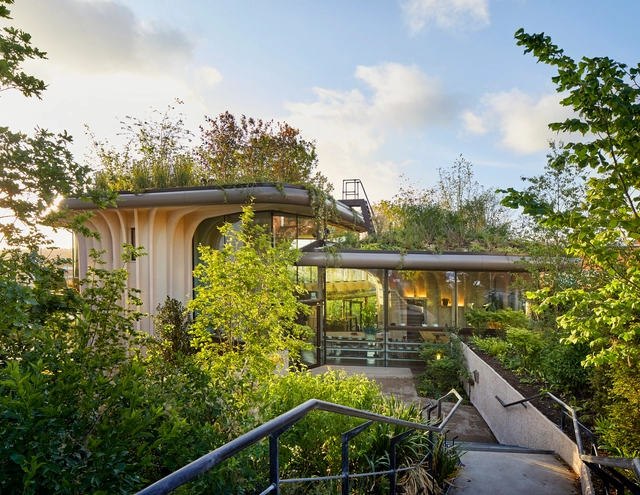
Working within the restrictions of a limited carbon footprint can be one of the hardest – but also most rewarding – parts of a modern architect’s role. Whether to suit a large multinational corporation’s sustainability report, to achieve LEED status or similar for a commercial developer, or to build an eco-home for a climate-conscious private client – or even one who just wants to spend less on energy, it’s imperative to keep up-to-date with the latest carbon-neutral and low-carbon building practices and materials.

Whether looking at a project’s structural beginnings, its high-grade finishes, or thinking more holistically about its entire lifetime, there are huge gains to be made with sustainable substitutes and alternatives to traditional materials and techniques.

How to Use Alternative Products and Materials to Reduce a Project’s Carbon Footprint - 1 的图像 4How to Use Alternative Products and Materials to Reduce a Project’s Carbon Footprint - 2 的图像 4How to Use Alternative Products and Materials to Reduce a Project’s Carbon Footprint - 3 的图像 4How to Use Alternative Products and Materials to Reduce a Project’s Carbon Footprint - 4 的图像 4How to Use Alternative Products and Materials to Reduce a Project’s Carbon Footprint - More Images+ 5

Good Architecture is Considerate

This text was originally published in The ArchDaily Guide to Good Architecture, our first-ever book currently available for purchase.

Besides denoting a show of careful thought, in architectural terms, the word ‘considerate' also suggests an emotional and perhaps even empathetic approach. And why shouldn't it? 

Good architecture can and should be considerate—in all the varied ways the word embodies. While it could start off with the motivation to do good and require an initial moral approach, this sensibility, combined with a meticulous knowledge of individual/communal needs and transparent communication, generates a well-adapted, and accessible built environment that can promote growth. 

Geometric Shapes and Metallic Accents: A Timeless Approach to Bathroom Design

 | Sponsored Content

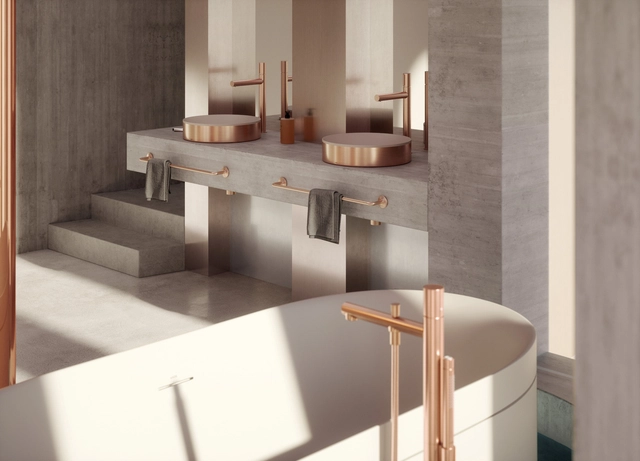
Timeless design possesses qualities that resonate with people on a fundamental level, whether through its simplicity, functionality, emotional impact, or adaptability. It continues to captivate and inspire indefinitely, remaining relevant and cherished across generations. This is the primary ambition of any designer, to endure through their creations over time. Philippe Starck, the renowned French designer, has long been at the forefront of the design world. He emphasizes that "The keywords for the future and ecology are longevity, transmission and heritage." His designs aim to go beyond mere aesthetics, incorporating a commitment to timelessness and a dedication to environmentally conscious practices.

Is it Possible to Grow Cement? Prometheus Materials and the Transformation of Concrete

Subscriber Access | 

Innovation thrives when we pause to observe, question, and reimagine the world around us, turning challenges into opportunities for progress. Nature, in particular, serves as a rich source of inspiration. By observing it, studying its daily challenges, and contemplating its processes, we can discover valuable insights that inspire innovative solutions.

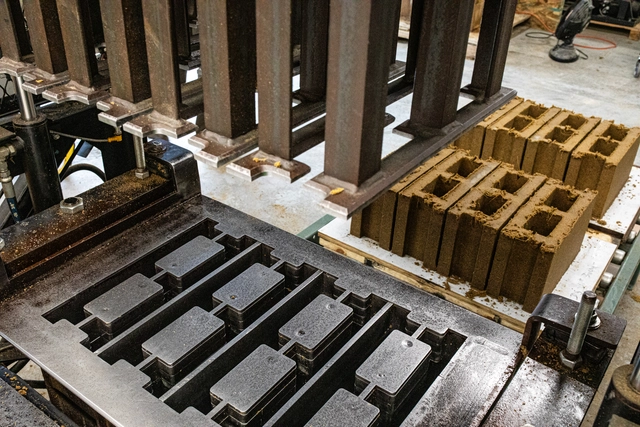
One of these current challenges is the production of concrete, an ancient and extremely popular material that is now accountable for a significant portion of global CO₂ emissions, due to the energy-intensive process of cement production and the chemical reactions involved. It is estimated to be responsible for approximately 8% of the world's annual CO₂ emissions, pumping 11 million tons of CO₂ into the atmosphere every day and consuming 9% of the world's annual industrial water usage. In addition, the world's building stock is expected to double by 2060—the equivalent of building an entire New York City every month for the next 36 years, which means an incredible increase in demand for cement and concrete. Faced with this daunting situation, is there anything we can do? In this article, we speak with Loren Burnett, CEO of Prometheus Materials, which has developed a material that mimics nature's processes to recreate concrete as we know it.

15 Brazilian Residences With Wooden Decks

Subscriber Access | 

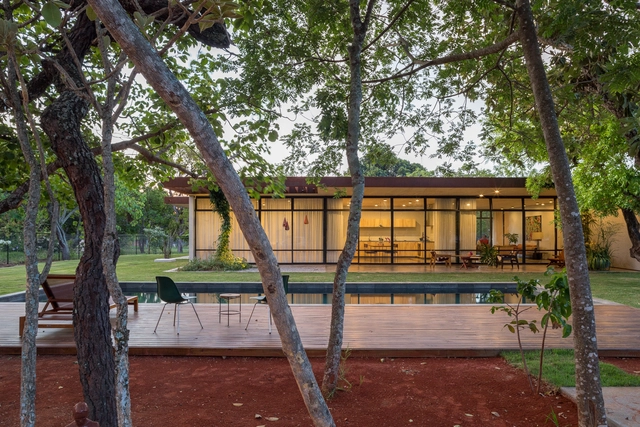
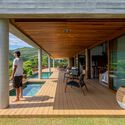
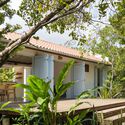
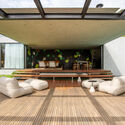
Living in a tropical country means cherishing outdoor experiences, whether feeling the gentle breeze, connecting with nature, or basking in the sunlight. We have grown up with a cultural tradition of playing in our yards, gathering with family and friends on balconies, enjoying barbecues, or simply admiring the beautiful landscape. Numerous Brazilian residences integrate wooden decks for these purposes. They are versatile spaces that fulfill various functions.

15 Brazilian Residences With Wooden Decks - 1 的图像 415 Brazilian Residences With Wooden Decks - 2 的图像 415 Brazilian Residences With Wooden Decks - 3 的图像 415 Brazilian Residences With Wooden Decks - 4 的图像 415 Brazilian Residences With Wooden Decks - More Images+ 11