1. ArchDaily
  2. Articles

Articles

Bill McKibben on COP28, Maintaining Hope, and Walking in the Woods

This article was originally published on Common Edge.

The biennale UN climate conference, COP28, concluded in Dubai this week with a commitment to the eventual “phasing out” of fossil fuels. It was a classic glass-half-empty/glass-half-full gesture. Yes, as optimists pointed out, it was the first time any reference to moving away from fossil fuels had made it into the text of the final communique. But, like previous COPs, this resolution, too, is nonbinding and was reached over howls of protest from both oil-producing countries and developing countries reliant on existing energy supply chains for future growth. The tortuous nature of the outcome, watered down and officially toothless, left me feeling glum. If we can’t agree on the nature of the problem, it will be exceptionally difficult to fix it.

To offer perspective, I reached out to longtime activist Bill McKibben. A professor at Middlebury College, he has published 20 books; his first, The End of Nature, appeared in 1989. He was, along with Dr. James Hansen, one of the first to sound the climate alarm. McKibbin is a contributing writer to the New Yorker, and a founder of Third Act, which organizes people over the age of 60 to work on climate and racial justice. In collaboration with seven Middlebury students, he founded 350.org, the first global grassroots climate campaign.

Sunscreen Facades: From Ceramic Textile Systems to Double Skin Glass

 | Sponsored Content

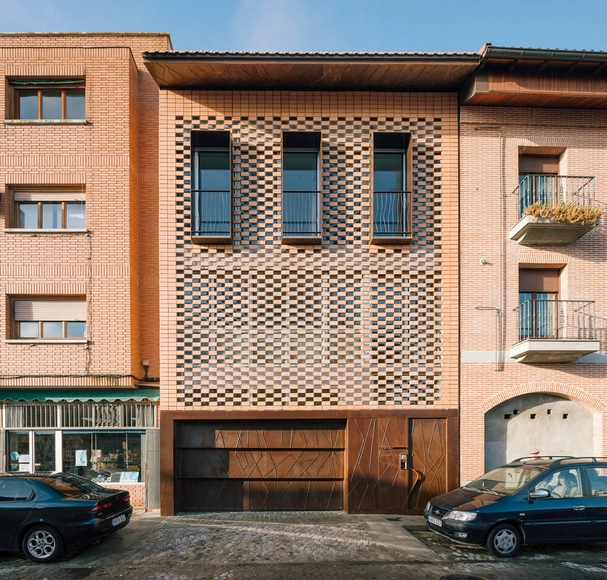
The duality of sunlight in the field of architectural design presents fascinating contrasts, especially when addressing the question of how to interact with it through the built environment and the materials that define architecture. The sun's influence in this discipline has become an essential part of the cultural heritage of some countries, as evidenced by Spanish architecture, where the interaction with sunlight manifests through elements such as lattices. These lattices are recognizable on the facades of buildings from the Middle Ages, exemplified by structures like the Alhambra, to 20th-century constructions such as Casa Gomis, considered historical monuments.

The facade, being the skin of the building, is the architectural component that is usually directly exposed to sunlight. Based on this premise, we seek to establish a dialogue between openness to the environment and the need for protection, thus creating a synergy between functionality and aesthetics. In this context, sunscreen facades have been developed through various approaches, standing out for their ability to address this design condition. For this reason, we have selected solar control solutions from Spanish brands, distinguished by their technical characteristics and materiality through various approaches.

How can writing change architecture?

Subscriber Access | 

They say that it doesn’t matter what happens, but how you see it. They also say that literature does not reproduce reality, but rather creates another. It all starts with an idea. Just an idea. Image and imagination go hand in hand, meaning they constitute the mechanism of human perception, thought, language, and memory. And in essence, architecture is nothing more than organizing ideas. The question is: how do we organize these ideas? Or rather, how do you see things? Is there really perception without social and cultural context? The short answer is no. The long answer involves interpretive anthropology, a bit of theory, and a great deal of criticism.

How can writing change architecture? - Imagem 1 de 4How can writing change architecture? - Imagem 2 de 4How can writing change architecture? - Imagem 3 de 4How can writing change architecture? - Imagem 4 de 4How can writing change architecture? - More Images+ 1

How to Create a Smart Home: A Complete Guide for Beginners in Home Automation

Smart homes leverage technology to provide residents with increased convenience, savings, comfort, and security. With automated environments, household routines are streamlined. What once seemed like a distant future is now within reach as smart devices have become more accessible. They enable a new level of interaction between the home and its inhabitants through Wi-Fi and Bluetooth connections.

How to Create a Smart Home: A Complete Guide for Beginners in Home Automation - Image 1 of 4How to Create a Smart Home: A Complete Guide for Beginners in Home Automation - Image 2 of 4How to Create a Smart Home: A Complete Guide for Beginners in Home Automation - Image 3 of 4How to Create a Smart Home: A Complete Guide for Beginners in Home Automation - Image 4 of 4How to Create a Smart Home: A Complete Guide for Beginners in Home Automation - More Images

Does AI Correlate Materiality with Contemporary Architecture? An Experiment with Six Building Materials

Subscriber Access | 

As AI has become more accessible, we have witnessed examples illustrating its diverse applications. Prominent among these are generative AIs, which excel in their ability to “create” images through prompts, many distinguished by their composition and vividness. These AI systems are neural networks with billions of parameters, trained to create images from natural language, using a dataset of text–image pairs. Thus, although the initial question posed by Turing in the 1950s, “Can machines think?” still recurs today, the generation of images and text is grounded in existing information, limiting their capabilities.

What has surprised many is the increasingly apparent closeness to overcoming the Turing test and the growing similarity, in terms of visualizations, to what an architect with skills in this field can achieve. In this context, while the debate persists in the architectural community about whether AI can process architectural concepts, this article explores how it interprets materials to develop these visual representations. With that in mind, a single prompt was developed for this experiment (with materiality as its variable) to delve into the obtained results.

Dignity Memorial Mausoleum designed by Grass+Batz Arquitectos, winning project of ESENCIALES x ArchDaily 2023

Subscriber Access | 

Designed by the architects of Grass+Batz, the Dignity Memorial Mausoleum in Chile has been selected as the winning project in the architecture category of ESENCIALES x ArchDaily 2023.

Best Architectural Projects of 2023

Every year, ArchDaily features thousands of new projects that make up the largest online architecture library in the world. Our team of curators review, seek, and make sure to explore some of the most innovative and relevant architectural works around. Just like the projects that appeared in our first ArchDaily book, our aim is to open up our platform and highlight (What is) Good Architecture.

Exploring Timber and Glass in 11 Contemporary Architectural Designs

Subscriber Access | 

Some materials change the course of architecture from the moment they begin to be employed. The initial materials used in construction certainly did so: clay, stone, and wood. The ability to build is the origin of the discipline. With technological development, techniques were also refined, and in the 19th century, industrialization spread the use of other materials, transforming and expanding the realm of construction: iron and glass.

Exploring Timber and Glass in 11 Contemporary Architectural Designs - Image 1 of 4Exploring Timber and Glass in 11 Contemporary Architectural Designs - Image 2 of 4Exploring Timber and Glass in 11 Contemporary Architectural Designs - Image 3 of 4Exploring Timber and Glass in 11 Contemporary Architectural Designs - Image 4 of 4Exploring Timber and Glass in 11 Contemporary Architectural Designs - More Images+ 9

How to install ceramic tiles in a home? 7 step-by-step guides

Subscriber Access | 

Choosing, installing, and maintaining coverings are essential aspects of home design, as they directly influence both the aesthetics and functionality of the space. Along with the variety of colors, textures, and materials, they help define the style and atmosphere of each room. Among the various types available, ceramic tiles stand out for their durability, versatility, and aesthetic appeal. Following the instructions in step-by-step guides is crucial for proper ceramic installation, ensuring their properties are preserved.

Tailored to each area of the home—including bedrooms, common areas, bathrooms, kitchens, utility rooms, and balconies—Bekron and Bemezcla have developed a series of technical guides specifying the step-by-step installation process for coverings. Among the recommended materials and solutions is the newly launched Bekron DA Superflex 20 kg. This organic resin-based adhesive mortar is designed for installing a wide range of tile formats, both indoors and outdoors.

Between Cracks and Silences: The Ghost Town That Haunts Maceió

Subscriber Access | 

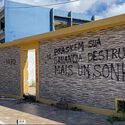
Since March 2018, when a 2.5-magnitude tremor on the Richter scale startled the residents of Maceió, the population of the Alagoas state capital has become aware of—and gradually had to grapple with—the consequences of a tragedy that would soon fully unfold. Following the appearance of a series of cracks and sinkholes across various neighborhoods, geological analyses identified the primary cause of the ground subsidence: the extraction of rock salt—a mineral used in the manufacturing of caustic soda and PVC—which had been carried out in Maceió for over 40 years by the petrochemical company Braskem.

With new tremors in November 2023 and the imminent risk of the mines collapsing, Maceió's crisis returned to the Brazilian headlines, shedding light on a range of complex urban issues tied to the tragedy. From physical damage to city infrastructure and forced displacement to inflation and real estate speculation, the unfolding disaster reveals painful scenes of what is already being called one of the worst urban tragedies in the world. Immersed in this crisis, the city's population suffers from incalculable damage: "The cracks weren't just in the buildings; they were in us, in our souls."

Between Cracks and Silences: The Ghost Town That Haunts Maceió - Featured ImageBetween Cracks and Silences: The Ghost Town That Haunts Maceió - Imagen 1 de 4Between Cracks and Silences: The Ghost Town That Haunts Maceió - Imagen 2 de 4Between Cracks and Silences: The Ghost Town That Haunts Maceió - Imagen 3 de 4Between Cracks and Silences: The Ghost Town That Haunts Maceió - More Images

Revolutionizing Affordable Housing: The AI-Powered, Climate-Friendly Solution of Project Phoenix

Subscriber Access | 

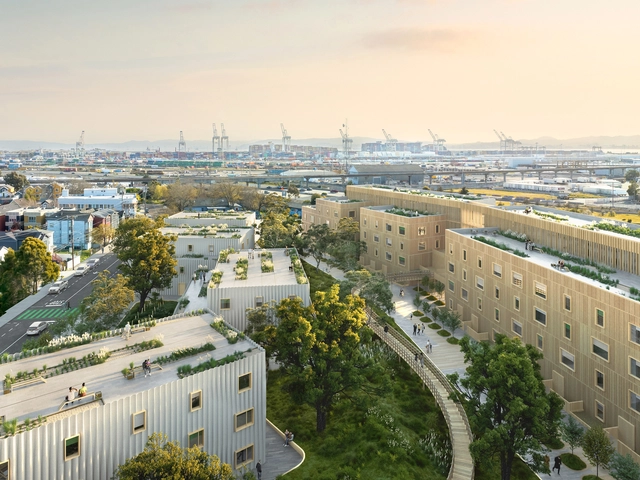
The global housing crisis generates a wide range of challenges, from those who are in situations of homelessness, to the realities of millions who face unaffordable housing conditions, overcrowding, and excessively high rents. Tackling this involves political will, the union of the state and private companies, and innovative solutions that prioritize accessibility, sustainability, and government mechanisms that enable a functioning system. Amongst all of these factors though, one thing is certain: we need to build massively in the future to improve the housing situation. The implementation of efficient construction methods, such as prefabrication and modular construction, can speed up the creation of affordable housing units, reducing construction costs and timeframes. Adopting green building practices, such as using recycled materials and designing energy-efficient structures, not only contributes to sustainability but minimizes long-term operating expenses for residents.

Decarbonization and Energy Efficiency in Latin America: How to Progress Towards a More Sustainable Architecture?

Subscriber Access | 

In the context of global initiatives to promote energy efficiency and the decarbonization of buildings, Latin America is at the center of the debate. The International Seminar on Sustainable and NetZero Buildings 2023, held in Bogotá and organized by CCCS, IEA, UNIANDES, CAF, and CEELA, aimed primarily to create a space for the exchange of experiences, such as Oliver Schütte's No Footprint House, while simultaneously conducting a review of government policies and the implementation of norms and standards in the region.

Among panels and conferences featuring Clara Camarasa, Nicola Borregaard, Laura Chapa, Paola Valencia, Iván Osuna, Juan Carlos Vega, Angélica Ospina, and Diego Velandia, five main learnings emerged as lessons: from creating more relevance and energy calculations to the development of the timber industry - and certifications.

Five Glass-Wrapped Homes Living Life on the Edge

Subscriber Access | 

As one of the four essential elements that sustain life on this planet, water is key to the survival of all species. And just as wild animals like to stay close to the watering hole, we humans enjoy life by the water.

While our ports, lakes, and waterways are no longer the international transport hubs and feeding grounds they once were, the improved air quality, more temperate climate, and improved relaxation and mindfulness that’s brought by the presence of fresh or flowing water, means specialist spaces such as riverside pubs, beachfront hotels and lakeside homes are some of the most popular of their type.

The following homes show how prized nearby waterbodies can be better utilized with great architecture and design.
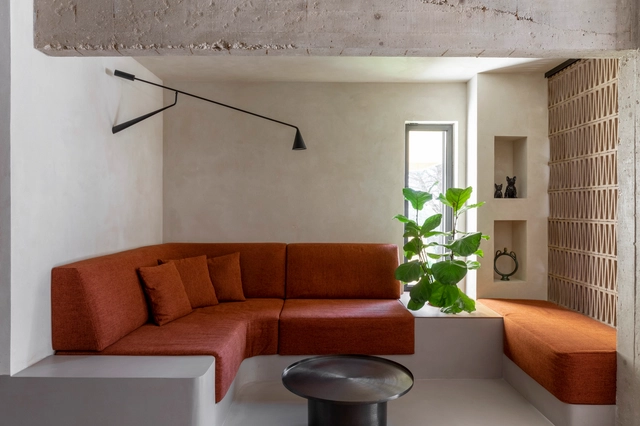
Estudio AMA debuts with its project “Riviera Ka’an Residencias” on the Caribbean coast

Subscriber Access | 

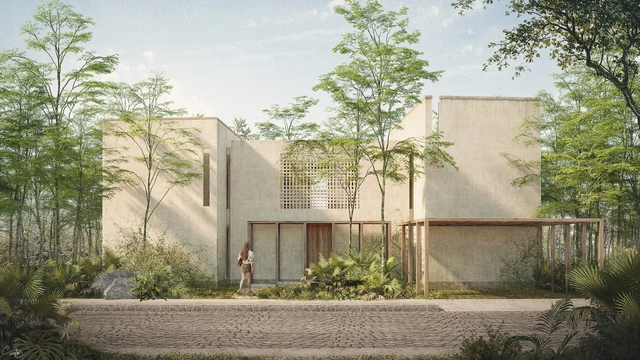
Mexico City- and Guadalajara-based firm Estudio AMA debuts with its "Riviera Ka’an Residencias" project, located in Xpu Ha, a town in the state of Quintana Roo, Mexico, situated south of Playa del Carmen and north of Tulum on the Caribbean coast. Estudio AMA presents itself as a creative space encompassing all fields of design: architecture, interiors, graphic design, and art.

10 Interior Design Trends of 2023

As we head towards the end of 2023, an eventful year that could be defined as the year of "shifts", we take a look at how global events and trends impacted the design of interior spaces. Looking back, people questioned everything, and the architectural practice was no exception. A new voice was given to nations often forgotten as architects searched for alternative ways of designing and building. We questioned colonialism, consumer culture, waste, tradition, and authenticity, bringing about new perspectives within the discipline. Interior design in 2023, however, was reserved; explorative, but a lot more modest and subtle compared to previous years. Following years of constant changes, it seems as though people felt the need to pause, slow down, and embrace simplicity, while expressing their individuality through acupuncture interventions.

10 Interior Design Trends of 2023 - Image 1 of 410 Interior Design Trends of 2023 - Image 2 of 410 Interior Design Trends of 2023 - Image 3 of 410 Interior Design Trends of 2023 - Image 4 of 410 Interior Design Trends of 2023 - More Images+ 45

The Architectural Heritage of the Valley of Mexico Through the Eyes of Santiago Arau

Subscriber Access | 

The heritage of Mexico City is extremely rich and diverse due to a long history that overlays like layers above the urban fabric since pre-Hispanic times. Currently, it is one of the largest cities in the world, and its heritage is reflected in its architecture, museums, historical sites, cultural traditions, protected sites, gastronomy, and much more. This chronology has been evidenced through various historical records. However, contemporary recording is essential in moments where we are writing history immediately with different digital tools.

2023's AD Classics: Year in Review

Architecture Classics showcased on ArchDaily serve as essential archives of architectural marvels, offering a window into the past. These classics showcase our collective design wisdom and innovation globally, enriching our design knowledge. In fact, through the acknowledgment and appreciation of different styles, functions, and narratives embedded within these structures, our view of architecture and its impact worldwide can become more comprehensive.

Within ArchDaily’s extensive list of Architectural Classics, 2023 saw the exploration of 16 diverse typologies. From public landmarks like Mies Van der Rohe’s Barcelona Pavilion to the Julio Mario Sant Domingo Cultural Center and the Biblioteca El Tintal by Bermùdez Arquitectos, showcasing the power of public infrastructure. Structures such as Mariano Moreno’s National Library and Oscar Niemeyer’s Aeronautics Center highlight the eclectic nature of these classics.

2023's AD Classics: Year in Review - Image 1 of 42023's AD Classics: Year in Review - Image 2 of 42023's AD Classics: Year in Review - Image 3 of 42023's AD Classics: Year in Review - Image 4 of 42023's AD Classics: Year in Review - More Images+ 13

Six Women Architects from the Middle East and Asia to Know

Subscriber Access | 

There are and have always been inspiring women architects, urban planners, and policymakers. However, worldwide, the built environment professions—and their upper echelons in particular—remain heavily male-dominated, more so than other fields like education or healthcare.

Today, 64% of architecture graduates in Brazil are women. In engineering, there has been a 42% increase in women registered with CREA since 2016. Yet, how is this reflected in Brazilian society? Globally, progress is even slower: only 40% of architects are women, with very few in leadership roles.

Six Women Architects from the Middle East and Asia to Know - Image 1 of 4Six Women Architects from the Middle East and Asia to Know - Image 2 of 4Six Women Architects from the Middle East and Asia to Know - Image 3 of 4Six Women Architects from the Middle East and Asia to Know - Image 4 of 4Six Women Architects from the Middle East and Asia to Know - More Images+ 2