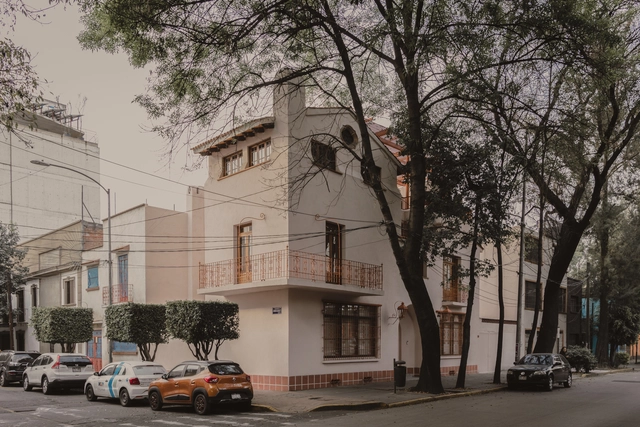
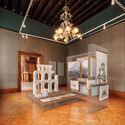
A new space has opened its doors in a 1930s house in the San Miguel Chapultepec neighborhood of Mexico City. This cultural enterprise, named ARCO, merges art, design, and architecture to create a collaborative venue housing the architecture firm WORC and the furniture-focused design studio VETA.
The history of architecture is marked by a rich array of styles and expressions, each of which reflects the specific environment it was created in. Numerous unique narratives have emerged, giving rise to various architectural traditions. The notion of a single, universal tradition is quickly debunked when one explores the pages of any architectural history book.
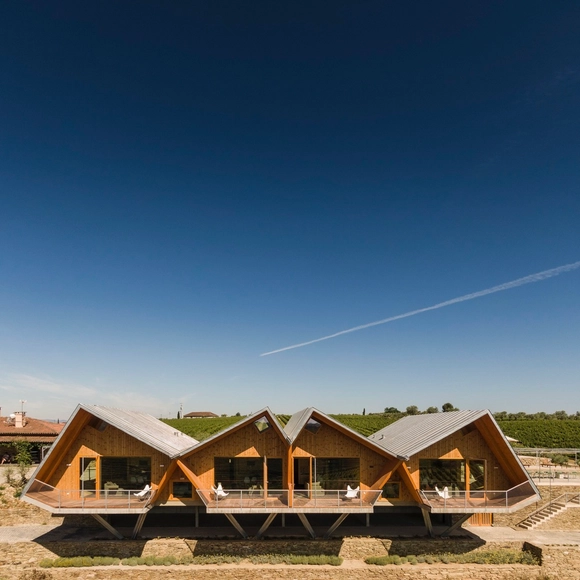
While contemporary architectural movements may share common principles, it's important to note that this doesn't necessarily result in a uniform appearance. However, when we consider the diversity of historical architectural styles and traditions, it becomes evident that specific regions have distinct architectural identities. Portugal has a well-defined architecture, and Carlos Castanheira is one of its notable representatives.
When you’ve made a mess, it’s often easier to hold up your hands and start again from scratch. But while it might be a harder way to do it, adaptive reuse – when architecture takes something old and broken and brings it back to life – can have benefits all around.
When planning much-needed social and cultural buildings for public use, instead of using new, virgin materials (or even recycled materials that need to be collected, stripped, reformatted, and transported), there are plenty of pre-made sites already in place. All we have to do is see them.
These adaptive reuse projects take disused buildings, forgotten projects, and unloved environments and transform them into something new, bringing life, positivity, and purpose.
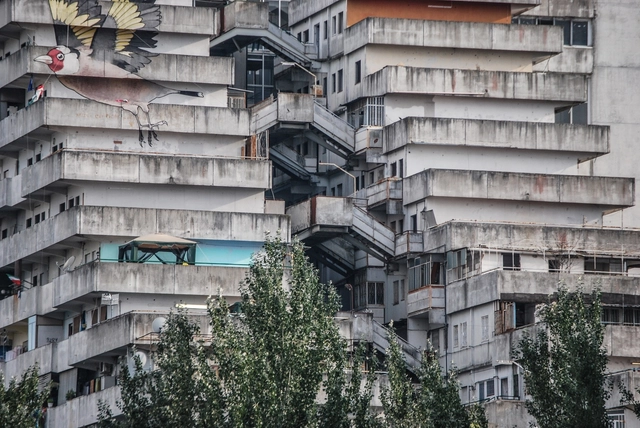
The COVID-19 pandemic has seen inequalities laid bare, especially when it pertains to the unequal allotment of architectural resources to people. The start of the pandemic saw Europeans who could afford it, for example, leaving the urban metropolises they lived in and going away to their second homes in the countryside. We’ve also seen how poorer people in places like New York, for example, do not have adequate access to green spaces – a critical part of human well-being. Within this conversation is also the issue of social housing - known by multiple names around the world - and how the social housing that gets designed in the present and in the future should respond to ever-changing global needs.
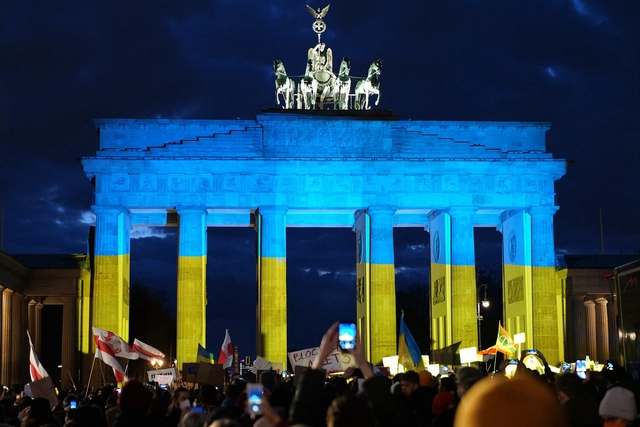
In the realm of media architecture and its role in supporting struggles for social justice, the recent Media Architecture Biennale 2023 (MAB23) in Toronto, Canada, shed light on a captivating aspect: The rapid and vast propagation of solidarity lighting in response to Russia's invasion of Ukraine in 2022. The synchronized illuminations, infused with activism and global art projects, became a powerful emblem of worldwide support for Ukraine during its time of crisis. Two emphatic female political leaders in Europe initiated the lighting solidarity message. Surprisingly, the blue and yellow Ukrainian flag illumination on iconic buildings worldwide defined an image of solidarity even faster in the press than large crowds of people in anti-war protests the weekend after the war began.
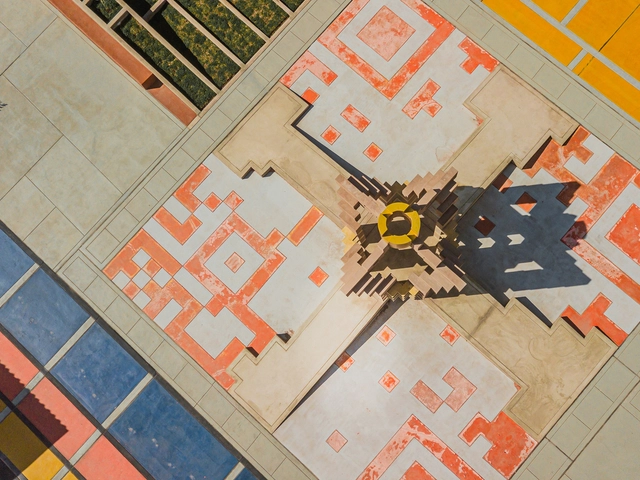
The Time Portal, designed by Longhi Architects, is an architectural project commissioned by the company "Los Portales" to create an identity landmark in the plaza of a modern residential development in the city of Juliaca, Peru.
The project merges fundamental characteristics of Inca culture and landscape design with elements of contemporary globalization, represented by the recognizable QR code icon.
The Farmhouse / Studio Precht. Image Courtesy of Precht
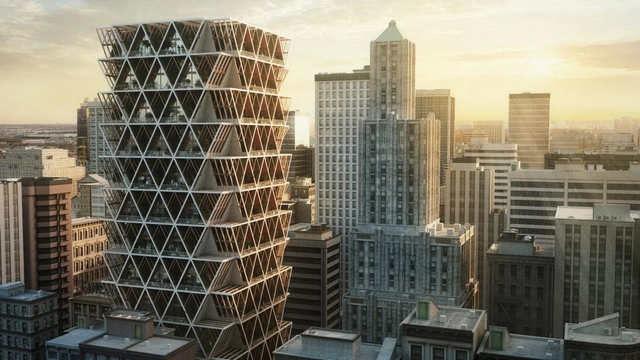
Wood, an age-old building material, has left its mark on the history of architecture. Structures like townhouses and ancient cathedrals have seen usage and innovation with wood as a primary material. As technology evolves and urban landscapes grow skyward, wood has emerged as a strong contender to steel and concrete in the area of skyscraper design. Recent advances in engineering, materials science, and construction techniques have welcomed a new era of experimentation, enabling the construction of timber skyscrapers across the world. Timber skyscrapers signify a departure from traditional construction methods, seamlessly blending aesthetics, functionality, and ecological consciousness. Wood as a material, with its inherent strength and impressive fire resistance, presents hope to an industry in pursuit of a more sustainable future.
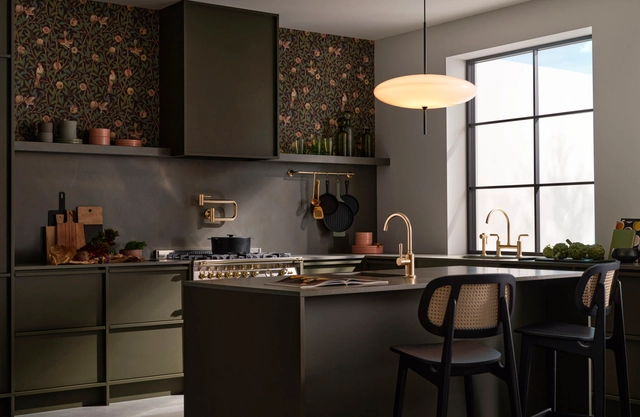
VAIA - Brushed Durabrass (23kt Gold). Image Courtesy of Dornbracht
Arguably, kitchens are spaces in which the interplay of elements establishes a delicate balance in their composition; design, materials, and fittings, all of which collaboratively shape the interior environment. It is, therefore, not surprising that they often become the focus of ongoing discussions. The cultural and utilitarian role of kitchens in our lives is so important that their influence transcends mere architecture, becoming an object of artistic and historical exploration. In this way, both kitchens and the elements that comprise them have evolved and changed in style—from the robust kitchens of the 19th century to the innovations that originated in the Frankfurt kitchen in the 20th century.
The domestic landscape can transform on a daily basis, and fittings are no exception as they adapt to changing stylistic influences and needs. Today, kitchens incorporate both, traditional and contemporary elements within the same space, creating a language that connects and seamlessly transitions between these influences, thereby enhancing one another. In this context, Dornbracht has conceived VAIA, a series of fittings developed by Sieger Design, which fuses tradition and modernity in contemporary kitchens through fine lines, stylized silhouettes, and flowing transitions.
https://www.archdaily.com/1006333/classic-and-avant-garde-kitchen-fittings-that-balance-tradition-and-modernityEnrique Tovar
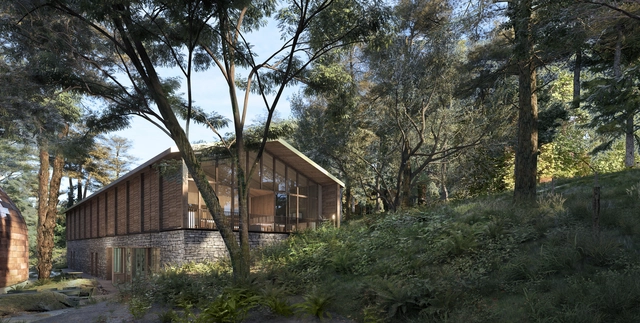
Sustainability has taken center stage in the broad world of architecture and design, inspiring and directing the construction of new structures towards environmental harmony. The use of wood, a classic material with enormous potential to lessen our ecological impact while providing limitless design possibilities, is a notable example of this movement's implementation. In the fight for sustainability in the field of architecture, wood has become an ally. Its distinctive qualities, such as renewability and carbon neutrality, have inspired creative methods among architects worldwide.
A wide range of architectural projects, from vital healthcare facilities to exciting mixed-use buildings, cultural hubs, and welcoming residential spaces, benefit from wood's extraordinary versatility as a building material. In fact, wood's natural warmth and biophilic qualities can create spaces that reduce stress and promote well-being. Furthermore, the carbon-neutral nature of wood aligns perfectly with the design industry's commitment to environmental responsibility.
Médio Tejo, by Guida Marques. Courtesy of Fertile Futures
Fertile Futures is the title of Portugal's official representation at the 18th International Architecture Exhibition - La Biennale di Venezia 2023. Curated by Andreia Garcia alongside deputy curators Ana Neiva and Diogo Aguiar, the project aims to address water resource issues in seven Portuguese hydrogeographies and encourage reflection on building a sustainable, equitable, and fertile future. To this end, seven design teams — Corpo Atelier, Dulcineia Santos Studio, Guida Marques, Ilhéu Atelier, Pedrêz, Ponto Atelier, and Space Transcribers — were invited to reimagine distinct possibilities for these territories.
In an effort to expand access to the content exhibited in Venice, we present here the texts and images from the Portuguese pavilion, as well as photographs of the exhibition space. ArchDaily would like to thank the curatorial and communication team of Fertile Futures, who generously provided the material for this publication.
https://www.archdaily.com/1136330/fertile-futures-portugals-participation-in-the-2023-venice-architecture-biennaleAndreia Garcia, Ana Neiva e Diogo Aguiar
Design stems from nuance, empathy, and understanding. The best solutions address the needs, identities, and context of a client and place. A designer's response needs to be informed by these different realities. Intersectional Design is a method of designing by thinking through how factors of identity (gender, race, sexuality, class, and many more) interact with one another. In understanding how these factors combine, we can more deeply understand the context of use and an individual user's priorities.
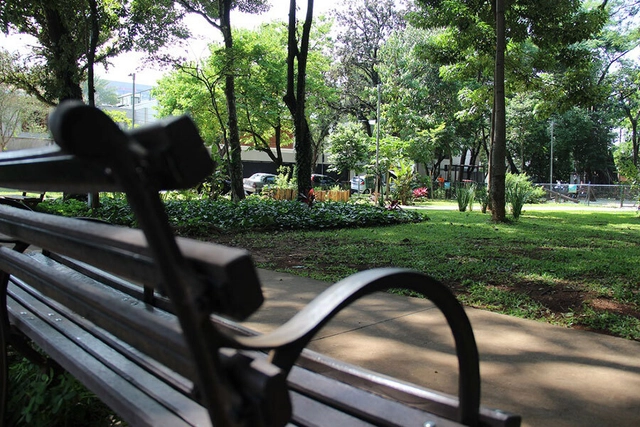
One of the things that catches my attention most when I visit major cities in other countries, whether they are European capitals or our neighbors here in South America, is how people occupy public spaces.
And I don't just mean parks or squares. Whether in Buenos Aires, Santiago, Paris, or Amsterdam, for instance, at least on sunny days, almost any patch of grass is occupied by people—children running and playing, friends having picnics, young people reading stretched out in the sun.
https://www.archdaily.com/1136266/in-sao-paulo-is-the-square-oursVitor Meira França
The Project Strategies Methodology (M.E.P.) is a process that has been under development since 2013 within the Architecture and Urbanism program at Mackenzie Presbyterian University (FAUMACK). It has been applied by the Project Strategies in Urban, Degraded, and Port Territories research group (LAB-STRATEGY) through international workshops, conferences, academic outreach, and educational materials across various geographical regions of Latin America and the Caribbean.
Protest has always been a powerful tool for creating change, and public spaces provide a platform for social engagement in societies. As part of the International Day of Democracy, we examine Africa, its series of emerging protests in the past year, and how citizens in various countries question political justice, demand better living standards from their government, and interrogate their nation’s sovereignty. With demonstrations ranging from organized large-scale marches to smaller spontaneous outbursts, residents of these countries have explored public spaces in symbolic and significant ways to amplify their voices. These spaces include public squares with cultural and historical meaning, sites of political buildings, or makeshift protest areas such as roads and open areas. Through this, African cities show how people make these spaces their own and how the power of their conglomeration cannot be ignored in unwrapping the democratic essence of public spaces.
Modernity and globalization have significantly reduced geographical distances, transformed social interactions, and accelerated the flow of information across nations, which has, in a sense, made the world more accessible to people everywhere. However, it's important to note that when we say "everyone," we refer to a vast and diverse population. Modernity and globalization had an impact on noticeable inequalities in both social and technological realms, as more advanced and privileged nations have established benchmarks and norms for leisure, culture, and consumption. As a result, certain cultures have established a dominant influence, promoting the notion that there is a "correct" way to live and build cities. This unchecked pursuit of development comes at a significant cost to the Earth's ecosystems and biomes.
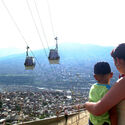
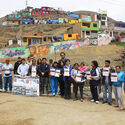
The research project that impressed the jury aims to explore the impact of highly successful informal settlement improvement initiatives implemented in various Latin American countries. Its primary objective is to uncover valuable design insights related to social and environmental sustainability. The research is founded on the recognition that Latin America is the most urbanized region globally, with approximately 80% of its population residing in cities. Nevertheless, nearly 15% of this urban population resides in informal settlements marked by inadequate infrastructure and a diminished quality of life. Various improvement programs have been implemented, and the active involvement of citizens has been a crucial factor in enhancing their effectiveness.
For the past three decades, YIMBYs and NIMBYs have been fighting pitched battles across the U.S. for the heart and soul of future development, but the housing crisis has only grown worse, especially since the crash of 2008, which changed so many things on the supply side.
This was followed a dozen years later by 2020, the strangest year of our lifetimes, which made those supply-side challenges even more pronounced. The roots of the problem, however, go back further than that, with mistakes made as long as 75 years ago now being repeated by completely new generations. Failure to understand those errors—and even why they are errors and not good practice—will perpetuate and exacerbate today’s crisis into future generations.