The University Council of the São Paulo State University (Unesp) has decided to award the title of Doctor Honoris Causa to Adélia Borges, a curator, journalist, and critic active in the field of design. The initiative for awarding the degree came from the Department of Design at the Faculty of Architecture, Arts and Communication (FAAC) on the Bauru campus. In its justification, the Council stated that the title was awarded “for her work as a critic and curator with a significant contribution to the research, dissemination, and promotion of Brazilian Design on both the national and international stages, demonstrating deep knowledge of the field and a broad socio-political and cultural vision.” The official ceremony will take place on March 8, 2021, International Women's Day, at 2:30 PM, and will be broadcast on the TV Unesp YouTube channel.
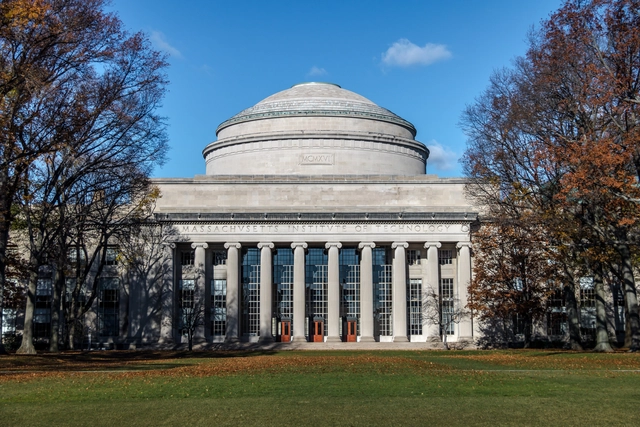
CAMBRIDGE, USA - December 01, 2016: Massachusetts Institute of Technology (MIT) Dome - Cambridge, Massachusetts, USA. Image via Shutterstock/ By Diego Grandi
Every year in March, the QS World University Rankings reveal the top universities to study each profession, covering 51 different subjects. Grading schools based on academic reputation, employer reputation, and research impact, the annual QS- Quacquarelli Symonds has unveiled that for the second year in a row, in the 2021 Architecture/ Built Environment division, the Massachusetts Institute of Technology (MIT) is still in the first position.
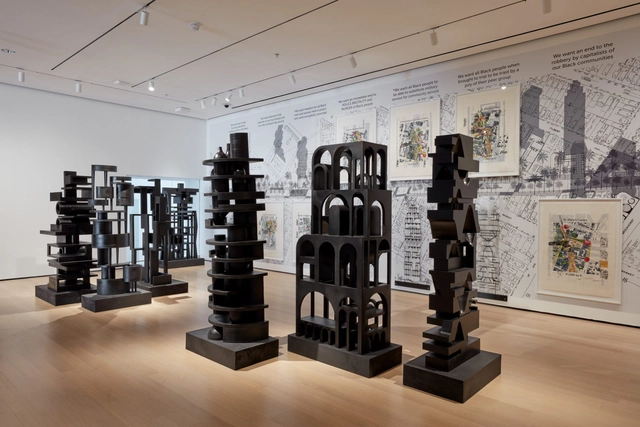
Reconstructions: Architecture and Blackness in America. Image Courtesy of The Museum of Modern Art, Robert Gerhardt
The Museum of Modern Art has launched Reconstructions: Architecture and Blackness in America, the fourth installment of the Issues in Contemporary Architecture series. Investigating the intersections of architecture, Blackness and anti–Black racism in the American context, the exhibition and accompanying publication examine contemporary architecture in the context of how systemic racism has fostered violent histories of discrimination and injustice in the United States.
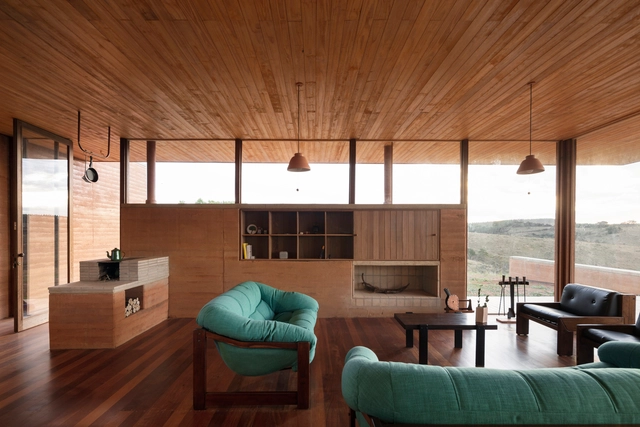
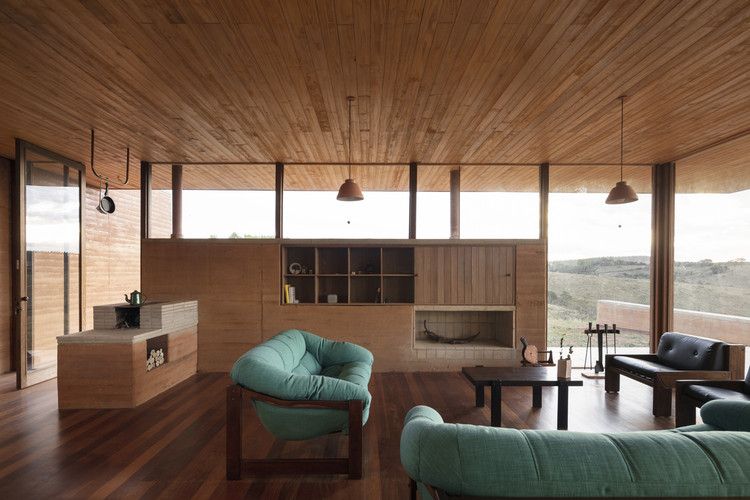
Ancestral, but overshadowed by other technologies that have emerged over time, the rammed-earth walls are again gaining prominence in Brazil for being a low-impact, sustainable and economical solution. Known in Portuguese as taipa, it is a rudimentary construction system that compresses the earth into wooden boxes until it reaches an ideal density that allows a resistant and long-lasting structure.
Last year, as the pandemic kept many housebound, artist and architectural historian Esther Choi found herself fielding a lot of requests from BIPOC students and young professionals looking for advice. She noticed several of the same concerns cropping up, specifically those having to do with the stresses of studying or working in environments that were overwhelmingly white. So, as one will do these days, Choi took to social media, where she announced virtual information sessions in which she would talk about her professional experience in an attempt to help others. The success of these initial, informal get-togethers led Choi to plan a series of events where BIPOC design students and young professionals could pick the brains of established BIPOC architects, designers, and writers about their careers and ways to navigate often unsupportive fields. The conversations would be casual, frank, and encouraging. Choi named the initiative Office Hours.
Kubuswoningen, designed by Piet Blom in Rotterdam, Netherlands (1984). Photo by Nicole Baster, via Unsplash
With one of the best higher education systems in the world, the Netherlands offers annual scholarships for Brazilians through the Orange Tulip Scholarships program. Applications for the 2021/2022 academic year are now open for undergraduate, postgraduate, or MBA students.
More than 20 Dutch universities participate in the program, offering scholarship options for courses in the fields of Arts, Biological Sciences, Health, Exact Sciences, Technology, and Humanities, including some focused on architecture and urban planning – all taught in English.
Some of the potential winners of Pritzker Prize 2020, according to our readers in 2020 poll. Image
Once The Hyatt Foundation has revealed early March as the announcement date of the Pritzker Prize 2021 Winner, the speculation has begun to swirl around which architect will be named the next laureate of the trophy. What used to be a somewhat predictable award has become less so in recent years, and if you look at the list of people who have won before, you will realize that anything is possible.
We want to hear from our readers —not just about who probably will, but about who should win the prize, and why. Cast your vote in the poll below.
https://www.archdaily.com/957557/who-should-win-the-2021-pritzker-prizeArchDaily Team
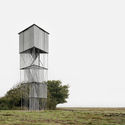
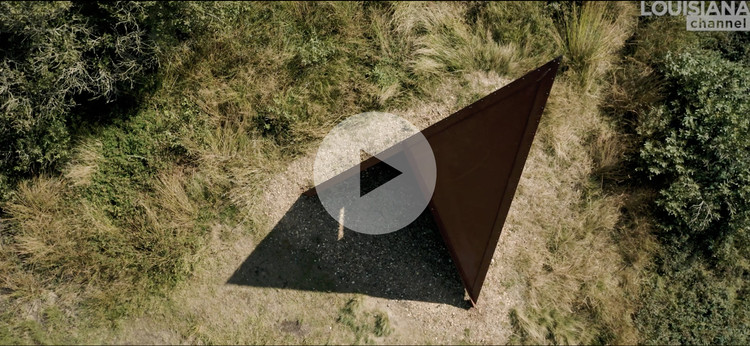
In a recent interview with Louisiana Channel, Copenhagen-based architects Søren Johansen and Sebastian Skovsted share insights into their design process - stating the importance of creating architecture that seamlessly blends into the landscape yet stands out on its own right. Discussing the minimalist nature of their projects, the architects are careful not to put themselves in a box, saying, "When you ask about minimalism in our work, or any other ism, we are not interested in simplicity for simplicity’s sake.”
Luis Antonio Moreno Aguayo—architect and co-founder of Taller Matatipac in Tepic, Nayarit—presents his project: the Bípeda chair, which uses experimentation to simplify concepts to their elemental roots, employing critique as a tool to fuel creativity.
https://www.archdaily.com/1127907/taller-matatipac-presents-a-pre-hispanic-inspired-chair-in-mexicoArchDaily Team
The Hyatt Foundation has revealed the announcement date of the Pritzker Prize 2021 Winner(s). The most relevant recognition in architecture will be announced on Tuesday, March 16th, 10:00 am EDT.
https://www.archdaily.com/957998/pritzker-prize-2021-winner-to-be-announced-in-early-marchArchDaily Team
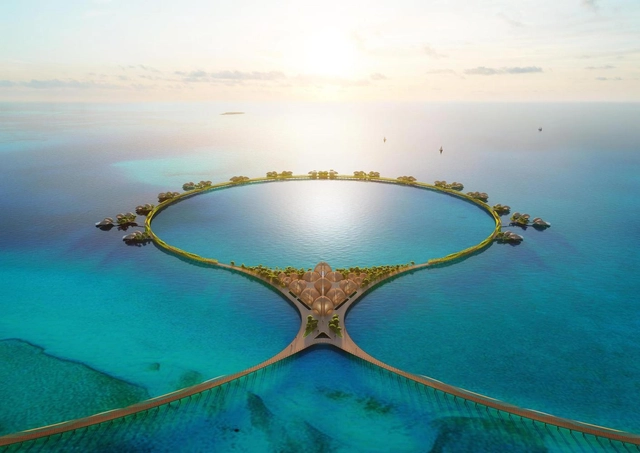
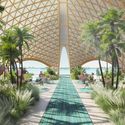
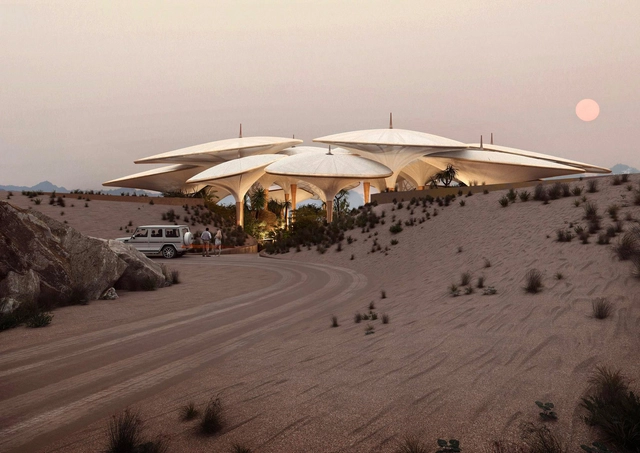
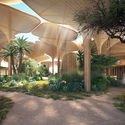
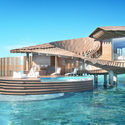
Foster + Partners is designing Hotel 12, on the Ummahat AlShaykh Island in Saudi Arabia. Developed by the Red Sea Development Company (TRSDC), the project is one of two hotels on the island, the first being planned by Kengo Kuma.
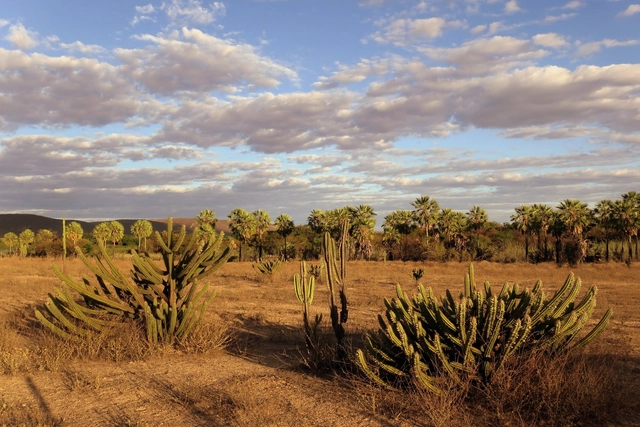
Photo by A. Duarte, via VisualHunt.com / CC BY-SA. ImageCerrado, the third most biodiverse flora biome in the country
With nearly fifty thousand plant species—over half of which are endemic, meaning they only occur naturally here—Brazilian flora is among the most diverse and richest in the world. This data is featured in the country's largest and most comprehensive virtual botanical library, Flora do Brasil 2020, developed by the Rio de Janeiro Botanical Garden.
What kind of cities do we want to live in? What do we believe is important for a good life? And what makes a good home for all of us?SPACE10 with gestalten have teamed up to gather insights from world-renowned experts to explore a better urban future for humanity. Compiled in a book entitled The Ideal City, the findings draw five core principles: The city of tomorrow should be resourceful, accessible, shared, safe, and desirable.
Taking a holistic and multidisciplinary approach to rethinking how we could design, plan, build and share our cities going forward, the publication unfolds projects from 53 different cities in 30 different countries. Discover in this article, excerpts from the book, with the foreword by Bjarke Ingels and the last word by Xiye Bastida.
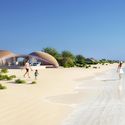
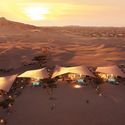
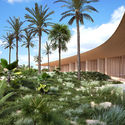
Foster + Partners has shared a new design for a hotel in Saudi Arabia set within sand dunes. Dubbed Southern Dunes, the project is part of The Red Sea Project tourist development. The hotel will include 40 villas that are constructed from timber and arranged to take advantage of surrounding views. Designed as part of the first phase of The Red Sea Project, it aims to be part of the world's "most ambitious" tourism development.
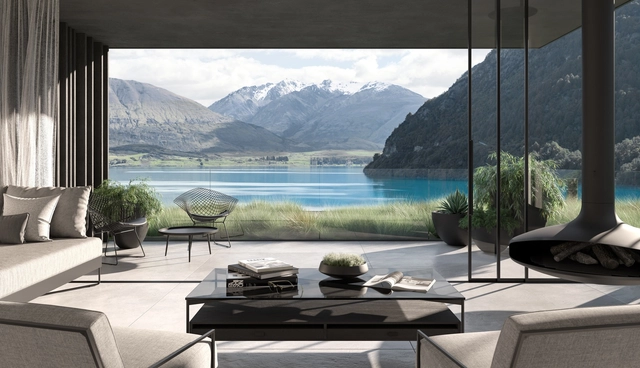
Waimarino, Still Waters. Image Courtesy of The B Group : By Walker & Co
Design Base Architects have shared new details of Waimarino Luxury Lodge, a development on the shores of Lake Wakatipu in Queenstown, New Zealand. The high-end accommodation aspires to create a sustainable destination and an eco-conscious property that connects with nature through villas topped with living roofs. Waimarino – Maori for Still Waters – aims to be a modern, minimalist luxury that reimagines traditional hunting style lodges dotted across New Zealand.
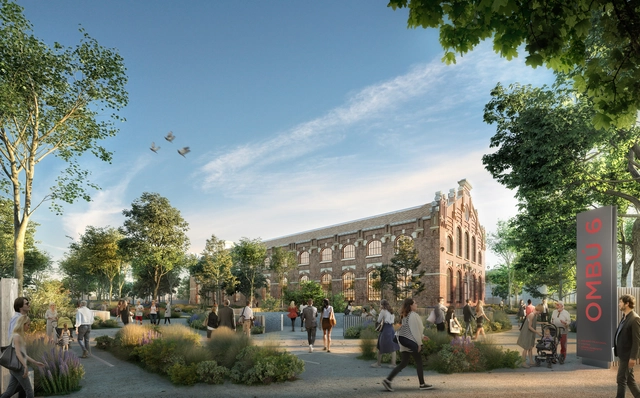
General view of the revitalised industrial building sitting in a landscaped garden. Image Courtesy of Foster + Partners
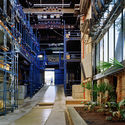
Foster + Partners is leading massive refurbishment works on a historic building in Madrid. The renovation project that will put in place an office building for Acciona, seeks to revitalize an abandoned old industrial building built in 1905, generating over 10,000 square-meters of new spaces.
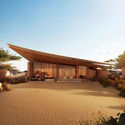
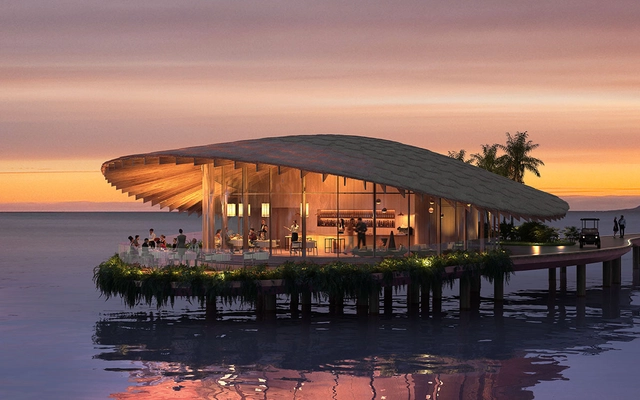
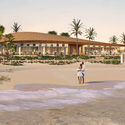
Kengo Kuma & Associates has designed a series of luxury villas for a new tourism development in Saudi Arabia. The project was commissioned by The Red Sea Development Company (TRSDC) as part of The Red Sea Project. Featuring seven typologies, the design will include villas built on land and overwater. The project aims to set new standards in sustainable development as a global tourism destination.
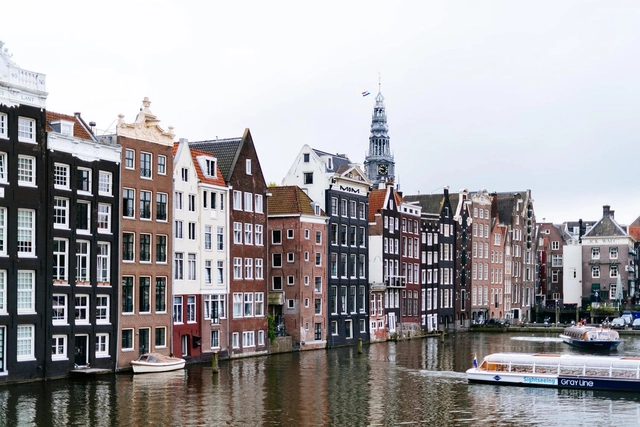
Amsterdam, Netherlands. Photo by Roman Kraft via Unsplash
Anyone interested in urban policy will likely, at some point, come across the term “compact city.” This expression has become a staple of urban planning. Proposals associated with the concept favor denser development, with commerce and services close to residential areas, encouraging pedestrian, bicycle, and public transit mobility. Some European capitals, such as Copenhagen and Amsterdam, are often pointed to as examples of this model. Its counterpart is the sprawling city, where neighborhoods are predominantly residential, far from downtown, and require long commutes from home to work.
Chilean architect Miguel Eyquem, co-founder of the Institute of Architecture of the Pontifical Catholic University of Valparaíso and founding member of the Open City of Ritoque, passed away early this morning, according to social media updates from the Amereida Cultural Corporation - Open City.
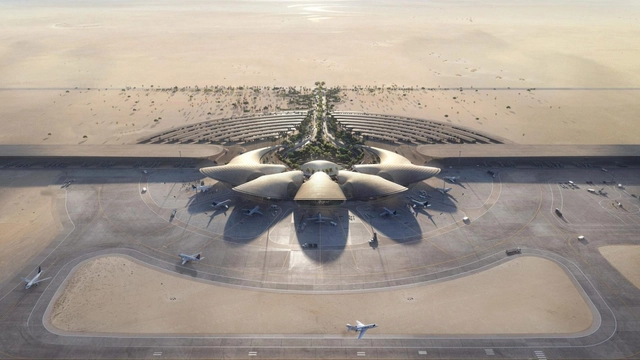
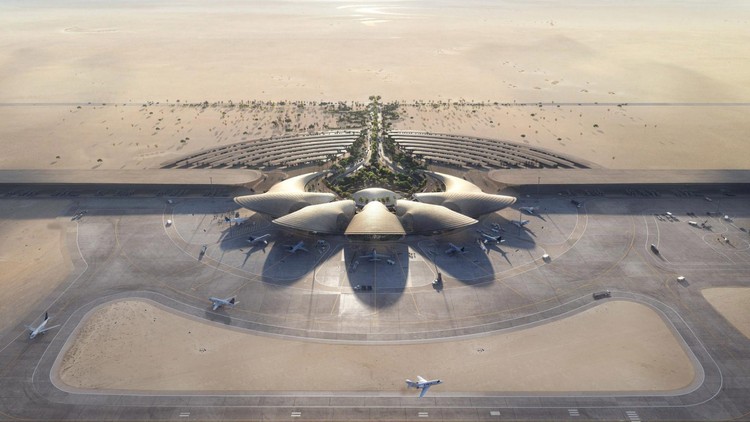
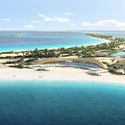
Construction has begun on the new Red Sea International Airport by Foster + Partners in Saudi Arabia. The airport is located on the country's west coast, and is part of the larger Red Sea Project and tourism development. The design was inspired by the "colors and textures of the desert landscape" and will feature a series of five pod structures arranged radially around a central drop-off and pick-up space.
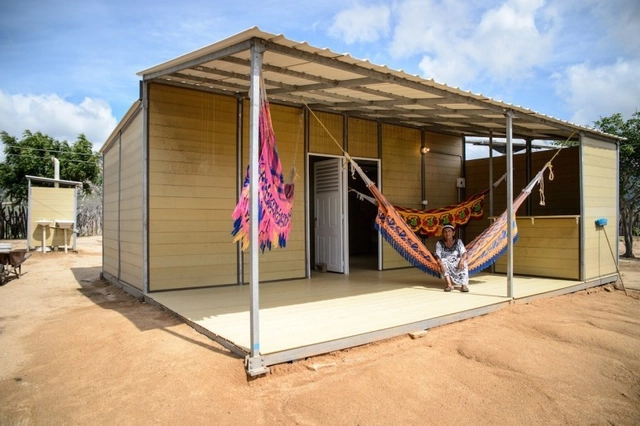
Among the social challenges facing Colombia is the lack of decent housing for a large portion of the population. A survey by the country's population statistics center revealed that 35% of Colombians live in poverty, lacking access to adequate living conditions.
For construction startup Woodpecker, the answer to this problem might lie in another national challenge: agricultural waste from coffee production, as Colombia is one of the world's largest coffee producers.
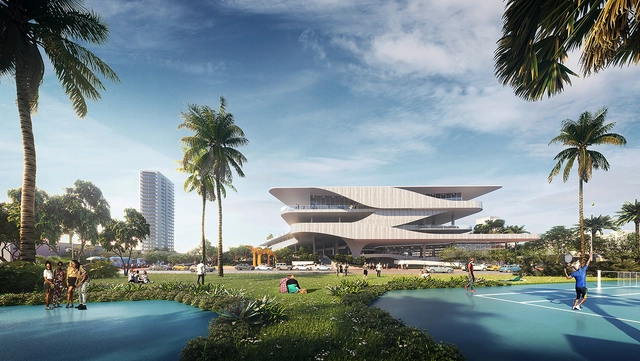
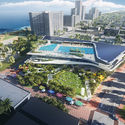
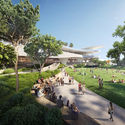
Brooks + Scarpa along with PCL and BEA, design/build team is one of three finalists selected for a new community mixed-use complex. Located in the heart of Miami Beach, just one block west of the beach, the structure that replaces a municipal surface parking lot, will include pools, libraries, retail, a community center, and a 3-acre park. Designed as a resiliency hub, the building can accommodate future residential and office use when less parking is needed.


































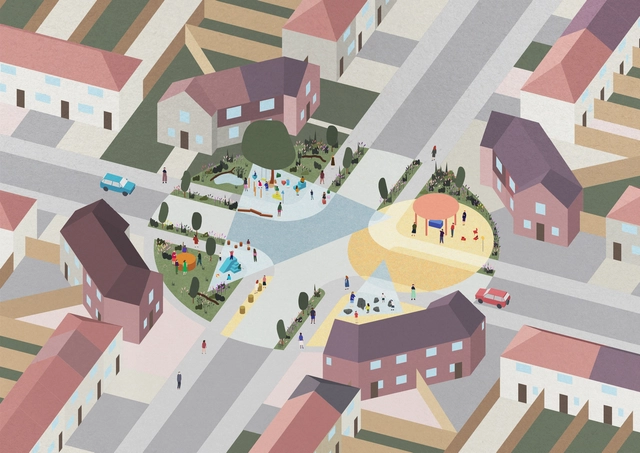
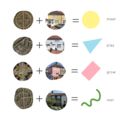

_photo_credit_-_Kalpesh_Lathigra.jpg?1614596399 "Becontree Estate. Image © Kalpesh Lathigra")