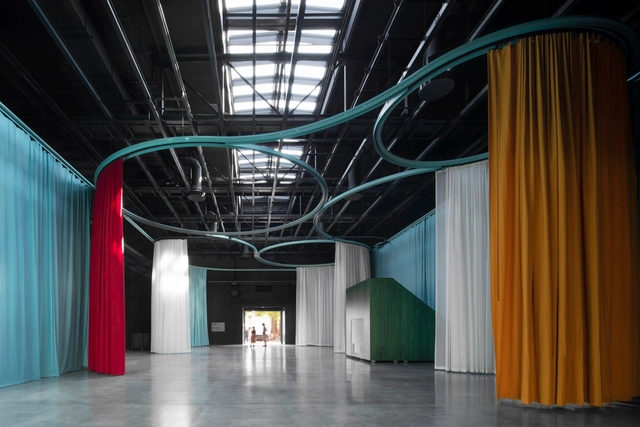
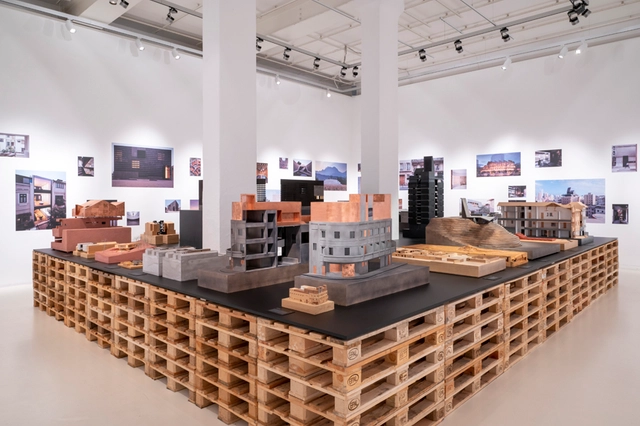
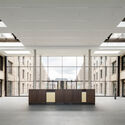
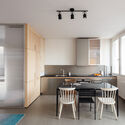
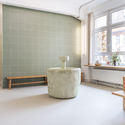
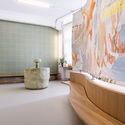
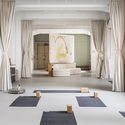
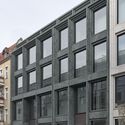
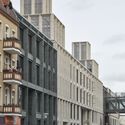
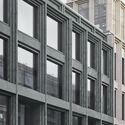
With Neri&Hu Design and Research Office, the Chinese avantgarde in architecture, research and teaching, product and interior design has arrived in Europe. In the exhibition Reflective Nostalgia, Lyndon Neri and Rossana Hu are convincing in the way they examine the historical and the contemporary as well as the listed and the everyday and to transform them into new uses in a respectful and future-oriented manner. In addition to their numerous conversions and new buildings in Asia, such as residential and office buildings, theatres, shops or, for example, a chapel and a whisky distillery, the exhibition also shows projects from Europe, including a restaurant in Paris, a hotel in London and the expansion of the creative quarter Cologne-Ehrenfeld with an office building. Neri&Hu also design products and showrooms for international companies, thus demonstrating their diverse skills and the quality of their work in all scales and disciplines. With design confidence, they create exciting, sometimes surprising spatial constellations – from found and recycled materials or building parts of the respective location and by adding new elements. Historicising set pieces are omitted, while the charm and character of the 'old' remains legible and tangible and thus identity-forming in Neri&Hu's positive reinterpretation of the nostalgic. Their transdisciplinary design approach is in the DNA of the studio. As early as 2004, they were co-founders of Design Republic, a multidisciplinary design platform in Shanghai. The success of the broad spectrum of their work is reflected in numerous international awards. They currently teach at the Yale School of Architecture and the Harvard Graduate School of Design. Rossana Hu was also appointed Chair of the Department of Architecture at Tongji University in Shanghai in 2021. The exhibition installation features architectural models, photographs and videos, as well as a selection of furniture. Neri&Hu's alternative reading of historical contexts, including all the contradictions and details, as well as the unexpected spatial compositions with which they respond to them in a magnificent way, can be experienced.
This spring I bring you the first edition of Disrupt- The Business of Architecture Symposium.
This is the first of its kind event at this scale.
What makes it different from any other bigger business-oriented events you might have attended in the past?
Here you learn from C-level leaders, partners, directors, founders, and editors-in-chief of some of the most prominent and largest architecture businesses in the world.
The event is organised under the tagline: “Success leaves clues”
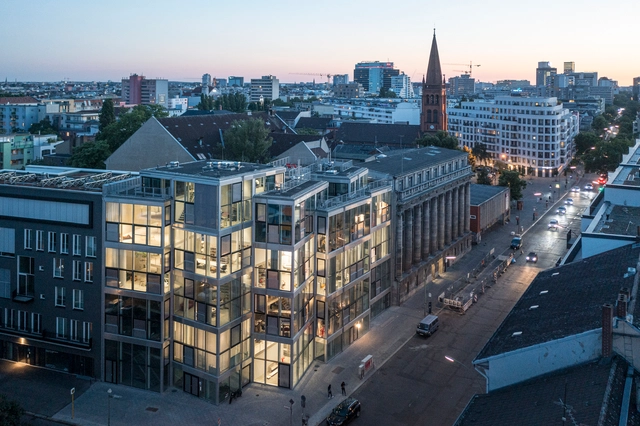
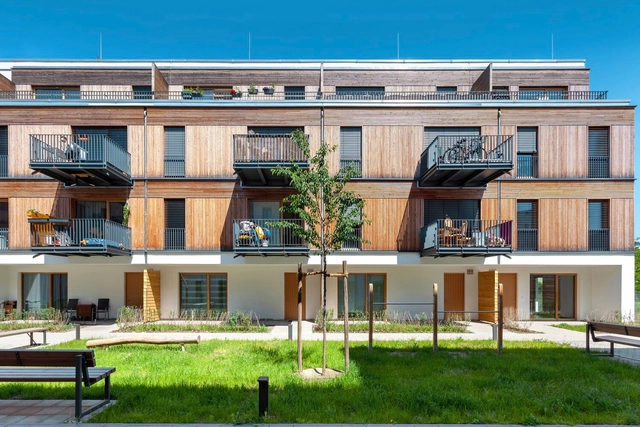
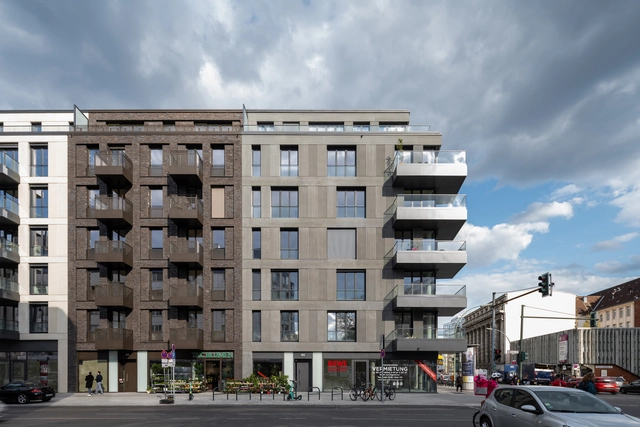
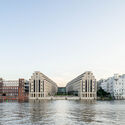
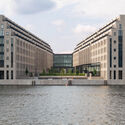
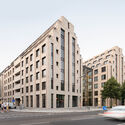
The Norwegian tradition of ‘dugnad’ encourages everyone to contribute in order to achieve a common goal. It is based on a process of social relations, reciprocity and community solidarity and thus on the belief that together you are stronger than alone. The architecture firm Mad refers to ‘dugnad’ as a key to creating solutions for a sustainable future in an increasingly complex and challenging world. For Mad, architecture is also about re-evaluating, nurturing or preserving social and cultural resources that shape our built environment. These aspects can be observed exemplarily in the four projects that have been compiled for the exhibition at Aedes – among them, the timber high-rise WoHo in Berlin-Kreuzberg, which is currently under planning and is considered a social pilot project in urban development.