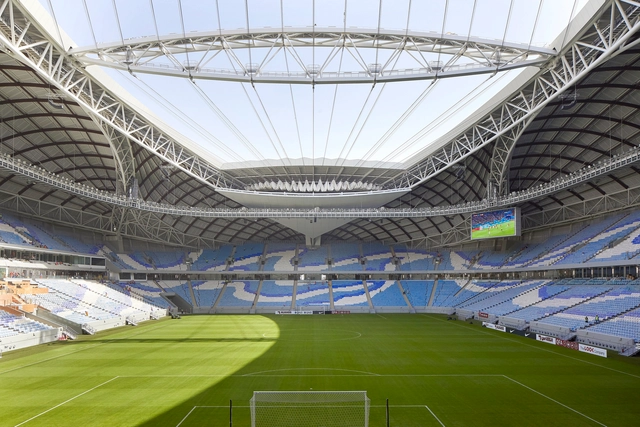
The World Cup will take place between November and December. This is due to the host country’s climate in June and July when Qatar can reach average temperatures of 40 to 50°C.


The World Cup will take place between November and December. This is due to the host country’s climate in June and July when Qatar can reach average temperatures of 40 to 50°C.
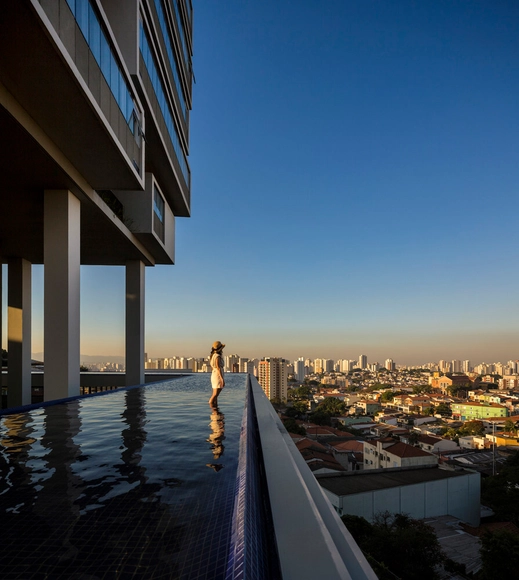
Fashion designer Paul Smith, British band Radiohead and Swedish film director Ingmar Bergman seem to have nothing in common, except for being constantly mentioned as major inspirations for São Paulo architect Isay Weinfeld. A multidisciplinary range of influences that says a lot about his personality and, accordingly , about his works.
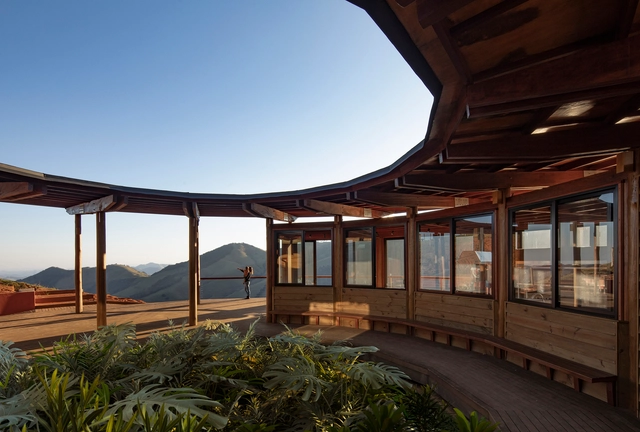
Architectural photography has historically been a male-dominated genre, as has architecture itself and the construction industry in general. But this scene is changing fast. Some of the most relevant names in architectural photography in the world are now women, and Brazil is no different. When facing gender barriers – one of the main difficulties being exposure to public space at unusual times, carrying valuable equipment, as photographer Ana Mello has already stated in an interview – these professionals are breaking paradigms and immortalizing the works with their sharp and sensitive eyes.
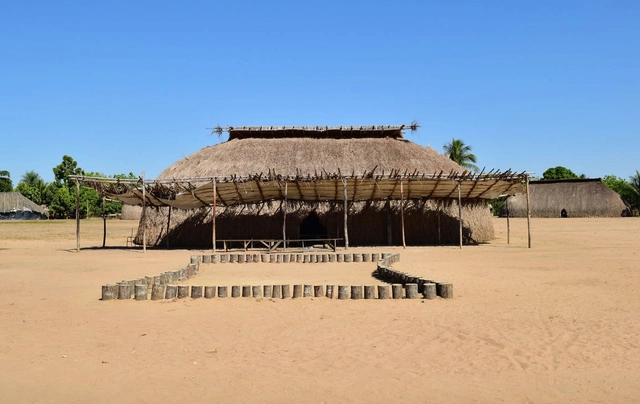
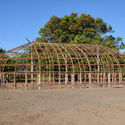
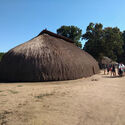
“We should admit nature as an immense multitude of forms, including each part of us, who are part of everything”, says Ailton Krenak, renowned indigenous leader, in his book Ideas to Postpone the End of the World. The culture of native peoples does not understand humanity and the environment as things that are separate or superior to each other, but rather as parts of a whole. Through this particular understanding of the universe, these peoples are led to a sensitive appropriation of the territory, with structuring beliefs that are also reflected in their architecture, raising the very concept of sustainability to another level, since nature is not seen as a resource to be used, it is thought of as part of the community.



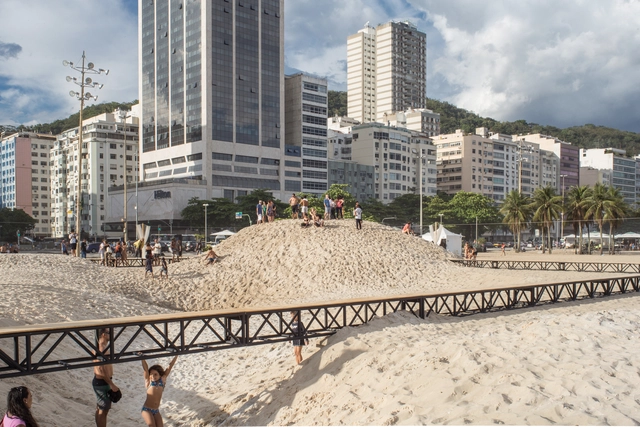
In the midst of programmatic diversity and experimentation, the Rio de Janeiro office gru.a is an encouragement to those who wish to venture into the expanded field of architecture. Formed by partners Caio Calafate and Pedro Varella in 2013, gru.a demonstrates the potential of the profession when it dialogues with other disciplines.
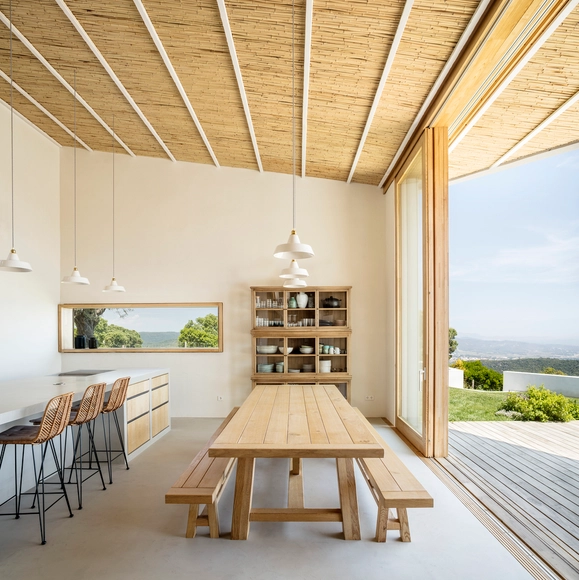
As part of the effort to make the construction sector more sustainable in the face of the climate crisis, the bioeconomy has stood out. While the road to net-zero architecture is still very complex, the emerging shift in culture and general thinking is evident, and innovation seems to be driving this transformation.
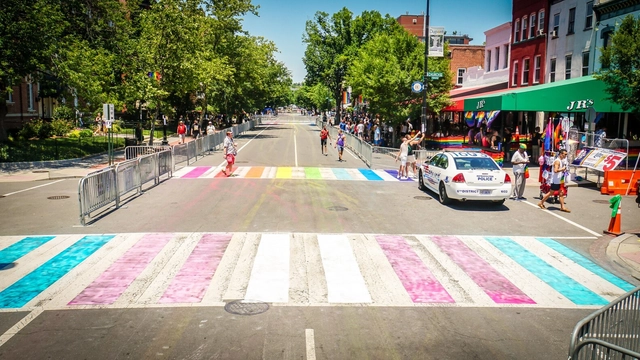
In the 1970s, in Berkeley, California, a group of disability rights activists called the Rolling Quads began dismantling curbs and improvising sidewalk ramps, demanding access for wheelchair users. But what people did not expect was that wheelchair users would not be the only ones to benefit from the intervention. Soon, pedestrians with baby strollers, heavy suitcases or simply with reduced mobility started using the ramps. Likewise, a gender-inclusive city works better for everyone. A city where all gender minorities of different ages and abilities can move around easily and safely, participate fully in the workforce and public life, live healthy, sociable and active lives, is a city that improves everyone's lives.
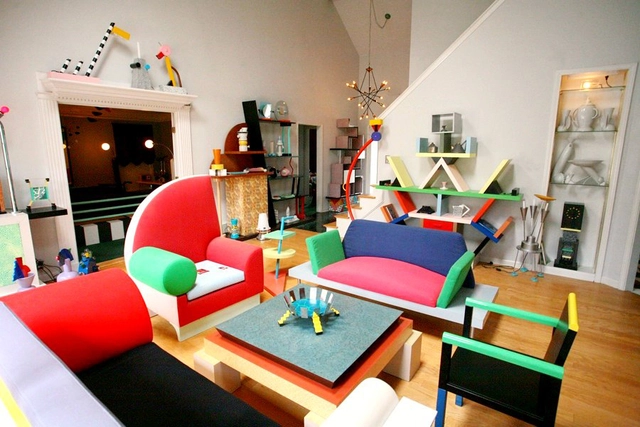
Far from the US state of Tennessee, the Memphis movement emerged in Milan in the 1980s and revolutionized design. Its gaudy colors, exaggerated patterns and conflicting prints were intended to overturn the minimalism status quo of the time, also contradicting the functionalist design postulated by the Bauhaus with its purely aesthetic and ornamental forms.
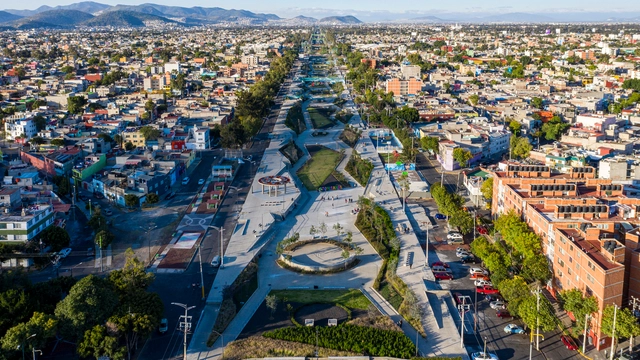
Extreme natural events are becoming increasingly frequent all over the world. Numerous studies indicate that floods, storms, and sea-level rise could affect more than 800 million people worldwide, ultimately costing cities $1 trillion per year by the middle of the century. This suggests that urban survival depends on addressing urban vulnerability as a matter of urgency to protect the city and the population.
As one of the first steps in the elaboration of an architectural project, the study of the current legislation on the ground is of paramount importance for the success of the proposal. Through calculations and restrictions, zoning laws present limits to be considered in projects that, consequently, instigate architects to think of intelligent solutions, dealing with such limitations in a practical and creative way.
These parameters are dictated by the government and aim to stop, maintain or accelerate urban growth in certain portions of cities. These are norms that establish guidelines for land occupation, delimiting the percentage of built-up area, setbacks, distances, permeability, among others.
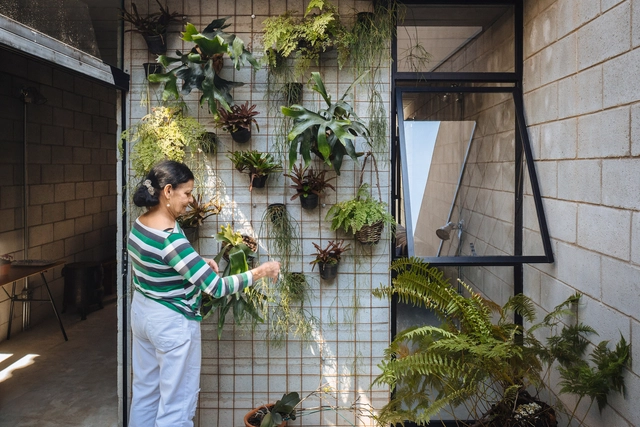
Earlier this year, I witnessed an intriguing situation. I followed, via an architect friend, the negotiation for the contracting of an architectural project for a single family home. The land owner, a public school teacher, sought professional help to build her dream home, estimated at about 60 square meters. It was a challenging terrain, with specific cutouts and a very steep topography that was compensated by the view of the city. The limited budget and the owner's history indicated that this would be the seaside version of the famous Vila Matilde House by Terra e Tuma.
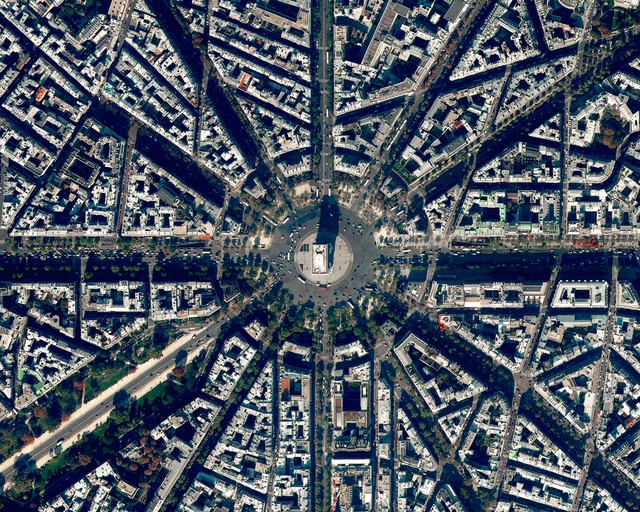
In theory, urban planning is a process of elaborating solutions that aim both to improve or requalify an existing urban area, as well as to create a new urbanization in a given region. As a discipline and as a method of action, urban planning deals with the processes of production, structuring and appropriation of urban space. In this sense, its main objective is to point out what measures should be taken to improve the quality of life of the inhabitants, including matters such as transport, security, access opportunities and even interaction with the natural environment.





“Let me tell you what I think of the bicycle. It has done more to emancipate women than anything else in the world. It gives women a sense of freedom and self-confidence. I appreciate every time I see a woman cycling... an image of freedom”. Susan Anthony, one of the most important American suffragette leaders, said this at the beginning of the 20th century, praising the libertarian power represented by women and their bicycles at the time.

"in downtown New Delhi, huge curved structures sink in the ground, taking the form of a ramp. Amorphous voids mark the great twisted walls. The color red marks the structures and sets them apart from everything else."
This could describe a playground or even a skate park, but it is one of five astronomical observatories built in India between 1724 and 1738. These mazy volumes, which look more like a materialization of Escher's drawings, were conceived by the Indian prince Jai Singh as part of an ambitious project that sought to put architecture at the service of science. Their shapes make complex astronomical analysis possible, such as predicting eclipses, tracking the location of stars, and determining Earth's exact orbit around the Sun.
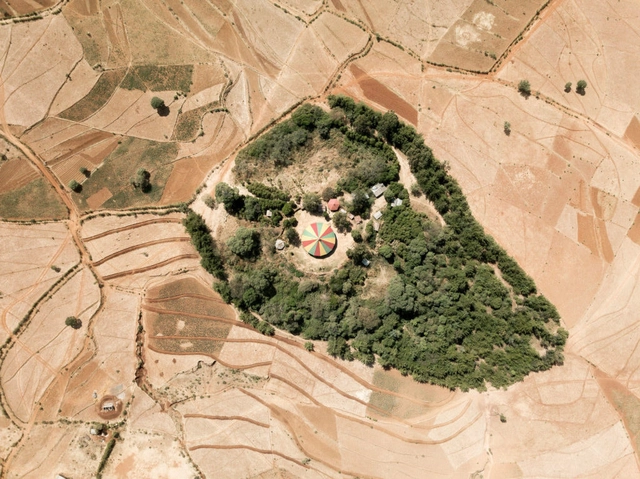
“And the Lord God planted a garden in Eden, in the east, where He placed the man He had formed. Out of the ground the Lord God gave growth to every tree that is pleasing to the eye and good for food.”
This is how the Garden of Eden is portrayed in the first book of the bible, Genesis, which describes the origin of the universe and the heavenly place where Adam and Eve were placed. Such a paradise, despite being little characterized in the original words, has been inhabiting the imagination of the faithful and other enthusiasts of the matter for centuries. The scenes of this idyllic place, reinforced by the paintings and sculptures created over time, present a landscape considered ideal, an Edenic nature, expressed many times by the vibrant and contourless color – just like a painting by Monet –, probably emphasizing the representation of the spiritual world, where the image is seen through the contrast of colors, shadows and lights.
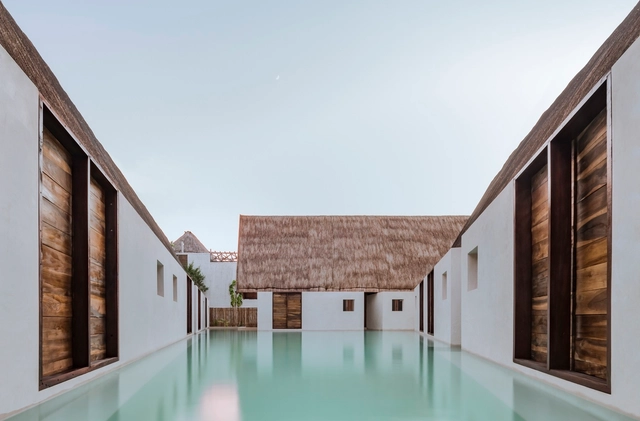
In the history of architecture the concept of beauty has always been linked to different factors that represent, mainly, the values of society in a given period. The zeitgeist is certainly crucial to these definitions, so something that was once considered beautiful in the past is likely to be given another connotation nowadays. In this sense, aesthetic preferences in architecture seem to be linked to symbolic references implicit in the construction itself and in its relation with the world. They are preferences that express convictions, ideologies and positions, as well as moral, religious, political feelings and, of course, class status symbols.

The hands hold the weight of the entire body, feeling the rough texture of unplastered mortar on its thin membrane. Even with the whole body stretched out against the wall, it still was not possible to see what was behind it. Sweat, in a mixture of adrenaline and heat, ran down his temples, indicating the movement for a final effort, a last impulse before the imminent fall that, for a few seconds, allowed him to overcome the last row. The field of vision was then opened to a fragmented, disconnected and oddly free world. An urban power that allowed itself to be strangled by the breath of tropical vegetation while being consumed by abandonment amidst an active and dynamic city.
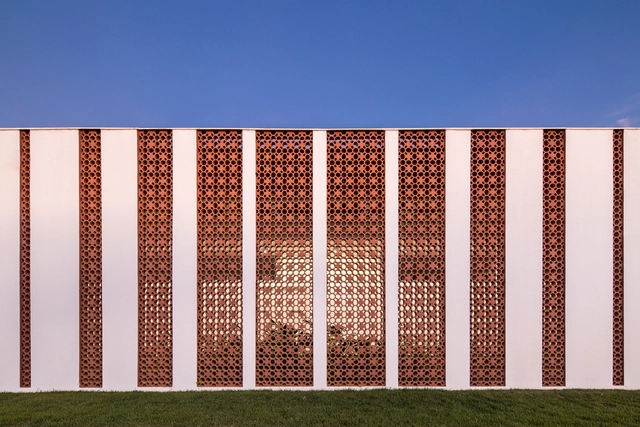
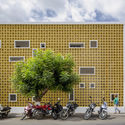
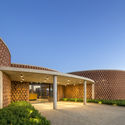
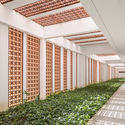
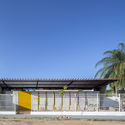
The hammock swaying on the balcony, the sunlight passing through the pierced elements in a dance of light and shadow, the vibrant color marking the spaces and bringing life, these are some of the characteristics present in the daily life of the works of the quartet that form Lins Arquitetos Associados.





_2880.jpg?1657132541 "Esquire Office / Studio Bipolar. © Suryan//Dang")