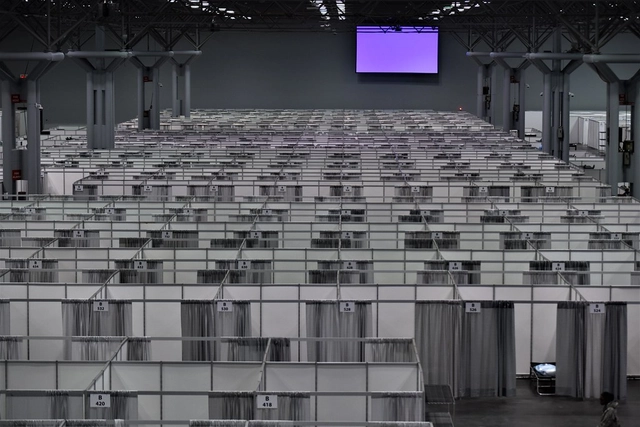
Jacob K. Javits Convention Center in New York City, April, 2020. New York National Guard. (U.S. Air National Guard photo by Major Patrick Cordova)
Cities have always been a stage for transformations. The directions, the flows, the different ways of using the spaces, the desires, all change and give way to new places and needs. Such richness provides the city with an innovative and mutable character, but it also implies demand for more flexible architecture in terms of the functional program and structure. Especially during the past year, we have witnessed - at breakneck speed - great changes in the cities and urban spaces. The pandemic brought new paradigms that suddenly disrupted long-established norms. Houses became offices, offices became deserts, hotels turned into health facilities, and stadiums turned into hospitals. Meanwhile, architecture has had to reveal its flexibility to support purposes that could not be foreseen. This adaptability seems to have become the key to creating spaces that are coherent with our current lifestyle and the speed of modern times.
In Mendoza, Argentina, the digital fabrication research lab Node 39 FabLab created a frame loom structure made of digitally cut wood to help indigenous people in the central region of the country weave and create their traditional patterns. In the state of Ceará, northeast Brazil, a study entitled "Artífices Digitais" (Digital Artisans) by the Federal University of the State of Ceará used digital fabrication tools, namely 3D printing, to produce digital models, like digital prosthetics, to restore the damaged parts of an altarpiece of the high altar of the Mother Church in the city of Russas.
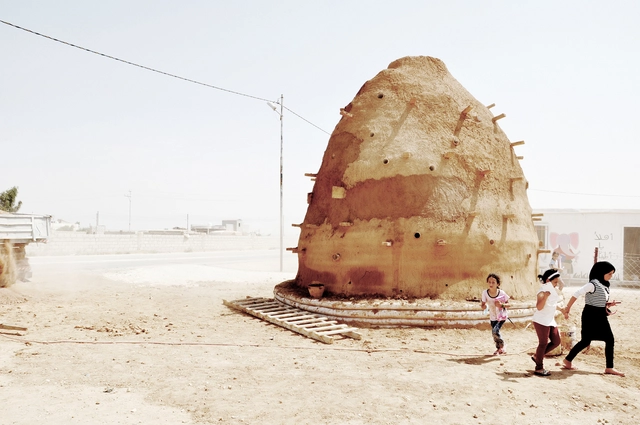
UNHCR, the UNRefugee Agency, estimates that global forced displacement surpassed 80 million in 2020, which is more than one percent of humanity. Five countries account for 67 percent of people displaced across borders: Syria, Venezuela, Afghanistan, South Sudan, and Myanmar. Reasons can vary from war conflicts to economic, political, or environmental conflicts and crises.
Although it is a global phenomenon based on geopolitical, legal, and social dimensions, there is also a subjective dimension to this type of displacement, mainly because people use the symbolic systems surrounding them to build their identities. In other words, besides facing the hardships of leaving their homeland, refugees must also deal with the subjective effects aggravated by the condition of being a "foreigner," which means that they become marginalized by the established system of symbolic-cultural representations.
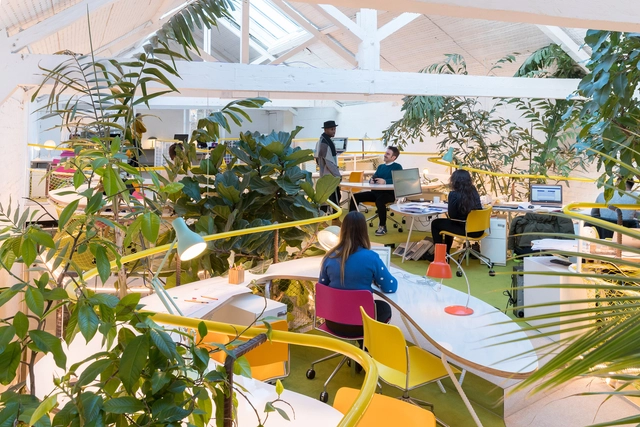
Burnout syndrome is an occupational phenomenon resulting from chronic workplace stress and emotional tension and has been affecting more and more professionals every day. It is directly associated with each person's daily work life, not only with the operational aspects of the job but also the physical environment.
We spend on average 1/3 of our day in workspaces, so it's no wonder they considerably affect our mental health. Following a period of intense home office activity during the year 2020, now people are returning to collaborative workplaces. These spaces offer a great alternative to escape the domestic environment and create separate places for each function of our lives, a much-needed change after a year of isolation.
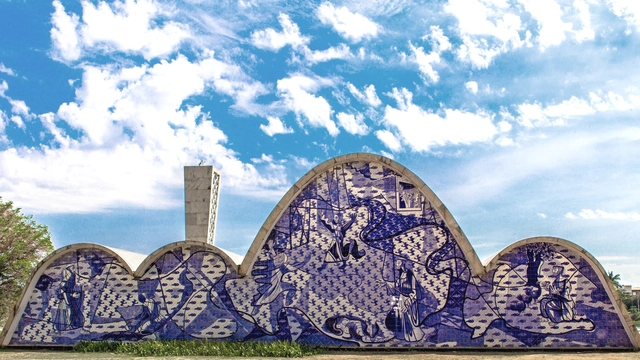
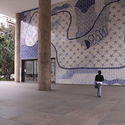
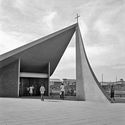
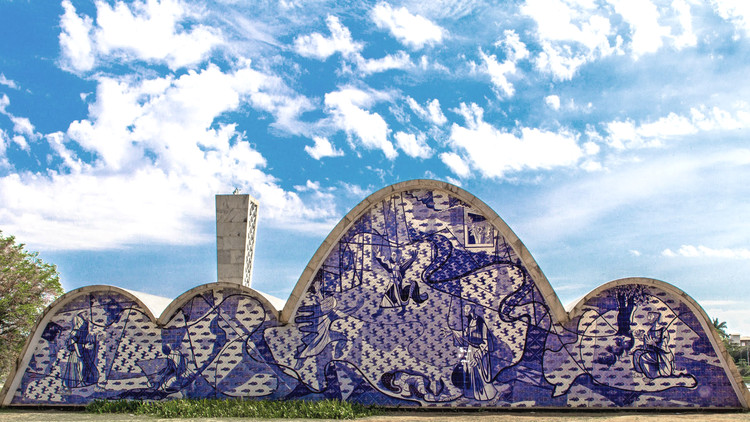
"I felt like I was Nino Rota and Oscar Niemeyer was Fellini, it was like I was creating an important piece of music in that work of art." Renowned visual artist Athos Bulcão uses this comparison between the Italian composer and the film director to refer to the relationship between his work with ceramic tiles and architecture. This fusion between art and architecture marked an important period in the history of Brazil, shedding light on issues such as national identity, the massification of art, and architectural techniques aimed at the tropical climate.
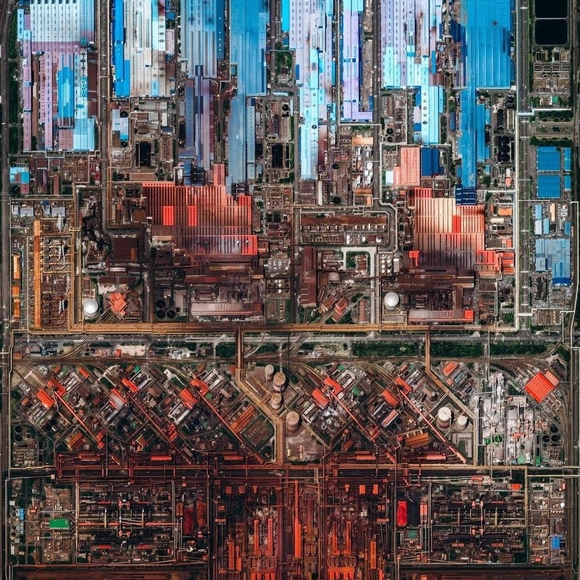
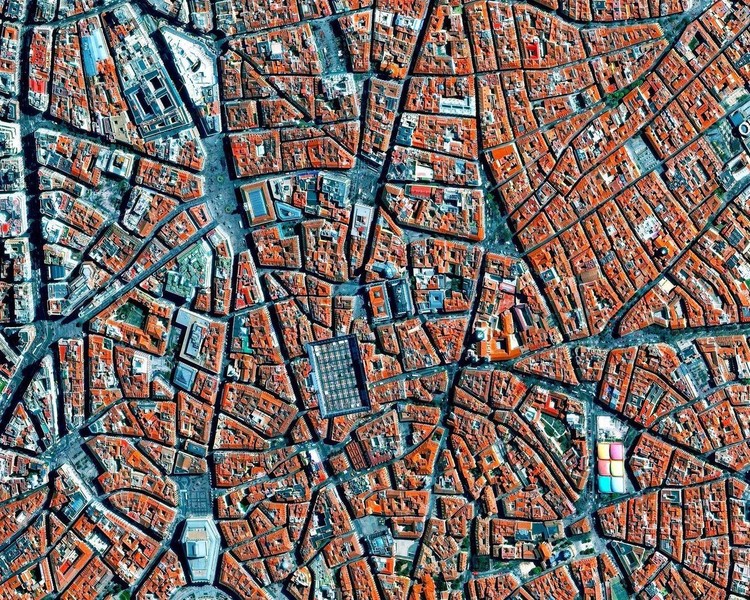
Created by @overview Source imagery @maxartechnologies
Historically, industrialization means a process of economic change that transforms an agrarian society, with mostly handicraft techniques, into an industrial society to increase productivity and economic growth. This mechanization and mass production leads to deep social transformations, but the most significant consequence is an enormous change in the urban landscape.
As the prefix already indicates, postmodernism is a turning point in history, thereby proving the willingness of scholars to define this new era based on the rejection of the previous movement. Postmodernism first emerged in the 1960s as a departure from modernism. As a reaction against the austerity, formality, and lack of variety of modern architecture, particularly in the international style advocated by Le Corbusier and Mies van der Rohe, postmodernism defends an architecture full of signs and symbols that can communicate cultural values. Postmodernism is a reaction to homogeneity and tediousness by praising difference and striving to produce buildings that are sensitive to the context within which they are built.
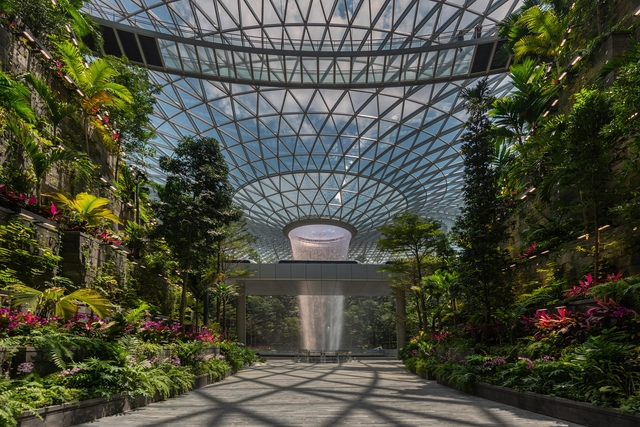
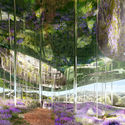
Humans possess an innate tendency to seek connections with nature, regardless of the physical or geographical conditions in which we find ourselves. As we become increasingly detached from the wilderness, we develop means and strategies to bring nature back into our daily lives, even if only for a few moments.
There are many ways of domesticating nature, as seen throughout the history of mankind, through fascinating structures that challenge technical limitations, such as vertical indoor gardens.
Imagine yourself welcoming your colleagues to a business meeting at your home. The table is set next to the infinity pool, under the shadow of a huge curved metal structure reminiscent of Zaha Hadid's most audacious designs except for the complete absence of pillars. Hovering in the air, the roof completes an idyllic setting for this mansion on a rocky hillside. The house was recently acquired as an NFT and is digitally accessed via encrypted code. That's right, this is your virtual home. The physical one is a small 40m2 apartment in the center of one of the busiest and most polluted cities in the global south.
The slogan "Stay Home" has been guiding people throughout the past year, making us rediscover our home as a place of refuge, shelter, and protection. Within this new status quo, much has been discussed about the important role played by architecture and interior design in improving both the physical and mental wellbeing of its inhabitants.
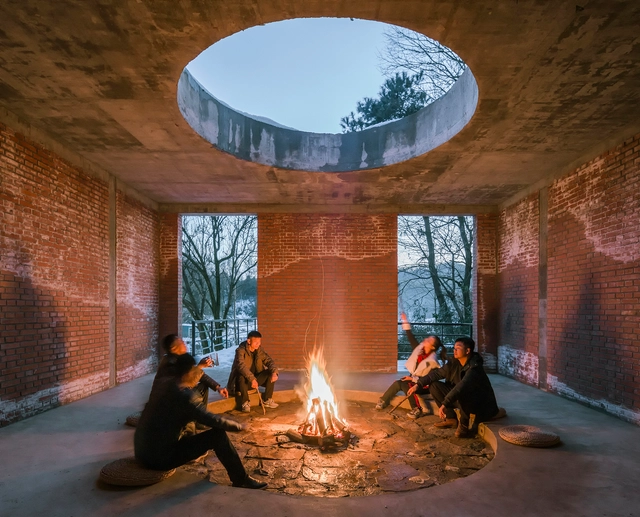
From the most complex to the most simple, we have been revisiting various design strategies in search of a sense of comfort and seclusion in our homes. Although we are living in the most technological age of all, we find ourselves drawn to the most fundamental elements, as if returning to our origins.
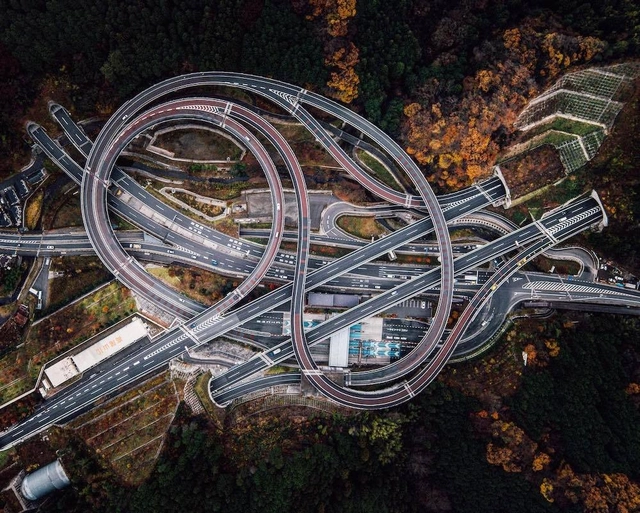
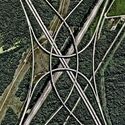
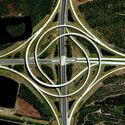
Sagamihara, Japan. Drone photo by Rob Antill (@digitalanthill) and Ben Steensls (@randomoperator)
We live in a tangled web of flows – of capital, information, technology, images, structures, in constant momentum dominating all aspects of our lives. The large-scale road infrastructures shown here are products of this powerful desire for movement, which for many years was also synonymous with development, as portrayed by the famous Goethean character Faust in his endless quest for a (false) sense of progress.
From these tangles of concrete and steel, at multiple levels and in different directions, emerges a geometrically organized chaos that tears the urban fabrics in a relentless effort to prioritize the flows with the fewest obstacles and the highest capacity possible.
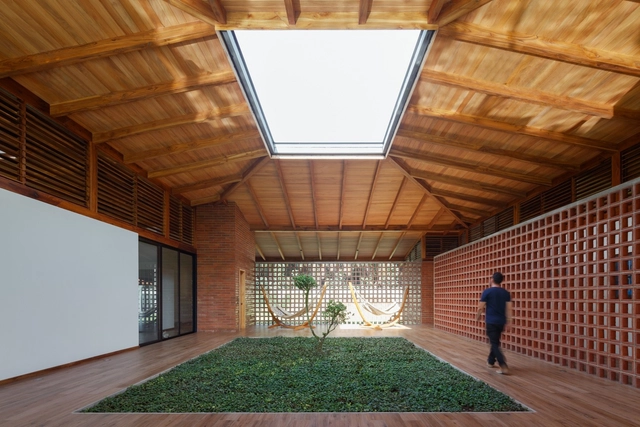
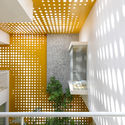
There was a time when people appreciated self-contained architecture, in which the building envelope would not function as a moderator between the climate outside and the interior environment but rather as an inert and independent barrier. Countless mechanical devices and electrical ventilation, heating, and cooling equipment. A real machine.
Today, architects are increasingly concerned with the interaction between architecture and the environment in which it is inserted, thus assuming responsibility for the thermal comfort of interior spaces, using design strategies for natural climate control.
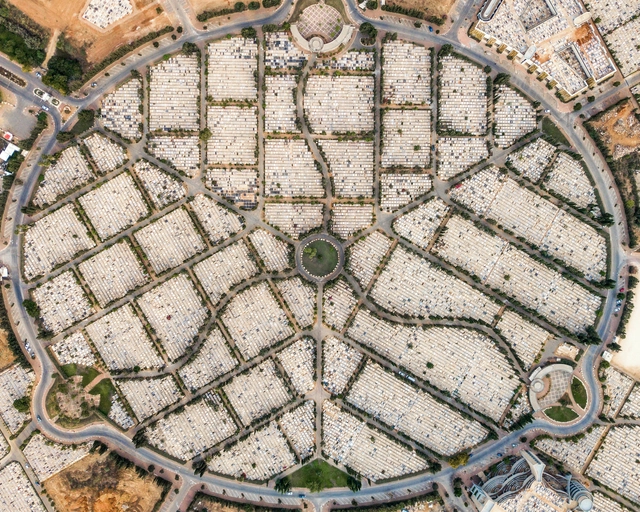
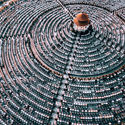
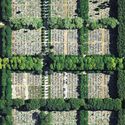
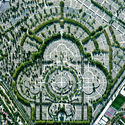
Memento mori is an ancient Latin expression that means "remember that you are mortal." The Roman people used it not to represent a fatalistic approach to death but rather as a way of valuing life.
A few centuries later, as we arrive at our current context and the world reaches the terrifying figure of 2 million deaths as a result of the Covid-19 pandemic, memento mori is more relevant than ever.
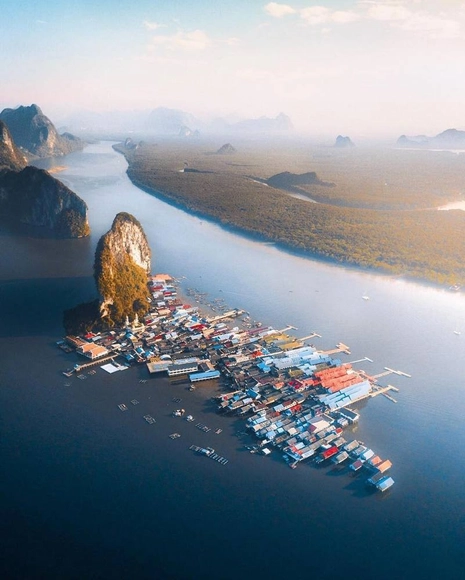
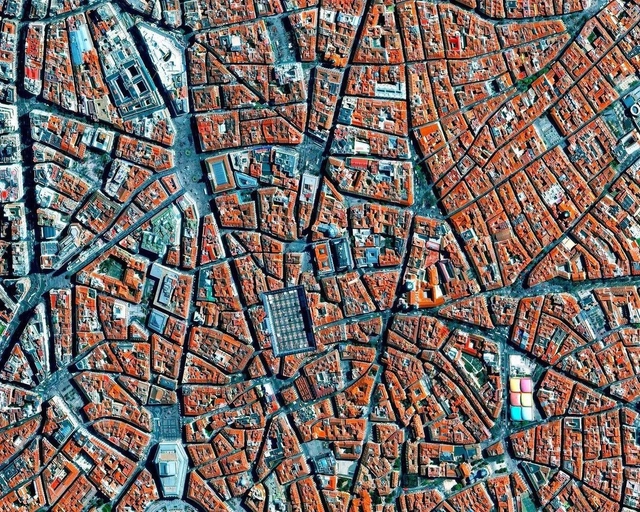
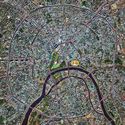
When we talk about cities or their lesser variations – villages, towns, communities –, we are used to evoking stereotyped scenarios that relate to streets, cars, buildings, and we often end up forgetting that there are plenty of other surprisingly unique patterns.
Many people study the cities and wonder about the exact moment when they were invented, given that they are open, unfinished works in progress. Some assume that their origin was due to the need for protection, which caused humans to quit nomadic lifestyles and settle as groups in a specific land to increase their chances of survival.
In 1941, Swiss engineer George de Mestral was coming back from a hunting trip with his dog when he noticed that some seeds kept sticking to his clothes and his dog's fur. He observed that they contained several "hooks" that caught on anything with a loop, and from studying this plant, seven years later, he invented the hook and loop fastener, which he named Velcro.
In his book Breve Historia del Urbanismo (Brief History of Urbanism), Fernando Chueca Goitia states that the medieval city appeared at the beginning of the 11th century and flourished only between the 12th and 13th centuries. According to the author, this growth was closely linked to the development of commerce that allowed permanent occupations, resulting in a city no longer composed mainly of travelers. In other words, the bourgeoisie was formed thanks to the most diverse activities - craftsmen, tradesmen, blacksmiths, longshoremen - which stimulated the development of the medieval city.
When designing in times of quick and constant transformations, one must keep a close eye on the surge of new demands, and one must design spaces that embrace such mutability.
Flexible furniture is a reflection of this contemporary behavior because they can be moved around easily, they have great adaptability, and because they can perform different functions in a single piece. These pieces enable several different layouts, being able to adjust their shape according to specific requirements and changes, which helps optimizing interiors.
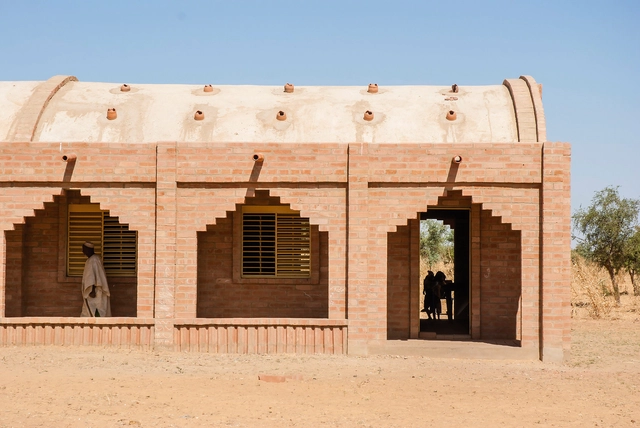
Primary School Tanouan Ibi, Mali. Image Courtesy of LEVS Architecten
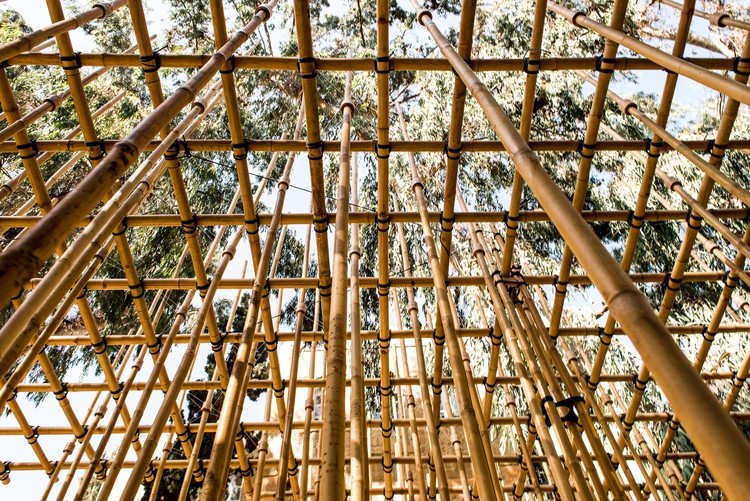
Vernacular architecture can be defined as a type of local or regional construction, using traditional materials and resources from the area where the building is located. Consequently, this architecture is closely related to its context and is aware of the specific geographic features and cultural aspects of its surroundings, being strongly influenced by them. For this reason, they are unique to different places in the world, becoming even a means of reaffirming an identity.


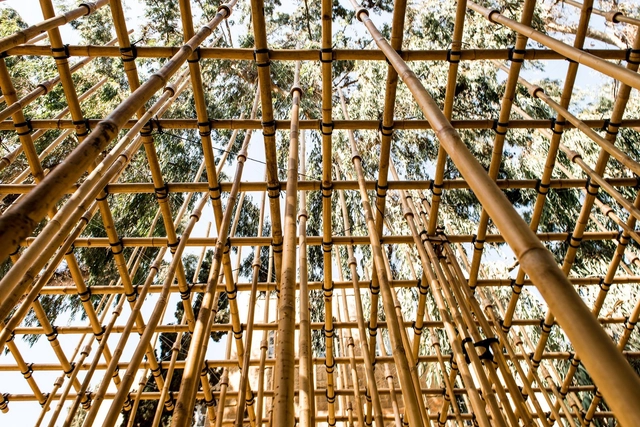




.jpg?1626309236 "Abeer Seikaly’s Structural Fabric Shelters Weave Refugees’ Lives Back Together. Courtesy of Abeer Seikaly")












.jpg?1625088987&format=webp&width=640&height=580)


.jpg?1625088987)



















_NAARO_-_Copia.jpg?1606329213&format=webp&width=640&height=580)


_NAARO_-_Copia.jpg?1606329213)
.gif?1604578732)