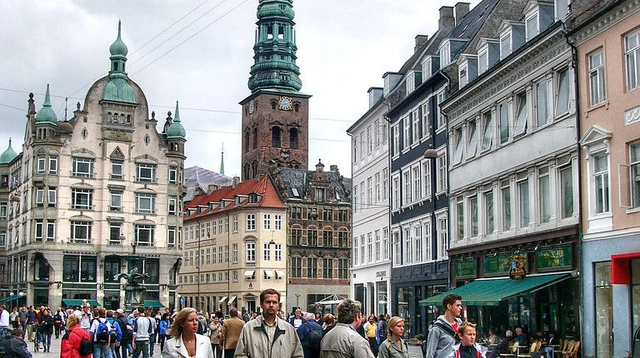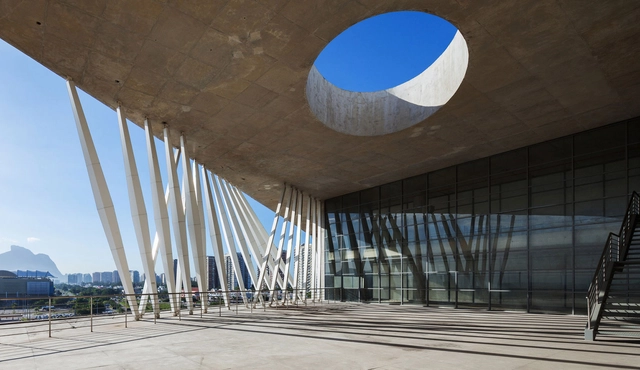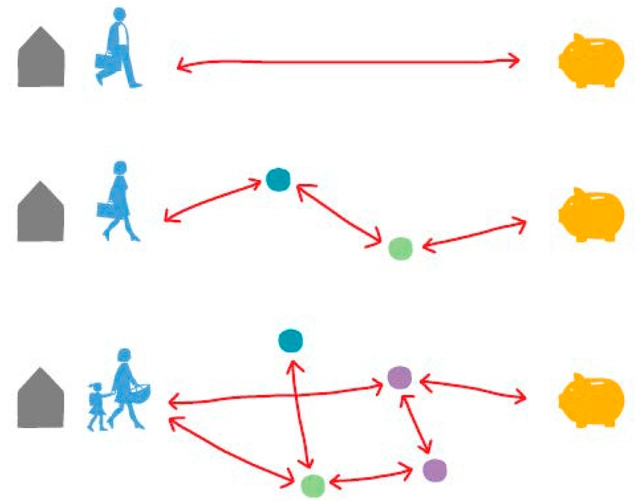

Proximity, understood as an urban quality that facilitates the management and pursuit of daily life, has for decades been a key tenet of feminist and gender-responsive urbanism. In the 1970s, academics from various disciplines began analyzing the link between the configuration and use of space and gender relations and roles. Since then, a robust critique of the androcentric configuration of the city has emerged, alongside proposals and criteria to rethink spaces from a gender perspective.


























..jpg?1644514229&format=webp&width=640&height=580)

._1.jpg?1644514203 "Oasia Hotel Downtown, designed by WOHA and STX Landscape Architects. Image")

.jpg?1644514319 "Kampung Admiralty, designed by Ramboll Studio Dreiseitl and WOHA. Image")
..jpg?1644514229)