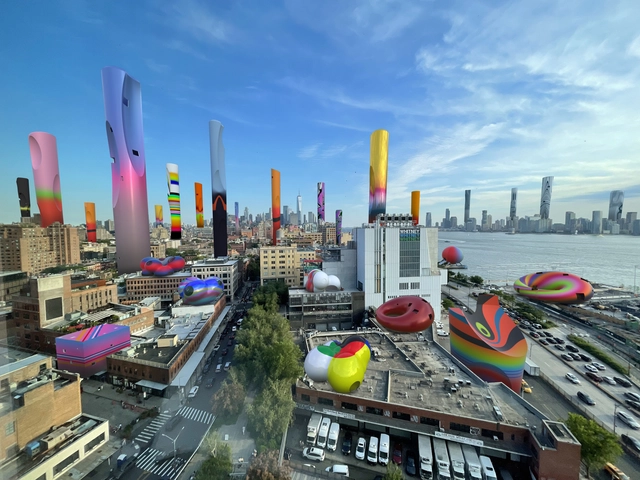
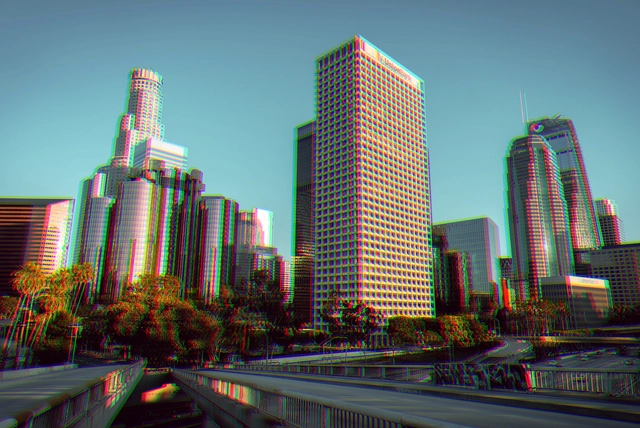
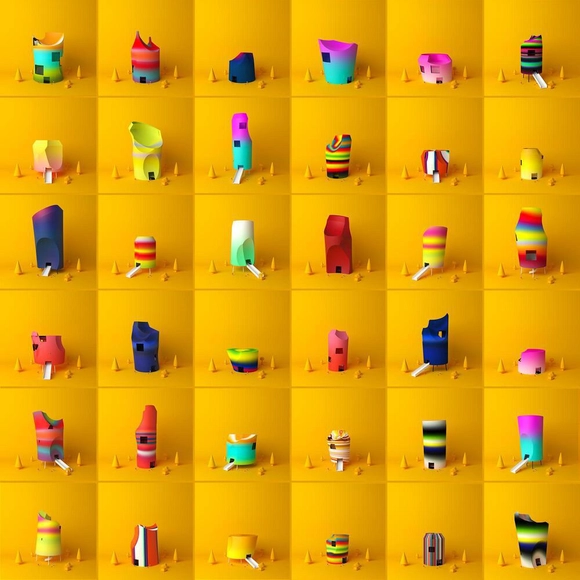
The promise of the metaverse, this new type of three-dimensional and immersive digital space, is proving to become more and more appealing to architects eager to explore the new realm of virtual creations. As it currently stands, the metaverse does not have a singular definition but is composed of many narratives and explorations. This unknown land is however fruitful ground for architects, who have to opportunity to shape not only the new environment but also the experiences of future users. The SOLIDS project represents one response to these conditions. Developed by FAR, an architect and engineer working with digital environments, SOLIDS uses a generative process to design unique, metaverse-compatible buildings.
Photo by Rihards Sergis, via Unsplash. Editing: ArchDaily
TikTok is a social network for sharing short videos that offers extensive features to edit them. It is possible to include filters, subtitles, soundtrack, gifs, make cuts and use creativity at will. As with Instagram and Twitter, you can follow other people's profiles and interact, liking their posts, making comments and even sharing via WhatsApp.
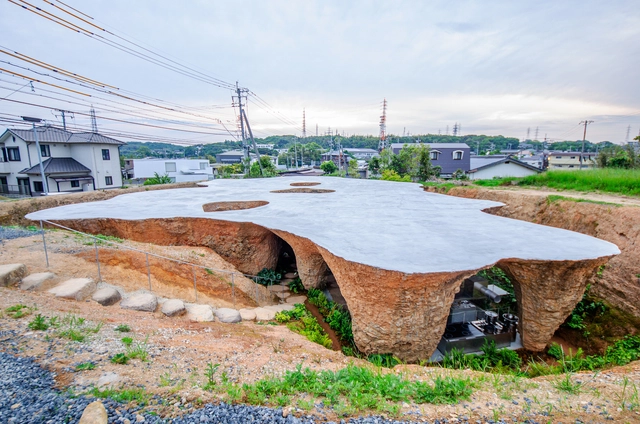
As 2022 winds down, ArchDaily brings together the highlights of architecture in a series of retrospectives. As part of this effort, the Projects Team turns to one of the most popular categories among readers—residential architecture—with the objective of gathering the houses that represent the best of a vast world of architectural production according to our worldwide audience.
The new technologies of the digital world caused changes in architecture and urbanism. New materials, new construction techniques, and new ways of manufacturing and building have changed how we design and think about construction. Besides, these technologies reveal possibilities of interaction between society and architecture, transforming the understanding of architecture and its purpose.
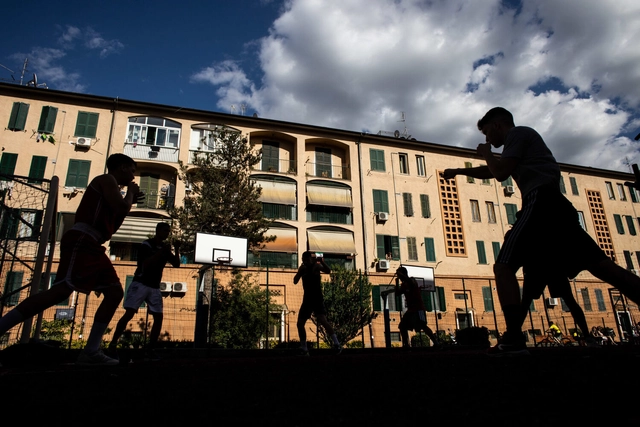
On first impression, Quarticciolo is a handsome district in Rome. A human-scaled public housing complex comprising red and yellow midrise buildings arranged around internal courtyards and gardens. Designed by architect Roberto Nicolini during the Fascist regime, this village feel isn’t found in the massive postwar residential schemes elsewhere in the capital. Like other rationalist architects, Nicolini was inspired by the ancient city. Basing the layout on a classical orthogonal grid pattern, he allowed just one tall structure, the Casa del Fascio (the Fascist party headquarters), a fortress tower that looms over the main square. Most of the buildings were constructed between 1938 and 1943 to house a working-class population that was forcibly moved from Rome’s historic center to the outskirts to make way for Mussolini’s grand public works.
https://www.archdaily.com/994464/rebuilding-and-destigmatizing-romes-quarticciolo-neighborhoodMarina Engel
We have reached the end of 2022 and it is time to review the most important milestones of the year on ArchDaily. This time, we searched for the photos that were the most liked on ArchDaily's Instagram.
https://www.archdaily.com/994082/the-2022-most-liked-photos-on-at-archdailys-instagramArchDaily Team
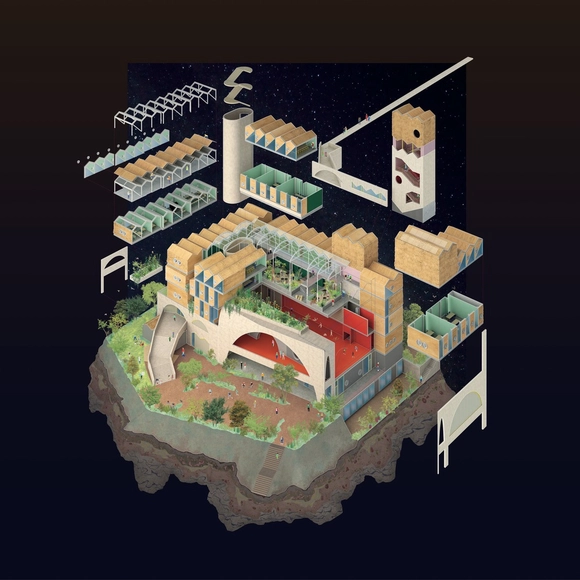
Every year, ArchDaily honors the best architectural drawings of the year in an annual tradition that has now been going on for eight years. The 2022 edition is particularly special, as it showcases a wide range of techniques and representations in the field of architecture. From traditional painting to digital collages and axonometric drawings, this year's selection truly has something for everyone.
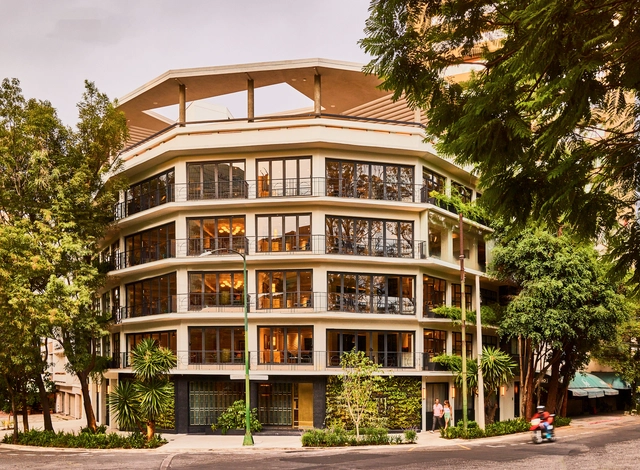
As part of a new concept that offers a proposal of tourism and rest, in an art deco building, Campos Polanco opened its doors in September of this year. Located in front of the Garden of the Republic of Lebanon on one side of the Chapultepec Forest in Mexico City, the project puts in place 12 suites created for executives and digital nomads looking to get away from chain hotels to immerse themselves in the local culture in one of the most exclusive areas of the city.
From its outer skin to its structural framing system, a building is made out of many layers. Just like a human body, many of those layers – which tend to be the most crucial, functional components – remain unseen by the public, covered with aesthetic features. Among all the hidden elements, all buildings include sheathing, the outer casing that construction crews place to serve several key purposes: protect the floor, walls, roofs and ceilings, fortify the structure against internal and external forces, and cover the entire framework, giving the building a solid shape.
Wood is the most common material for sheathing, with Oriented strand board (OSB) panels usually being the top choice. Why? Made by compressing and gluing cross-oriented strands of wood together with heat-cured adhesives, OSB boards are lightweight, flexible, strong, versatile and fully recyclable. They also stand out by resisting deflection, warping and distortion, apart from offering some thermal and acoustic insulation. However, besides their good performance and mechanical properties, OSB is especially known for being cheaper than other alternatives, drastically saving both costs and time. In fact, this structural panel can be $3 to $5 less expensive than plywood, which explains why it is often considered its low-cost substitute.
The year 2022 saw a rise in conversation around health and well-being. Two years after the start of the COVID-19 pandemic, the architecture industry is more informed about healthy building practices and equipped to drive forward impactful solutions. World Architecture Day 2022 was themed around “Architecture for well-being”, paralleling the designation of 2022 as the UIA Year of Design for Health in buildings and cities. As we wind up the year, ArchDaily explores “healthy spaces” as a trend along with insights that will last well into the future.
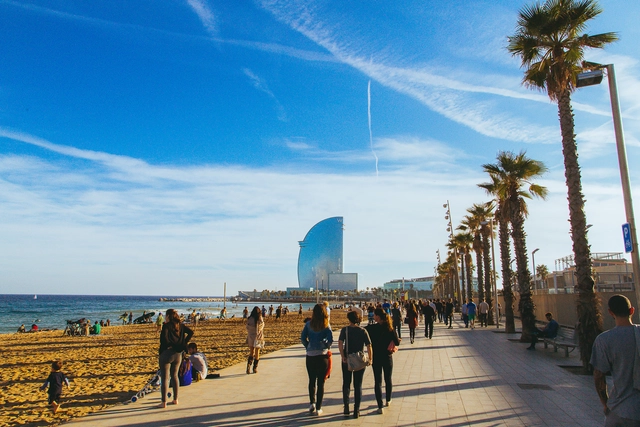
Playa de La Barceloneta, Fotografía Ingus Kruklitis / Shutterstock. Image Cortesía de CityMakers
CityMakers is working with Archdaily to publish a series of articles, conversations and interviews with the different actors of city co-production behind CityMakers Barcelona Lab 2022, an event that will take place from 14-18 November. On this occasion, Camilo Osorio, Architect and Master in Urban and Territorial Development at the Polytechnic University of Catalonia - Barcelona Tech, presents his article "Barcelona: Joy and Order. The natural and artificial endowments of an exemplary city".
Aging means learning to live with dependence - physical, social, or spatial - and in this long process, which cannot even be measured in years, it is increasingly understood that aging is closely related to genetics, lifestyle, location, and socioeconomic group. Therefore, this very diverse process varies according to each individual, to different interests as well as abilities and preferences in the way of life.
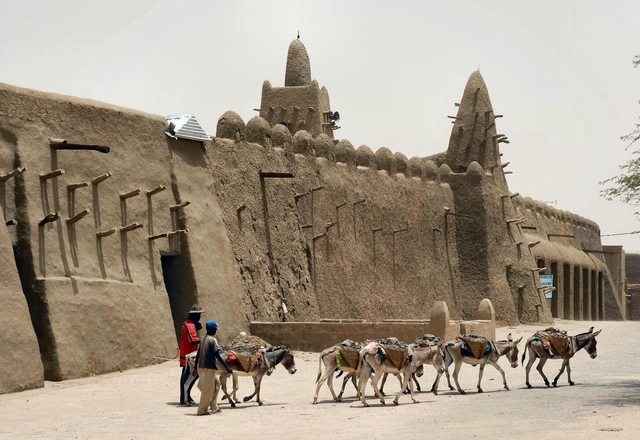
A mud mosque in Mali, West Africa. Image Courtesy of Emilio Labrador
Earth architecture is built on a far-reaching history. Its story continues to be told through aged structures that have stood the test of time. Across the world, indigenous earth construction techniques have been pioneered by many ancient civilizations. Communities originally built shelters from earth - the most readily available material to them - and have passed on their construction techniques through generations. Earth architecture evolved with a careful understanding of land and location. With practices perfected decades ago, it is fascinating to see earth architecture remaining resilient through adversities
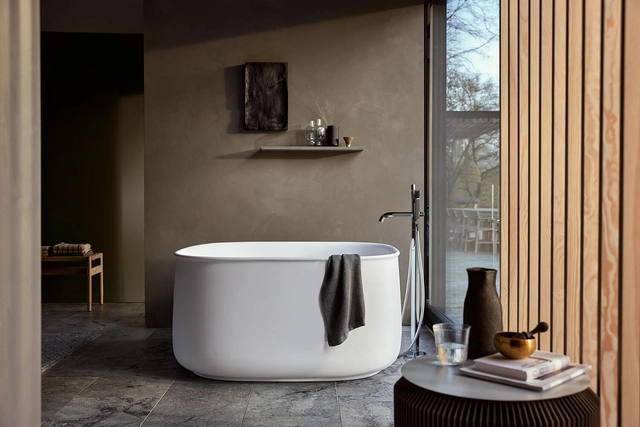
A bathroom in balance with Sebastian Herkner's Zencha series for Duravit, inspired by Japanese tea ceremonies. Image Courtesy of Duravit
With its curved, handcrafted shapes inspired by Japanese culture, the Zencha bathroom collection by Sebastian Herkner soothes its users in a meditative way.
Videos
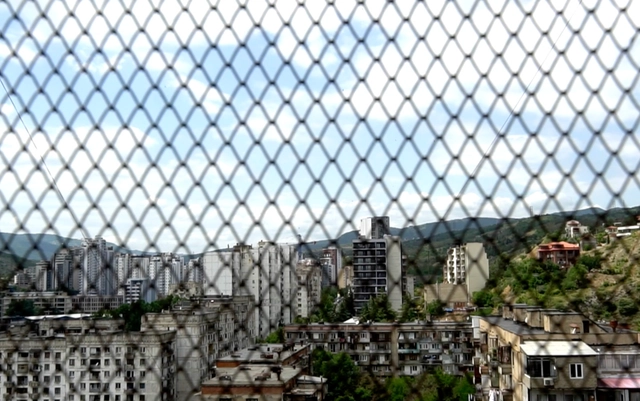
Freeze Frame from Boxed Life by Miranda Namicheishvili
Multifarious experiences of cities are brought forward in Copenhagen Architecture Festival (CAFx)’s impressive Film Mosaic—from life-affirming experiences of cities as potential, if not real, spaces of play, dance, social exchange and community-building, to claustrophobic experiences of trapped, suffocating life. To the authors of this short reflection essay, a series of films depicting the latter kind, have made a powerful impact. Filmmakers from countries as diverse as Azerbaijan, Georgia, Canada, Uruguay, Tunisia, United Kingdom and Spain offer artistic expressions of how persons in today’s urban life may be unable to thrive, to differentiate themselves, to find rootedness, calmness, sanity or safety.
Every year, ArchDaily features thousands of new projects that make up the largest online architecture library in the world. Our team of curators review, seek and make sure to explore some of the most innovative and relevant architectural works around. Just like the projects that appeared in our first ArchDaily book, our aim is to open up our platform and highlight (What is) Good Architecture. For that, we look into all natures and sizes of interventions, that reflect sustainable traits, local awareness, technological advancement, and comfort/well-being. The ArchDaily top 100 listing, in particular, combines all these factors with the data we get from our users: which projects are they looking at the most.
https://www.archdaily.com/993934/best-architectural-projects-of-2022ArchDaily Team
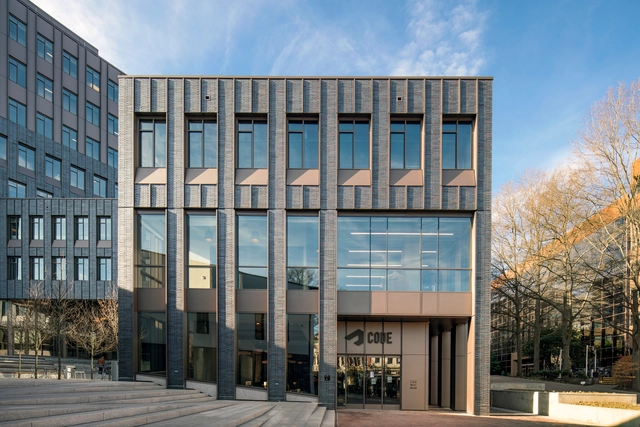
CODE Building / Wolf Ackerman, EskewDumezRipple. Image Courtesy of Kingspan
A 2022 United Nations report claims that the negative impacts of the climate crisis are mounting much faster than scientists predicted less than a decade ago. Rising greenhouse-gas emissions could soon outstrip the ability of many communities to adapt, and the consequences will continue to hit the world’s most vulnerable populations. As climate scientist Maarten van Aalst suggests, “Any further delay in global action on adaptation and mitigation will miss a brief and rapidly closing window of opportunity to secure a livable and sustainable future for all.” The data is clear: to protect our planet, we need to prevent a 1.5°C rise in global temperatures this century. To do so, the world must achieve a 45% reduction in global carbon emissions from 2010 levels to 2030, to then reach a net-zero state by 2050. It is evident, however, that we are on track to miss this goal by a substantial amount. The clock is ticking, and every industry should act fast (and drastically) to even dream of greener cities.
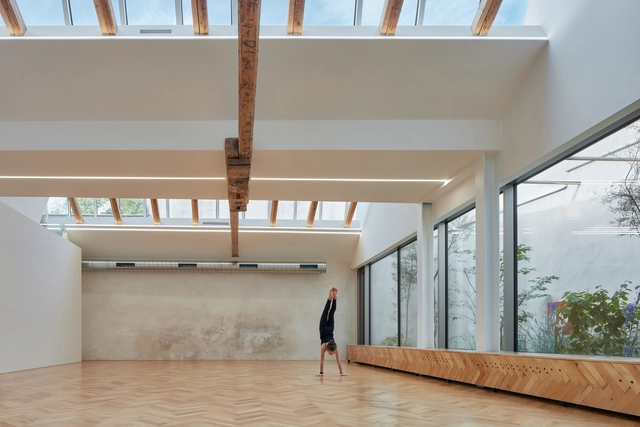
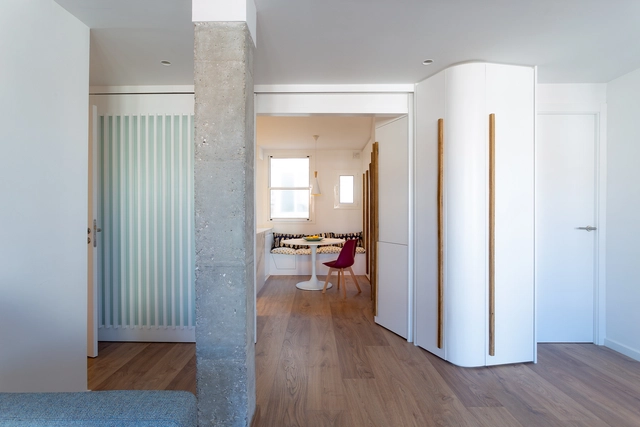
Sanmartín Guix, an architectural firm based in Barcelona, aims to enhance the value of the built heritage through rehabilitation and adaptation according to the needs of new generations, providing comprehensive architectural services as well as real estate advice. In this way, the conditions and aesthetics of the buildings are improved, seeking to adapt them to the requirements of all those who wish to visit or inhabit these spaces.
Once popular in Victorian architecture, pocket doors fell out of fashion in the mid-1920s and hinged doors soon became the norm. In recent years, however, a renewed interest in space-saving and design-forward solutions has brought pocket doors back into the limelight. What used to be an overlooked architectural feature is now becoming increasingly common in modern interiors, along with its creative flair and countless functions. These sleek, sliding doors can efficiently divide rooms, create seamless transitions, save space and contribute to a unique, sophisticated and stylish look. All of this while adding a slight touch of poetry to the home; sliding silently into the wall, pocket doors invite users to step through and explore what lies beyond, creating a strong sense of mystery and intrigue.
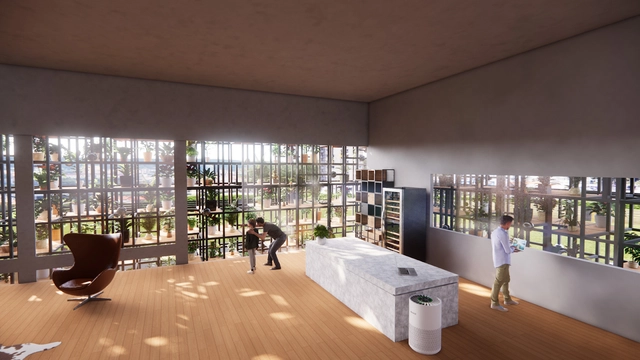
In our current context of ecological crisis, global warming, biodiversity loss, human population growth, and urban sprawl, we need to rethink the way we build and live in our city. We have observed the consequence of uncontrolled urban planning and construction driven only by a capitalist and productivist vision of the city, packing as many humans as possible in the cheapest constructions available, without consideration for the impact on our planet, our fellow animals & plants inhabitants, and our own wellbeing. The concrete jungles we have been building for the past century have proven to be disrupting our climate (Global Warming, Local heat island effect), our ecosystems (loss of biodiversity, and recess of animals & plants population), and our economy (the food and product industry have been displaced far away, replaced by the only service industry, and the generation of the huge amount of waste in the city).
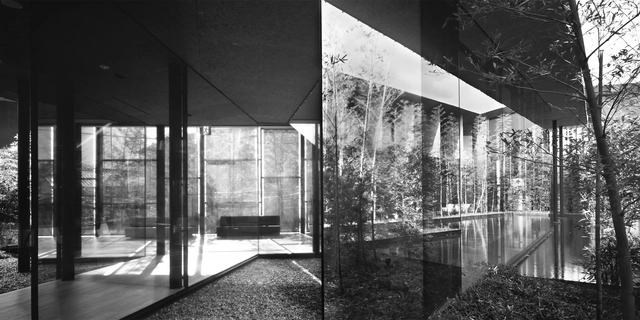
Architecture has always been considered a fixed entity in contrast to the ever-shifting appearance of Nature. Photography has dutifully followed this concept of immobility by trying to fix the ‘eternal’ presence of architecture as a memorable icon. In historical terms then, architecture and landscape coexisted in the humanistic continuum of inside and outside space to which Modernism aspired, as "extensions of man", in incidental and uncanny relationships of adjacency and reflectivity. My intention through my photography has been to change this perception.
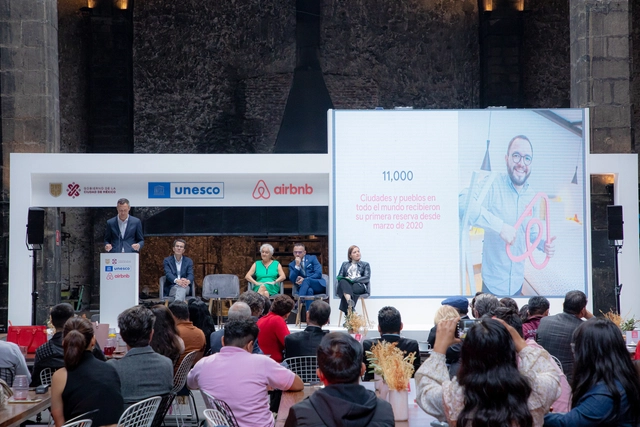
Airbnb se une con la Ciudad de México y con UNESCO para posicionar a la ciudad como capital del turismo creativo y los trabajadores remotos en América Latina. Image via Airbnb
The Government of Mexico City, UNESCO and Airbnb announced an alliance "to position the city as the capital of creative tourism and remote workers in Latin America". The announcement was made known through the Mexico City Government's social networks and Airbnb's news section. However, on August 9th, 2021, UNESCO unveiled the strategy with the intention of "contributing to the reactivation of tourism in a responsible and sustainable way in Mexico, and extending the benefits of cultural and creative tourism to more communities, Airbnb will promote, with the accompaniment of the United Nations Educational, Scientific and Cultural Organization ("UNESCO"), destinations and experiences outside the traditional tourist circuit."
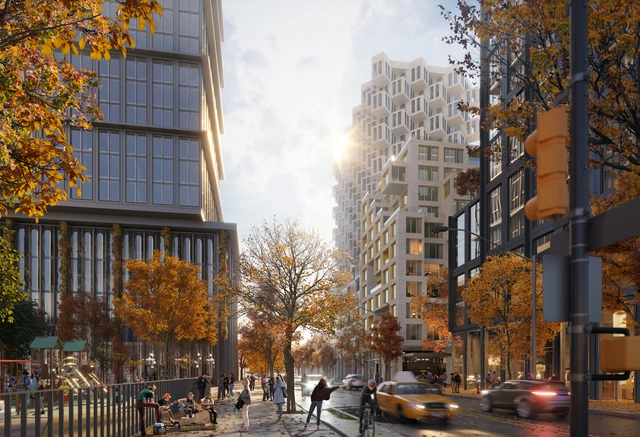
Courtesy of ODA - Renderings are based upon preliminary iterations of the design and do not reflect the final approved design.
If street culture is the glue that holds together an urban environment, what happens when its denizens no longer need to go outside? This is one of the fundamental questions faced by architects today, decades after the New Urbanist movement first popularized, or rather brought back, the concept of mixed-use streetscapes—and more than sixty years since Jane Jacobs famously championed walkable streets as essential to building vibrant urban communities.
Long gone, of course, are the days when city streets were our only outlet or option for access to retail and other services. Now, the internet gives us all that and more: remote shopping, banking, education, and even healthcare. Meanwhile, social media has transformed the way we communicate with friends and neighbors. All of which is to say: we no longer need to go out for social interaction or to procure services, we choose to.
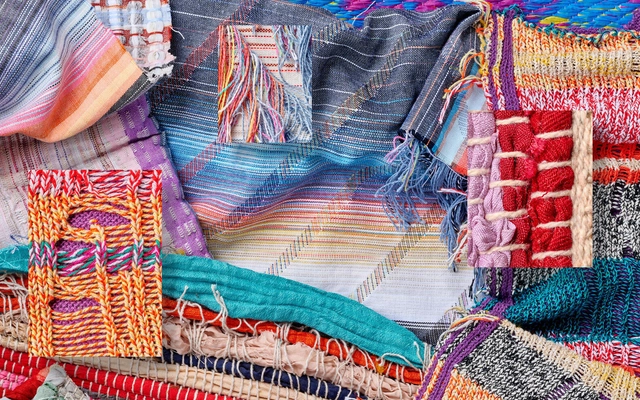
Trends 23/24 at January's Heimtextil in Frankfurt will focus on material cycles and sustainability strategies for textiles – and use the analogue fair platform to promote exchange, present new products and bring experts together.