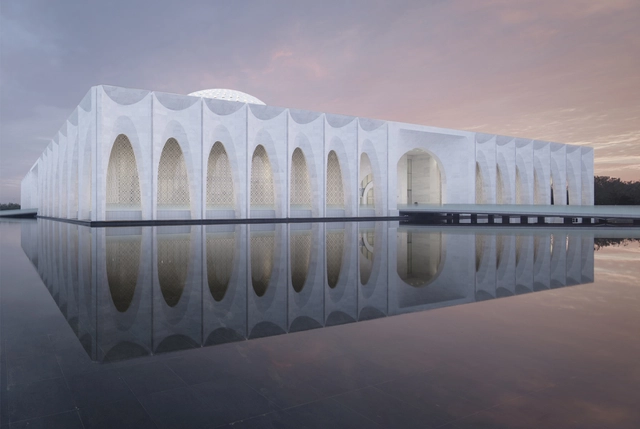
Da Chang Muslim Cultural Center / Hejingtang Studio. Image Courtesy of A' Design Awards
The A’ Design Award is an international award whose aim is to provide designers, architects, and innovators from all architecture and design fields with a competitive platform to showcase their work and products to a global audience. Among the design world's many awards, the A' Design Award stands out for its exceptional scale and breadth; over the eleven years the Award has been given, more than 12,000 awards have been bestowed across 110 categories and 180 nationalities. This year's edition is now open for entries; designers can register their submissions here.
During the next decade or so, our cities will expand at an inconceivable speed. According to the UN’s 2019 World Population Prospects, our planet by 2030 is expected to have 43 megacities —classified as those with more than 10 million inhabitants. Most megacities will be in developing countries. And by mid-century, almost 70 percent of the world’s population will be urbanised, with today’s rate at just over half. Moreover, 90 percent of the urban population growth is expected to happen in Africa and Asia.
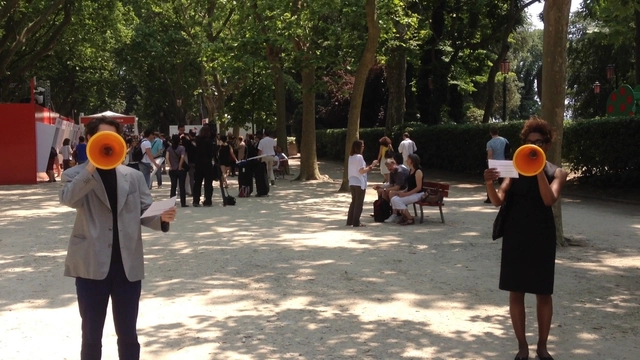
The inertia of politics and governance in a time when major societal changes occur at an increasingly faster pace and the dissatisfaction with the decision process makes room for bottom-up actions, activism and bold endeavours. In the light of so many examples of social activism, do architects have the tools to make their own stand? Does architecture have the power to disrupt the status quo?
Imagen editada por Fabian Dejtiar. Image Cortesía de Mi Parque
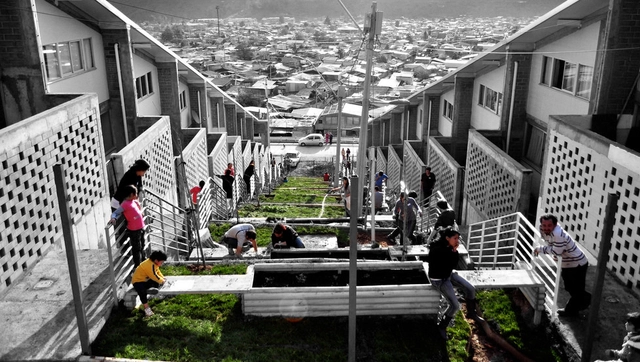
The series of articles developed by Nikos A. Salingaros, David Brain, Andrés M. Duany, Michael W. Mehaffy and Ernesto Philibert-Petit researches the peculiarities of social housing in Latin America. This time, examples of strategies and planning in their construction are reviewed, such as the importance of collaborative social processes and the specific sequences of stages.
https://www.archdaily.com/944295/examples-of-patterns-and-generative-codes-on-socially-organized-housing-in-latin-americaNikos A. Salingaros, David Brain, Andrés M. Duany, Michael W. Mehaffy & Ernesto Philibert-Petit
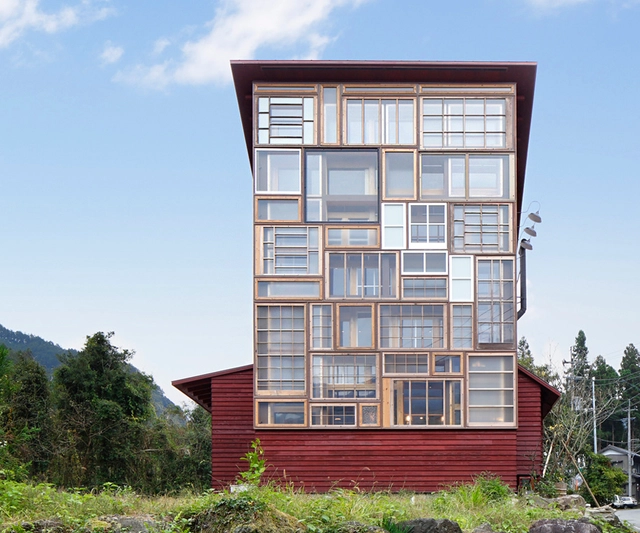
When a material runs its course and becomes obsolete, whether because of wear and tear, a change of style, a tear-down, or a remodel, many are tempted to simply toss it into a scrap heap and send it to the landfill. In the grand majority of cases, however, these materials can be repaired, recycled, and reused in a vast array of creative endeavors. Of course, depending on the material and its characteristics, this can also present a challenge. In the case of windows and doors, particular care must be taken to keep them intact throughout the dismantling or demolition process and even afterwards, an inspection may be necessary to determine their viability for future use. Of course, many avoid the path of re-utilization altogether and opt for new materials that make for an easier and more uniform project.
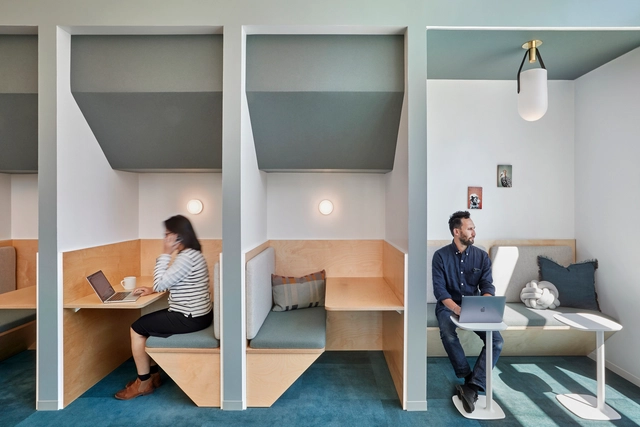
The sharing economy, an economic system that involves individuals renting out or sharing their personal property including their homes and cars, has been severely impacted as the wave of COVID-19 ebbs and flows across the world. Popular companies like Uber, Airbnb, bike shares, and a variety of coworking spaces that we are so accustomed to being essential parts of our lives, have been making adjustments and creating new strategies to ensure that their customers feel safe and reimagine how they might adapt to an uncertain road ahead.
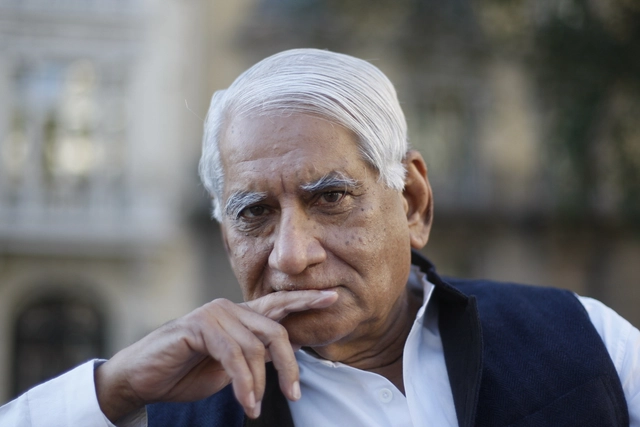
Charles Correa Foundation has recently released several snippets of ‘You & Your Neighbourhood’, Charles Correa’s 1955 Master Thesis at MIT, an animation film for which the architect was scriptwriter, animator, photographer and director. The thesis put forward the idea of a participatory process for the betterment of neighbourhoods, with a strong emphasis on creating a framework for improving urban conditions in a bottom-up approach.
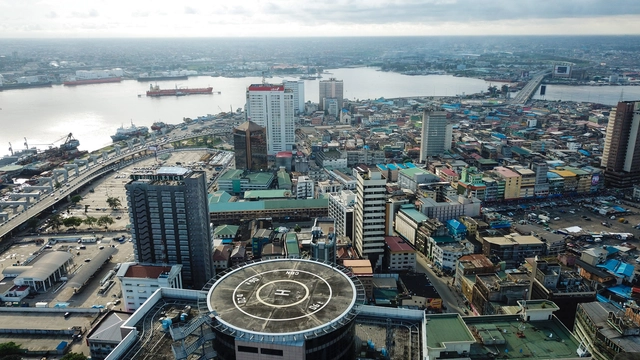
Since the outbreak of Covid-19, I, like most of the world, have spent the last few months quarantined at home, perturbed and uncertain about the ramifications of it all. I will spare you my predictions for the Post-Pandemic Future of the African City (there’s presently no shortage of those), but instead, I want to offer up some observations about our current situation. As an African, my perspective is both unique to our continent and universal to everyone. It is, afterall, a global pandemic.
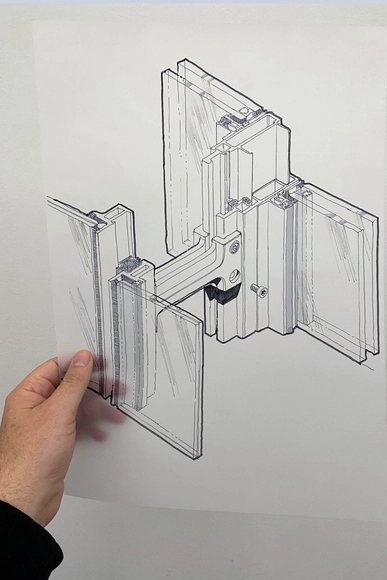
Isometric study of unitised curtain wall elements from The Shard. Image Cortesia de The Donnies
Facades are the first barrier outside a building. They weather rain, snow, winds, sun, and temperature changes. Their primary function is to keep interiors free of water, thermal bridges intact, and internal atmospheres as comfortable as possible. This reality is why the detailing of facades is usually done by experienced architects or specialized companies, who understand materials and construction methods well and are able to select the best solutions for each circumstance. But some projects have facades with such complex detailing, encompassing thousands and thousands of lines, hatches, and dimensions, that they inspire a particularly awestruck response. Making these drawings didactic, technical, and, above all, beautiful, is a task few can achieve to perfection. We spoke with Troy Donovan, the creator of the 188,000 follower Instagram account @the_donnies, who does this job like few others. Read the interview below.
Architects and designers of the built environment are often conceptualized in popular culture as progressive change agents whose canvas of steel and glass brings light to the public realm. At least one global survey of the public’s trust in various professions places architects in a top-ranked cohort that includes medical professionals and first responders. But in the United States, the architecture profession is surprisingly older and much less progressive than one might imagine.
https://www.archdaily.com/945591/the-drawdown-review-suggests-that-architects-move-toward-scalable-climate-solutionsJesse M. Keenan
Youth Centers are facilities designed to provide a safe, informal and supervised environment for young people. They accommodate unstructured social interaction among different age groups and provide the space to offer more structured activities. By giving youth the opportunity to take part in recreational and cultural activities or vocational counseling, these centers help them develop their physical, social, emotional, and cognitive abilities and to experience achievement, enjoyment, friendship, and recognition.
https://www.archdaily.com/945582/youth-centers-places-to-develop-physical-social-emotional-and-cognitive-abilitiesClara Ott
This week’s curated selection of Best Unbuilt Architecture encompasses conceptual proposals submitted by our readers. It features diverse functions and tackles different scales, from a spiraling bridge in China to a transportation hub dedicated primarily to space travel in Japan.
Comprising uncommon design approaches, this article introduces a humanitarian architectural response to the needs of the residents in an informal Egyptian settlement. In the master plan category, a Green city proposal highlights how we should develop our cities and neighborhoods in the future, and the first net-zero energy airport in Mexico reinterprets holistic design approaches. Moreover, the roundup presents different cultural interventions, from a museum in Botswana, an installation at the Burning Man festival by AI Studio, and an observatory in Vietnam.
Density has long been an essential consideration for architects and urban planners, yet its importance has only increased as the world’s urban population skyrockets and cities become denser and denser. For much of the history of urban planning, this term has been plagued with negative associations: overcrowding, poverty, lack of safety, and so-called ‘slums.’ The garden city movement, initiated by Ebenezer Howard in 1898, sought to remedy these ills by advocating for greenbelts and anti-density planning. Le Corbusier’s Radiant City is one of the most well-known urban plans building from these ideals. Yet in the 1960’s, sociologist Jane Jacobs famously overturned these long influential urban planning concepts: she pointed out that density of buildings was not identical to overcrowding of people; suggested that some highly dense urban areas, like her neighborhood in Greenwich Village, were safer and more attractive than nearby garden city projects; and highlighted how America’s conception of ‘slums’ were often rooted in anti-immigrant and anti-Black ideologies. Density is not inherently bad, she suggested, but it has to be done well. Today, we continue to grapple with the question of how to design for our increasingly dense cities – how do we keep them open, but simultaneously private? Free, but controlled when necessary? In particular, how do we keep them safe – both from crime and, in the age of COVID-19, disease?
https://www.archdaily.com/945415/the-evolution-of-shared-space-privacy-versus-openness-in-an-increasingly-dense-architectureLilly Cao
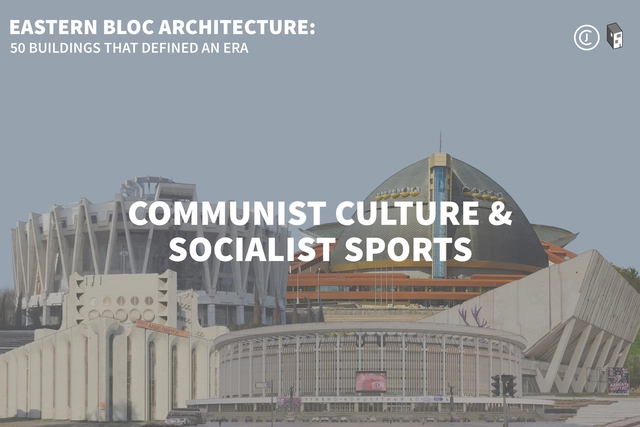
This article is part of "Eastern Bloc Architecture: 50 Buildings that Defined an Era", a collaborative series by The Calvert Journal and ArchDaily highlighting iconic architecture that had shaped the Eastern world. Every week both publications will be releasing a listing rounding up five Eastern Bloc projects of certain typology. Read on for your weekly dose: Communist Culture and Socialist Sports.
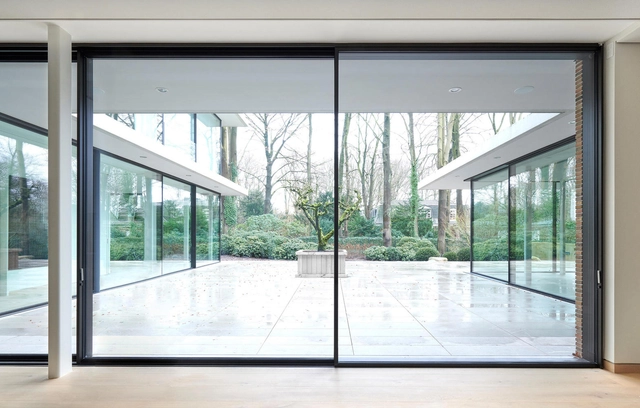
Ceiling-height windows from Solarlux offer unobstructed views of the world outside. Photo: Christiane Koch
With its moveable glass facades, German family-owned company Solarlux is blurring the lines between outside and in – seamlessly merging the outdoors with indoor living spaces.
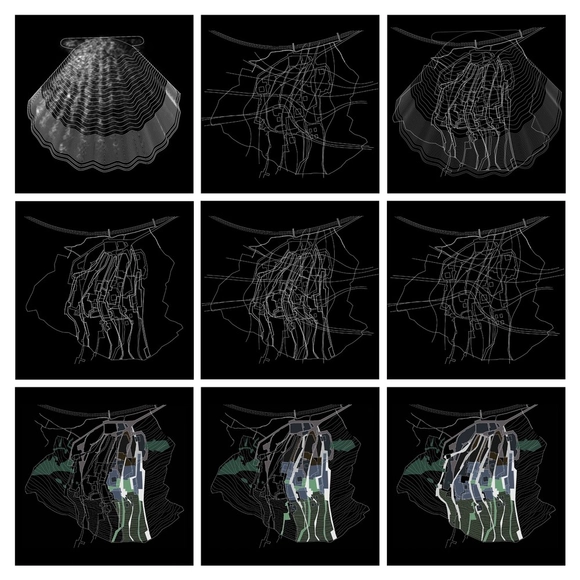
Design diagram for the City of Culture of Galicia, Spain. Image Courtesy of Eisenman Architects
If we define deconstructivism, it literally translates to the breaking down, or demolishing of a constructed structure, whether it being for structural reasons or just an act of rebellion. It is perhaps for this reason that many misunderstand the Deconstructivist movement.
Deconstructivism is, in fact, not a new architecture style, nor is it an avant-garde movement against architecture or society. It does not follow “rules” or acquire specific aesthetics, nor is it a rebellion against a social dilemma. It is the unleashing of infinite possibilities of playing around with forms and volumes.
Safety and design are not mutually exclusive - especially when you choose EGGER products with certified antibacterial surface property. The wood-based materials manufacturer makes it easy for architects and fabricators in their projects with high hygiene requirements: the antibacterial property is included in products with the proven EGGER decor and material combination.
New Generations is a European platform that analyses the most innovative emerging practices at the European level, providing a new space for the exchange of knowledge and confrontation, theory, and production. Since 2013, New Generations has involved more than 300 practices in a diverse program of cultural activities, such as festivals, exhibitions, open calls, video-interviews, workshops, and experimental formats.



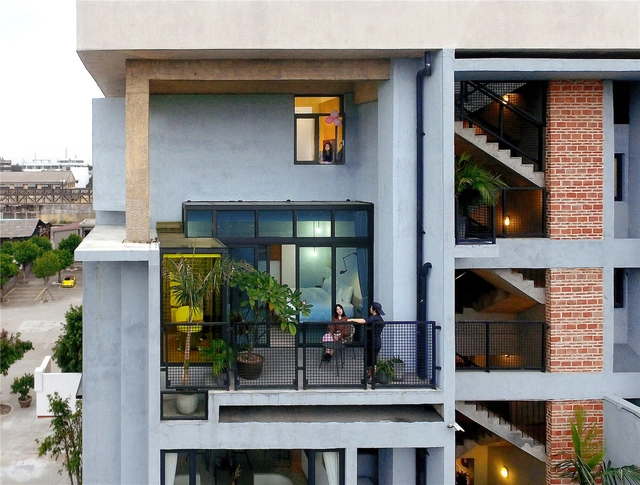
.jpg?1597281787 "Tangxing No. 5 Residential House / Saiwen Liu. Image Courtesy of A' Design Awards")






2020_canaria__dentsu__noiz__Space_Port_Japan_Association.jpg?1597222708 "SPACEPORT CITY. Image Courtesy of Noiz Architects")


.jpg?1597099445 "Parc de la Villette / Bernard Tschumi Architects. Image © Peeradontax | Shutterstock")


TIC_-_An_immersive_sensorial_landscape_-_Phot_credits_Pareid..jpg?1596498080&format=webp&width=640&height=580)
