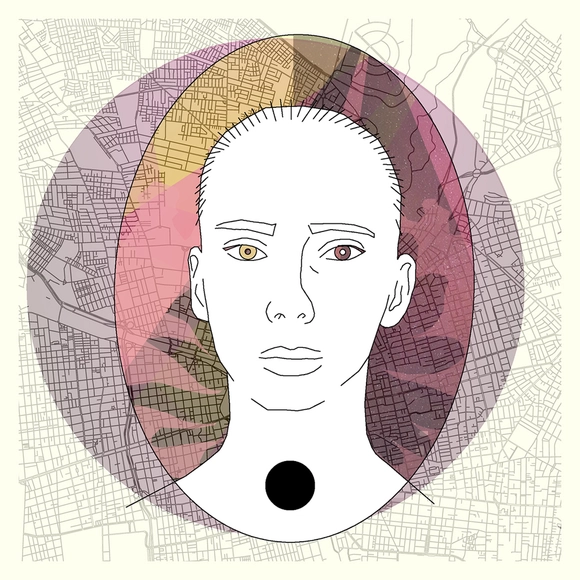
We are in an unholy mess. It is a pandemic, with insane politics, and centuries of hideous racial injustice screaming out humanity’s worst realities. Each day reveals more disease, more anger, more flaws in our culture than anyone could have anticipated.
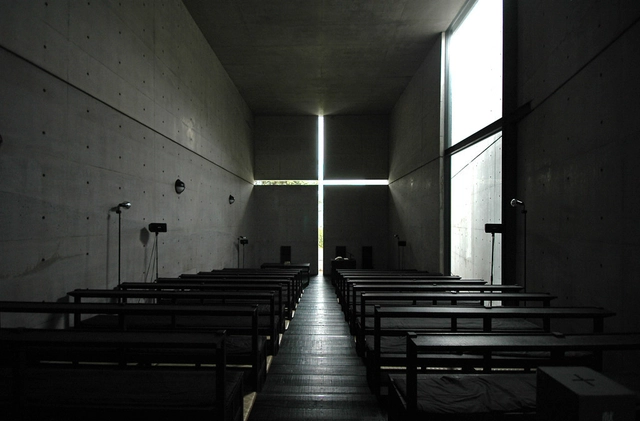
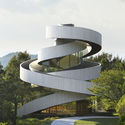
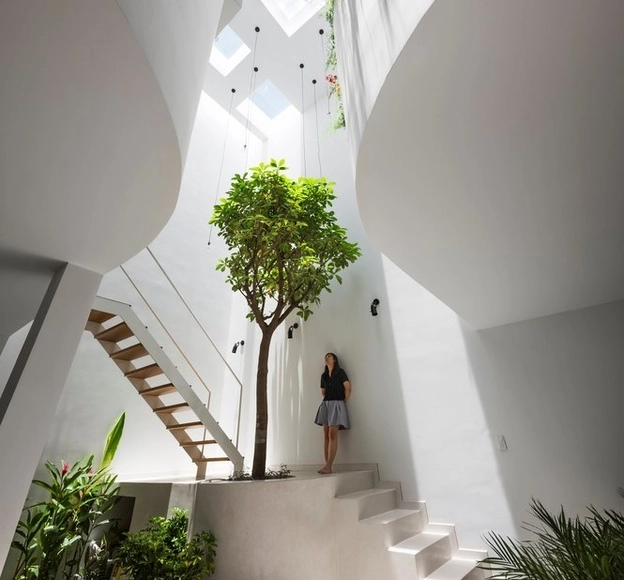
This season’s inscrutable fears are uniquely human. The natural world flourishes amid our disasters. But architecture is uniquely human, too. Architecture’s Prime Directive is to offer up safety. So in this time of danger, it is a good idea to think about the flip side of so much profane injustice and cruelty, Sacred Space? Architecture can go beyond playing it safe and aspire to evoke the best of us, making places that touch what can only be defined as Sacred.
What is Sacred Space? Whether human-made or springing from the natural world, Sacred Space connects us to a reality that transcends our fears. The ocean, the forest, the rising or setting sun may all define “Sacred”. But humans can make places that hold and extend the best in us beyond the world that inevitably threatens and saddens us. Architecture can create places where we feel part of a Sacred reality.
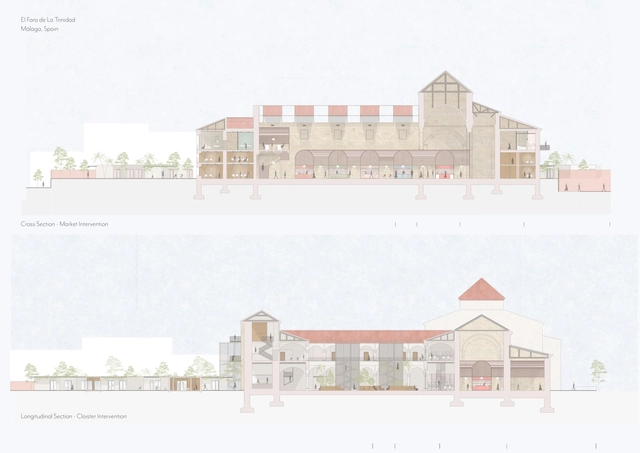
El Faro de la Trinidad - Project by Mirian Otto Hernández Palacios. Image Courtesy of IE University
The relationship between space and well-being has always been a key consideration at IE University’s School of Architecture & Design. As this concept becomes increasingly widespread, the boundaries of what’s possible are being pushed. By providing students with a global vision of architecture and design, they are able to create multipurpose spaces that boost well-being and remain flexible as needs evolve.
As far as written records report, “prehistory” dates back between 35,000 BCE and 3000 BCE in the Middle East (2000 BCE in Western Europe). Ancient builders had a profound understanding of human responses to environmental conditions and physical needs. Initially, families and tribes lived together in skin-covered huts and bone structures. Thousands of years later, human settlements evolved into fortified mud-brick walls surrounding rectangular volumes with pierced openings for ventilation and sunlight.
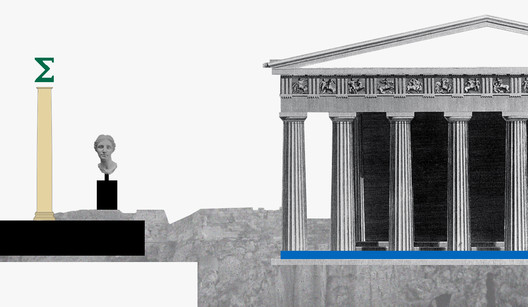
During the upcoming months, we will be publishing short articles on the history of architecture and how it evolved to set the fundamentals of architecture we know today. This week, we are going back to one of the most prominent and influential periods known to architecture: Greece; Aegean, Archaic, classical, and Hellenistic periods.
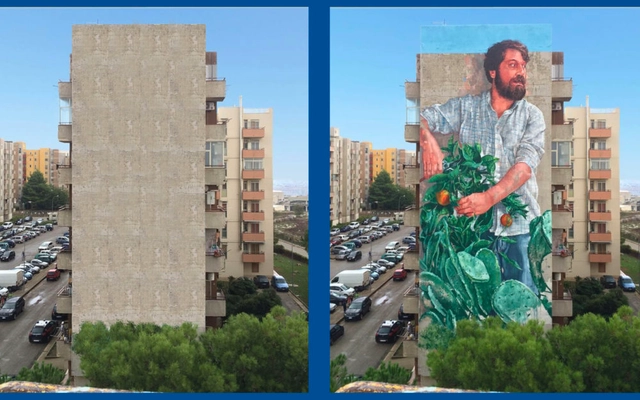
Since 2015, Ragusa, Sicily has hosted FestiWall, an international art festival devoted to enhancing the public realm and improving citizen engagement with the modern section of an old city. The image above shows two views of a residential tower before and after FestiWall. Which one grabs your eye?
We’ll guess you’re drawn to the one with the art at right. Running the image through biometric software predicts you’ll immediately focus on the man in the mural.
https://www.archdaily.com/942916/empathy-in-design-measuring-how-faces-make-placesAnn Sussman & Janice M. Ward
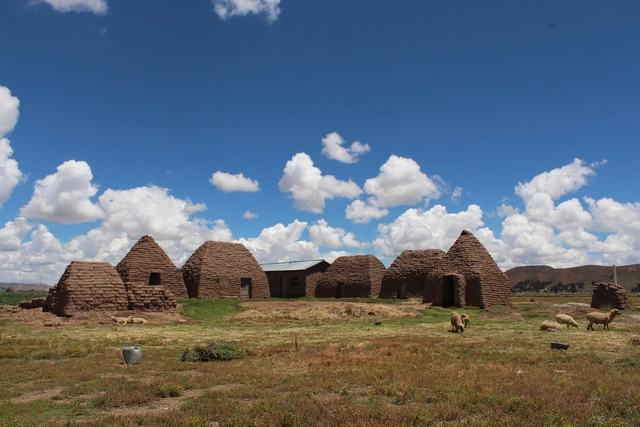
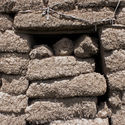
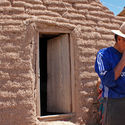
As a part of the XV Taller Social Latinoamericano architectural conference that took place in Puno, Peru, we visited the Iruito Tupi zone in Huancané province alongside Francisco Mariscal, Director of the Puno Cultural Center. For the conference, Mariscal gave a presentation on the history of putucos, pre-Columbian houses made with a mixture of earth and grass.
History has the habit of repeating itself; using the same script, just with different names, figures, and places. Some 10,000 years ago, the Altiplano and the Titicaca lake basin, wedged between modern day Peru and Bolivia, became home to hunters and gatherers who subsisted on the herds of llamas and vicuñas as well as the bounty of birds and fish.
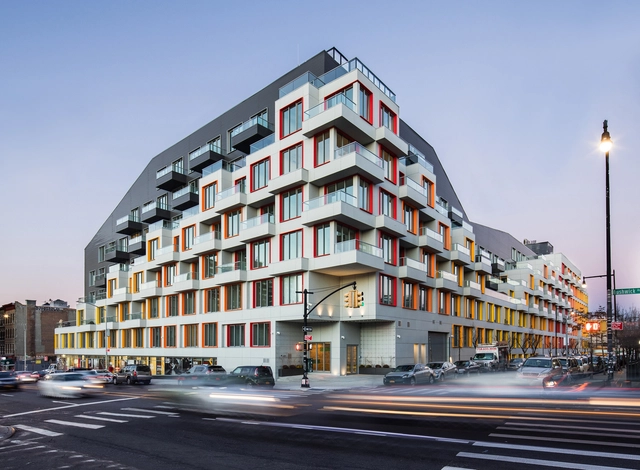
There’s a new kid on the block making noise in Brooklyn’s thriving Bushwick neighborhood. At 7-stories tall, 500 units, and occupying 489,000 square feet of real estate, The Rheingold is one of the most expansive multi-family developments in Brooklyn to date.
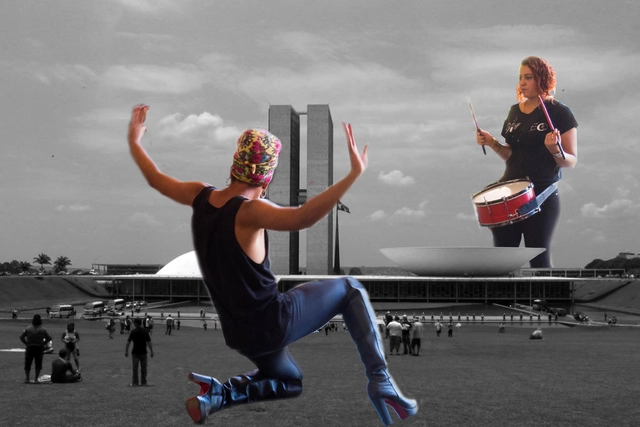
Collage made with photos of Matias Romero and Raquel Aviani/Secom UnB. (licensed under the Creative Commons Attribution-Share Alike 2.0 Generic license and Creative Commons Attribution 2.0 Generic license) via Wikimedia Commons
What would all the built environments be without its users? This question may make it easier to understand that not only do architecture and urbanism sustain themselves as physical spaces, but they also gain meaning mainly through the human and non-human movements and bonds, that - together with the architectural or spontaneous traces that make up the urban landscape - provoke the sensations that each individual feels in a unique way.
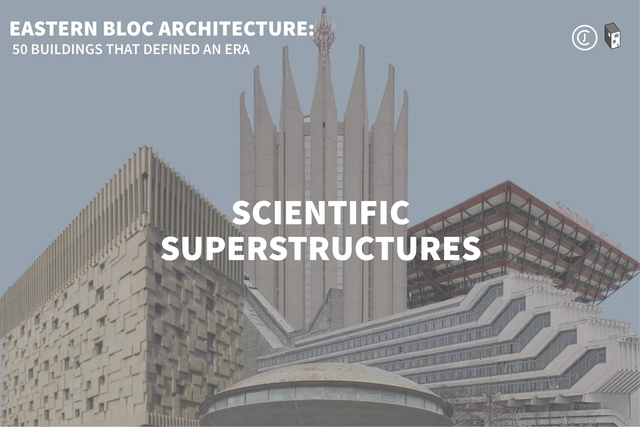
This article is part of "Eastern Bloc Architecture: 50 Buildings that Defined an Era", a collaborative series by The Calvert Journal and ArchDaily highlighting iconic architecture that had shaped the Eastern world. Every week both publications will be releasing a listing rounding up five Eastern Bloc projects of certain typology. Read on for your weekly dose: Scientific Superstructures.
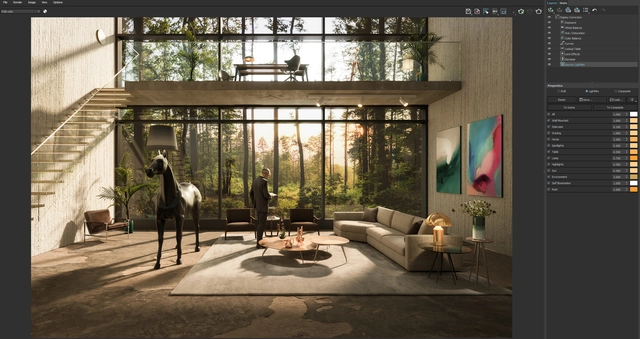
Using the new Light Mix in V-Ray 5, artists and designers can visualize ideas even faster and more effectively. Now, from just one single render, you have the power to create as many images as you can imagine, at a speed that simply wasn’t possible with earlier versions.
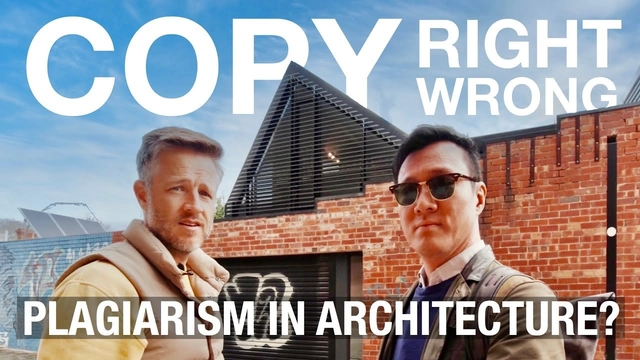
There’s always an ongoing debate on whether some designs are stolen or “modified” to become original. Most people assume that if we post pictures of our designs online, we would be giving away our work and other designers and architects will eventually steal them. But should we really hide our designs from the public? Are plans and sections so sacred and innovative to the extent that architects are applying copyrights to them?
Kevin Hui and Andrew Maynard of Youtube’s Archimarathon chat about copying designs, how students and architects can learn from existing designs, and whether plagiarism exists in the field of architecture.
There's a lot of discussion surrounding Casa Orozco as to who the real creator is —Luis Barragán or José Clemente Orozco. And even though we know that one of them was responsible for the architecture, the answer still remains unclear. Orozco returned to Mexico in 1934, by invitation from the Mexico City government, after a seven year stint in New York. Once he arrived, he was commissioned to paint a mural inside the Palacio de Bellas Artes. Afterwards, he received commissions from the Jalisco Government to paint a series of murals for three public buildings in Guadalajara.
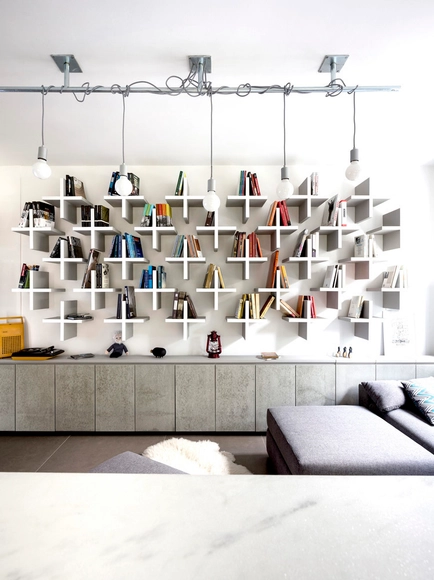
Sharing your shelf is, in a way, sharing yourself. Every element —from the titles you choose to the way you organize them— says something about your personality and your interests.
https://www.archdaily.com/897991/home-library-architecture-smart-and-creative-bookcase-designsArchDaily Team
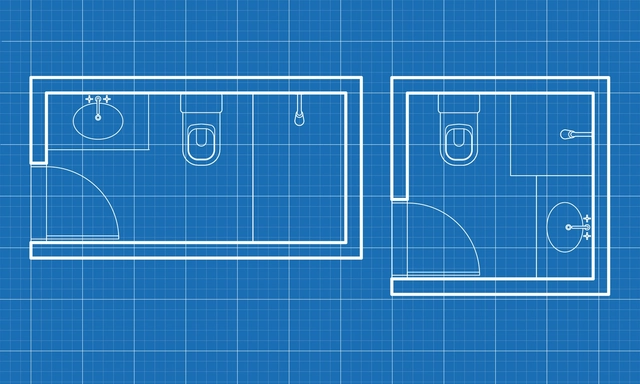
Having access to a bathroom is, above all, a factor of dignity. As basic as this fact may seem, the WHO (World Health Organization) estimates that 2 billion people worldwide do not have access to basic sanitation facilities, such as bathrooms or latrines. Such inadequate sanitation causes 432,000 deaths annually, mainly from diarrhea, in addition to being an aggravating factor for several neglected tropical diseases including intestinal worms, schistosomiasis, and trachoma. In 2010, the UN (United Nations) labeled sanitation a basic right, alongside access to drinking water.
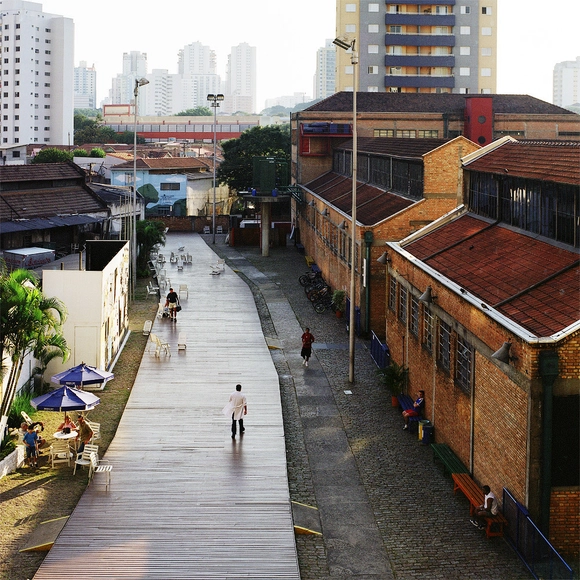
Projects for public buildings and infrastructure must always ensure the best possible forms of access and connection with the surrounding streets, particularly regarding access routes for pedestrians. However, some architects have managed to overcome the pragmatic aspect of this connection between architecture and the streets, when designing projects that have a strong duty to provide public space, by using this bond as the core of the design concept.
With most of the world living in cities and growing villages, people tend to spend the majority of their time indoors. When not at home, we are working, learning, or even engaging in fun activities in enclosed, built settings. All in all, 90% of our time is occupied inside. It is therefore essential to ensure a comfortable, productive, and healthy indoor environmental quality by following well-regulated parameters and design practices that consider temperature, lighting, noise pollution, proper ventilation, and the quality of the air we breathe. The latter is especially important, since contrary to what we might think, air pollution is much higher indoors than outdoor.
Architects don’t make buildings. Architects make drawings of buildings. But of course, someone has to make the building. The construction industry is one of the largest economic sectors and we all interact with the built environment on a daily basis, but the actual work of getting a building from drawing to structure has barely evolved over the decades. While the rest of the world has moved into Industry 4.0, the construction sector has not kept pace. Architecture has begun to embrace some digitalization. After all, not many of us work with mylar on drafting tables anymore. So with the architecture industry’s everlasting link to the construction industry, will the latter pick up some new technological tricks by association? And when it does, how will that change the role of the architect?
Feeling free and safe in the city. How many times have we felt fully free when walking through our neighbourhood, when returning home, when sitting in the park? Some urban spaces give us more autonomy than others. Some areas seem more comfortable and calm. But, to keep that calm, to what extent do we express ourselves and to what extent do we hold back? What safeguards do we take to feel as good as possible when inhabiting our environment?
https://www.archdaily.com/942508/cities-should-allow-people-to-shineMaría Gonzalez & José Tomás Franco









.jpg?1586369679&format=webp&width=640&height=580)
.jpg?1586369691 "© Lorena Darquea")
.jpg?1586369882 "© Lorena Darquea")
.jpg?1586369853 "© Lorena Darquea")
.jpg?1586369679)
Ai_Qing_Courtesy_of_KPF.jpg?1592356426&format=webp&width=640&height=580)