Videos
Desenvolvido para Harmony Timber Solutions (https://harmonytimber.com/). Image Cortesia de Steven Emerson
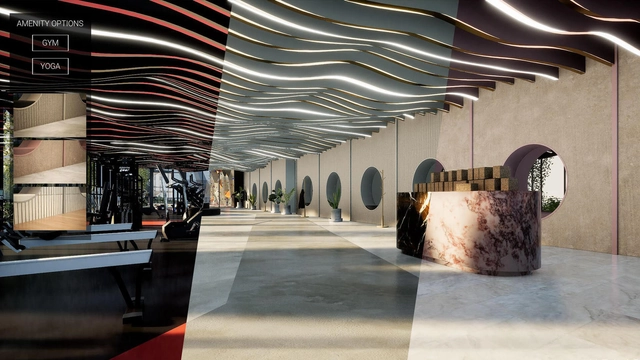
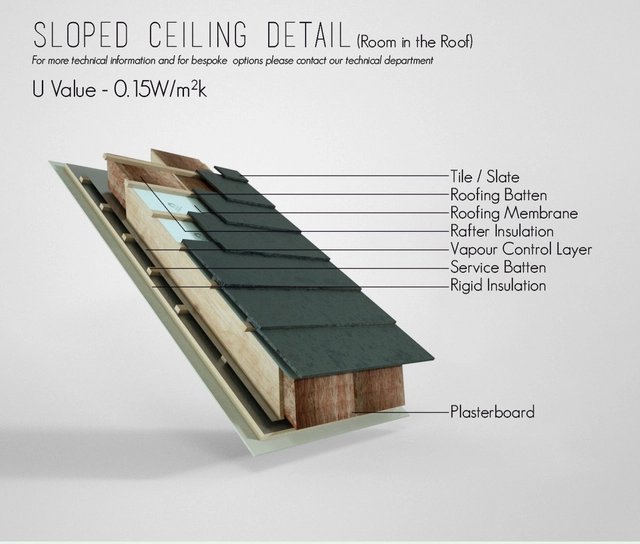
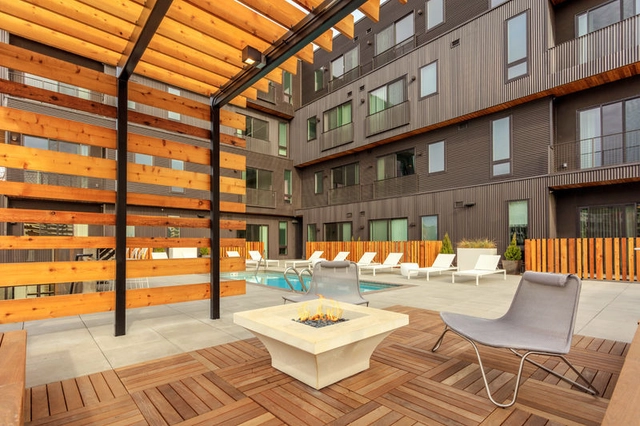
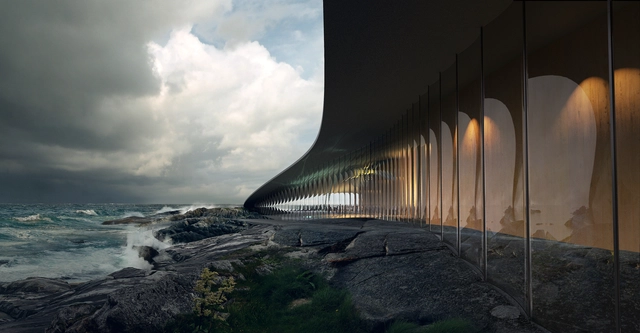
Incredible lighting, shining finishes, healthy trees, and properly positioned human figures seem to be the perfect kit for a good and traditional image of architecture, which, however, is not always representative of reality or context. We are accustomed to thinking of renderings as visions of future buildings, occupied and in use, which serve to sell or convince customers of the worth of a project. But what if rendered images also helped us understand the construction, systems, and functioning of some parts of the building? We talked to two professionals who have developed images that are both beautiful and explanatory.
Prefabrication is not a new concept for architects, but its usage is evidently on the rise. With today’s limited spatial capacity and need for cost efficiency, the industrial strategy of architectural production has shifted towards an all-around-efficient approach, in some cases assembling projects in a matter of days or weeks [1][2].
Prefabricated wood components, used in both wooden frames and mass timber constructions, have helped solve many design and engineering challenges. In addition to material and time efficiency, reduced waste, and cost control [1][2], prefabricated wood elements offer the advantages of high performing and energy efficient passive designs [3].
Few places have embraced sustainable design practices like California. Experiencing dramatic droughts, wildfires and environmental issues, the state has started to create new policies and initiatives to promote environmentally-conscious design solutions. From eco-districts and water management strategies to net-zero building projects, the Golden State is making strides to reshape its future. Forming long-term visions and procedures through the lens of physical resource consumption, California is working to better integrate its economic development plans with sustainable building methods.
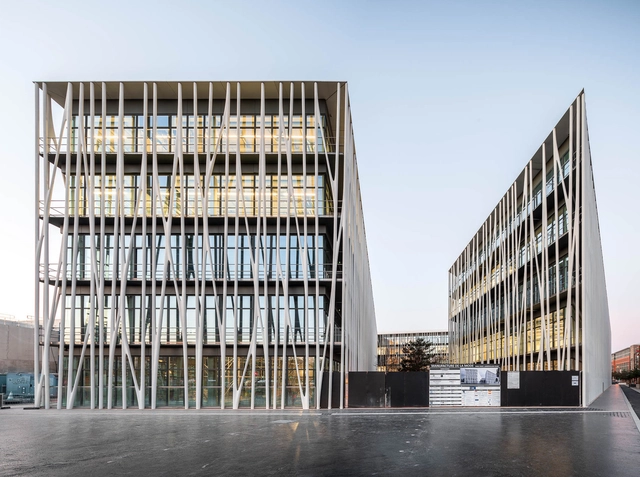
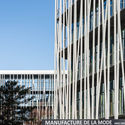
Designed by award-winning architect Rudy Ricciotti, the designer of the MuCEM in Marseille, the Jean-Boutin Stadium in Paris, and the Islamic Arts Exhibition in the Louvre Museum, the Manufacture de la Mode reintroduces Chanel's intricate craftsmanship in an architectural and urban context. Architectural photographer Simon Garcia uncovers the newly-inaugurated fashion community in a series of photographs.
Videos
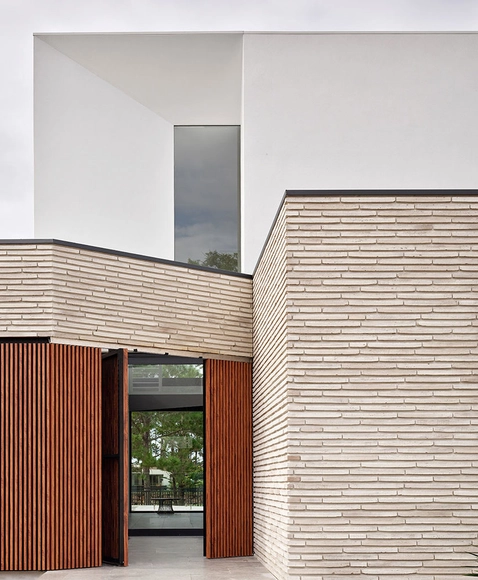
Stratum, Australia. Image Courtesy of Randers Tegl
When creating a contemporary atmosphere for living, many factors come into play. The surrounding environment, its climate, use of materials, spatial organization, and the attention to detail in both the interior and exterior design, all impact the quality of the design as a whole.
With increasingly better renderings becoming ubiquitous, students and architects alike feel the pressure of mastering an additional set of skills to get their ideas across. To what extent do renderings make or break a portfolio or a project? How important are they in the design process, and do renderings inform of a particular set of skills besides the software ones? This article explores different perspectives on the role of renderings within the profession.
Would you be willing to buy a home from a robot using only an app? As technology becomes more and more integrated into the design and real estate sector, that once an outlandish idea has become a reality. Only a decade ago, almost no one talked about technology and start-ups in the built environment. The real estate industry, which has historically lacked technological innovations compared to other sectors, is now taking a stance to reinvent itself as an industry that is more efficient, flexible, and automated- all resulting in one of the newest buzzwords that has taken the world by storm, proptech or Property technology.
The Second Studio (formerly The Midnight Charette) is an explicit podcast about design, architecture, and the everyday. Hosted by Architects David Lee and Marina Bourderonnet, it features different creative professionals in unscripted conversations that allow for thoughtful takes and personal discussions.
A variety of subjects are covered with honesty and humor: some episodes are interviews, while others are tips for fellow designers, reviews of buildings and other projects, or casual explorations of everyday life and design. The Second Studio is also available on iTunes, Spotify, and YouTube.
This week David and Marina are joined by Marion Weiss, architect and co-founder of Weiss/Manfredi. Marion discusses her childhood interests in the arts, architecture, and landscape design, how her office was formed and its design process, working with clients on large cultural projects, how architecture can have a social impact beyond its physical footprint, and more. Enjoy!
https://www.archdaily.com/959806/marion-weiss-you-could-spend-30-percent-less-and-with-good-design-do-something-thats-200-percent-betterThe Second Studio Podcast
Videos
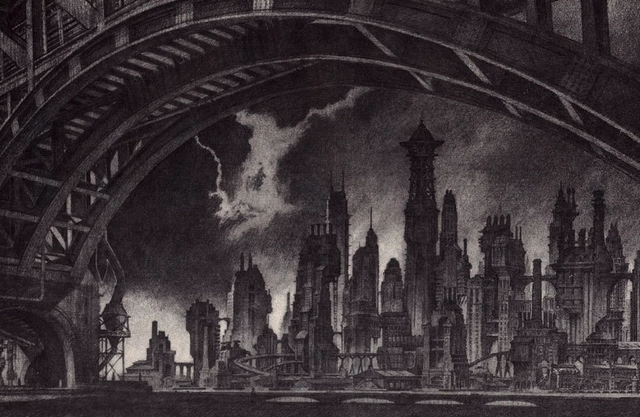
Looking west from across the Gotham River, by Anton Furst
Graphic novels fold drawings of people, space, and time into their narrative structure to produce powerful visual stories. Graphic novels and architecture also share a set of common tools that are central to their depiction — drawing, sequencing, text, action, character, etc. This makes for a natural allegiance between graphic novels, architecture, and the city. In this episode, Stewart pulls the graphic novels off his bookshelf to show how and why they influenced his approach to architectural design and led to the creation of award-winning competition entries. In particular, David Mazzuchelli’s City of Glass and Asterios Polyp, and Chris Ware’s Building Stories offer lessons for developing a holistic approach to architecture that involves multiple points of view, politics, fiction, and visionary design.
Believing firmly that "architecture is [...] too important to leave solely to architects", Ole Bouman embarked on diverse activities throughout his three decades of work, reflecting on “architecture, not so much as the art or technique of making buildings, but architecture as the intelligent way to organize our lives on earth, and infuse it with purpose”.
After having shared Bouman's essay Finding Measure, ArchDaily had the chance to discuss with DesignSociety’s founding director his thoughts on the role of architecture, the current challenges of the world, the digital revolution, and many other thought-provoking topics.
During the week of the final selection of ArchDaily China Building of the Year 2021 Awards, we received a total of 75,000 votes, thanks to our readers from all over the world. ArchDaily China strives to bring more Chinese firms to the wave of global exchanges and introduce Chinese architecture to the world.
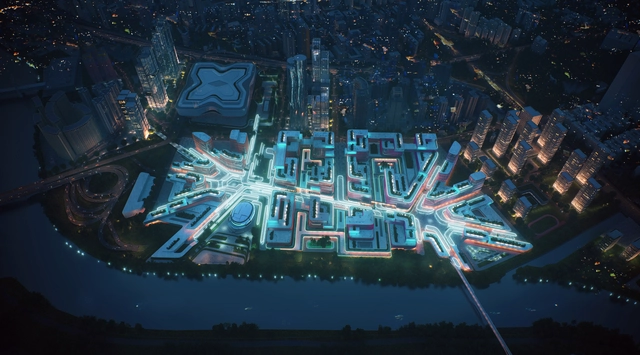
This year, CCTN Design, with Shougang NO.3 Blast Furnace Museum, were selected for the first position, adopting the design strategy of “sealing the old, dismantling the surplus, and replenishing the new”, and transforming the industrial remains of Beijing into an inviting urban space. MAD Architects, with YueCheng Courtyard Kindergarten, won second place by dismantling and expanding the traditional courtyard house. gad, with Mountain & Sea Art Museum, won the third position by solving the problem of mountain construction and shaping the sculpture form of the art museum.
Dan Klyn, who teaches information architecture at the University of Michigan, is currently researching and writing a biography entitled Richard Saul Wurman’s 5 Lives. It’s an apt title, since the intellectually peripatetic Wurman has had several career incarnations: architect, author, publisher, designer, painter, sculptor, impresario (he created and thoroughly curated the early TED talks). “In a sense, I’m an amateur, a dilettante, I don’t do anything particularly well, but I see patterns between things,” he said to me in a recent interview, although his modesty here seems somewhat false: Wurman is a member of the Art Directors Club Hall of Fame; an AIA Fellow; has written, designed, and published more than 100 books; won a lifetime achievement award from the Cooper Hewitt; and is the recipient of the AIGA Gold Medal.
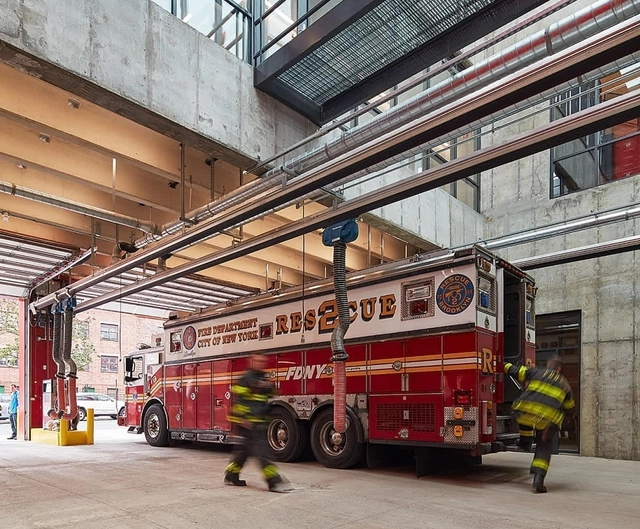
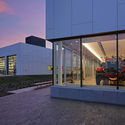
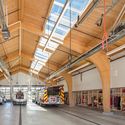
Architects are charged with protecting the public’s health, safety, and well-being. When buildings fail, whether through increased loads, poor design, or natural disasters, that charge also falls to those capable and willing to aid people in need. Firefighters regularly experience architecture’s collapse, often risking life and limb to save occupants and individuals they do not know. Yet firefighters and emergency personnel also have their own buildings they call home, rare typologies where recreational, domestic, and professional activities collide.
March 9 of last year marked Luis Barragán's 119th birthday and, in celebration of their namesake, the Barragan Foundation announced via their Instagram that they were launching the institution's newly revamped website. This signified two things--one, the absolute effort needed in order to compile every known Barragan work and the value this archive will have in aiding in the study of the architect's work and, two, the sweeping de-mystification of Barragan himself.
Twinmotion 2021.1 offers powerful new possibilities to create, develop and present visualizations as a fully connected member of the Epic ecosystem, cementing its place as an essential component of the entire archviz process from concept to advanced photorealistic experience. Additionally, with this release, Unreal Engine continues its efforts to improve existing features and workflows in response to customer feedback.
Videos
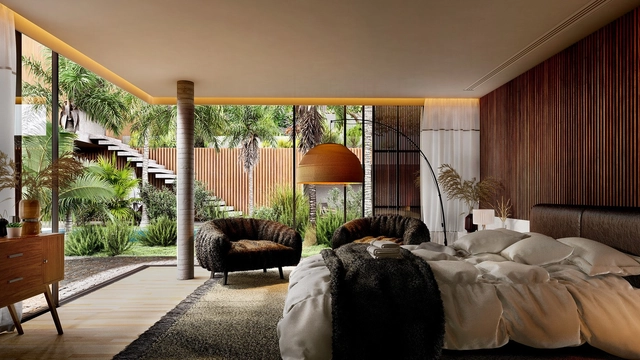
Lazy Sunday morning, rendered in Lumion by Gui Felix (project by Marcio Kogan of MK27)
There is life within every design. In the way that the leaves of a tree move with the wind, the energy of a busy public building with its never-ending flow of interesting and unique people, or the feeling of a cozy evening indoors while heavy rain batters the windows.
















.jpg?1617861414&format=webp&width=640&height=580)




-14.34.gif?1616187182)