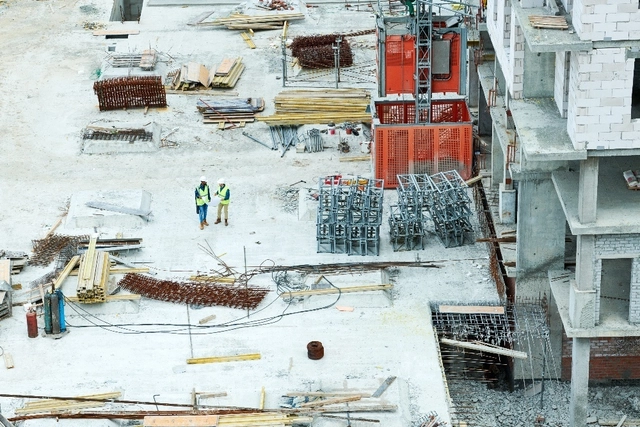
In order to start integrating embodied carbon studies into projects to meet sustainability goals, it is important to consider many factors such as carbon (kgCO2e) values, and what typical ranges of values to be aware of when designing for embodied carbon reduction. This e-book presents an overview of how to start integrating embodied carbon studies in your projects.
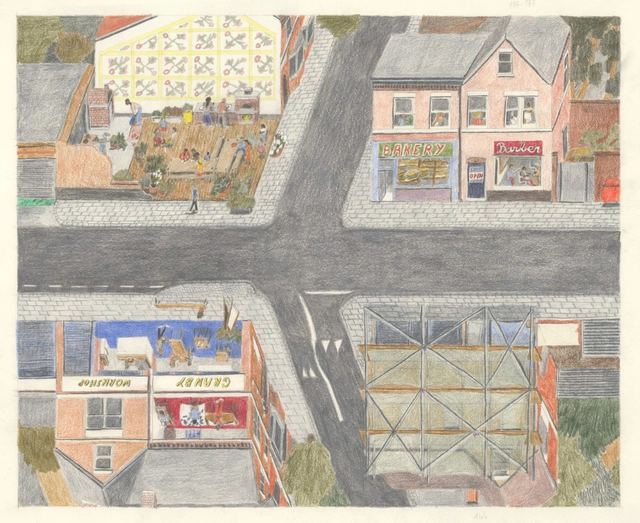
The City Prosperity Index, CPI, set by UN-Habitat, evaluates urban prosperity according to five parameters as productivity, infrastructure development, environmental sustainability, quality of life, and equity/social inclusion. To a greater or lesser extent, these five factors are represented in the street pattern of every city in the world. Streets have multiple functions as the mobility of people and goods, the supply of energy, water, and information, the collection of waste, the growth of trees, plants, insects or birds, the shadow and sun radiation, the bench where to sit, the place to salute and talk with your neighbors, a playground, or the access to the bakery where you buy the bread. In this sense, streets are public and vibrant spaces, which can perform multiple functions and activities.
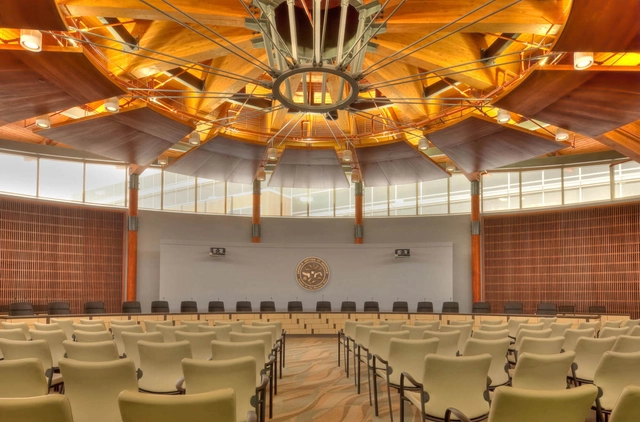
The rising popularity of mass timber products in Canada and the United States has led to a rediscovery of fundamentals among architects. Not least Indigenous architects, for whom engineered wood offers a pathway to recover and advance the building traditions of their ancestors. Because timber is both a natural, renewable resource and a source of forestry jobs, it aligns with Indigenous values of stewardship and community long obscured by the 20th century’s dominant construction practices.
Design experts from the leading global bathroom-solutions and kitchen-fixtures manufacturer talk customer-centric and inclusive design, sustainability, and their new digital-experience platform, GROHE X.
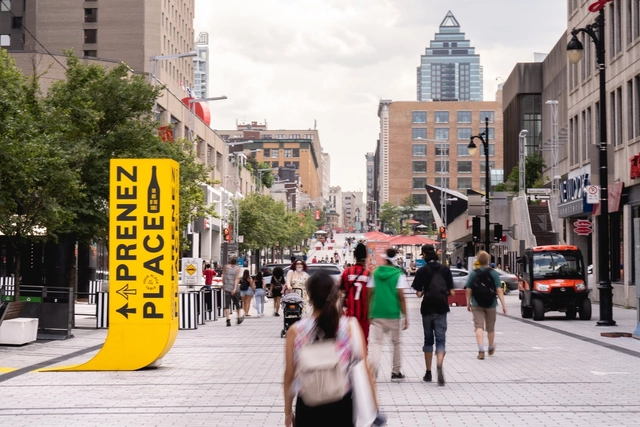
People are the purpose and scale of the city. What does a people-oriented city look like? On April 8, 2021, sponsored by "LIFE WEEK ", the first Sanlian “City for Humanity Award” Ceremony was held in Chengdu. It takes "Rebuilding Connections" as its first theme, and hopes to promote a discussion on social values and humanistic care in Chinese cities through a professional and communicative approach, such as awards at this special moment after the epidemic.
The Second Studio (formerly The Midnight Charette) is an explicit podcast about design, architecture, and the everyday. Hosted by Architects David Lee and Marina Bourderonnet, it features different creative professionals in unscripted conversations that allow for thoughtful takes and personal discussions.
A variety of subjects are covered with honesty and humor: some episodes are interviews, while others are tips for fellow designers, reviews of buildings and other projects, or casual explorations of everyday life and design. The Second Studio is also available on iTunes, Spotify, and YouTube.
This week David and Marina address the question, "What Does an Architect Do?". The two cover the responsibilities and tasks an architect undertakes during a typical building process from research to the initial design phases, design development, construction documentation, contractor selection, and construction. Enjoy!
https://www.archdaily.com/960633/the-second-studio-podcast-on-what-architects-doThe Second Studio Podcast
Videos
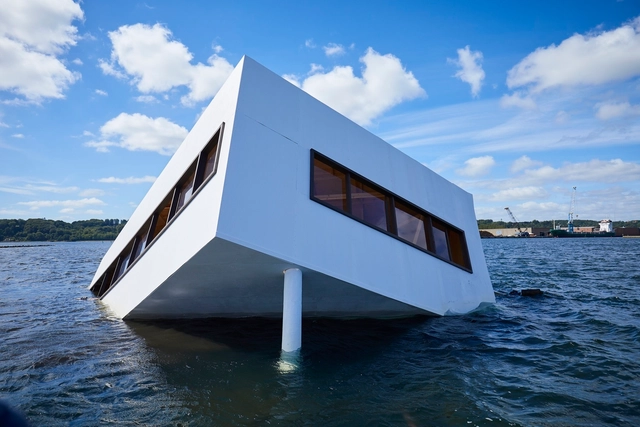
Flooded Modernity. Courtesy of Asmund Havsteen-Mikkelsen
There is a saying that ‘all good architecture leaks’. While likely not intended as an endorsement for water damage, this video takes the phrase seriously by playfully sorting through some of architecture’s greatest leaks. Frank Lloyd Wright was famously dismissive of the many unintentional leaks in his buildings, once telling Mr. Johnson to move his table if he didn’t like it getting rained on. However, there are a number of great intentional leaks throughout architecture as well, such as the entry hall of Peter Zumthor’s Therme Baths in Vals. The walls allow groundwater to seep in from the surrounding mountain while forming beautiful murals out of mineral deposits the water picked up while on its journey through the earth. Whether leaks are intentional or unintentional, they are an inevitable and important reality for architects. There should always be plans for the water that will get into our buildings and this video offers five humorous strategies for making those plans.
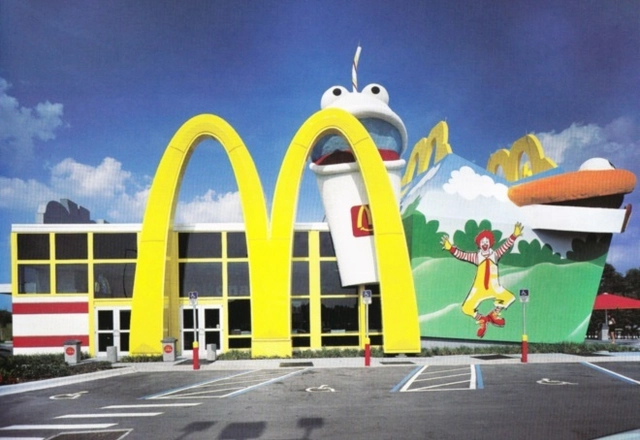
You might not think of McDonald’s as the pinnacle of architectural style, but even the world’s largest fast-food franchise has taken some bold design risks. While the literal “secret sauce” has largely remained the same since the inception of the iconic golden arches, McDonald’s has had its fair share of experimentation and has even hired some of the profession’s most prominent names to put their own spin on the design of these restaurants- turning the repetitive and mundane into one of a kind experiences.
Corviale is one of Italy’s biggest postwar public housing projects and, arguably, one of the most controversial. Both revered and abhorred, the complex remains a pilgrimage site for architectural schools from around the world. Il Serpentone (The Big Snake), as it is affectionately called, stretches nearly a kilometer in a straight line, a monolithic, brutalist building that hovers over the countryside on the outskirts of Rome. But there is nothing sinuous about a construction made up of 750,000 square meters of reinforced concrete condensed into 60 hectares. This hulking horizontal skyscraper is formed by twin structures, each 30 meters high, connected through labyrinths of elongated hallways, external corridors, and inner courtyards. Divided into five housing units, each with its own entrance and staircase, it contains 1,200 apartments and houses up to 6,000 people.
https://www.archdaily.com/960563/chilometro-verde-five-women-architects-revitalizing-the-corviale-a-giant-public-housing-project-in-romeMarina Engel
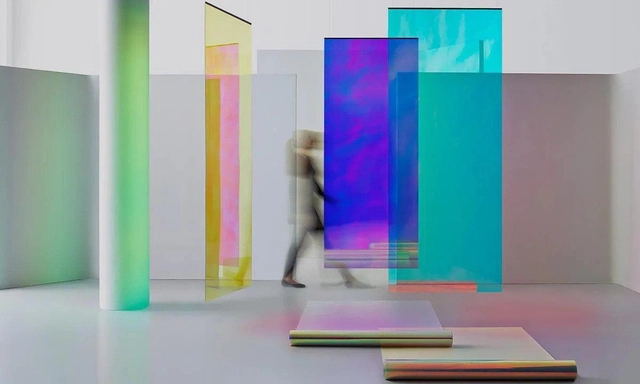
Durable, hygienic and easy to install, 3M Glass Finishes can bring creativity to glass in architecture and design. Image Courtesy of 3M
For total creative freedom in designing with glass, 3M has developed a diverse range of solutions for facades and interiors that change depending on the incidence of light.
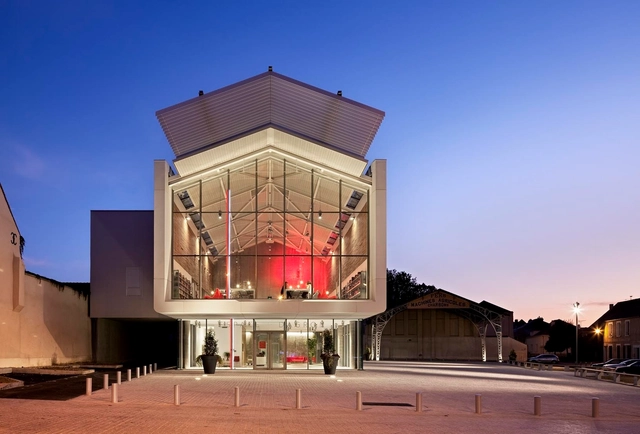
Designers have created civic institutions, governmental centers, public plazas, and many other spaces as testaments to individual and shared values. As spaces for gathering and exchange are necessary elements to urban life, architecture can also act as a vehicle to encourage understanding. Advocating knowledge while empowering the public, libraries celebrate ideas, curiosity and empathy.
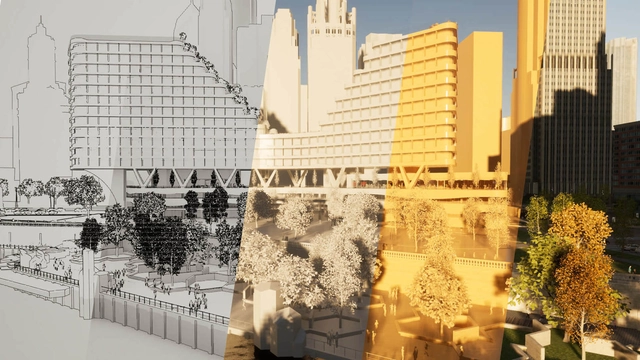
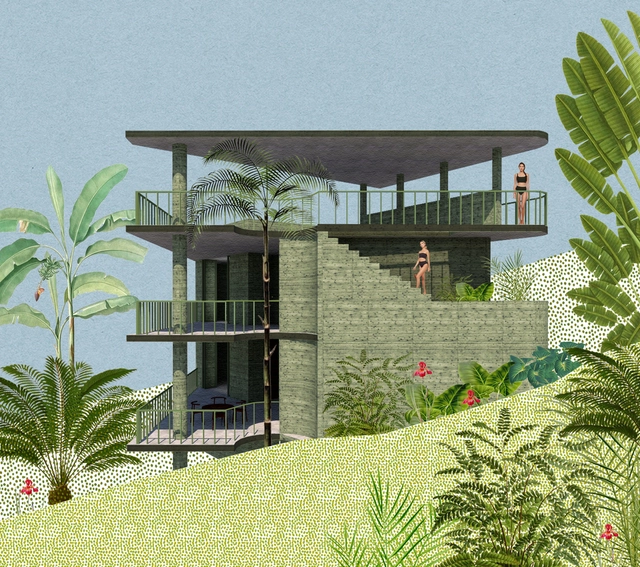
Renders are representations that can convey the three-dimensional aspect of a design through two-dimensional media, i.e., an image, providing a preview of how the project will look in the future. However, unlike what people often imagine, rendering is not always a realistic visualization of architecture.
Since it is a tool for visual communication, renderings can have different styles depending not only on the project itself but also on the specific targeted audience and, above all, on the identity of the architect or architectural firm responsible for the design.
According to the United Nations’ latest report on populations in cities, by 2030, “urban areas are projected to house 60 percent of people globally and one in every three people will live in cities with at least half a million inhabitants”. Growing in both size and number, cities are hubs of government, commerce, and transportation, and in 2021, the world’s 20 largest cities are home to half a billion people. In fact, one in five people worldwide lives in a city with more than 1 million inhabitants.
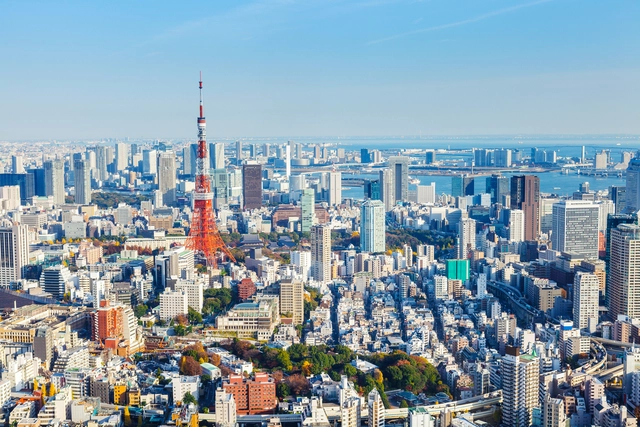
Below, we have rounded up the top 20 megacities in the world of 2021, according to the number of people that live in their metropolitan area. While Tokyo is the largest city on a global level, with a total of more than 37 million residents, the majority of the most populous cities in the world are in the two most populated countries, China and India. Among these, we have 5 metropolises in China, Shanghai, Beijing, Chongqing, Tianjin, and Guangzhou, and 3 in India, Delhi, Mumbai, and Kolkata. The largest city in the American continent is Sao Paulo in Brazil with 22 million people, followed by Mexico City and Buenos Aires in Argentina. Istanbul takes the 13th position with one part of the city lying in Europe and the other part in Asia.
In a 2016 survey of 400 employees in the U.S., Saint-Gobain found that office building occupants commonly complained about poor lighting, temperature, noise, and air quality, leading the company to deduce a need for improved lighting and thermal comfort in buildings while also maintaining low energy consumption and freedom of design for architects and clients. Their solution was SageGlass, an innovative glass created first in 1989 and developed over the course of the past three decades. The glass, which features dynamic glazing protecting from solar heat and glare, simultaneously optimizes natural light intake. A sustainable and aesthetic solution, SageGlass’ adaptability to external conditions dispels the need for shutters or blinds.
https://www.archdaily.com/957605/more-daylight-but-less-glare-and-heat-how-does-automatically-tintable-glass-workLilly Cao
Working remotely throughout the past year has accelerated the introduction of new approaches to real-time rendering, and with it, a new necessity was born: how can a person feel physically present inside a space, without actually being there? Ultimately, designers resorted to the virtual world, a vast realm of interactive built environments that can be accessed from the comfort of one's home. Even the tools utilized, such as headsets and goggles, have become more accessible to the vast majority of the public and are being sold at a lower price than they initially were. We have become accustomed to build, modify, and navigate between different environments, going back and forth between what is real and what isn't. Truth is, virtual has become the new normal.
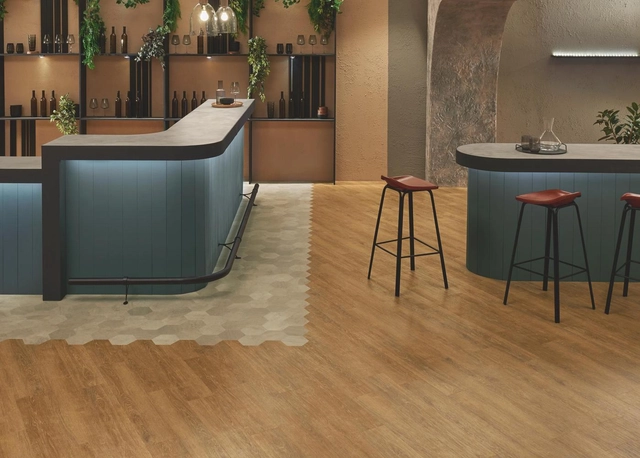
Warm wood look – but more robust: All Amtico product families are designed to give the impression of natural colours, surfaces and grains so they feel deceptively real – in the best sense of the word. Image Courtesy of Amtico
Amtico’s flooring products not only look like the real thing, they’re also more robust than the natural materials which they imitate, offering architects versatile surface solutions and greater planning freedom.
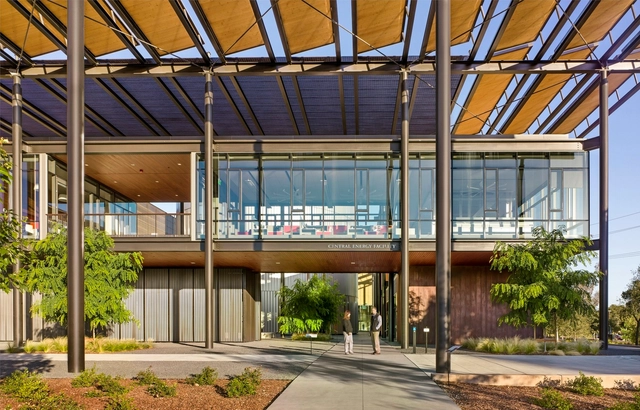
Solar design in contemporary architecture is rooted in the profession's sustainable turn. The relationship between architecture and energy is tied to both passive strategies and performance via more recent innovations in technology. As one way to begin addressing the global climate crisis and greenhouse gas emissions, solar design is reshaping cities and architecture around the world.










.jpg?1619126725&format=webp&width=640&height=580)



.jpg?1617889198 "Courtesy of BIG")