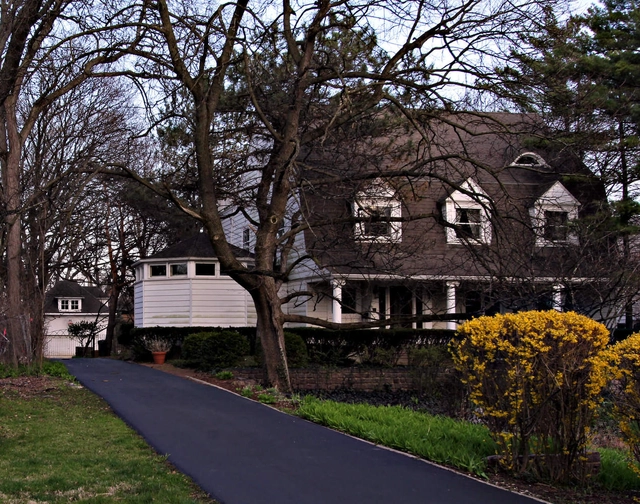
Contemporary view of the Bagley House. Image Courtesy of Patrick Mahoney, AIA
Less than two months ago, the future of an 1894 Dutch Colonial-style home designed by Frank Lloyd Wright wasn’t looking all that bright after it hit the market for $1.3 million in the Chicago suburb of Hinsdale, Illinois. As of this week, however, the historic Frederick Bagley House, described by the nonprofit Frank Lloyd Wright Building Conservancy as a “unique and irreplaceable” early work of Wright, has found a very happy ending—or, more aptly, a new beginning.
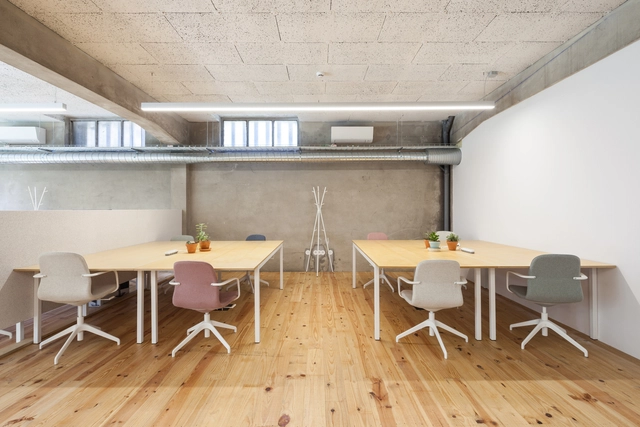
Temperature, lighting, air quality or noise development: MyData Analysis from Regent Lighting measures the framework conditions that influence whether employees feel comfortable in office spaces. Image Courtesy of Regent Lighting
With MyData Analysis, Regent Lighting provides a smart technological solution that saves costs, increases efficiency and simplifies workflows – confirmed by its successful application in one of Europe's largest smart building projects.
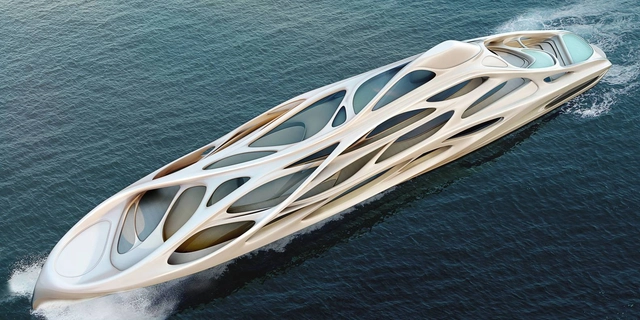
Boats offer delightful distractions for a surprisingly large number of architects. So many in fact, that there seems to be something about boats that appeals specifically to those trained in architecture.
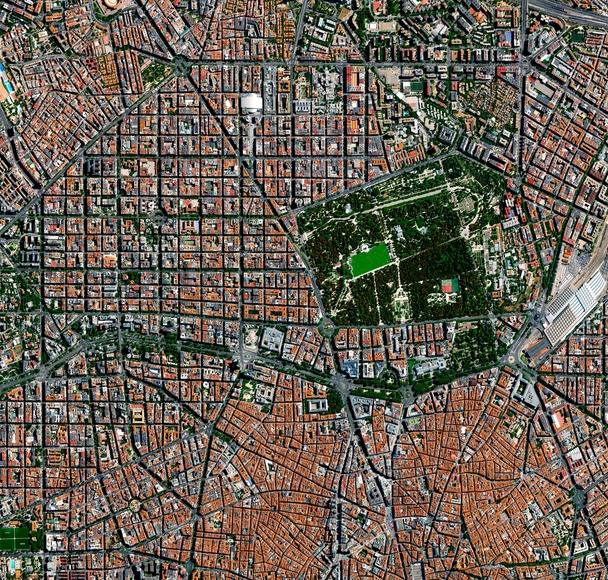
The way our world looks like today is a result of centuries and centuries of human migration, of complex natural phenomena that has resulted in the geographic appearance of the world’s continents today. We understand this world through our lived experiences, but we also understand this world through a two-dimensional man-made invention – maps. Maps define the many contested borders of the world and have been used in an oppressive capacity, in particular places, for example, segmenting off sections of a place from marginalised societal groups.
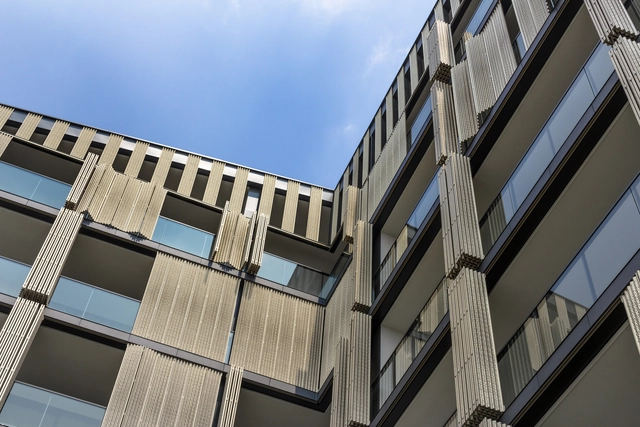
Façade is one of the most important factors in certain building types, that can completely transform the occupant experience and the energy performance of the building. The Whole Building Design Guide showcases that the facade can have up to 40% impact on the total energy use of the building. In addition to the energy use, the facades also significantly impact the occupant productivity withing a building and, of course, the appearance of the building. There are many factors that go into creating a high-performance façade. In this article, we outline the top 5 things a design team should consider.
https://www.archdaily.com/968327/5-things-to-consider-when-designing-a-high-performance-facadeSponsored Post
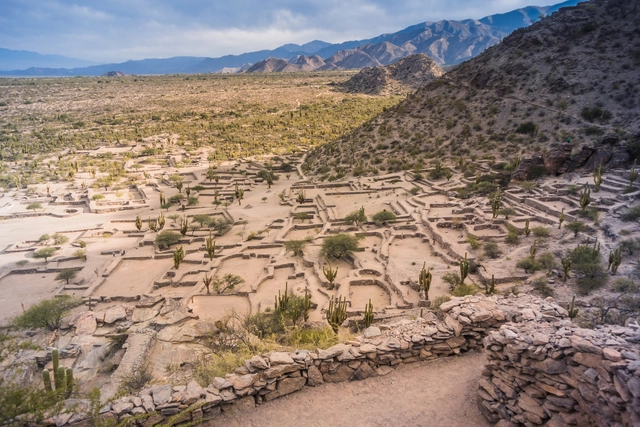
Quilmes Ruins, Tucumán, Argentina. Imagen de Guaxinim. Image via Shutterstock
One of the most advanced civilizations in Latin America, the Quilmes people inhabited what is today known as the Santa Maria Valley in the northwestern sector of the Tucumán province, in the center of the Calchaquíes Valleys. Their city contains remnants of village life from centuries ago, giving a clear view of life in the village from generations past, including the economy, religious sites, public and private spaces, and interactions with other civilizations. At its height, the Quilmes' city had 450,000 inhabitants prior to the Spanish invasion.
These settlements, built in the Calchaquíes Valleys since approximately the 10th century, are considered to be Argentina's first pre-Hispanic cities. Even though little remains of these cities, their ruins highlight a complex history of a material and spiritual culture ripe with social and economic advancements.
In the evolving campaign to combat climate change, big and bold solutions are increasingly easy to find, from the conceptual “water smart city” and ecologist Allan Savory’s vision for greening the world’s deserts to NYC Mayor Bill de Blasio’s plan to turn part of Governors Island into a “living laboratory” for climate research. Oyster reef restoration is occurring at nearly every critical junction along the eastern seaboard, from Florida to Maine. These are worthy efforts, and yet, when considered collectively, the onus for solving our climate crisis is being left largely to municipal governments and private actors, making most solutions piecemeal, at best. The success of one approach has little to no correlation with that of another. But what happens when all related solutions can be applied within a single, controlled ecosystem when environmentalism and urbanism are not at odds, but working in concert? Enter the experimental city.
https://www.archdaily.com/968595/rethinking-the-role-of-experimental-cities-in-combating-climate-changeJustin R. Wolf
A wall at Auckland’s MediaWorks, composed of Autex Acoustics’ Cube panels that are cut and reassembled in careful compositions to make an irregular, sculptural surface, representing discordant noise. Image Courtesy of Autex Acoustics
Autex Acoustics’ intelligent, sustainable solutions not only integrate into different architectural contexts, they also contribute to greater well-being and performance in working environments.
Great design is rooted in responsive and adaptive approaches. For architect and landscape architect Greg Kochanowski, equitable design solutions should address critical issues, such as climate and housing. As Partner and Design Principal at GGA, Greg is an active researcher focusing on resilient environments that create synergies between natural systems, culture, infrastructure, and development.
As our cities densify and building types become more and more mixed-use, we tend to spend a lot of time in noisy environments. When we think about acoustic comfort, we rarely think of places like restaurants, venues, and big offices; places with a lot of people, machinery, and background noise. The quality of sound can entirely change the experience of people in an interior space, and improving the space's acoustic quality relies on treating all surfaces, from walls to ceilings, and flooring. In this article, we will present a variety of solutions for ceilings, flooring, and walls, their different combinations, and a simple guide of how to apply them correctly in public spaces without compromising the aesthetic of the interior.
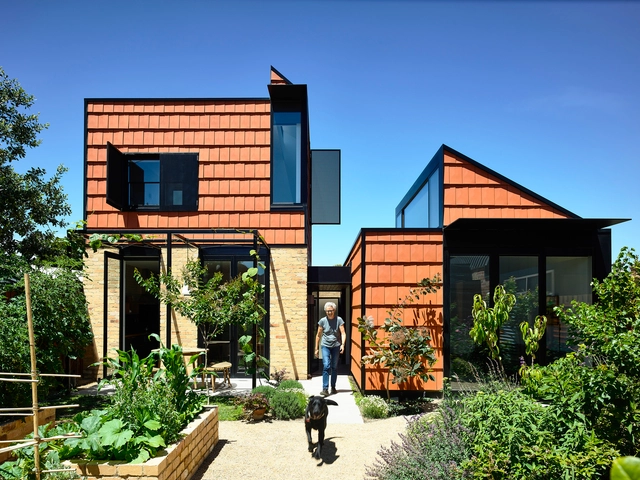
Since before the first industrial revolution, sociologists, historians, and urban planners have been addressing the relationship between the city and the countryside, but this debate has become more pressing nowadays with the spread of megacities, typically with a population of more than 10 million people. With more and more people living in urban areas, it is imperative to think of solutions for food production within cities, thereby making cities more independent from rural areas, which have historically been responsible for the supply of food to the entire planet.
The idea that cities will become self-sufficient in food production in the near future is both unrealistic and naive. Nevertheless, small initiatives such as urban gardens, either at home or public gardens run by the community, might be a good starting point for a much bigger change in the future. Or perhaps they simply represent a desire to return to one's roots and achieve a slightly slower lifestyle.
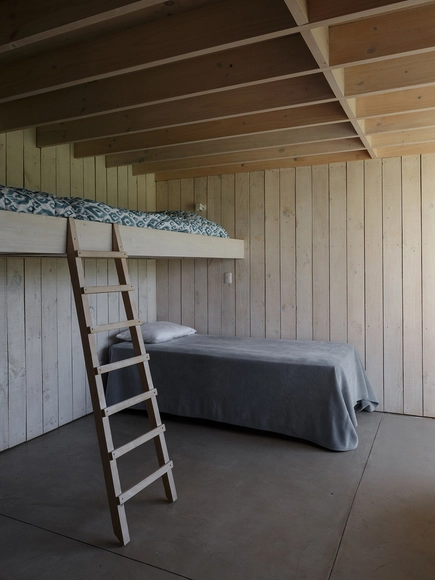
It is a common misconception that bunk beds - which are sleeping spaces elevated above floor-level - are used exclusively for the bedrooms of children and teens. While bunk beds are a great solution for younger kids and older kids alike, the practical aspect of bunk beds which gives ample sleeping space while saving on floor space, makes them great for a variety of purposes and applications. With a rise in density and the majority of people living in large urban centers making use of increasingly smaller living spaces, there has come a push towards modularity in interior architecture. For this reason, bunk beds and lofted sleeping areas have become a great solution to maximize square footage.
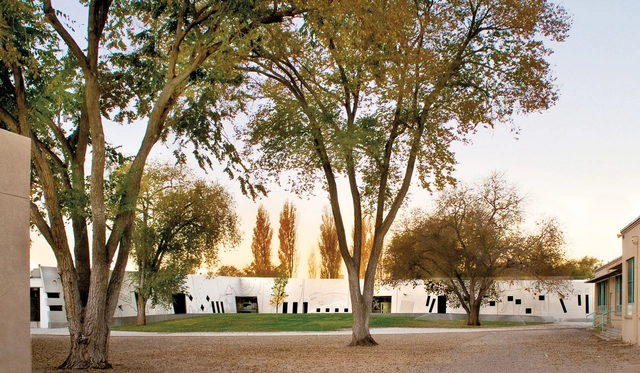
VALLE VISTA ELEMENTARY SCHOOL Suina Design + Architecture, founded by Elizabeth Suina of Cochiti Pueblo, conceived a much-needed addition to an existing 1952 structure in Albuquerque. The structure’s most salient feature is a concrete outdoor Learning Wall, gently tilted up and punctuated with geometric openings and patterns that relate to the school’s curriculum and various Chacoan motifs, such as the sun-cast Sun Dagger.. Image Courtesy of Suina Design + Architecture
In this week's reprint from Metropolis magazine, authors Theodore (Ted) Jojola and Lynn Paxson talk about embracing “place knowing” as a process to understand building and planning, and highlight modern achievements in Pueblo architecture.
The Pueblo people of the Southwest have been stewards of their lands for millennia. In contrast to the colonial and territorial experiences of many tribal nations, the Pueblos avoided being displaced from their homelands. This prevented many of their places from being erased. As such, their ancient worldviews still remain at the core of their planning and design. Nothing is so important as their imprint on the expression of architecture, especially its form and function.
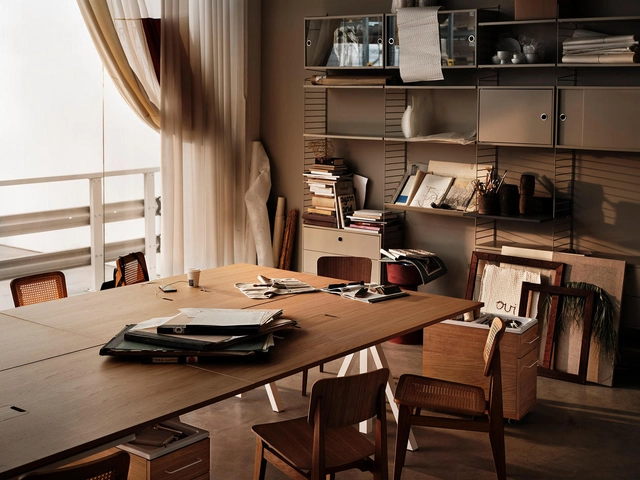
Designed in 1949, String Furniture has adapted over the years to different uses across different rooms, and different phases of life. A choice of materials allows it to fit with any environment. Image Courtesy of String Furniture
When it comes to creating timeless furniture, there's a lot to learn from modern classics like the String furniture system.
Salone is the most important furniture event in the world, strongly connected to the city and the design culture. This year we are seeing a new expanded format to mark the 60th anniversary of Salone del Mobile, titled "SuperSalone", a prequel to the 2022 edition, with a very accentuated focus on the materiality and the sustainable aspect.
Managing to put together the physical and the digital, in order to make the event more accessible for the world, Salone ran during the first week of September, at the Rho Fiera. During these design days, ArchDaily had the chance to speak with the curator, Stefano Boeri, discussing this very special edition, the relationship between the city of Milano and Salone, the democratization of design as well as the environmental quality in his projects around the world.
The A’ Design Award was "born out of the desire to underline the best designs and well-designed products." The A' Design Award, recognizing the excellent and original talent from across the globe, is both a major achievement for designers and a source of inspiration for award-winning architects, brands, and design agencies. Entry and nomination are open to contestants from every country. Registration for the A' Design Award & Competition 2021-2022 period is now open. Register and upload your design here, and receive a complimentary preliminary score.
The Covid-19 pandemic has been going on for over a year now, so people have consequently been traveling less, and tourism has slowed down all over the world. But that doesn't mean we still can't get to visit faraway places. Since the beginning of the lockdown, several museums and organizations have been preparing virtual tours that allow users to explore their spaces through digital immersion. With that in mind, here are four different ways for you to explore places without leaving your home.
Cities we live in today have been built on principles designed decades ago, with prospects of ensuring that they are habitable by everyone. Throughout history, cities have been catalysts of economic growth, serving as focal points for businesses and migration. However, in the last decade, particularly during the last couple of years, the world has witnessed drastic reconfigurations in the way societies work, live, and commute.
Today’s urban fabric highlights two demographic patterns: rapid urbanization and large youth populations. Cities, although growing in scale, have in fact become younger, with nearly four billion of the world’s population under the age of 30 living in urban areas, and by 2030, UN-Habitat expects 60% of urban populations to be under the age of 18. So when it comes to urban planning and the future of cities, it is evident that the youth should be part of the conversation.