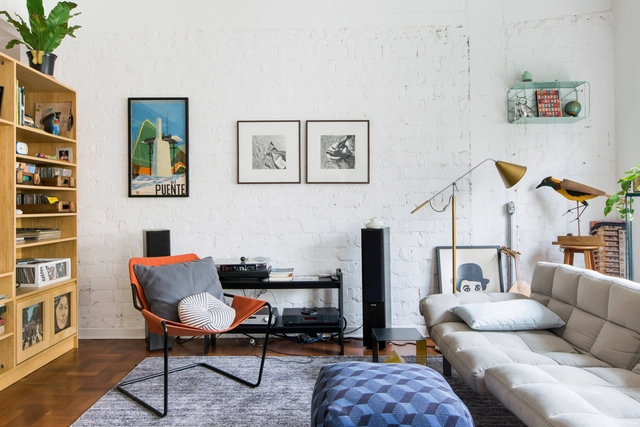
An empty wall is not always a breath of air, at times it can give a cold feeling of missing something. And that is why it presents itself as a space to be occupied to bring more originality and greater character to your space. The question is: how can we intervene in it? Below, we have gathered some ideas from various projects to inspire you.
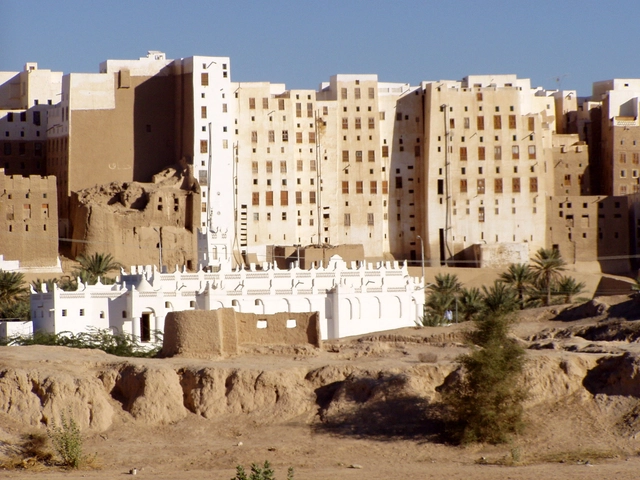
Skyscrapers are an unmissable characteristic of contemporary settlements. From São Paolo to New York, from Seoul to Dubai – these towering structures are a ubiquitous part of the urban fabric. The conventional image one has of these structures is of curtain-walled facades, but in Yemen – an ancient example goes against this trend. Central Yemen is home to the city of Shibam, surrounded by a fortified wall. It’s also home to a dazzling example of architectural ingenuity – tower houses that date back to the 16th century, stretching up to seven stories high.
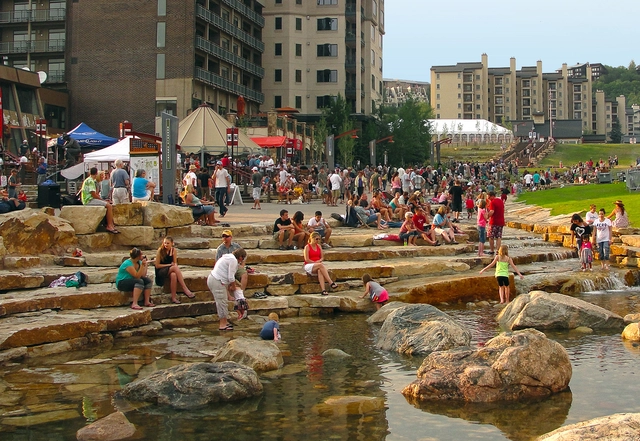
Burgess Creek Promenade, Steamboat Springs, Colorado. Image Courtesy of Wenk Associates
The need to rapidly adapt to climate change has rightfully taken center stage. But the connections between climate change and stormwater management are often overlooked. Climate change impacts the hydrological cycle by increasing water scarcity and the frequency and intensity of flooding while contaminating waterways. Better managing stormwater is key to managing water resources and protecting our safety and the health of our environment.
Slow living is a trend inspired by growing interests in mindfulness and sustainability – and our growing cultural need to escape from the negative effects of fast-paced digital living and high consumption. Yet how exactly can the design of our interior and exterior spaces interpret this trend and help us slow down?
Imagine explaining to someone 25 years ago what the professions of social media manager, uber driver, or drone operator are all about in 2020. Technology combined with population demands, resource scarcity, urbanization and other factors have created a number of new jobs and radically changed others. Research claims that 65% of children entering elementary school today will end up working in jobs that don't yet exist.
Over the years, interior design has evolved according to the needs that arise, but above all according to the experiences it seeks to evoke in the user. In the last two years we have witnessed a radical change and a special interest in this subject because the pandemic forced us to pay specific attention to the configuration of the places we inhabit. This brought about much more holistic designs that seek to address the wellbeing of the user, combining colours, sensory experiences, technology and natural elements that promote health.
When the first commercial planes took flight, so did architecture. Like many other moments of technological advancement, the fascination with soaring through the skies heavily influenced the design movements of the last fifty years- not only in terms of how we design airports and think about the airline passenger experience, but the aesthetics of aviation and how the fabrics, textures, and high-end details would influence our lives on the ground.
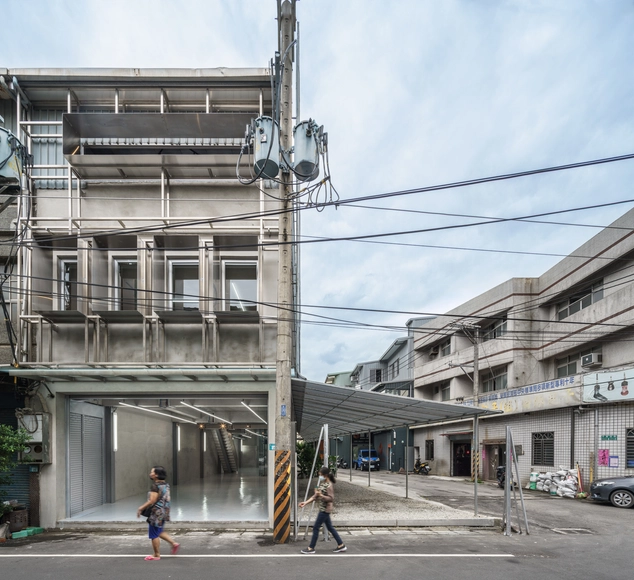
Achieving the best use of space, reducing the footprint of the buildings that are constructed and designing an optimal distribution that can meet the needs of their inhabitants are some of the requirements and challenges faced, day after day, by architects around the world. Through the implementation of certain materials, the definition of the morphology or even the geographical and natural conditions of the terrain, it is possible to carry out various strategies that make it possible to design homes with the comfort that their users need and in the smallest amount of square metres possible.
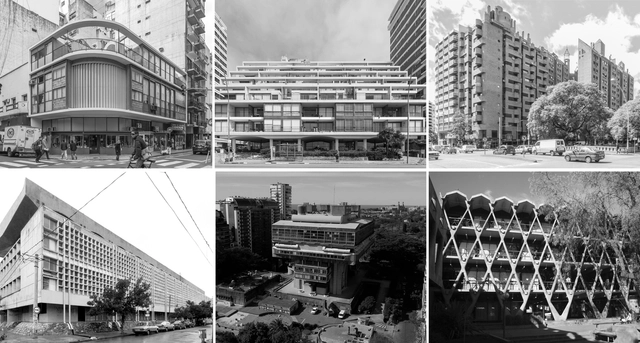
1. Casa de Estudios para Artistas / Antonio Bonet. 2. Terrace Palace / Antonio Bonet, Roberto Luna, Raúl Fernández y Alejandro Zamudio. 3. La Obra Urbana de Togo Díaz / José Ignacio Díaz. 4. Colegio Manuel Belgrano / Bidinost+Chute+Gasó+Lapacó+Meyer. 5. Biblioteca Nacional Mariano Moreno / Testa, Bullrich y Cazzaniga. 6. Facultad de Arquitectura de Mendoza / Enrico Tedeschi. Image
Within South America, different dates have been established to pay tribute to and honour the career, life and work of architecture professionals. While in Uruguay it is celebrated every 27th of November in relation to the creation of the first Faculty of Architecture, in Brazil every 15th of December in homage to the birth of Oscar Niemeyer or in Chile every 4th of August for the founding of the College of Architects, the Argentine Federation of Architects' Associations (FADEA) kept the 1st of July to commemorate the Day of the Argentinean Architect, respecting the establishment of the International Day of Architecture, established by the International Union of Architects (UIA) in 1985.
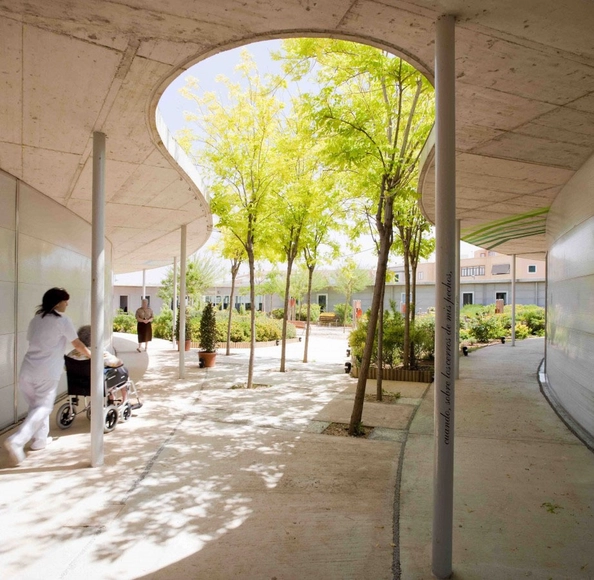
Santa Rita Geriatric Center / Manuel Ocaña. Image Courtesy of Manuel Ocaña
At a hospital, patients are always one conversation away from good or bad news. When not being rushed into treatment rooms, the sick are often left to feel stressed about their health. Healthcare workers have one of the most stressful jobs, with sudden changes in patient conditions. The general atmosphere in traditional hospitals seems tense and worrisome, and this has an adverse effect on patients’ well-being.
Everybody talks about Metaverse, but hardly anyone agrees on what it is. For the moment, it is still enigmatic, however, it seems like its ambiguity is its strength. Not a day goes by without a new article or a video on this subject, trying to convince people that Metaverse will inevitably become a part of our daily lives soon. Architects and designers are essential parties to the ongoing discussion as it is a spatial innovation that requires the Internet to be redesigned as a 3D environment.
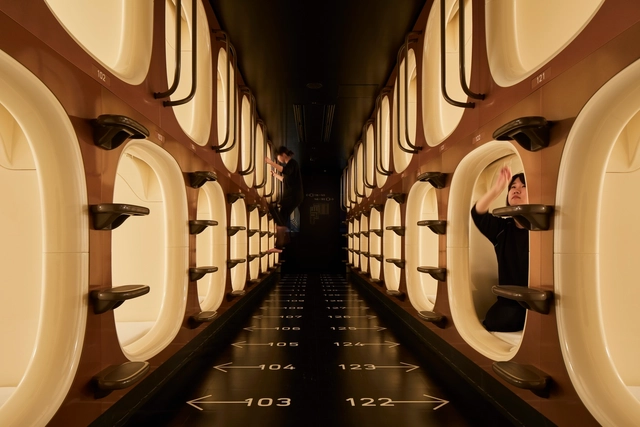
The capsule hotel is typically representative of the image that many people have of Japan, combining dense use of space, technical ingenuity, and a futuristic vibe. Capsule hotels, also known as pod hotels, are one of Japan’s best-known and unique types of lodgings. Typically located around major public transportation hubs in large metropolitan cities, they target individuals looking for a low-budget, single-night stay.
The Second Studio (formerly The Midnight Charette) is an explicit podcast about design, architecture, and the everyday. Hosted by Architects David Lee and Marina Bourderonnet, it features different creative professionals in unscripted conversations that allow for thoughtful takes and personal discussions.
A variety of subjects are covered with honesty and humor: some episodes are interviews, while others are tips for fellow designers, reviews of buildings and other projects, or casual explorations of everyday life and design. The Second Studio is also available on iTunes, Spotify, and YouTube.
This week David and Marina discuss undergraduate architecture thesis projects and studios, covering the differences between thesis projects, capstone projects, and dissertations; how to select a thesis topic; how to choose the right studio/professor; the value of doing a thesis; the unique challenges of thesis; and more.
https://www.archdaily.com/985063/the-second-studio-podcast-preparing-for-architecture-thesisThe Second Studio Podcast
The 25th of June 2022, marked 170 years since the birth of Antoni Gaudí, the greatest representative of Catalan Modernism, and we celebrate this day by sharing the story of his life and remembering his work.
The past couple of decades introduced the world to new ways of living as a result of different social, economic, and ecological changes. Naturally, these changes found their way into the architecture and urban practice, provoking new concepts within traditional typologies. Designing a space, regardless of its function, has always prioritized users' needs and ensured practicality and functionality, but recently, keywords like flexibility, privacy, inclusivity, and eco-consciousness have become driving forces behind design processes. In this interior focus, we will look at how current cities and living trends across the world have reshaped interior design and introduced modifications to typical typologies.
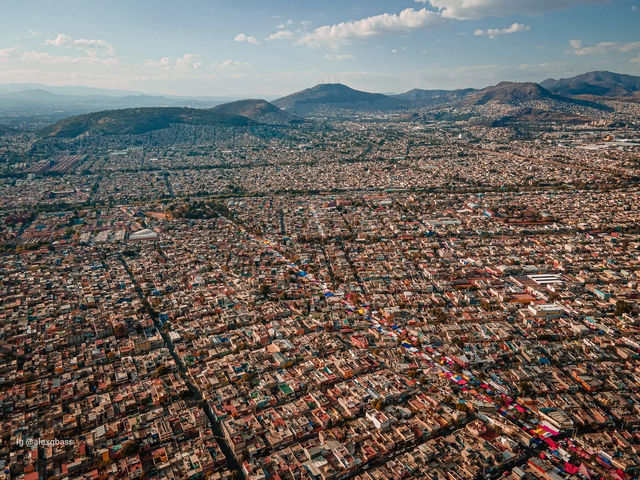
The region we know today as the Metropolitan Zone of the Valley of Mexico (ZMVM) has had a continuous and dynamic occupation for more than 4,000 years. Archaeological and anthropological evidence reveals the presence of complex human societies on the banks of the lake basin, starting with Tlatilco and Cuicuilco in the Preclassic period, passing through Teotihuacan in the Classic period, and culminating with the different urban centres of Nahua affiliation in the Postclassic period, with the cities of Mexico Tenochtitlan-Tlatelolco, as well as Texcoco, Azacapotzalco, Iztapalapa and Chalco, among many others, undoubtedly standing out.
https://www.archdaily.com/984712/the-aestheticisation-of-inequality-contrasting-landscapes-on-the-periphery-of-mexico-cityMónica Arellano y León Villegas
Throughout the years, urban settings have been shifting and taking on new forms. Workspaces became more flexible, home-based offices are common and the increasing costs of housing have led to changes in the way dwellings are designed and built; while turning us towards public and communal outdoor areas for leisurely activities and social gatherings. Our shifting lifestyles are therefore shaping a new urban landscape that’s influencing the way we conceive and use these spaces. Despite everything, some smaller and often unrecognized typologies have persisted and remain as necessary as they’d always been.
They are not places of defined function, yet they still host valuable instances within our day-to-day lives. The latter are the Interstitial (or In-between) spaces, that act as buffers to, and link our private spaces to the public and functional buildings or landscapes. They are the hallways, waiting areas, elevators, staircases, entrances, and transitional zones weave our built environment together.
https://www.archdaily.com/984818/interstitial-spaces-and-public-life-the-overlooked-interventions-that-weave-our-built-environmentHana Abdel & Paula Pintos
In the 1960s and 1970s, a series of critiques of the modern city appeared. Jane Jacobs’s attack on those intent on redeveloping New York City was the most immediately impactful, loosening the grip of Robert Moses and his followers, but others had a broader influence on practicing architects and planners. As an observer of San Francisco Bay Region’s cities, I wondered if their books from this period would shed light on current issues of adding density in urban contexts.
https://www.archdaily.com/985024/how-do-the-critics-of-yesteryear-think-about-urban-densityJohn J. Parman













.jpg?1654617049&format=webp&width=640&height=580)