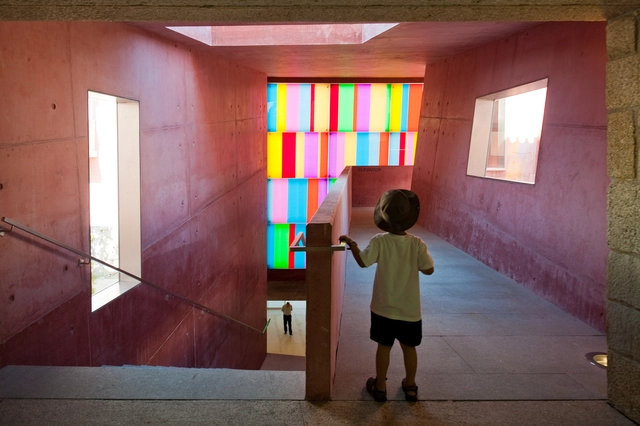
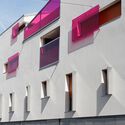
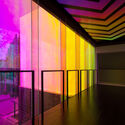
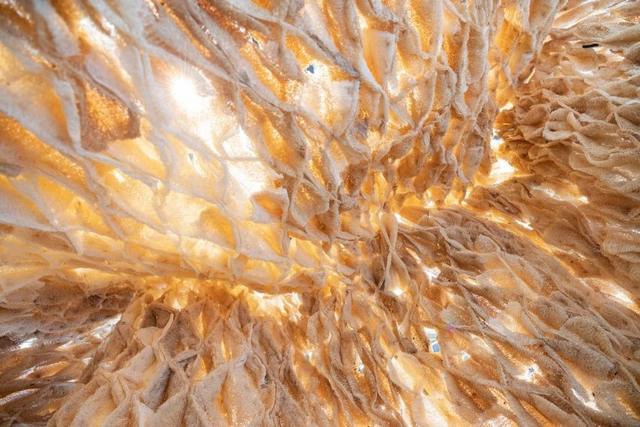
Used by artisans across the globe for thousands of years, colored glass is one of the oldest art forms. Its origins date back as early as the 7th century, when stained windows began adorning churches, cathedrals and convents – often representing religious symbols and Biblical stories. These expanded to Islamic mosques and palaces during the 8th century, and by the Middle Ages could be found in countless churches across Europe. The intricate glass work reached maximum splendor in the monumental buildings of the Gothic period, resulting in giant, elaborate windows with extremely complex figures, patterns and geometries. However, gone are the days when this was reserved exclusively for prominent places of worship or ancient structures. Hand in hand with innovative production methods and new technologies, colored glass has made a comeback in contemporary architecture, enhancing countless buildings with its bold, lively hues.
The construction industry's future will undoubtedly include "carbon reduction" as a mandatory task. Aside from locally sourced, virgin materials, an increasing number of new materials are becoming available. New materials can be developed in several ways, including low-carbon substitution, recycling, performance enhancement, and 3D printing. New materials will not only be more environmentally friendly and enable new construction methods, but they will also influence the starting point and direction of design concepts, resulting in new buildings with new perceptions and spaces.
“Art aims to represent not the outward appearance of things, but their inward significance”, Greek polymath Aristotle remarked. Public art in cities worldwide seeks to pursue this aim by offering a sense of meaning and identification to its residents. Taking the form of murals, installations, sculptures, and statues, public art engages with audiences outside of museums and in the public realm. This art presents a democratic manner of collectively redefining concepts like community, identity, and social engagement.
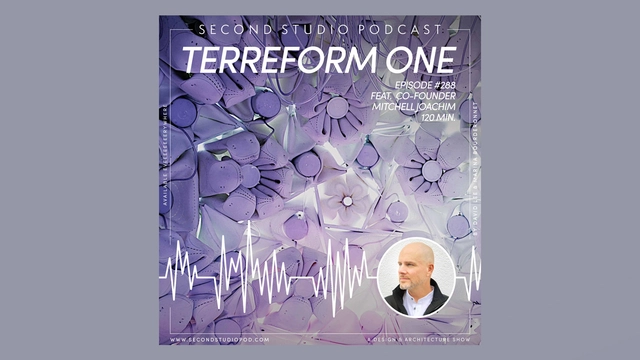
The Second Studio (formerly The Midnight Charette) is an explicit podcast about design, architecture, and the everyday. Hosted by Architects David Lee and Marina Bourderonnet, it features different creative professionals in unscripted conversations that allow for thoughtful takes and personal discussions.
A variety of subjects are covered with honesty and humor: some episodes are interviews, while others are tips for fellow designers, reviews of buildings and other projects, or casual explorations of everyday life and design. The Second Studio is also available on iTunes, Spotify, and YouTube.
This week David and Marina are joined by Mitchell Joachim, PhD, Associate Professor, NYU and Co-Founder, Terreform ONE to discuss the complexities of urban design; the role of the urban designer; the real-life applications of his research; funding projects; cricket farms; and more.
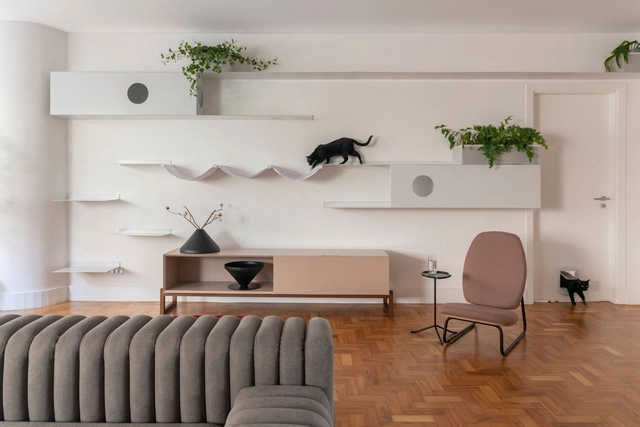
In architecture, the most common is to design for humans only. However, covering the scope of the project for other species is an exercise that has been proposed in several orders. From specific furniture to interior design planned for the animal, the possibilities of creating a more playful and comfortable ambience, both for humans and animals, are diverse.
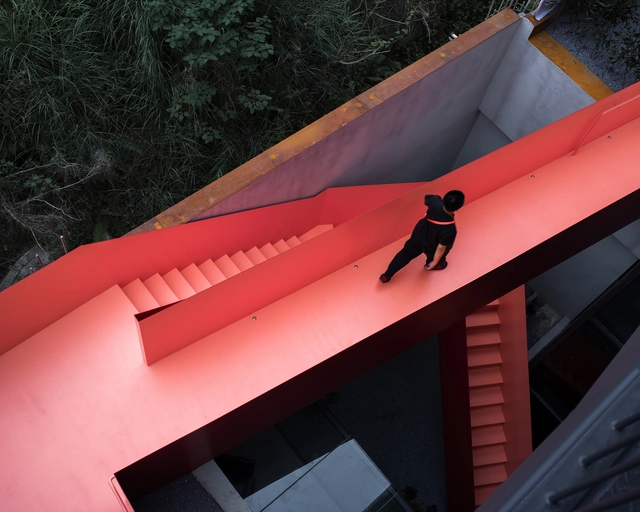
Stairs are often an inevitable part of a building's DNA. Nowadays, staircases not only serve the function of practicality but are also a showcase of their own kind, especially if paired with a color that is guaranteed to grab attention. Among warm colors, red is considered to be the most powerful one. On one hand, it evokes feelings of joy and energy, and on the other, feelings of alertness and danger. Red can stimulate a whole range of emotions. Therefore, its usage should be attentive, delicate, and thought out.
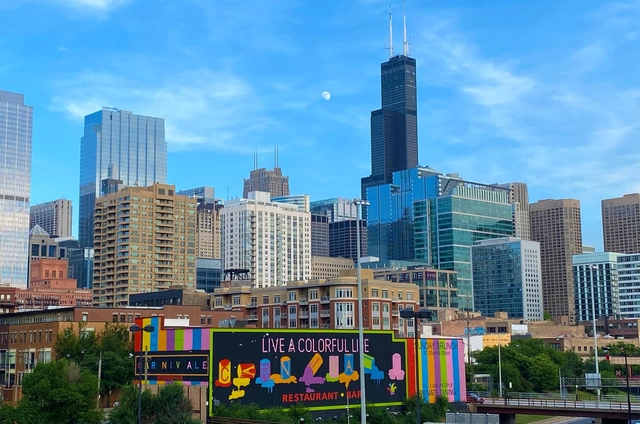
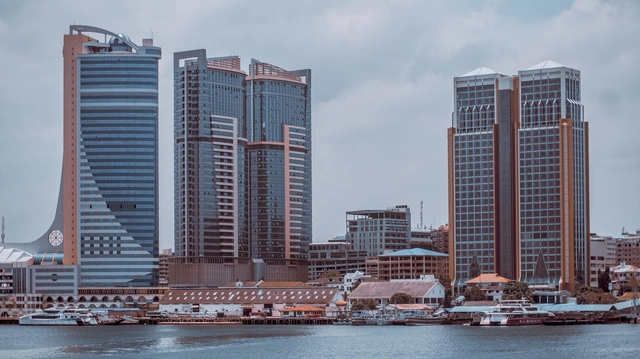
Cities have been, and will always be multi-faceted, elastic sites. They are settlements in continuous evolution, molded by proximity to natural resources, by migrating populations, and by capital. Despite the diversity in the urban character of disparate cities, it has been said that cities look alike now more than ever before, a uniformity that means a glass-and-steel tower in Singapore would not look out of place in Mumbai’s Bandra Kurla Complex.
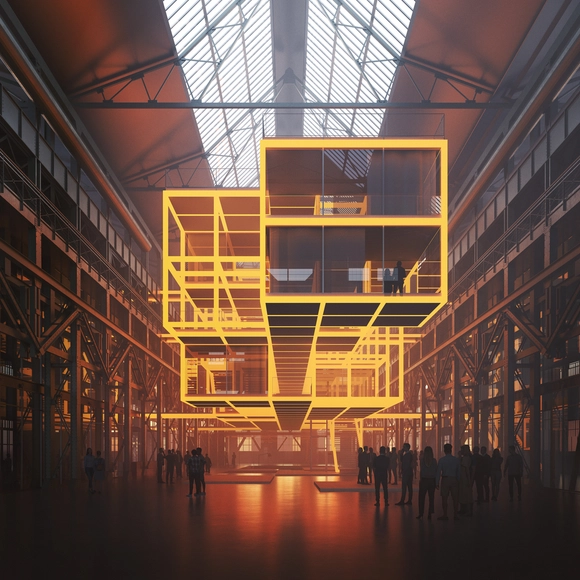
Architectural projects have been growing in complexity at an exponential pace while delivery times have shortened. In response to these demands, specialized visualization studios have become essential to architects and firms with high demands and tight deadlines. Brick Visual, the Budapest-based high-end visualization studio, reflects on its 10 years in the industry and the current state of architectural visualization.
Brick Visualwas founded in 2012 by a few ambitious young professionals whose dream was to create visuals for the most reputed architecture firms around the globe. From a small downtown apartment in Budapest, the handful of visualizers worked to address the needs of its clients while building a culture of innovation and artistic excellence. Since then, the small Hungarian collective transitioned into an international team of nearly 100 experts, who are based in their loft headquarters in Budapest, and satellite offices in Cluj-Napoca, Romania, and Verona, Italy.
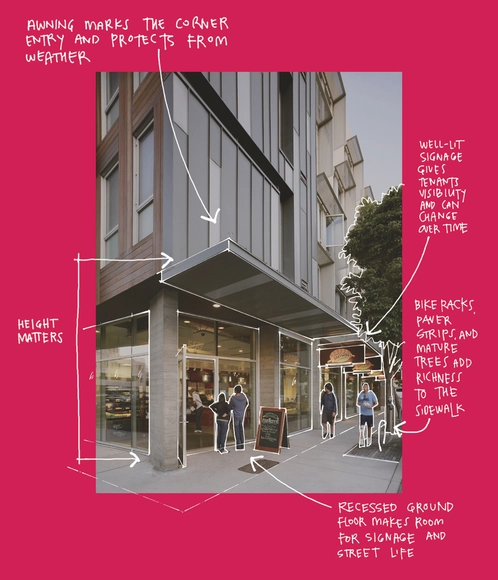
A famous skyline can evoke rich associations and unleash imagination, but the real experience of a city is in its streets. Early humans evolved to see the first 20 feet in front, above, and around them so they could identify potential threats in the landscape. In our modern urban environment, this is still how we experience buildings and places. While aerial views and Google Earth imagery are useful for reference, the main experience of the outside of a building is what we pass by on the street, up to about the second or third story. The height of a building doesn’t necessarily matter if the street experience is rich and accessible.
https://www.archdaily.com/990889/activating-the-edges-how-to-create-lively-active-streetsAmanda Loper, Daniel Simons, David Baker
Lessons Learned is a podcast by Dutch Design Week and ArchDaily. In each episode we pair young design talents with seasoned designers to further their practice and help them learn from the mistakes of the past. The young talented individual asks one pressing question, and the designers share their learnings and their biggest fuckups.
Blending in with its urban context or standing out to draw attention, a façade tells a building’s story. It is an expressive medium through which we engage with architecture, defining first impressions and setting the tone for the interior by experimenting with transparency, movement, texture and color, among other aesthetic possibilities. Of course, the envelope also plays a crucial functional role, acting as a protective barrier against extreme weather conditions and directly impacting light transmittance, energy efficiency and acoustic comfort. Architects therefore face an important challenge: to achieve a balance between an attractive look and performance. To do so, it is pivotal to specify the right materials during the design stage.
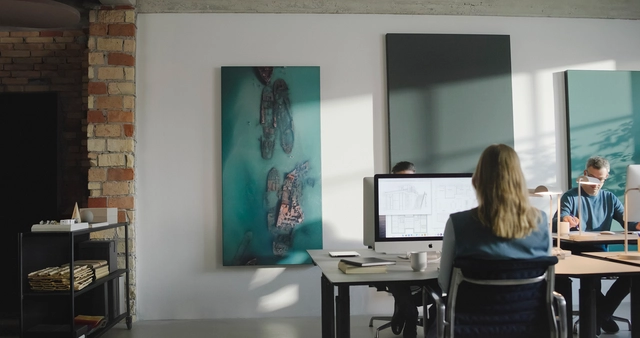
The noisier the environment, the harder it is to concentrate on the sounds we really want –and need– to hear. We spend about 90% of our time indoors, either at home or at work, often with little concern for acoustic qualities, making our body remain in a constant warning state. In offices this is an even more critical issue. While traditional open plan working spaces encourage teamwork and effective communication, many professionals face the challenge of being able to concentrate with the frequent noises, whether from a nearby conversation, the construction site next door, or a noisy espresso machine. Among the problems that noise pollution can cause in the human body are stress, accelerated heartbeat, increased blood pressure, insomnia, and a constant state of vigilance. Studies also show that poor acoustics negatively affect productivity.
This can be further amplified by the environment itself, often composed of "hard" surfaces (masonry, concrete, glass) that reverberate sound several times over, making it necessary for people to raise their voices to be understood. Furthermore, acoustic devices are generally perceived as accessories that are not very aesthetically pleasing, often with clumsy designs and with little or no flexibility.
From smartphones to space rockets and self-driving cars, the power of technology in this modern digital era is enormous (and practically limitless). It has impacted every aspect of our lives and will continue to open up endless possibilities that today we cannot even begin to fathom. When applied in a socially and environmentally responsible way, technology has the power to enhance productivity, communication and sustainability, enabling global communities to function efficiently, addressing people’s everyday needs and improving their quality of life. Simply put, good technology serves humanity. And just as the healthcare or manufacturing industries have taken advantage of this, the architecture, design and construction world cannot fall behind.
The global pause of the COVID pandemic has provided an opportunity to assess present-day globalism and the architecture that has emerged alongside it. Stemming back to the broad expansion of free trade in the 90s at the end of the Cold War, globalism’s cultural promise was simple and aspirational: integrating markets globally would increase the interaction between and learning of different cultures. By normalizing such experiences in our daily lives, we would become global citizens liberated from our previous prejudices–all well-intentioned objectives.
Architecture is human. So when I entered Cornell’s College of Architecture, Art, and Planning in 1973 and the entire faculty were as white and male as I was, it made no sense to me but reflected the end times of the full-on male dominance in my chosen profession. In that world, a few professors would often comment on how female students looked at juries, and some sexually victimized some students (none of whom were male).
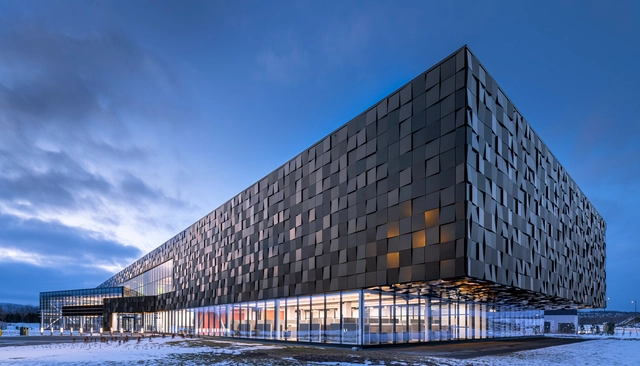
Jinan Cultural Sport and Archives, Public Center, Muchuan Xu, Minxi Cai, Xin Yan, Jingyi Zhao, Qijun Lu, Shangzhao Yang, Xiaofeng Li, Zhongning Zhang, Guanbao Ye / Vantree Design / . Image Courtesy of A' Design Award & Competition
The A' Design Awards - the world's leading annual international juried design competition - were established to promote and recognize the best design work in all countries and in all creative disciplines. The Award has 100 main categories, including Architecture, Building and Structure Design,Interior Space and Exhibition Design, and Furniture Design, in addition to others related to the world of Lighting, Landscape, Building Materials, and some "Super Categories" such as Good Industrial Design, Good Architectural Design, and more. Next year's edition is now open for entries; designers can register their submissions here.
With the construction sector getting back into full swing and major upcoming projects being announced, a larger workforce is getting ready to take on these colossal works. Accordingly, on-site presence and inspections are critical and essential to creating good architecture and constitute significant learning instances for architects or engineers looking to build expertise. But despite all these new endeavors that promise new technologies, a more sustainable future, and better ways of living, one old issue prevails the presence of gender discrimination on the construction site.
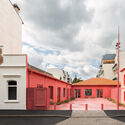
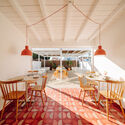
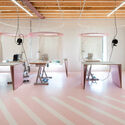
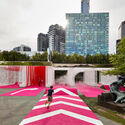
In many countries around the world, October is dedicated to raising awareness for breast cancer. Pink ribbons that represent this cause, are a tribute to Susan G. Komen, responsible for the Cure's 1990 campaign in the USA. To celebrate this month and add spread awareness efforts, ArchDaily selected some projects that incorporate the color pink into façades, interiors, and details.