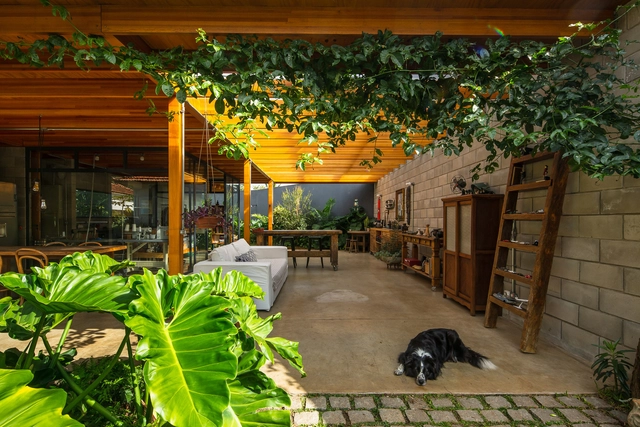
If we previously brought in before and after plans of apartment refurbishments, we now focus on residential projects that have received needed improvements. In addition to the plans, the information contained in the memorial of each project helps to better understand the attitude taken in each architectural design. After all, each work brings with it different demands: deadlines, budgets, legislation and pre-existing conditions.
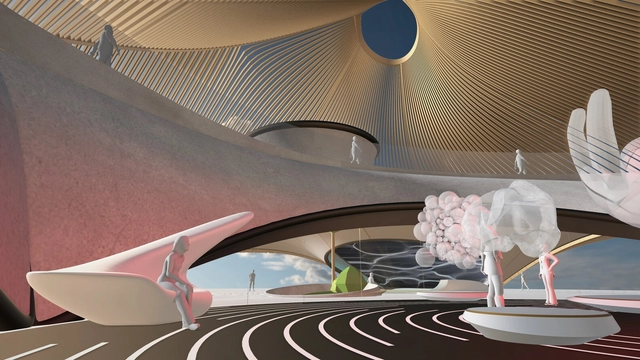
We live in a world where the experienced, remembered, and imagined, as well as different moments in space and time concerning the past, present, and future are inseparably blended. As of recent, we are being offered various mediums to gain access to other planes of existence, utilizing immersive technologies like virtual and augmented reality (VR and AR), creating a pathway to the metaverse in which we are transported to spaces that are capable of feeling more ‘real’ than anything we presently experience.
The design of cabinets and shelves is fundamental for the composition of the interior of a house. Their functions can be the most diverse - home libraries, storage, artwork and decorative elements display -, but with a little architectural ingenuity it is possible to make them protagonists, adding not only an aesthetic value to the room, but making the environment more versatile. Therefore, we have separated some tips and references to inspire your next project.
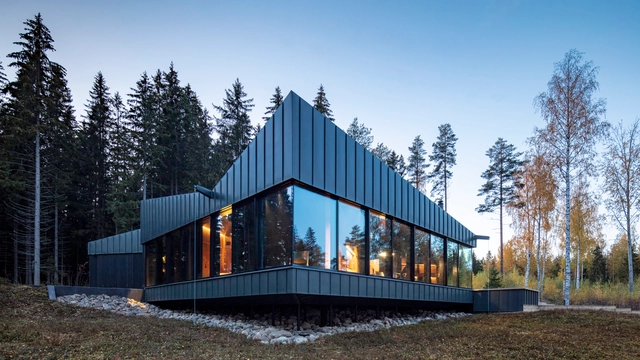
The façade is the only part of the building that can be seen from the outside and has the function of communicating a message derived from its design. It therefore deserves special attention in every detail. A façade that is well proportioned in terms of colours and materials, which facilitates the connection between the interior and the exterior, will generate an initial attraction for pedestrians, inviting them to enter.
From a small house clad in classic tiles, to big brands such as Apple or Louis Vuitton, façades are used as an architectural expression to give us a glimpse of the first elements that we will later find inside the premises. In interior design, the entrance hall of a home concentrates many clues as to what we will find next. The effect of this first impression would be even more positive if the façade included a design that leaves the user hungry for more.
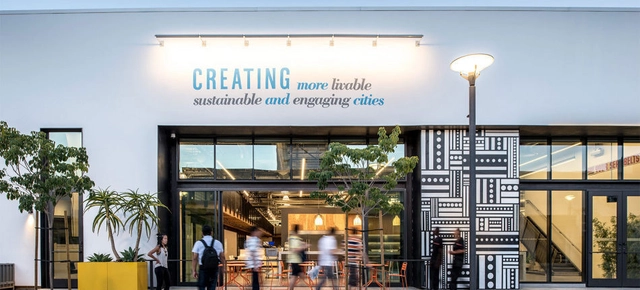
Studio One Eleven converted underutilized retail into their creative work space, for 135 employees; adjacent local and crafted retail can now better flourish. The project spurred the city of Long Beach to rejuvenate Harvey Milk Park, allow for multiple street decks for outdoor dining, and encouraged several high-quality public art installations by POW! WOW!.. Image Courtesy of Los Angeles County Public Library
My first encounter with saving a building landed me in handcuffs and a trip to the Long Beach Police Department. A friend and I were frustrated that our hometown was demolishing good buildings—because they did not conform with the current style of architecture—only to replace them with parking lots! All in the name of “progress.” In 1988, when we learned that the Jergins Trust Building, a Beaux-Arts beauty, was slated to be torn down with no plans for the site, we jumped into action and chained ourselves to the building to stop the wrecking crew. Our efforts kept it up for another four hours. And then it was gone forever.
Linear Suspended Lighting. Image Courtesy of Alcon Lighting
Lighting plays a crucial role in architecture: to allow users to see, safely inhabit spaces, and carry out their daily activities. But its power has long exceeded these basic functions, primarily driven by technological advances and new design trends that have led to greater innovation and creativity. Contemporary lighting design has the ability to completely transform a room, impacting visual comfort and setting the tone by defining volumes, drawing attention to texture and enhancing colors. It can also determine shape and size perception; for example, in a room that is particularly small, having extra lighting reflect off light-colored walls will help the space appear larger. Similarly, light has been proven to affect mood, concentration and overall well-being. Whereas an adequately illuminated environment is associated to warmth and improved energy levels, poor lighting can lead to health deficiencies, including headaches, eyestrain and even depression.
Videos
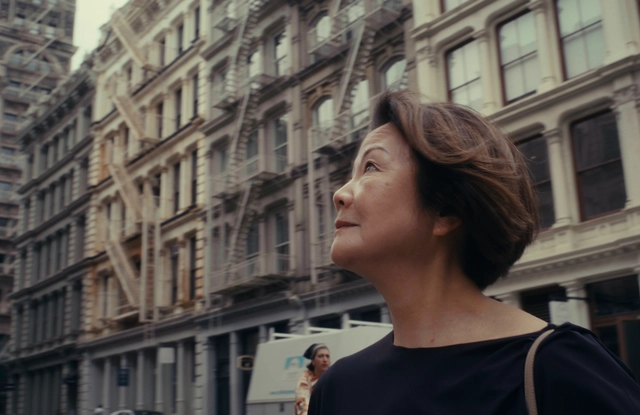
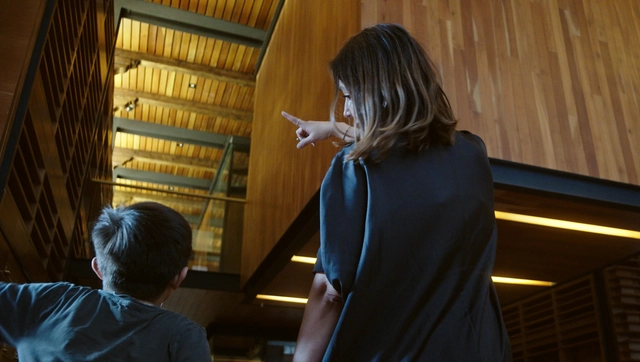
Screenshot from the movie "Women in Architecture". Image credit: Boris Noir
In architecture, context is what concerns human existence in a given place. Climate, culture, geography, and pre-existences, to name just a few. For Toshiko Mori, a Japanese architect based in the United States, context is everything that arouses curiosity about the people we design for. In almost four decades as the head of her office in New York, Mori has had the opportunity to exercise her interest in design practice and academia, managing to build her buildings in contexts as diverse as China, U.S., and Senegal.
The Power of Air by Sidnie Ancion, Meg Kalinowski, Anabella Acevedo Peña – UD Spring Semester 2022. Image Courtesy of City College of New York
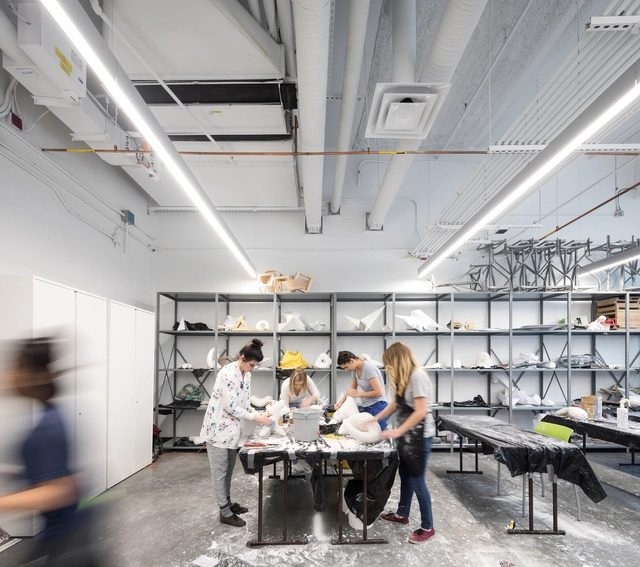
The Spitzer School of Architecture at the City College of New York has been challenging the strictures of traditional design education for decades. Now, the esteemed school’s revamped Master of Urban Design program continues this trend of innovative education by reframing the urban environment as a laboratory where students play active research roles.
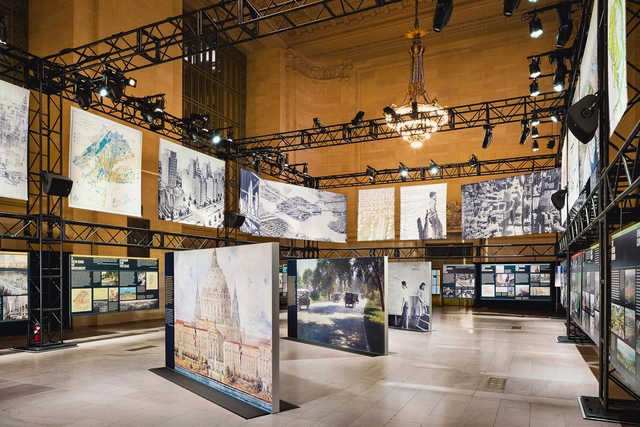
The Constant Future: A Century of the Regional Plan, an October exhibit at Vanderbilt Hall in Grand Central Terminal is a succinct yet gripping display of civic dreams selected from the imagination of the Regional Plan Association (RPA), an independent non-profit that conducts research on the environment, land use, and good governance with the intention of promoting ideas that improve economic health, environmental resiliency, and quality of life in the New York metropolitan area. The occasion is the organization’s centennial, and the show is a testament to its powerful role in developing the tri-state region. Not all of its ideas have been good, but the city owes a debt to the group’s long-term view.
Flexibility has been an increasingly appreciated characteristic in the field of architecture. In the extremely dynamic societies and spaces that we inhabit, it makes sense for buildings to have the ability to continuously adapt their spatial layout and even their structure to changing needs. Providing a space that can be adaptable and not completely static is a priority in today's world and can extend to many different types of projects, from domestic to public. In offices and convention centers, for example, having the opportunity to create reserved rooms when needed makes these large open spaces much more versatile.
Movable partitions, whether sliding or on pulleys, are particularly useful solutions in these cases, but they can also get in the way and often do not perform well acoustically. Skyfold specializes in developing vertically retractable walls, which are completely hidden in the ceiling when closed, therefore solving some of the aforementioned issues regarding movable partitions. Their newest product, Prisma, adds total transparency, clean lines and a lightweight structure to this functionality.
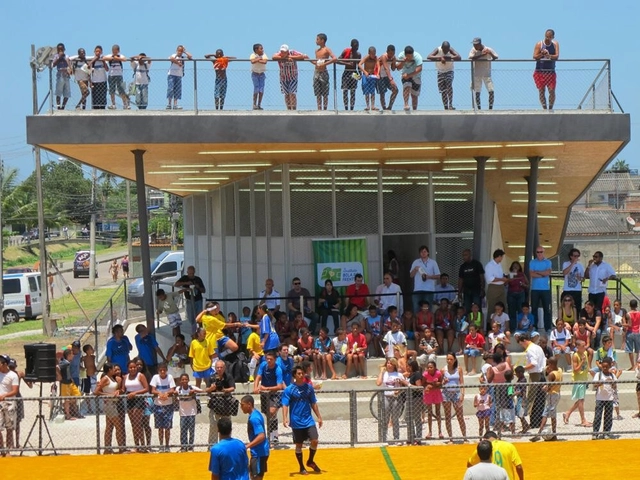
Community facilities are spaces for social interaction where people find leisure and information. Whether a cultural or a community center, this type of equipment aims to bring people together, creating opportunities for interaction in an environment of care and neighborhood.
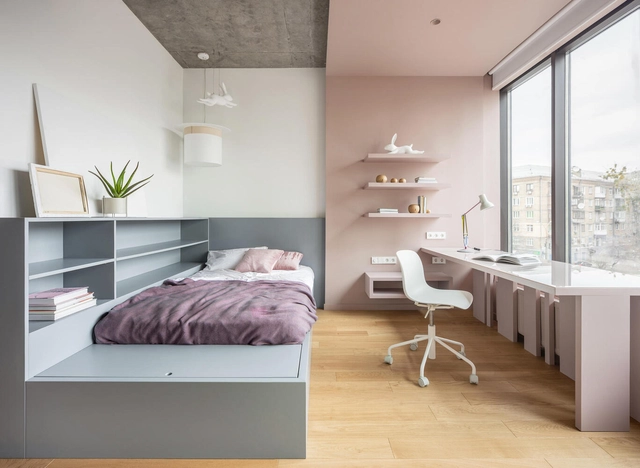
In the majority of family homes, it’s common for children to be given the smallest rooms. They are, after all, the smallest people. But where grown-ups have the rest of the house to fill with their accrued material wealth, children’s only freedom to decide what they do and where things go, is in that one small room.
Learning about the world can be frustrating, and quickly lead to misdiagnosed ‘bad’ behavior. So creating a safe, welcoming, comfortable space where children can feel calm, loved, and protected while enjoying their independence and individuality, is essential for a happy, healthy childhood. Children’s bedroom design, therefore, has more in common with open-plan living than simple sleeping quarters.
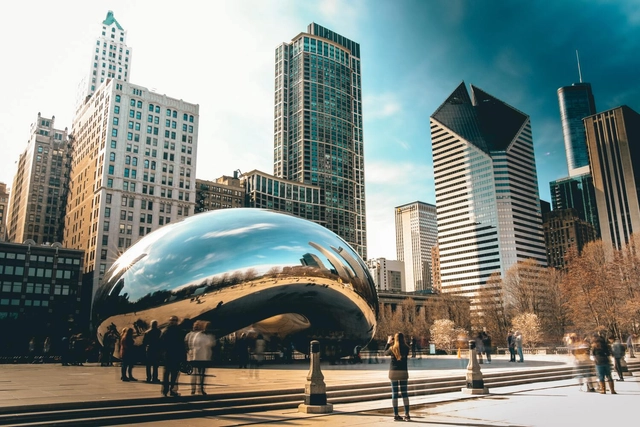
Chicago, The Windy City, Chi-Town, or The Second City. It’s a place that is known by many names, but to architects and urban planners alike, it’s famous for its history which has given us some of the best-known buildings and important advancements that have helped to shape other cities across the United States. From its inception, Chicago has long served as an architectural hub for innovation.
If you want your work to have a worldwide impact on millions of people and feel aligned with ArchDaily's vision to empower everyone who makes architecture happen to create a better quality of life, then our organization is the right place for you.
https://www.archdaily.com/990104/empower-those-who-make-architecture-happen-apply-for-a-job-at-daaily-platformsArchDaily Team
As climate change continues to reach unprecedented levels, many are pointing towards enhancing circularity in the construction sector. Essentially, the circular economy aims to eliminate waste and the continual use of resources by repeatedly reusing, repairing or recycling materials. The cyclical approach is able to meet demand and minimize CO2 emissions by extending a product’s lifespan, which is especially important when dealing with limited resources. Unlike the traditional linear extractive method –where everything goes through an extremely contaminating process of 'take-make-waste'–, circularity keeps materials in use for as long as possible to extract maximum value. This, in turn, reduces pollution, regenerates natural systems and contributes to a healthier built environment, hence building economic, natural, and social capital.
Mexican architect Gabriela Carrillo has built an exemplary career and is passionate about the city, territory, and diversity. Her widely awarded works, first in partnership with Mauricio Rocha and now running her own studio, have become the reference image when discussing contemporary architecture in Mexico. Her projects translate the world's needs, developing constant work to recognize the values of the territory in order to provide spaces that dignify its inhabitants. Situated between praxis, theory, and research, her interests are focused on the everyday, leading a flexible and dynamic practice that allows her to maintain a balance between working and living.
Alongside Toshiko Mori and Johanna Meyer-Grohbrügge, Gabriela Carrillo is part of the new documentary "Women in Architecture" to be released on the 3rd of November 2022. The film promoted by Sky-Frame, in exclusive collaboration with ArchDaily and under the direction of Boris Noir, is an impulse for inspiration, debate, and reflection around one of the most pressing issues in architecture.
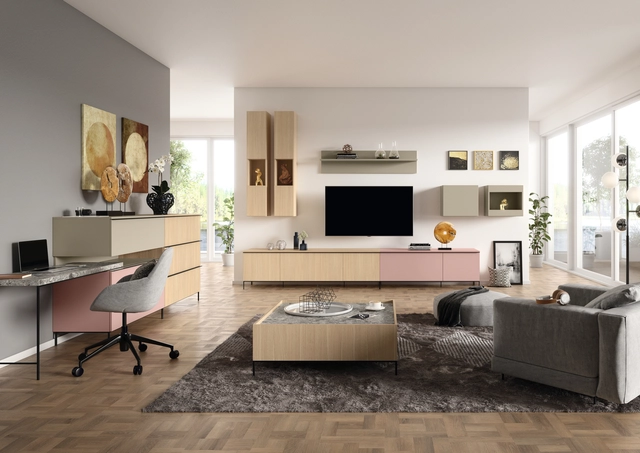
With its discreet design and coordinated colours, the workstation fits perfectly into the living area. Image Cortesia de EGGER
Although things seem to have returned to normal, it is undeniable that the COVID-19 pandemic has changed everyone. The truth is, its impacts on the economy and society can still be felt and will remain for some time. As a consequence, most people have become more conscious about public health, disease dissemination and the importance of science in everyday life. Many began to place more importance on time spent with family and at home, while companies have realized that not all office spaces are really essential and that home office can be just as effective.
The result is that people have began modifying their spaces to accommodate new uses which might have been unthinkable before. Our homes had to become, in a few weeks, places for rest, work, study, sports and leisure. Most were not prepared for this change, but gradually both residents and architects and designers found ways to adapt to the new reality. We've learned that accommodating new functions into a home means more than just setting up a table in the only free corner of the apartment. The pandemic also accelerated certain global trends and changed our relationships with products, companies and services, in terms of sustainability, social justice, digitization and individualization. The common factor between these different elements is that now they no longer require you to make a choice between one thing or another. Instead, all these elements are now connected, making life, people and products more agile and long-lasting. Under the motto “Create Transitions”, EGGER shows how decors and wood-based products can create and shape change in everyday living.
Spanish cities are clear examples of the overlapping of historical periods. Medieval urban layouts coexist with modernist urban plans, and their buildings show traces of Roman, Arab, Gothic, and Romanesque architecture. Moreover, in the era of Maritime Expansion, Spanish architecture was exported from the Iberian Peninsula to much of the world, especially the Americas. It is also difficult to speak of Spanish architecture without mentioning the Catalan genius Antoni Gaudí, whose distinctive style remains unparalleled in architectural history – inspiring and unsettling, without fitting into any particular single stylistic movement. In recent decades, Spanish architects have remained highly respected throughout the world. From the complex structures of Calatrava and the virtuosity of Enric Miralles, to the respect for context of Rafael Moneo. There are many others that should be noted, such as Ricardo Bofill, Alberto Campo Baeza, and the recent Pritzker winners, RCR Arquitectes.