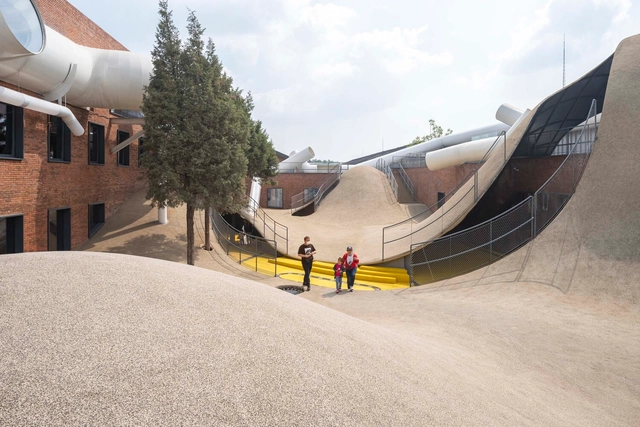
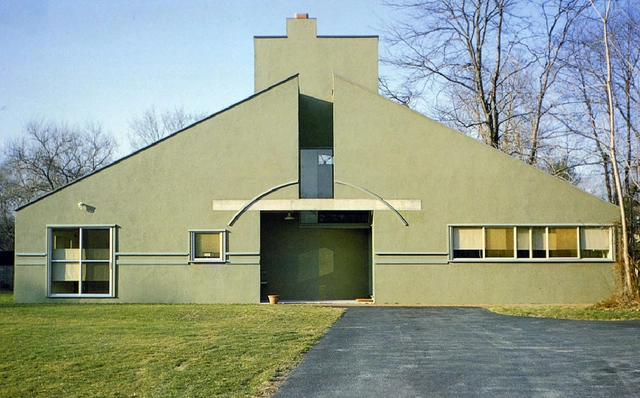
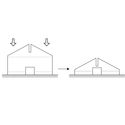
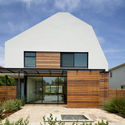
"The flat floor is an invention of architects. It suits machines, not humans." Inspired by the Viennese Secessionists and Austrian artists Egon Schiele and Gustav Klimt, as well as bold Gaudinian forms, the author of this phrase, Friedensreich Hundertwasser (1928-2000), was a prolific painter, sculptor and architect. His works are marked by the dualities between discipline and indiscipline, the predictable and the unexpected, rational and irrational. In his creative adventure, Hundertwasser was not just an enemy of the straight line. He despised architectural rationalism, claiming fluid forms and striking colors.
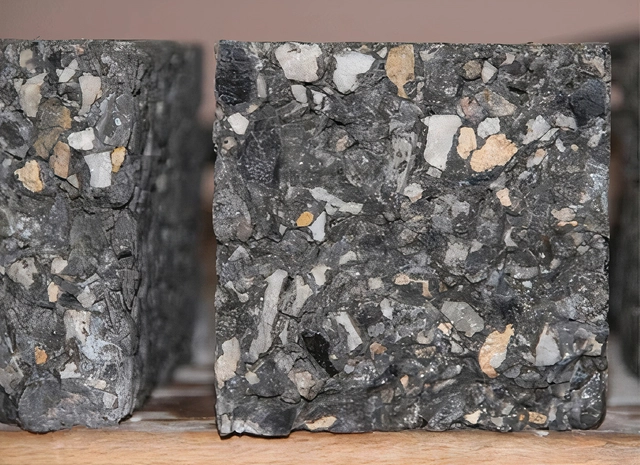
No-Fines Concrete with Steel Slag Samples by L.Korat et al. (2015). Image via ResearchGate. Licensed Under CC BY-SA 3.0
The construction industry is one of the largest in the world, and cement and concrete are literally the building blocks of its success. Evolving from prehistoric caves to today’s towering skyscrapers, concrete structures have and will continue to be vital components of modern civilization, providing long-lasting, reliable support for buildings, roads, bridges, tunnels and dams. So much so that concrete is the most consumed material on Earth, second only to water, while the steel used to reinforce it is by far the most commonly used metal. But this doesn’t come without high environmental costs: concrete accounts for 8% of global CO2 emissions, much of which come from the extraction and transportation of aggregate materials such as sand, gravel and crushed stone.
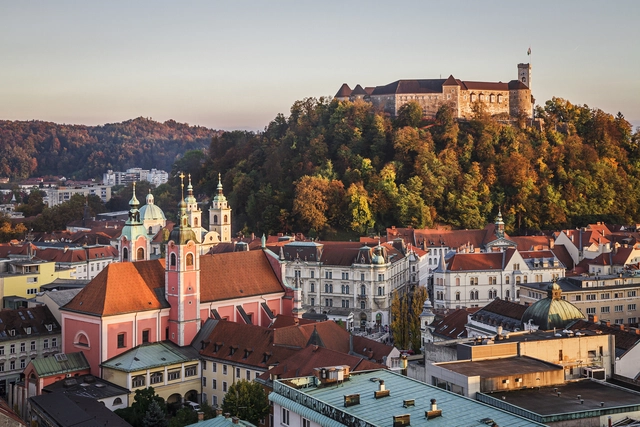
Ljubljana is Europe’s little secret. This small capital city (less than 300,000 inhabitants) is perhaps surprisingly big in terms of architecture, and the variety of its built history makes it a mandatory stop in your architectural journey. From richly painted churches to sobering Brutalism. From classical Baroque and Habsburg-inspired architecture to delightful Art Nouveau façades and interiors. And of course, abundant greenery (Ljubljana is Slovenia’s – and now Europe’s – green capital) and food.
Ljubljana is a city that has many layers. Its beginnings as a Roman city are still visible (a wall, the world’s oldest wooden wheel, and the roads in and out of the city to name a few). Its contemporary vestiges might have aged, but their meaning hasn’t – think of the Republic Square or Brutalist petrol stations. It’s when we visit in person that we are able to truly feel these places and understand these layers.
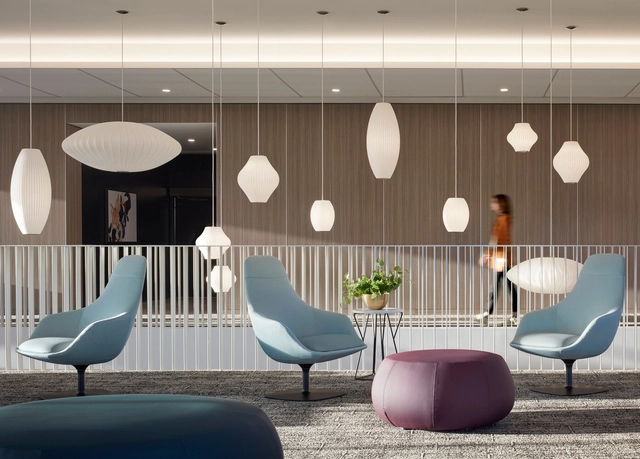
Imagine walking into a hospital and being greeted by greenery, views, natural light streaming in through large windows and open spaces that promote calmness and serenity. These favorable conditions play a crucial role in shaping patients’ experience, making their days a little bit easier while promoting healing. In fact, good healthcare design has been shown to reduce patient stays, infection rates, medication and medical errors, as well as improve staff attraction and performance. A well-designed facility can ultimately transport patients from a sterile, clinical environment to one that is warm, inviting and even uplifting. Such is the case of the Crystal Clinic Orthopaedic Center by HGA Architects, which has been selected among the five winners of the 2022 Shaw Contract Design Awards “Best of Globe” for its innovative approach to healthcare.
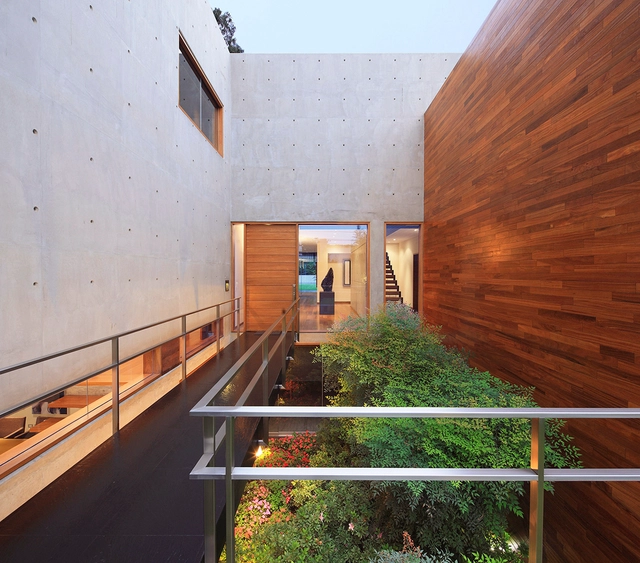
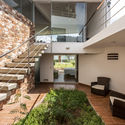
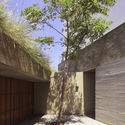
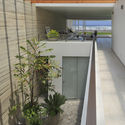
With the exception of some areas, within the three principal regions of Peru--coastal, mountain, and rainforest--the climate is characterized as tropical or subtropical and the differences in summer and winter temperatures is minimal, rarely reaching beyond 15 °C and 27 °C. This mild climate has thinned the line between exterior and interior spaces, a fact evident in the region's architecture.
Architecture is never an accident. It is a carefully planned out scheme of patterns and styles that respond to natural surroundings, celebrate materiality, and/or are referential of stylistic movements throughout history- all a means of understanding why things are the way that they are. There are different ways to understand how to analyze architecture, through the use of diagrams, patterns, relationships, and proportions to name a few. To both architects and laypeople alike, there’s a subconscious desire for a decision-making structure in design. As a result, architecture has become an exercise in self-positioning- a microcosmic reflection of the world around us as seen in the designs we build.
Despite the initially slow and arduous process of molding glass into shape, mankind has used the material for thousands of years. According to archaeological evidence, the first human-made glass tools and jewelry were found in Eastern Mesopotamia and Egypt around 3500BC — and after the invention of the blowpipe in Syria in the 1st century BC and the Western Industrial Revolution made mass production easier, the material's signature traits of transparency and durability could finally be applied on a large scale in architecture and design.
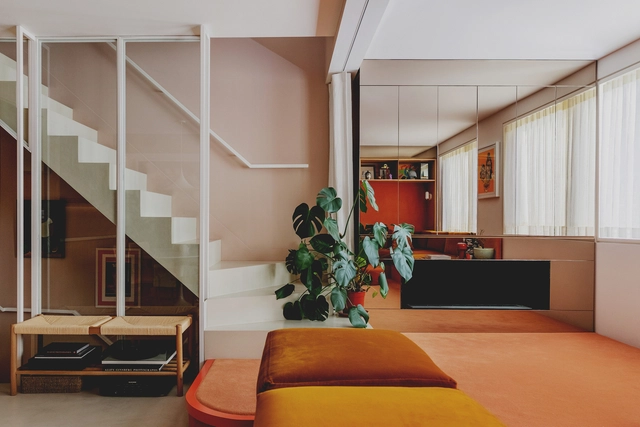
Fast forward to the present day, and the use of glass for building facades and windows is well documented. But what about once we move inside? By treating glass for different levels of transparency, cleverly positioning it within a room, or employing its reflective surface to their advantage, interiors can benefit just as much from the material as exteriors.
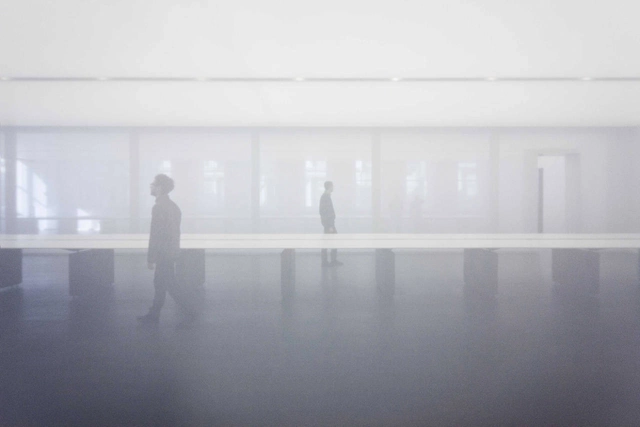
In the heyday of high modernism, architects such as Le Corbusier and Mies van der Rohe extolled the aesthetic value of whiteness, which they viewed as connoting purity and simplicity. Mies van der Rohe’s Farnsworth House, for example, paired the stripped-down whiteness of its structural skeleton with expansive floor-to-ceiling windows, using the enveloping natural light to further elevate the already heavenly aspirations of the space. Today, some contemporary architects and designers have evolved the sublime aesthetics of white high modern architecture by using translucent fabric partitions, complementing the purity of the white walls with the fabrics’ ethereal play of light and shadow. Below, we discuss different design strategies for working with white fabrics in this way, and include two examples of projects that have used translucent fabrics in soothing but innovative ways.
https://www.archdaily.com/957021/white-atmospheres-how-to-create-calm-spaces-with-fabric-partitionsLilly Cao
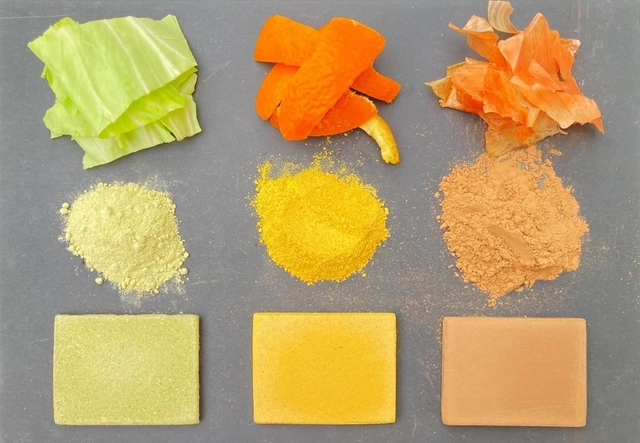
Add cabbage leaves, orange peels, onions, bananas and a few slices of pumpkin to get... cement. That's right, researchers from the University of Tokyo in Japan have developed a technique through which it is possible to produce cement from food waste. Besides being used in construction, the innovative initiative is edible as well. You can make boiled cement into a delicious meal by adjusting flavors, adding seasonings, and breaking it into pieces.
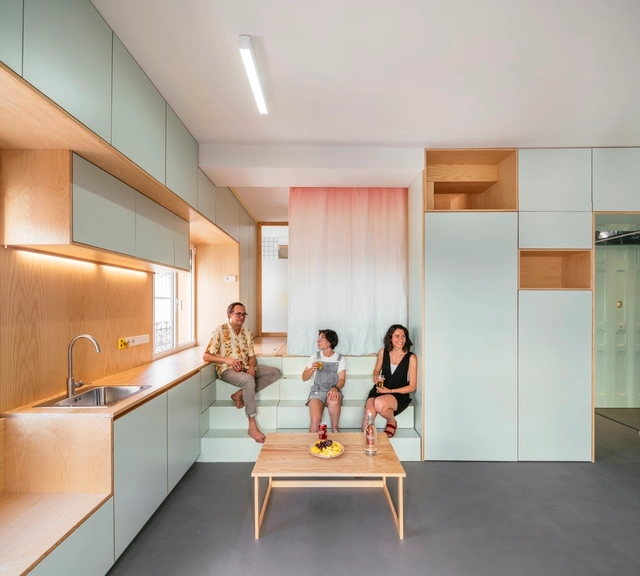
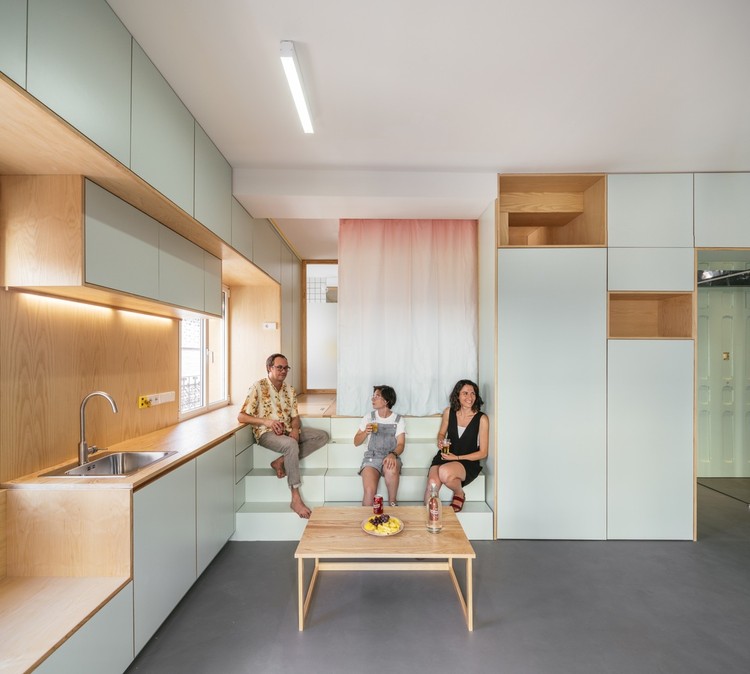
Designing the interior of an apartment when you have very little space to work with is certainly a challenge. We all know that a home should be as comfortable as possible for its inhabitants, but when we have only a few square meters to work with and the essential functions of the home to distribute, finding an efficient layout is not easy. Following our popular selection of houses under 100 square meters, we've gone one better: a selection of 30 floor plans between 20 and 50 square meters to inspire you in your own spatially-challenged designs.
Architecture has the power to emotionally engage with its occupants. Tactfully crafted spatial moments extend architecture into experience design - a growing need in the experience economy. Through sensorial and intellectual stimulation, spaces can deeply connect with their occupants to result in memorable instances. The orchestration of an experience requires not only an understanding of spatial principles but also how the service of the space is designed.
Some professionals have struggled with using Revit for developing interior projects from start to finish, partly due to thescarcity of modern 3D objects to meet the needs of an architecture project in BIM. As a result, the search for quality objects for Revit required time, patience and a lot of creativity.
Realizing this need among professionals, Blocks developed a free plug-in for Revit, which has a library of furniture, lighting and decor. Every week, users have access to new editable families, with the biggest trends in the architecture and interiors market.
https://www.archdaily.com/994865/blocks-plug-in-for-interior-design-in-revitSponsored Post
Los Angeles is a city of dreams. Known across the United States and the world, L.A. embodies both freedom and experimentation, defined as much by its freeways as its diversity. It is also a city of houses. Single-family homes cover almost half of Los Angeles, and as the city continues to evolve, architects have explored new ideas on modernity and daily life through the single-family typology.
Around 10 million people live in L.A. County, and Los Angeles itself has become one of the world's most ethnically diverse cities. The built environment reflects the nature of its residents, home to some of the most iconic residential and cultural architecture in the world. Los Angeles has its own dose of Lautner, Schindler, Wright, and Neutra. It's a city that has long embodied multiplicity and progressive forms, from the Eames House and Gehry's Residence to the iconic Stahl House. Through the lens of photographer Julius Shulman, many homes came to represent not only new residential styles but also the postwar culture of Southern California.
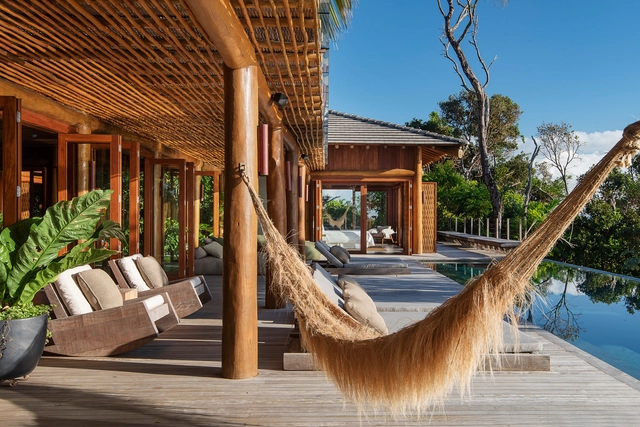
Summer, school holidays, and the desire to swim in the sea. A visit to the Brazilian coast at this time of year is a great idea for a variety of reasons. Thinking about its vast diversity, we selected some hotels arranged in different states that, in their projects, bring different ways of dialoguing with the context but also give comfort and leisure to their guests.
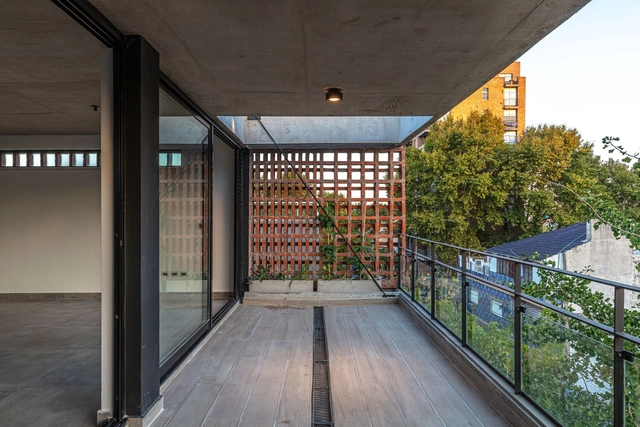
The search for outdoor spaces in dense city dwellings has become for some a necessity and for others a requirement to be fulfilled. In short, it is one of the most sought-after commissions that architects around the world receive on a daily basis. Beyond the fact that this phenomenon has been accentuated during the Covid-19 pandemic, since their origins, these expansion spaces have been conceived not only to increase the use of natural lighting and ventilation but also to promote the indoor-outdoor relationship, giving the possibility to accommodate various uses and functions even when square meters are scarce or when the connection with nature is glimpsed far over the horizon.
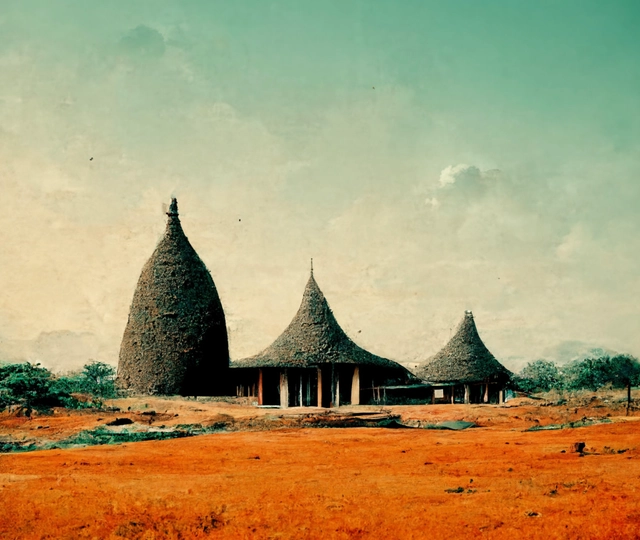
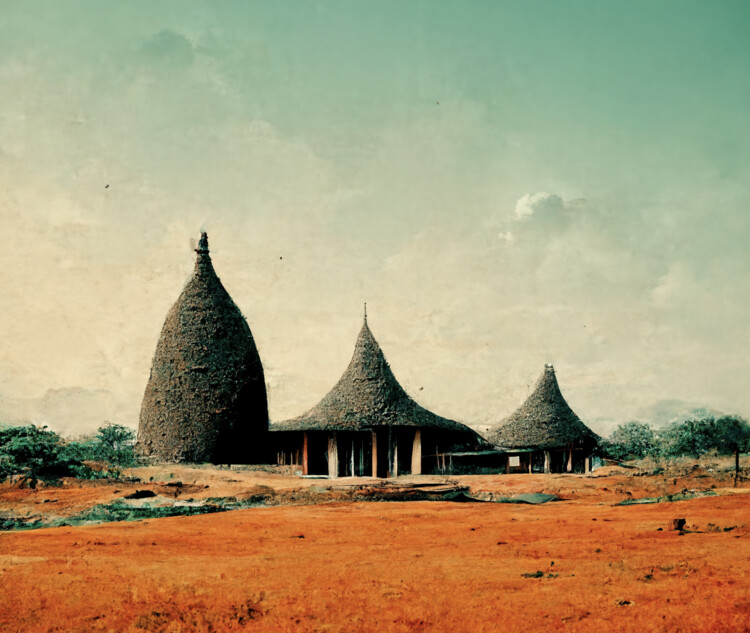
2022 has been the year of AI image generators. Over the past few years, these machine learning systems have been tweaked and refined, undergoing multiple iterations to find their present popularity with the everyday internet user. These image generators—DALL-E and Midjourney arguably the most prominent—generate imagery from a variety of text prompts, for instance allowing people to create conceptual renditions of architectures of the future, present, and past. But as we exist in a digital landscape filled with human biases—navigating these image generators requires careful reflection.
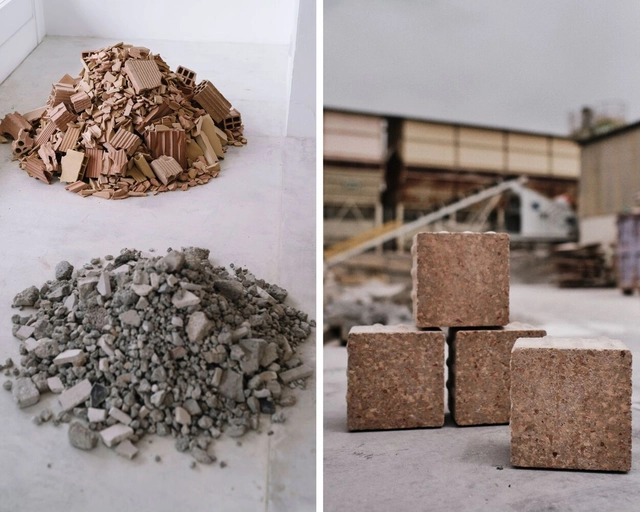
Cities are filled with waste materials and the need to reuse existing resources has become key in fighting the increase in waste production. More than a third of all the waste generated in the EU comes from construction and demolition, containing different materials such as glass, concrete, bricks and ceramics. But how to manage this staggering amount of waste production from construction? According to the Spanish Law on Waste and Contaminating Soils, concrete and ceramic waste with no considerable processing can both be reused in construction . By combining reused material waste with technology, architectural design can create innovative solutions that contribute to minimizing environmental impact.
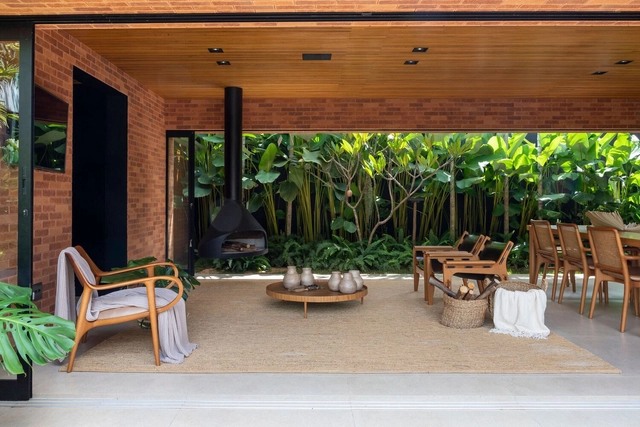
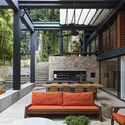
The connection between interior and exterior is one of the most desired qualities in architectural projects. Such feature appears in several architectural narratives, and it is achieved with distinction. It appears in unusual places such as bathrooms or kitchens, but it gains greater magnitude in living and meeting spaces.