

Earlier this year the Graduate School of Architecture, Preservation and Planning (GSAPP) at New York City's Columbia University took to Instagram to showcase a collection of their "award-winning" student portfolios across a week of posts. Nineteen stop-motion films highlight the highly individual nature of the architectural portfolio, demonstrating a wide range of graphic styles and methods of book-binding. From hardback-bound theses to gold foil embossing and 'box-in-box' constructions, you can get a taste of some of what the school considers its finest work from 2015 graduates, after the break.
Architecture News
Columbia GSAPP Showcase Award-Winning Student Portfolios on Instagram
https://www.archdaily.com/777236/columbia-gsapp-showcase-award-winning-student-portfolios-on-instagramJames Taylor-Foster
Pezo von Ellrichshausen's Model of 100 Circles Explores the Diversity of Repetition
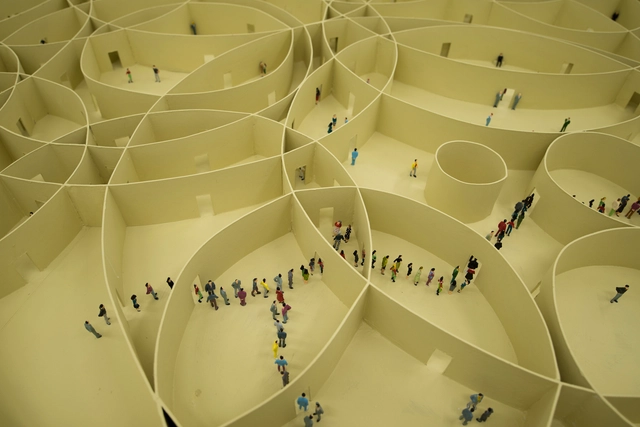
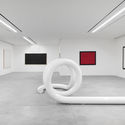
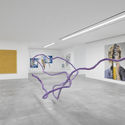
Chilean art and architecture studio Pezo von Ellrichshausen’s “Finite Format” exhibition is currently on display at one of the most important cultural sites in the Czech Republic: The House of Art of Ceske Budějovice. Composed of more than 480 paintings (Finite Format) and six ink drawings (Infinite Motive), the installation aims to demonstrate the firm’s “underlying method to understand not only the artistic qualities in a work of architecture but also the architectonic attributes of a work of art,” according to the architects.
In parallel, Pezo von Ellrichshausen also carried out a workshop with 14 architecture students from the Technical University of Liberec to conceptualize and construct a twelve-square-meter scale model for the "Infinite Motive" installation. Using the circle as the basic element, the architects reflect on how “architectonic intentions may be diluted by means of the repetition of a single figure with a diverse range of dimensions.”
https://www.archdaily.com/777191/pezo-von-ellrichshausen-constructs-a-model-made-up-of-100-circles-to-explore-the-diversity-of-repetitionNicolás Valencia
2 Architects Among Recipients of $50,000 United States Artists Fellowships
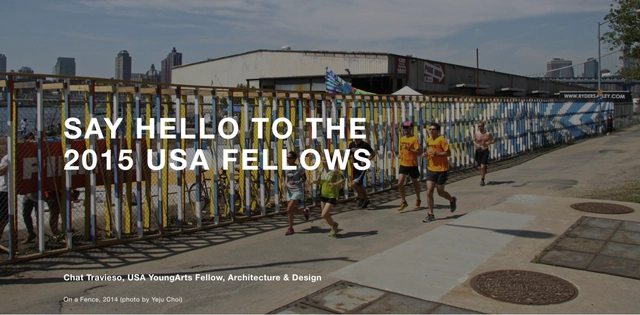
United States Artists (USA) has selected 37 artists for their 2015 “USA Fellows” – artists who will receive an award of $50,000 to fund their creative practice and development. Among the 37 artists, chosen across nine disciplines, two of the awarded fellows were architects: Jonathan Muecke, a USA Knight Fellow, and Chat Travieso, a USA Young Arts Fellow.
https://www.archdaily.com/776993/2-architects-among-recipients-of-50000-dollars-united-states-artists-fellowshipEric Oh
d3 Natural Systems 2015 Winners Announced
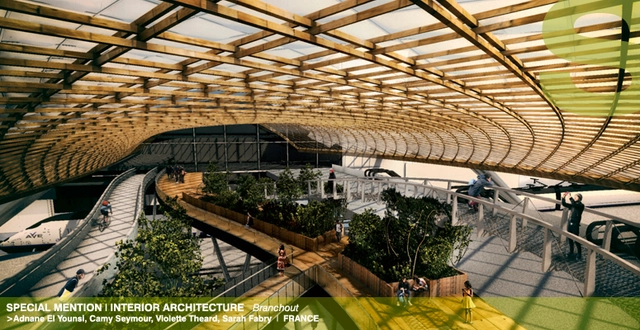
New York-based d3 has announced the winners of its international Natural Systems 2015 competition. The annual competition asked architects, designers, engineers, and students to “explore the potential for ecologically-grounded and sustainable design influences in urbanism, architecture, interiors, and designed objects.”
Three top prizes were awarded, with six special mentions. The jury included architects, designers, and academics from Shigeru Ban Architects, Syracuse University, and Studio Nguyen, among others.
View the winners, after the break.
https://www.archdaily.com/776912/d3-natural-systems-2015-winners-announcedSabrina Santos
IAKS Selects 8 Outstanding Sports & Leisure Facilities as “All-Time Best”
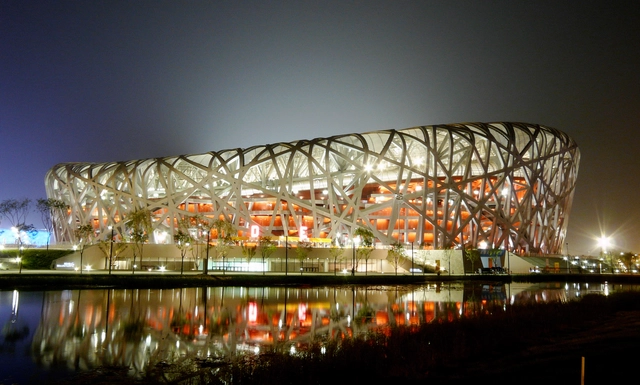
The International Association for Sports and Leisure Facilities (IAKS) has created an All-Time Award to celebrate their 50th anniversary. The Award highlights outstanding examples of sports and leisure facilities that have become both landmark and influential projects over the last few decades. See the eight winners after the break.
https://www.archdaily.com/776995/iaks-selects-8-outstanding-sports-and-leisure-facilities-as-all-time-bestEric Oh
CTBUH Names Stefano Boeri’s Bosco Verticale “Best Tall Building Worldwide” for 2015
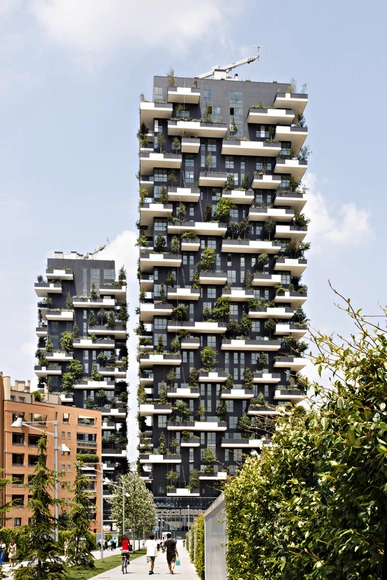
The Council on Tall Buildings and Urban Habitat (CTBUH) has selected Stefano Boeri’s Bosco Verticale as the Best Tall Building Worldwide 2015 for “its extraordinary implementation of vegetation at such scale and height," according to a press release. The tower was selected from a shortlist of four buildings, which included SOM’s One World Trade Center, Toyo Ito and RSP Architects’ CapitaGreen and Foster + Partners’ Burj Mohammed Bin Rashid Tower.
https://www.archdaily.com/777161/ctbuh-names-stefano-boeris-bosco-verticale-best-tall-building-worldwide-for-2015Katie Watkins
Dubai Will Provide Jetpacks to Firefighters to Tackle Skyscraper Blazes
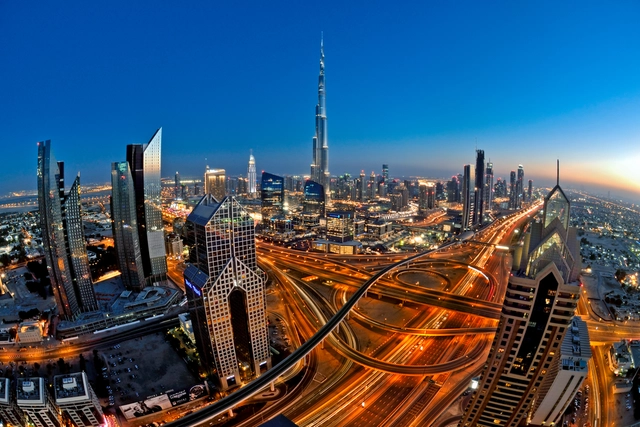
Dubai, home of the Burj Khalifa and a significant number of the 21st century's tallest buildings, is set to match its futuristic skyline with an equally futuristic emergency response service. At the recent Dubai Airshow, the city's Directorate of Civil Defence announced a deal with New Zealand-based Martin Aircraft to bring jetpacks to their firefighting arsenal. Intended to be used in a "first responder role," the jetpacks will give firefighters access to higher locations and be able to navigate the tight spaces between buildings that helicopters can't access.
https://www.archdaily.com/777154/dubai-will-provide-jetpacks-to-firefighters-to-tackle-skyscraper-blazesRory Stott
MVRDV Wins Competition to Build An Urban Lagoon in Taiwan
.jpg?1447417528)
MVRDV, working alongside The Urbanist Collective and LLJ Architects, has been selected in a competition to transform downtown Tainan in Taiwan with their design for new green corridor and urban lagoon connecting the city to its waterfront. Transforming the area of Tainan known as the T-axis, the design will see the city's Haian Road turned into a public park and connected to the city's canal by demolishing the existing China-Town Mall, a commercial structure built alongside the canal in 1983 and described by MVRDV as a "rotten tooth of downtown Tainan."
.jpg?1447417508 "Courtesy of MVRDV. Image © APLUS CG")
.jpg?1447417489 "Courtesy of MVRDV. Image © APLUS CG")

.jpg?1447417570 "Courtesy of MVRDV. Image © APLUS CG")
.jpg?1447417528)
https://www.archdaily.com/777132/mvrdv-wins-competition-to-build-an-urban-lagoon-in-taiwanRory Stott
Monocle 24 Report from the World Architecture Festival
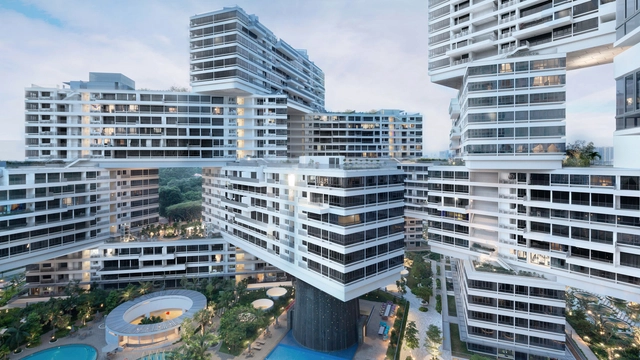
For this episode of Section D, Monocle 24's weekly review of design, architecture and craft, Sophie Grove and the team explore the World Architecture Festival (WAF) in Singapore, take a considered look at post-war buildings across England, as well as hear from some longstanding manufacturers in East London who are "bucking the trend of constant change" that’s come to define their ever-developing neighbourhood.

https://www.archdaily.com/777127/monocle-24-report-from-the-world-architecture-festivalJames Taylor-Foster
Cy Twombly Painting Sells for $70.5 Million to Fund OMA's LA Synagogue Extension
OMA's first ever building for a religious institution will be constructed with a little help from one of the United States' greatest 20th century artists. In an auction at Sotheby's in New York yesterday, Cy Twombly's 1968 "Untitled (New York City)" - one of the artist's notable "Blackboard Paintings" - sold for $70.5 million, $30 million of which will be donated to LA's Wilshire Boulevard Temple by the painting's owner, Audrey Irmas, to fund the temple's OMA-designed extension.
As reported by the LA Times, the synagogue's new "Audrey Irmas Pavilion" has been designed to be "clearly in dialogue" with the 1929 Byzantine revival temple, and will be used in the celebration of weddings and bar mitzvahs, as well as for meetings, conferences, and gala events by other nonprofit groups. Though the design has not yet been unveiled, the pavilion is currently slated for a 2019 opening.
https://www.archdaily.com/777076/cy-twombly-painting-sells-for-70-5-million-to-fund-omas-la-synagogue-extensionRory Stott
David Adjaye’s Aishti Foundation in Beirut Nears Completion
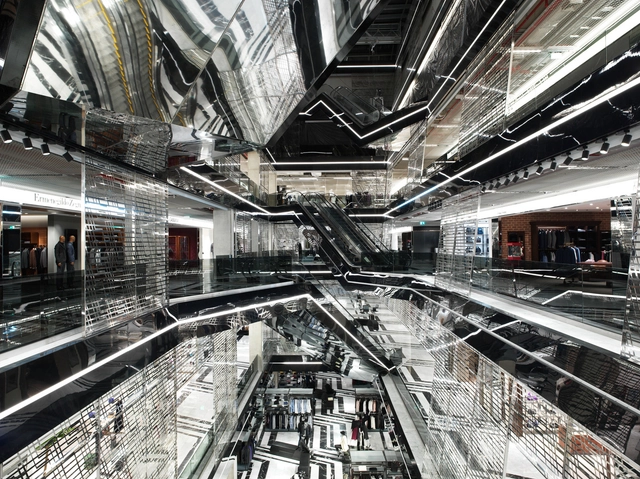
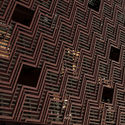
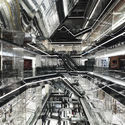
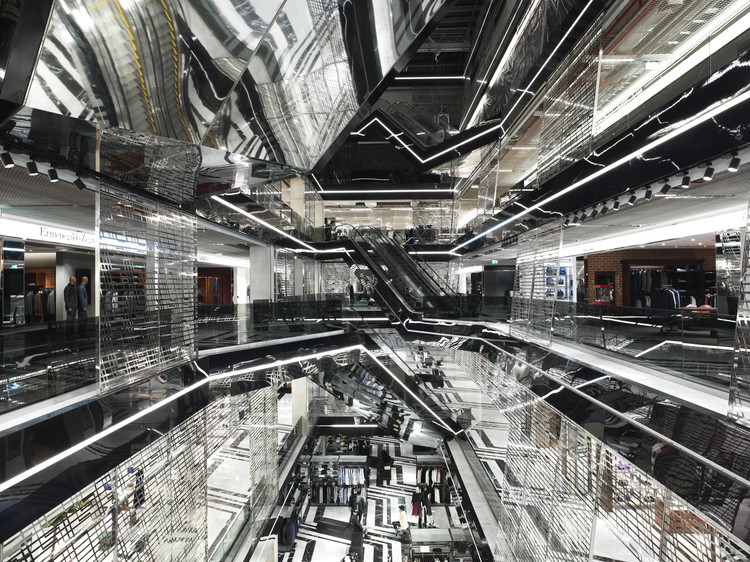
The David Adjaye-designed Aishti Foundation in Beirut, Lebanon is nearing completion. Located in central Beirut, the building replaces former warehouses, housing both an art gallery and retail space. This unique “juxtaposition of art and shopping” inspired Adjaye and Associates “to create a design for an entirely new typology that would integrate two, often conflicting, worlds,” write the architects in a press release.
https://www.archdaily.com/777066/david-adjayes-aishti-foundation-in-beirut-nears-completionKatie Watkins
Hello Wood 2015: It Takes a Village to Raise Outstanding Architecture
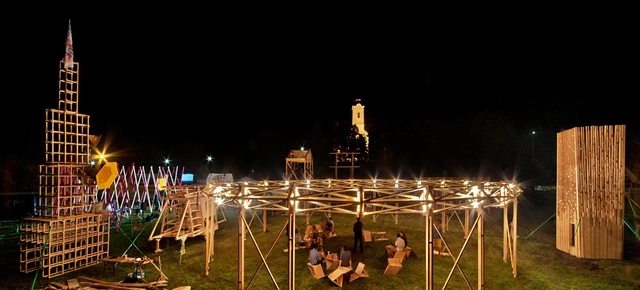
Set in the depths of rural Hungary, Hello Wood has emerged from the landscape for its 2015 edition, entitled 'Project Village'. Since 2010, the Hungarian-led collective of architects, designers, students and artists have gathered from around the world to create temporary wooden installations. Now in its sixth year, Hello Wood was realized with the help of 150 volunteers from 30 countries, and co-curated by Johanna Muszbek, with the shared vision to build a series of community-driven pavilions. Together the teams created fifteen unique wooden pavilions, each centred on a different component of the architecture of a village.


https://www.archdaily.com/776805/hello-wood-2015-it-takes-a-village-to-raise-outstanding-architectureFinn MacLeod
Swiss Students Design a Floating Pavilion on Lake Zurich for Manifesta 11
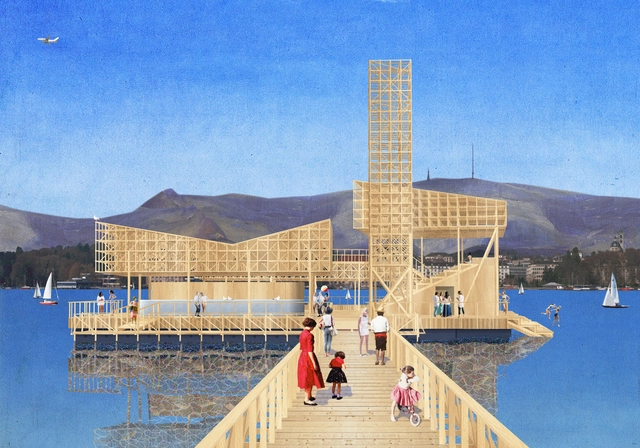
Manifesta—a nomadic, European biennial of contemporary art which "responds to the new social, cultural and political reality that developed in the aftermath of the Cold War"—emerged in the 1990s. For the eleventh incarnation of the event, which will take place in Zurich during the summer of 2016, Studio Tom Emerson have developed designs for a floating island which "will constitute a new temporary landmark in the city." Located on Lake Zurich and hosting an open-air cinema and integrated swimming pool, the Pavillon of Reflections will act as the central node for the 100-day festival. Designed and realised by a team of thirty students from ETH Zurich, the pavilion aims to offer a space for dialogue and reflection on the specific artworks created for the biennial.
https://www.archdaily.com/777046/swiss-students-design-a-floating-pavilion-on-lake-zurich-for-manifesta-11James Taylor-Foster
Carbon Nanotubes, Kevlar and Spider Silk: Meet the World's Strongest New Materials
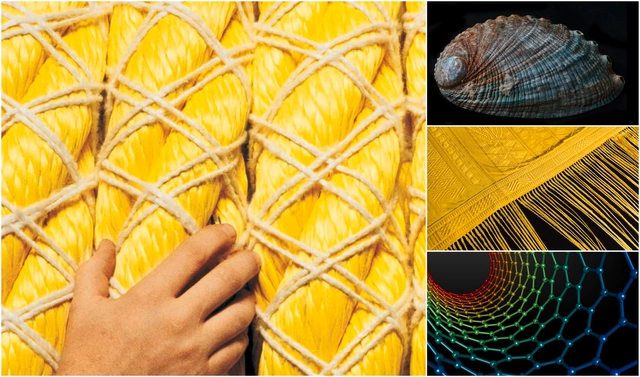
Since the advent of the industrial revolution in the eighteenth century, materials experts have been in constant pursuit of the world's strongest materials. From stone to bricks, concrete to steel, innovation in building material has become a crucial element of architectural progression. For decades, steel has been considered the industry leader in building strength with applications in structures of all types. In a recent online documentary, researchers delved into the possibilities for alternatives to the strongest building materials on the market and arrived at some surprising results.
Could spider silk replace steel cables? Could carbon nanotubes become a substitute for rebar? Find out after the break.

https://www.archdaily.com/776483/carbon-nanotubes-kevlar-and-spider-silk-meet-the-worlds-strongest-new-materialsFinn MacLeod
New Images Released of Foster + Partners' Seagram-Adjacent Condos in New York
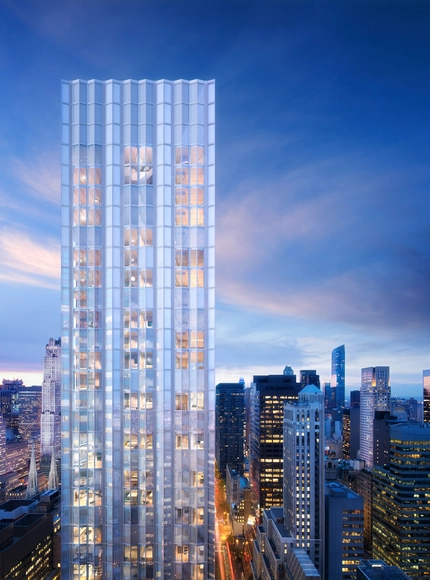
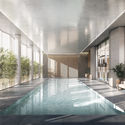
RFR and Foster + Partners have released new images of One Hundred East 53rd Street, a 63-story luxury residential tower in New York next to Mies van der Rohe's famed Seagram Building. The skyscraper, which was announced last year, will contain 94 residences, a swimming pool, wellness facility, spa, library and sitting rooms, and its trademark Foster minimalism is intended to "provide a counterpoint to the Seagram’s bronze edifice," according to the developers RFR.




https://www.archdaily.com/777014/new-images-released-of-foster-plus-partners-seagram-adjacent-condos-in-new-yorkRory Stott
Australian Institute of Architects Announces 2015 National Architecture Awards
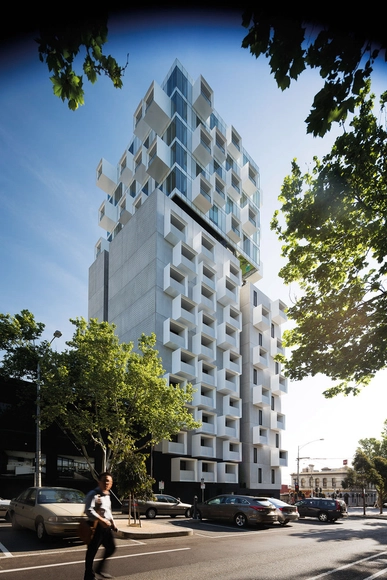
The 2015 winners of the Australian Institute of Architects’ National Architecture Awards have been announced at a ceremony in Brisbane.
Overall, 42 projects received 46 awards in 14 categories, including commercial, public, and interior architecture. Winners were selected by a jury from the Chapter Architecture Awards, held earlier this year.
Read on after the break for a list of the winners.
https://www.archdaily.com/776822/australian-institute-of-architects-announces-2015-national-architecture-awardsSabrina Santos
Is Edinburgh's UNESCO World Heritage Status Under Threat?

"A spectre," writes Kevin McKenna for The Guardian, "thought happily to have been exorcised from the heart of beautiful Edinburgh, is stalking the city’s old wynds and crevices once more." To put it more bluntly, the "formal recognition of [the Scottish capital] as one of the world’s most beautiful cities is under threat, amid a battle for the soul of its most historic quarter." As the UNESCO inspectorate moves in to determine whether the city's World Heritage Status should be renewed McKenna laments, through a series of case studies, the potentially bleak built future of one of Britain's most loved urban centres.
https://www.archdaily.com/776986/is-edinburghs-unesco-world-heritage-status-under-threatJames Taylor-Foster
schmidt hammer lassen to Expand ARoS Aarhus Art Museum
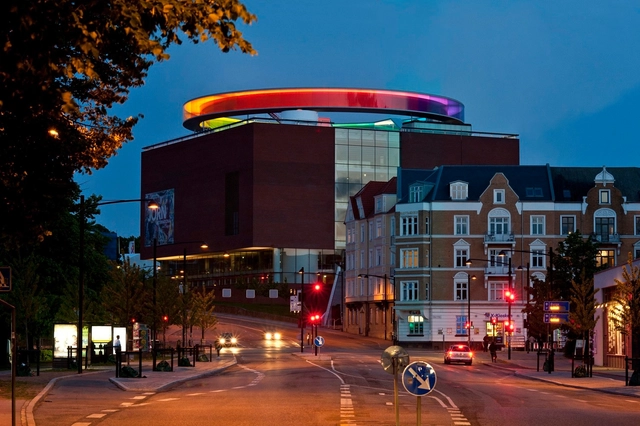
schmidt hammer lassen architects has been commissioned to expand their ARoS Aarhus Art Museum in Denmark. The architects are expected to collaborate with American artist James Turrell, who will be designing two installations for the expansion's 1200-square-meter subterranean gallery: "The Sphere" and "The Dome." The €30 million expansion is being referred to as "The Next Level," symbolizing the museum's intent to "bring the museum into the world elite of modern art museums." The museum recently embarked on a similar collaboration that involved artist Olafur Eliasson, who designed "Your Rainbow Panorama."
https://www.archdaily.com/776956/schmidt-hammer-lassen-and-james-turrell-to-collaborate-on-aros-aarhus-expansionKarissa Rosenfield