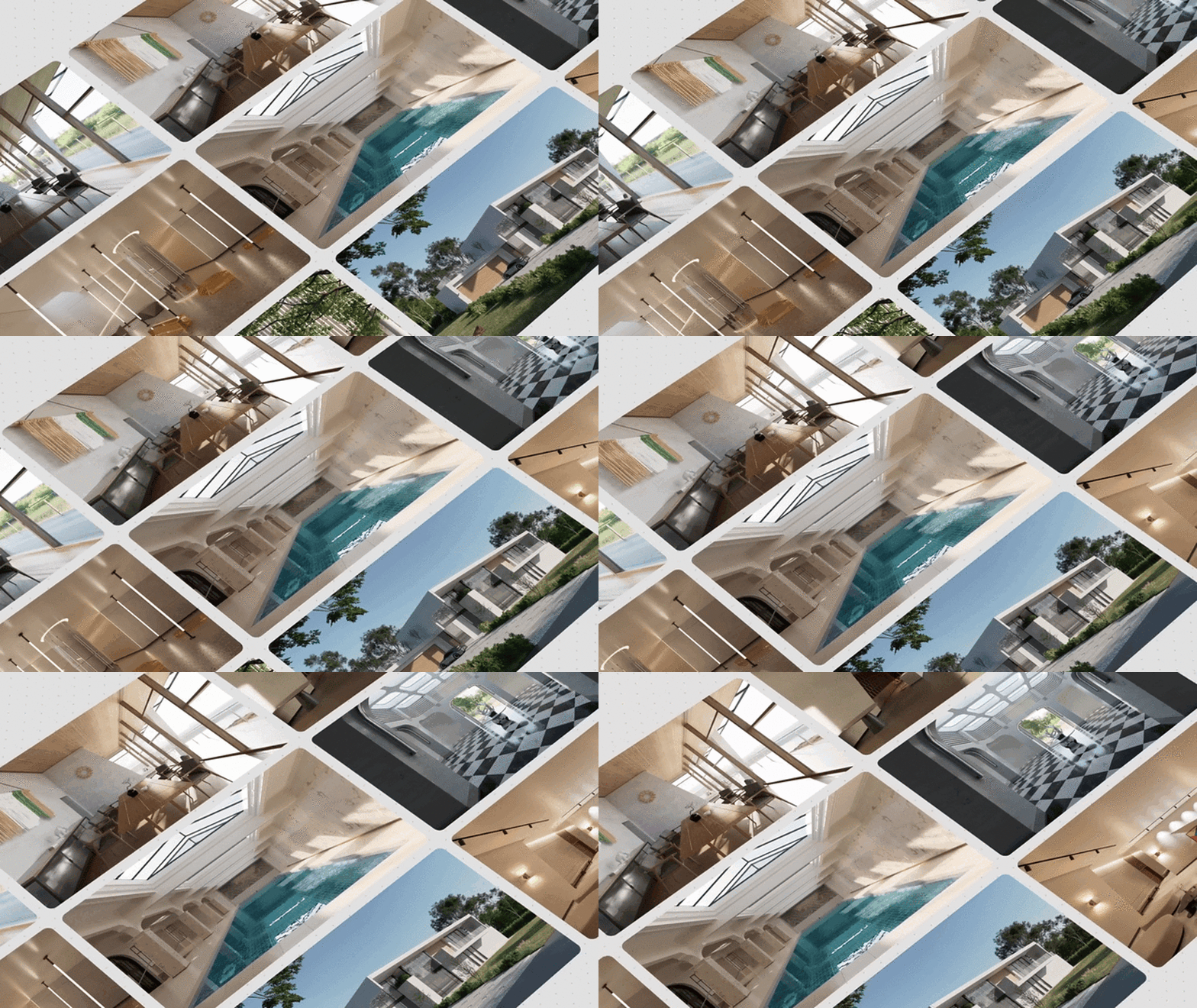
How to visualize architectural concepts in SketchUp using D5 Lite for faster design exploration.
How to visualize architectural concepts in SketchUp using D5 Lite for faster design exploration.
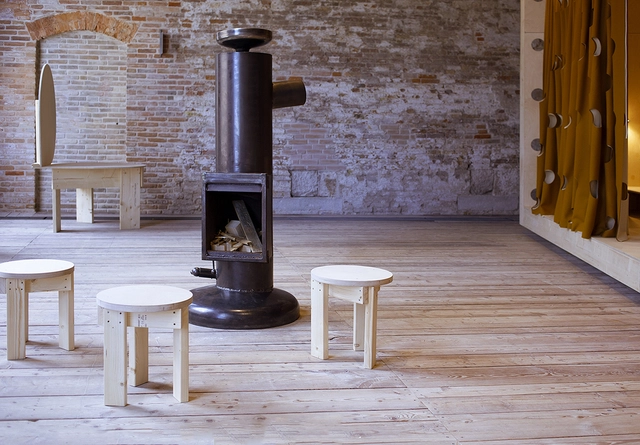
The Luxembourg Pavilion at the 17th Architecture Biennale reflects on how the pandemic has brought a series of dualities to the spotlight, challenging the understanding of the relationships established between architecture and land, interior and exterior, home and work or the built environment and nature. In light of these issues, the exhibition titled Homes for Luxembourg, designed by Sara Noel Costa de Araujo (Studio SNCDA) and featuring contributions to the architecture publication Accattone explores ideas of modular, reversible living while also illustrating a model of repurposing land to build new forms of togetherness.

More than a year has passed since the pandemic imposed a new routine and atypical safety protocols on the world. A survey by NZN Intelligence, in partnership with the Estadão Summit Mobilidade Urbana, shows that 45.3% of people in Brazil have changed the way they get around since then.
Avoiding crowds led 40.2% of respondents to increase their use of private cars and 31.6% to travel more on foot or by bicycle, reflecting a global trend toward promoting active mobility.
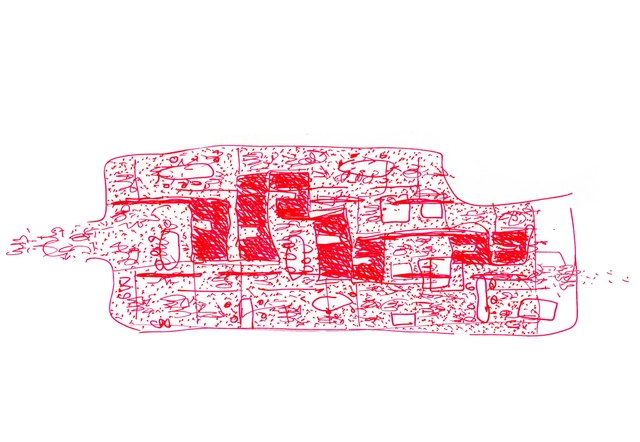
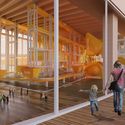
Developed by architect Gerardo Caballero, in collaboration with Paola Gallino, Sebastian Flosi, Franco Brachetta, Ana Babaya, Leonardo Rota, Emmanuel Leggeri, Sofia Rothman, Gerardo Bordi, Edgardo Torres, and Alessandro De Paoli, "The Infinite House", a project inspired by traditional Argentine houses, will represent Argentina in the upcoming 2021 Venice Architecture Biennale. The project reflects on the identity of Argentine public housing and the role collective housing, both public and private, has played in the country's history and society. The Infinite House aims to push the limits of the domestic and to highlight the importance of the collective rather than the individual by illustrating that a home extends beyond one's own living space: "it is the city, the country, and even the world."

The European Award for Architectural Heritage Intervention, organized by the COAC (Architects' Association of Catalonia) and AADIPA (Association of Architects for the Defense and Intervention in Architectural Heritage), has announced the shortlisted works in Category A (Intervention in built heritage) and Category B (Outer Spaces).
The finalists and winners will be announced on June 17 during the 5th International Biennial of Architectural Heritage Intervention.

Foster + Partners have shared the design for a residential-led masterplan on the outskirts of Bangkok. Dubbed The Forestias, the project includes a large forest at its heart. The design was made to address the growing disconnect between contemporary city life and family traditions. The Forestias proposal focuses on promoting multi-generational family co-living and new models of urban life in Thailand.
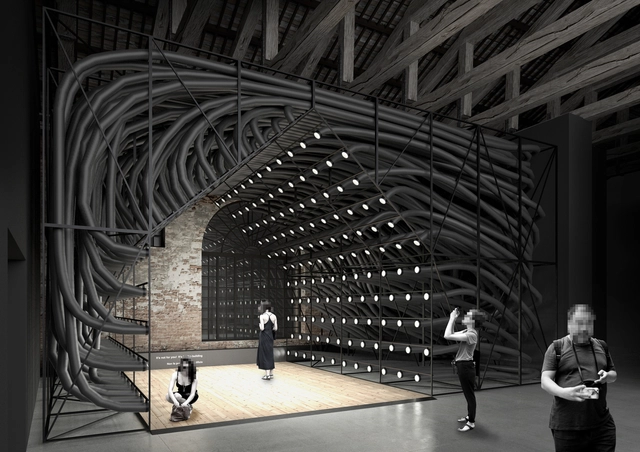
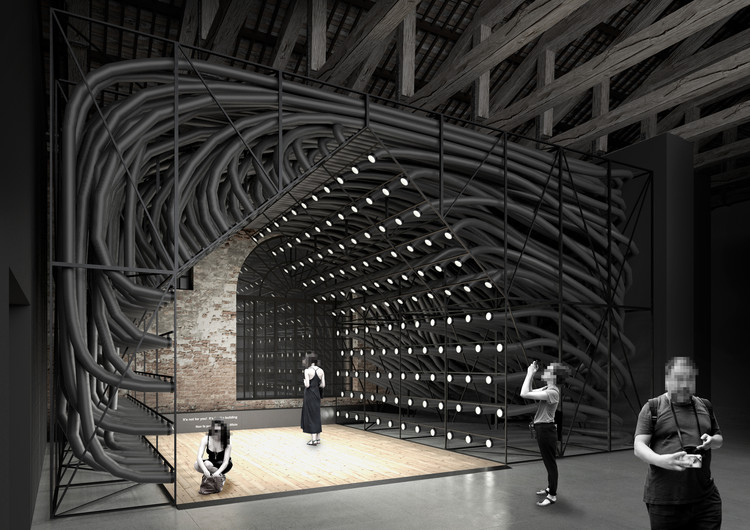
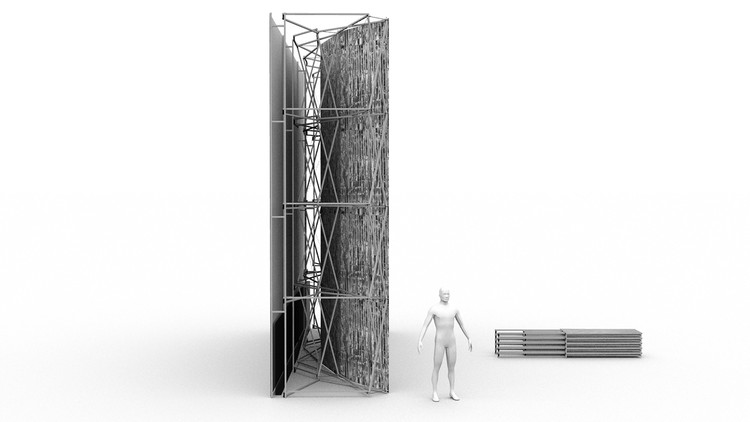
Titled "It's Not For You! It's For the Building", the Latvian Pavilion at the 17th International Architecture Exhibition – La Biennale di Venezia showcases how technology risks creating new problems while providing solutions to urgent global crises. Curated by architecture office NRJA, the pavilion will be on display at the Arsenale from May 21st until November 22nd, 2021.
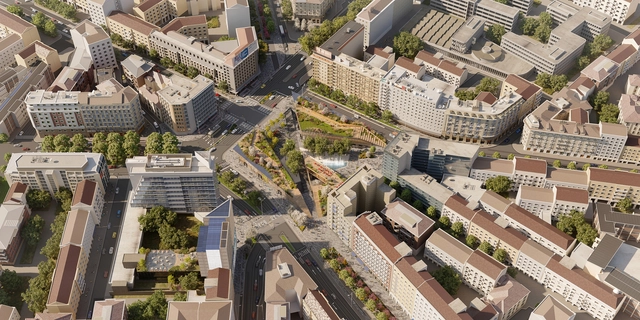
The Loreto Open Community project is the winning proposal of the competition organized by the Municipality of Milan to redesign Piazzale Loreto, now a crowded traffic junction. Designed by Metrogramma, together with Mobility in Chain, Studio Andrea Caputo, LAND, Temporiuso, Squadrati and developed by Ceetrus Nhood, the project envisions a layered system of architectural objects and public spaces that would foster a wide array of activities while also shaping a new green area for the city.
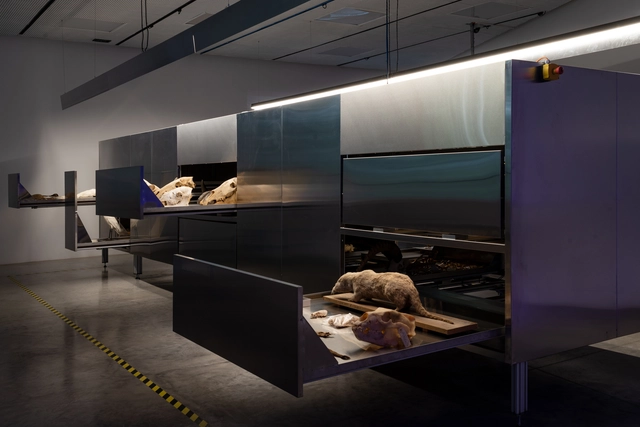
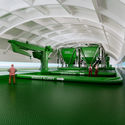
Israel’s Pavilion for the 17th Venice Architecture Biennale highlights the impact of intensive mechanized agriculture on landscapes and ecosystems, as well as the disruption caused to local communities. Titled Land. Milk. Honey and curated by an interdisciplinary team comprising Dan Hasson, Iddo Ginat, Rachel Gottesman, Yonatan Cohen and Tamar Novick, the exhibition portrays the fundamental changes experienced by the region through the stories of local animals, constructing a history of the 20th-century development.
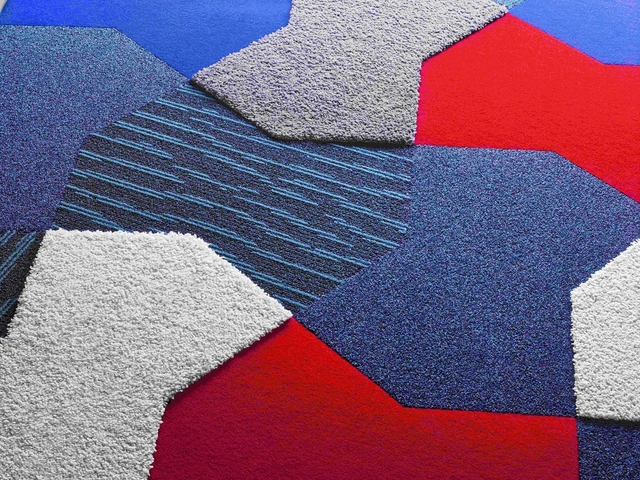
Vorwerk flooring’s acoustic-tile system offers almost limitless combination possibilities, while its online configurator makes the creation of room concepts clear and uncomplicated.
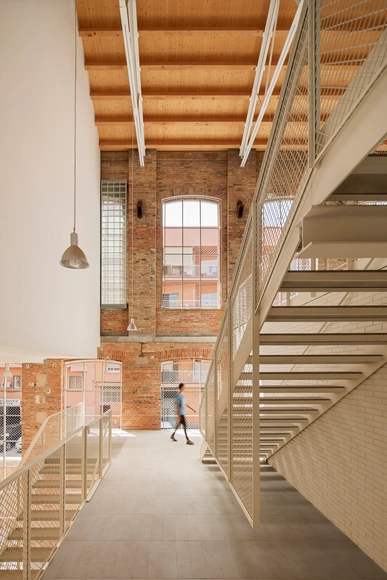
The FAD Awards 2021, one of the most prestigious architecture accolades on the Iberian Peninsula, has announced the finalist projects for its latest edition.
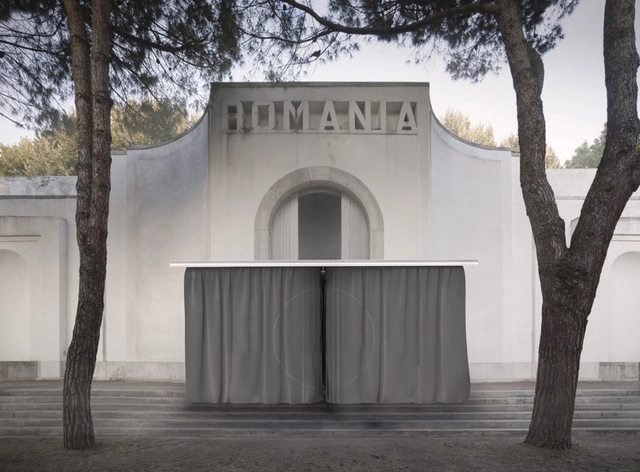
Romania’s contribution to the 17th Venice Architecture Biennale showcases a new perspective on mass migration, a phenomenon with a wide array of causes, ranking high on the international public agenda. Titled Fading Borders and curated by architects Irina Meliță and Ștefan Simion, the exhibition explores the challenges and opportunities of migration and its consequences on the built environment. Using Romania as a study case, where three million people have left the country in the last decade in pursuit of a better life abroad, the curatorial project frames a conversation around the role of architecture in the successful management of the migration phenomenon, as territorial boundaries continue to fade around the globe.
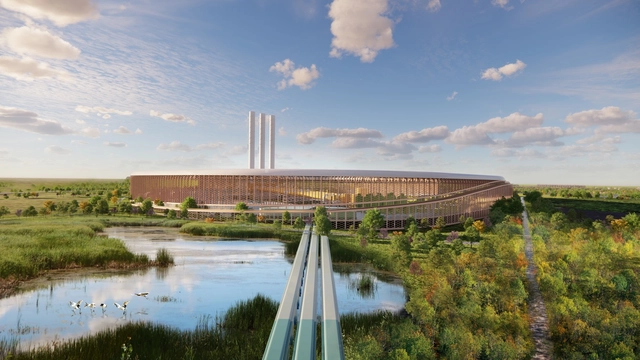
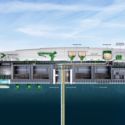
Award-winning architecture firm Bjarke Ingels Group has collaborated with lower-impact battery metals developer The Metals Company to reimagine a traditional metal production facility in a new contemporary and sustainable context. The firm designed a circular zero-solid-waste metallurgical plant that includes manufacturing, processing, and storage facilities, along with offices, visitor centers, and innovation facilities.
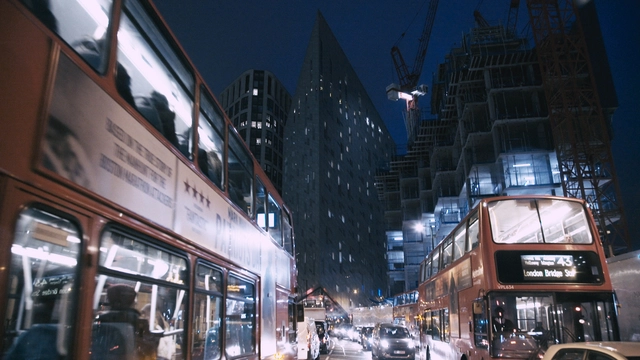
The Architecture Film Festival London, now at its third edition, fosters conversations around architecture, society and the built environment through the medium of film. Along with the International Film Competition, the 2021 programme, debuting on June 2nd and held online, will feature a collection of diverse thematic screenings, essays and events titled "Capsules", which offer a platform to multiple curatorial voices.
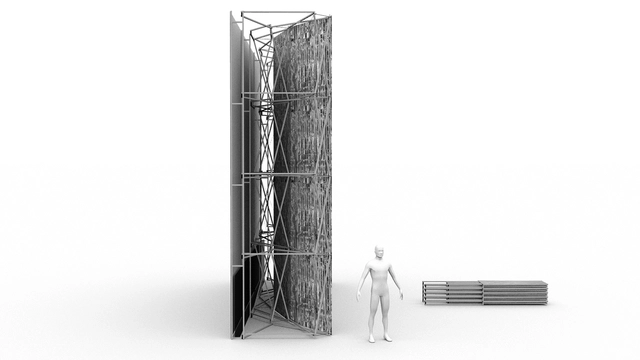
Titled "Planet of the People", the Lithuanian pavilion at the 17th International Architecture Exhibition - La Biennale di Venezia, brings cosmic imagination to the picturesque Renaissance church Santa Maria del Derelitti. Curated by Jan Boelen, the pavilion will be on display from May 22nd until November 21st, 2021.
For its latest collection, London-based manufacturer CTO Lighting found inspiration in Belgium, and in particular the city of Antwerp, from where the collection derived both its aesthetic and its name.
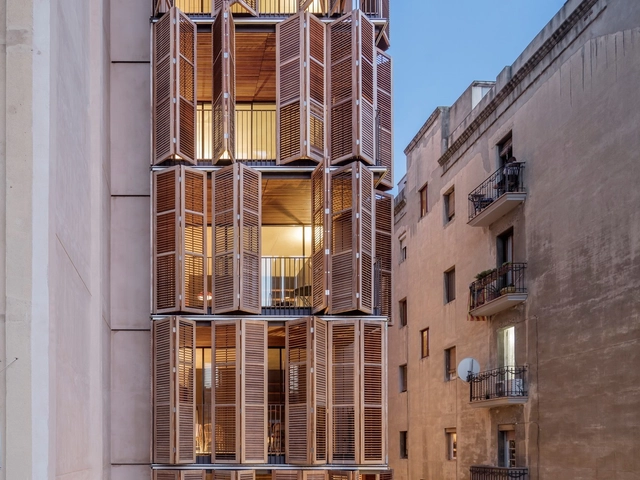
The 2021 Spanish Biennial of Architecture and Urbanism (BEAU) has announced the finalists for its "Panorama of Architecture and Urbanism Works" category. Out of 581 submissions, 100 projects were initially shortlisted, with 70 now selected for the final round. Of these, 20 will ultimately be recognized as the most outstanding works of Spanish architecture and urbanism from the last three years.
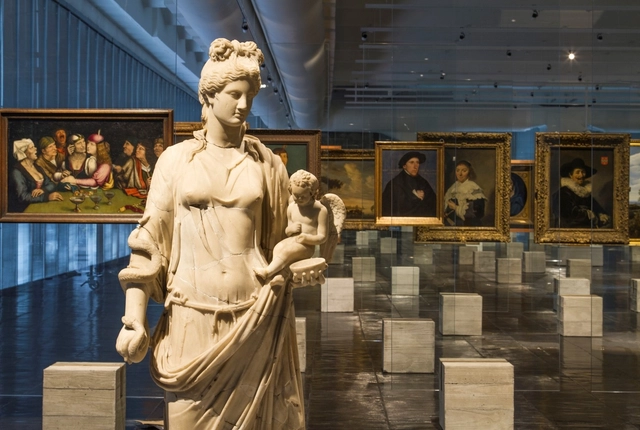
Today, May 18, is International Museum Day, celebrated under the theme "The Future of Museums: Recover and Reimagine." Amid the pandemic landscape imposed by COVID-19, some museums have reopened with major restrictions, while many others have remained closed. Regardless, these institutions have begun to reconsider their models and redefine their role in society. In this sense, the pandemic catalyzed a shift in exhibition formats, bringing new solutions and innovations to the public, such as virtual tours.

Canada’s contribution to the 17th Venice Architecture Biennale explores Canadian cities’ established “career” in cinema as stand-ins for the world’s metropoles, raising questions of authenticity, architectural identity and the collective understanding of the built environment. Curated by David Theodore of McGill University and realized by Montréal architecture and design practice T B A / Thomas Balaban Architect, the exhibition Impostor Cities highlights the diversity and versatility of Canada’s cityscapes as portrayed on film.
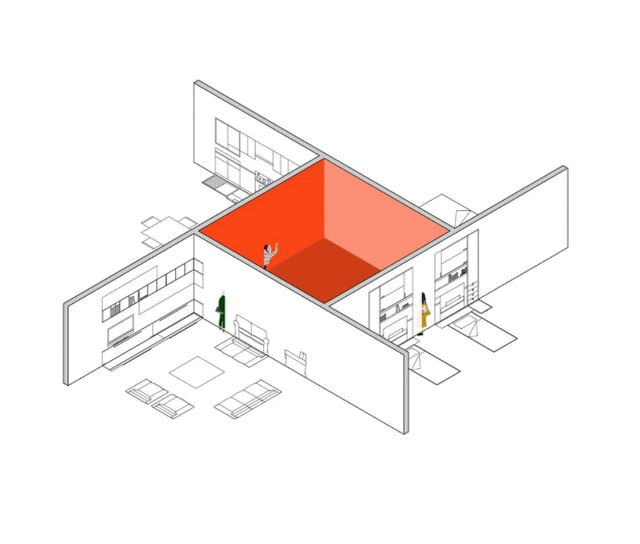
Titled "In Our Home", the Albanian pavilion at the 17th International Architecture Exhibition - La Biennale di Venezia, exhibits the impact knowing one's neighbor has on the built environment. Curated by a team of four architects: Fiona Mali, Irola Andoni, Malvina Ferra, and Rudina Brecani, the pavilion will be on display at Arsenale's Outdoor Arena no.2 from May 22nd until November 21st, 2021.



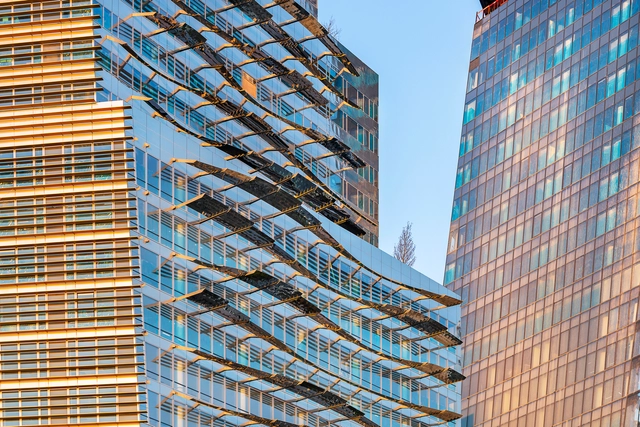
Carefully placed within the urban context and the product of searched perspectives and precise gestures, Ateliers Jean Nouvel's mixed-use project Tours Duo is set to become a landmark for Eastern Paris. Located close to the Paris ring boulevard and in the vicinity of a vast expanse of railway infrastructure, the project's site was the main driving point for the design, giving it its iconic shape. The project featuring two inclined towers nears completion, and photographer Jad Sylla shows the structures changing the Parisian skyline.

The International Union of Architects (UIA) has announced the UIA Gold Medal and Prizes winners. The UIA Gold Medal is awarded to Brazilian architect Paulo Mendes da Rocha, president of the 27th UIA World Congress of Architects — UIA2021RIO Honour Committee. The architect will also participate in a keynote speakers session programmed for July.
Paulo Mendes da Rocha, now 92 years old, has been honored with important awards, such as the Pritzker Prize in 2006, considered to be one of the world's premier architecture prizes, and the Venice Biennale Golden Lion for Lifetime Achievement, in 2016. Mendes da Rocha was the first Brazilian to be awarded this prize.

Social media usage around the world is ever-increasing, and the social distancing inflicted by the pandemic over the last year has dramatically changed its role. Currently, there are around 4.2 billion active social media users - this is more than half the world's population! For this reason, companies are putting efforts into these channels to keep in touch with their customers and even build better connections with them.
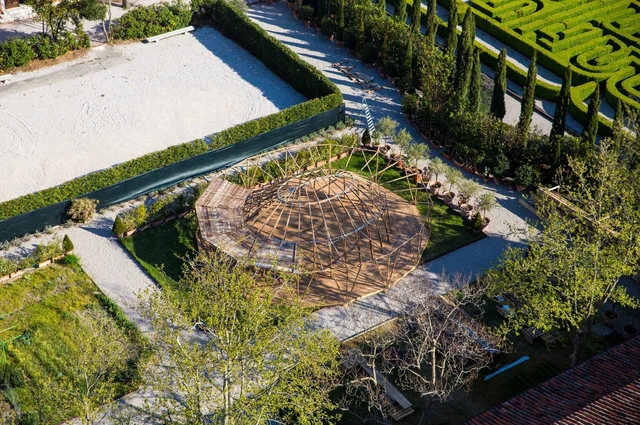
Part of the official collateral events of the 17th International Architecture Exhibition of la Biennale di Venezia, Caravane Earth Foundation will bring a unique bamboo Majlis, to the gardens of the Abbazia di San Giorgio Maggiore in Venice. Designed by internationally acclaimed bamboo architects Simón Vélez and Stefana Simic, the project will be on display from 22 May to 21 November 2021.
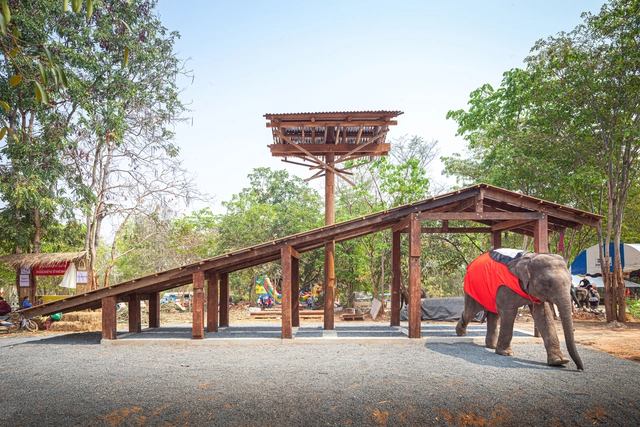
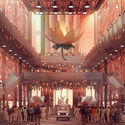
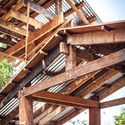
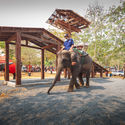
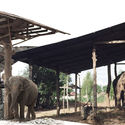
Titled "elephant", the Thai pavilion at the 17th International Architecture Exhibition - La Biennale di Venezia answers the question of how architecture can promote the way human beings and other species live together naturally and culturally based on the culture of Kuy and their elephants. Curated by Apiradee Kasemsook and designed by Boonserm Premtada of Bangkok Project Studio, the Thai pavilion will be on display at the Sale d’Armi, Arsenale, from May 22nd to November 21st.