From April 20 to 30, Barcelona will once again host the Model Festival, an event that aims to transform the city into a platform for emerging architectural and design talent, as well as global thought leaders. Founded in 2022 by the Ajuntament de Barcelona and managed this year by the Fundació Mies van der Rohe, the festival aims to create a space of exploration and inspiration for all citizens, turning the city's streets into a laboratory for architectural and urban experimentation and dissemination. It will once again feature the artistic direction of Eva Franch i Gilabert, alongside a broad team of architects, curators, and more than 50 local institutions and organizations selected through an open call.
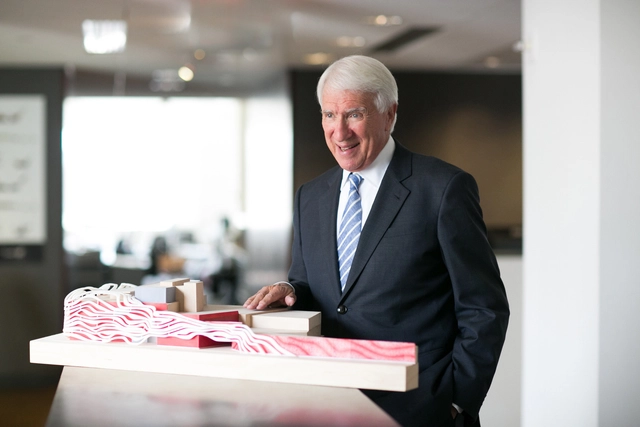
A. Eugene (Gene) Kohn, co-founder of the internationally renowned architecture office Kohn Pedersen Fox Associates, has passed away aged 92, after a year-long fight with cancer. Gene Kohn co-founded Kohn Pedersen Fox Associates (KPF) in 1976, along with partners William Pedersen and Sheldon Fox, helping to shape it into one of the most impactful architectural practices worldwide. He was recognized for his ability to find creative solutions and to build consensus between designers and developers through his understanding of the relationship between architecture and commerce. He also taught at Harvard, Columbia, and his alma mater University of Pennsylvania.
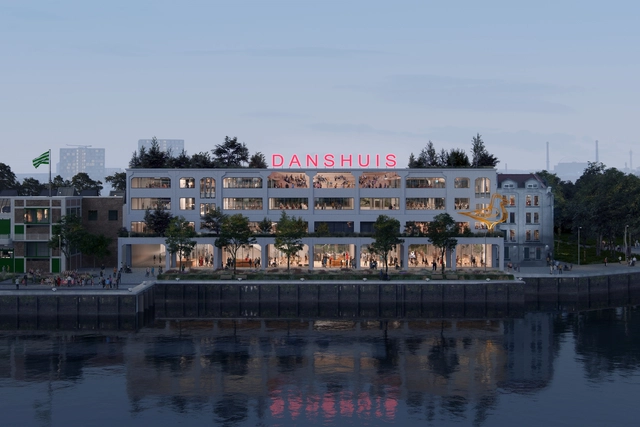
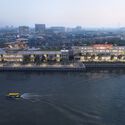
MAD Architects, Led by Ma Yansong, has just revealed its design for the Danshuis, dutch for The Dance House. The project will transform the riverfront Provimi warehouse into a cultural destination in Rotterdam. The Danshuis initiative seeks to convert the old warehouse into a vibrant multi-use studio based on movement and performing arts, a vibrant place to exchange world dance culture. The Droom en Daad Foundation, the primary client of the project, hopes to place Rotterdam on the map as a world leader in arts and culture.
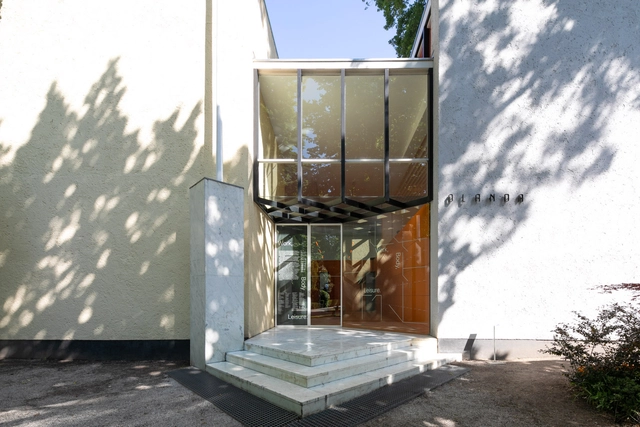
Portuguese architect Álvaro Siza Vieira was chosen by the Holy See to create the installation that will represent it at the Venice Architecture Biennale, which will take place between May 20 and November 26, 2023. In collaboration with Studio Albori from Italy, the pavilion of the Vatican, curated by Roberto Cremascoli, will be dedicated to the theme of social friendship. This is in commemoration of the tenth anniversary of the pontificate of Pope Francis.
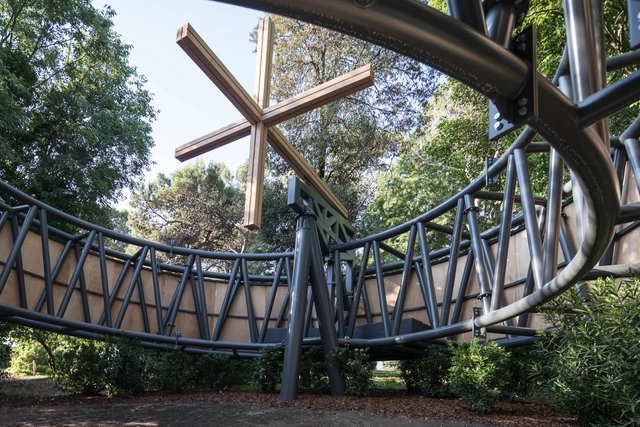
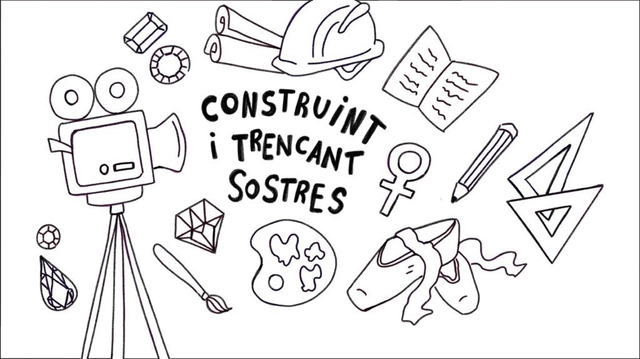
“Construyendo y rompiendo techos” / Laia Ollé Ramos - Instituto Gabriel Ferrater i Soler de Reus. Image Cortesía de Fundación Mies van der Rohe
To mark International Women's Day, the high school research projects awarded the Lilly Reich Grant for Equality in Architecture were presented at the historic Barcelona Pavilion, designed by Mies van der Rohe and Lilly Reich for the 1929 Barcelona International Exposition. In addition, the call for applications for the new 2023/2024 edition has been opened.
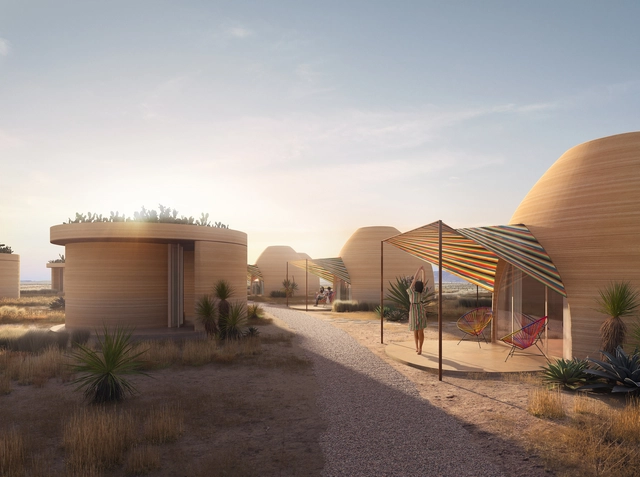
El Cosmico 3D-printed Hotel - exterior. Image Courtesy of ICON, BIG for El Cosmico
Hospitality expert Liz Lambert has announced a collaboration with ICON, the office that pioneered large-scale 3D printing, and BIG – Bjarke Ingels Group, to rebuild El Cosmico, a campground hotel in Marfa, Texas. The team plans to relocate the venue to a 62 acres plot, where new architectural approaches are made possible by including advanced technologies and 3D-printing elements such as domes, vaults, and parabolic forms. The innovative development will feature guest accommodation and new hospitality programming, including a pool, spa, and shared communal facilities. The project is expected to break ground in 2024.
As we successfully launched our 14th Building of the Year Awards earlier this year, we want to thank you for being part of our community for over 10 years. Together we have been growing and contributing to the architectural scene, aiming for a better world. Now, we are proud to announce the 7th edition of The ArchDaily Building of the Year China, celebrating the best architecture in China, as chosen by you, the reader.
By nominating and voting, you form part of an interdependent, impartial, distributed network of jurors and peers that has consistently helped us celebrate architecture of every scale, purpose, and condition, and architects of all profiles. Over the coming weeks, your votes will result in 700 Chinese projects filtered down to just 10 best projects in China.
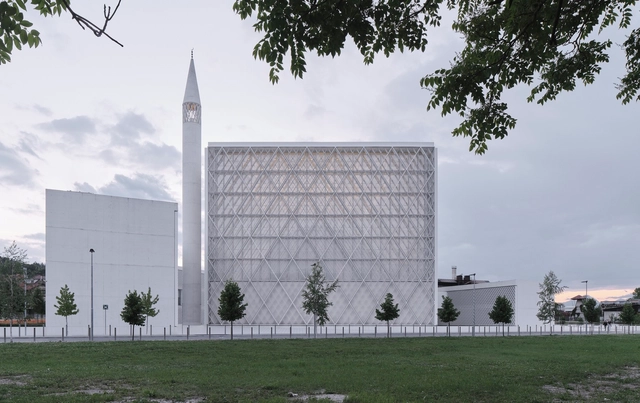
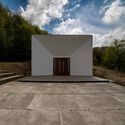
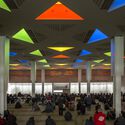
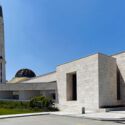
Under the theme of "Mosque: a cross-cultural building", the 4th cycle of the Abdullatif Alfozan Award for Mosque Architecture (2020-2023) has announced its 5 winning projects hailing from Australia, Turkey, Serbia, Slovenia, and Mozambique. The award ceremony took place at the Riyadh National Museum on March 5th, 2023, followed by a 2-day architectural seminar in which the architects explained the design process behind their winning projects.
Looking into mosques between the past, present, and future, the selection took into account each project's contextuality, privacy, its religious and architectural significance, and contribution to the community. Over 200 mosque were submitted from across the world, narrowed down to a shortlist of 22 projects. The five winning mosques, however, were commended for looking beyond common mosque typologies, as they explored the importance of feeling within a religious space, their value as "urban communication tools", and how their architectural languages are re-establishing the values of the religion.
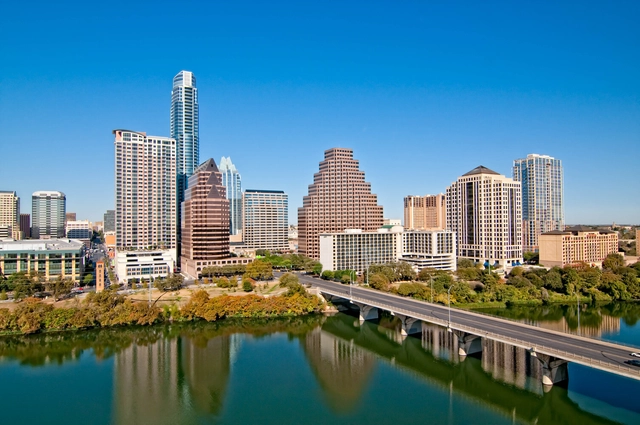
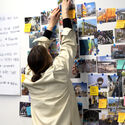
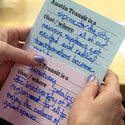
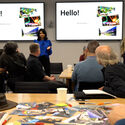
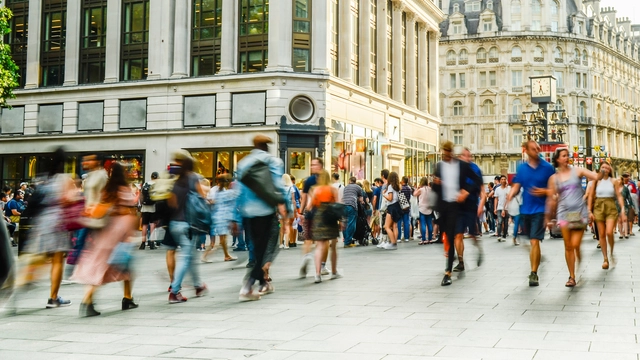
The Austin Transit Partnership has selected UNStudio, HKS, and Gehl to lead the architecture and urban design of Project Connect, a major expansion of the public transportation system in Austin, Texas, in the United States. The project is set to become a transformative investment, including and integrating the light rail system, expanded bus routes, and connectivity with more services across the city. The initiative is also voter-approved. In November 2020, Austin citizens approved Project Connect, leading to the creation of the independent entity Austin Transit Partnership charged with implementing the project. The citizens of Austin are invited to continue to get involved and provide feedback.
With many high streets hollowing out and the National Health Services Association pushed to its limits, Heatherwick Studio is calling for a new kind of health space in metropolitan cities. The Health Street initiative is placed right at the heart of urban communities, reimagining the way we look at well-being and the holistic health of complete localities. Moreover, this radical approach to health creation is based on integrating community-led facilities into the local high streets.
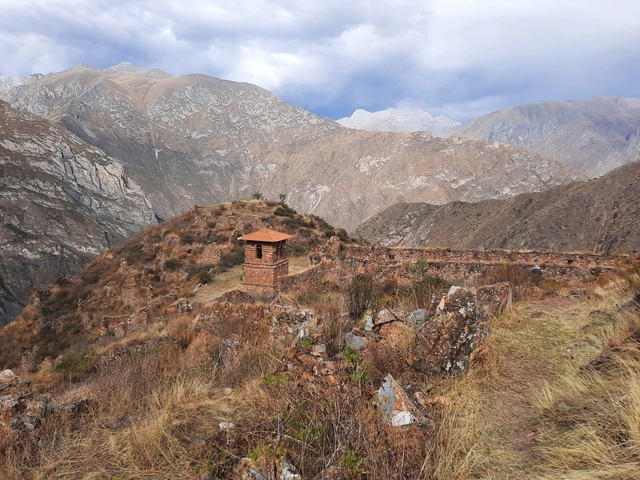
Yanacancha-Huaquis Cultural Landscape, Peru. Image Courtesy of World Monuments Fund
The World Monuments Fund (WMF) announced a commitment of more than US$10 million to go towards preservation projects to protect culturally significant places from around the globe in urgent need of intervention. The initiatives vary in scope, from winterization efforts at Ukrainian heritage sites to protecting remote archeological sites representative of Peru’s Chachapoyas Civilization. The suite of projects launching in 2023 aims to address and help mitigate the threats that heritage sites are facing: conflict, climate change, and underrepresentation.
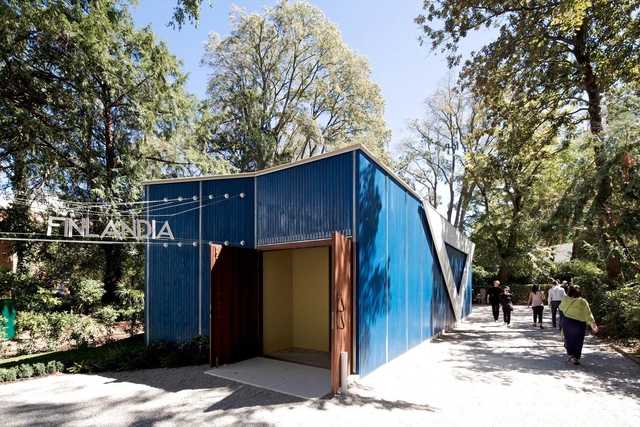
At the 2023 Biennale Architettura, Finland's Pavilion will present its exhibition Huussi, Imagining the Future History of Sanitation, which deals with the architecture of water and nutrient circulation, questioning the water toilet and Its implications for the future. "Huussi" is the Finnish word for an outhouse, a small compost toilet commonly used by Finns in rural settings and holiday homes. The exhibition, curated by Arja Renell and The Dry Collective, a group of Finnish architects, presents this typology as a starting point to finding alternative solutions to managing wastewater, inspiring professionals to start envisioning new sanitation solutions. At the core of the presentation, the exhibition questions the consequences of waste in the context of the current climate crisis the world is going through.
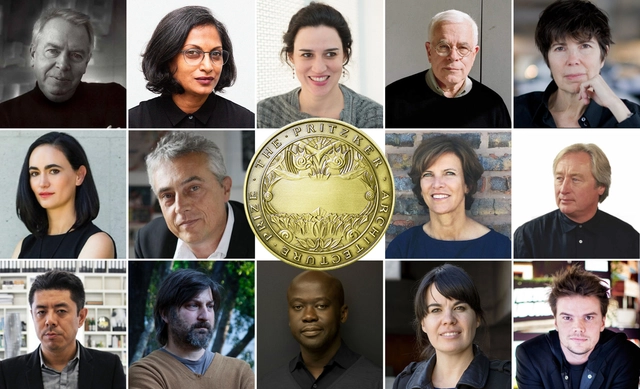
As part of our yearly tradition, we have asked our readers who should win the 2023 Pritzker Prize, the most important award in the field of architecture.
For those who don't know, the Pritzker Prize is funded by Jay Pritzker through the Hyatt Foundation in the United States and has been awarded to living architects, regardless of their nationality, whose built work "has produced consistent and significant contributions to humanity through the art of architecture."
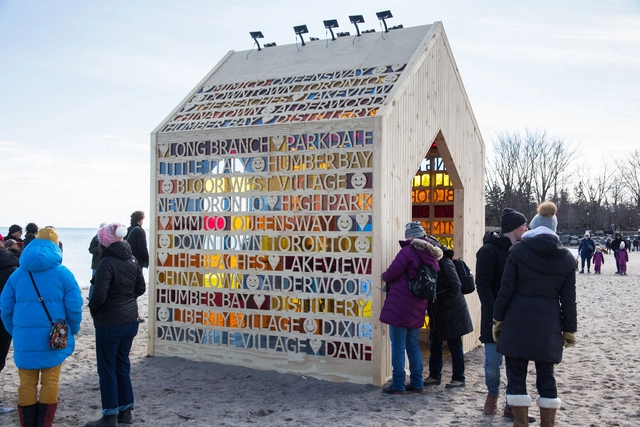
The 2023 Winter Stations has just announced eight winning projects for their 9th annual international competition. The winners were chosen from hundreds of entries from around the world, along with three student designs from Toronto Metropolitan University, Waterloo Department of Architecture, and Guelph University. The competition was first launched at Woodbine beach by RAW design,Ferris + Associates, and Curio, to capture the imagination of designers and architects to create bold designs that spark conversation, transforming lifeguard stations at Toronto’s Woodbine beach. Furthermore, since these lifeguard stations are usually dormant throughout the winter, the exhibition inspires artists to bring the public back outdoors with their unique designs.
Facing the challenges of aligning development demands with sustainability policies, researchers from FGV EAESP (São Paulo School of Business Administration), alongside the international non-governmental organization ICLEI (Local Governments for Sustainability) and other partners, have created the Green and Blue Infrastructure Guide. The objective is to provide a step-by-step guide on how to make cities sustainable, focusing on improving local governance across three key factors: food, water, and energy.
https://www.archdaily.com/1135874/green-and-blue-infrastructure-guide-shows-how-to-make-cities-sustainableArchDaily Team
Homes of the Future. Image Courtesy of Mossawi studios
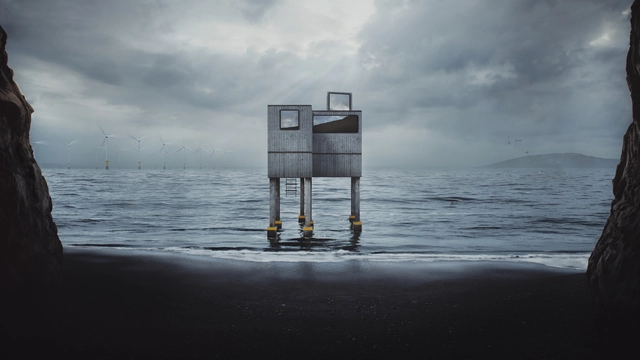
This week's curated selection of Best Unbuilt Architecture highlights visionary homes by the ArchDaily community. From a prefabricated house to supporting Ukraine war victims, a modular multi-story house highlighted during the Dutch Design Week, and a villa "shaped" by the Dubai coastline wind flow, this round-up of unbuilt projects showcases how architects move forward from the conventional residence concept to project alternative habitational standards in responding to harsh environments, nature, and technology.
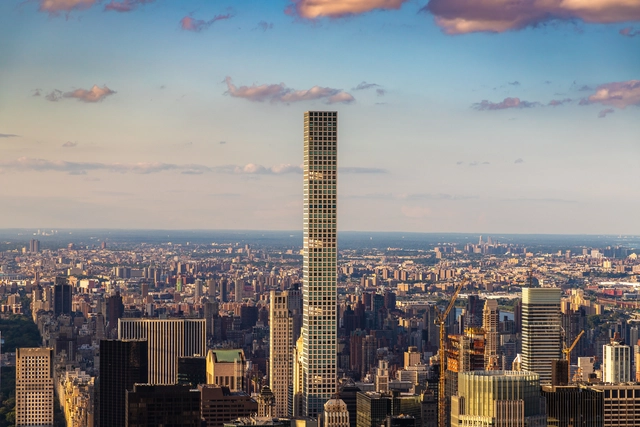
Panoramic view of 432 Park Avenue Condominiums, designed by Viñoly, in New York City, United States. Image via Shutterstock / Sergii Figurnyi
The world of architecture is mourning the death of the renowned Uruguayan-American architect, Rafael Viñoly, who passed away at the age of 78. With more than half a century of experience in the profession, Viñoly was known for his bold and imposing designs that were built in various cities around the world.
Nieuwe Instituut has appointed Jan Jongert / Superuse Studios from Rotterdam as curator of the Dutch Pavilion at the 18th International Architecture Exhibition – La Biennale di Venezia. In response to Lesley Lokko’s overarching theme for this edition of the Biennale, “Laboratory of the Future,” the Dutch curatorial team aims to explore the complex systems that underpin the structures of our societies. The exhibition will be open from 20 May to 26 November 2023.
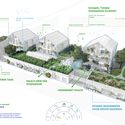
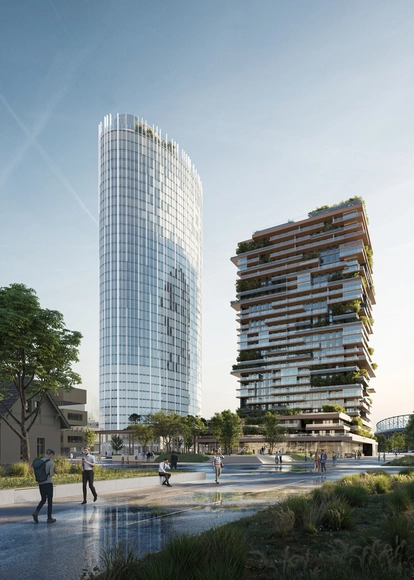
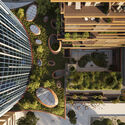
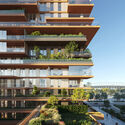
Mario Cucinella Architects has started constructing two multifunctional towers to shape Vienna’s skyline. Situated in the 2nd district in Vienna, where a dynamic urban development “Viertel Zwei”, has been in the works for some time, the project consists of two highrises, both of different architectural languages and made for different purposes, together providing a complex urban image inserted into context.
Since 2015, the renowned Concéntrico International Architecture and Design Festival of Logroño has fostered dialogue between the city, its heritage, and contemporary architecture, inviting citizens to reflect on the urban environment. For its ninth edition, taking place from April 27 to May 2, 2023, the festival has announced its participating architecture and design teams.
Neighbours, Karin Sander, Philip Ursprung, Swiss Pavilion, 18th International Architecture Exhibition - La Biennale di Venezia, 2023. Image via KS 2023
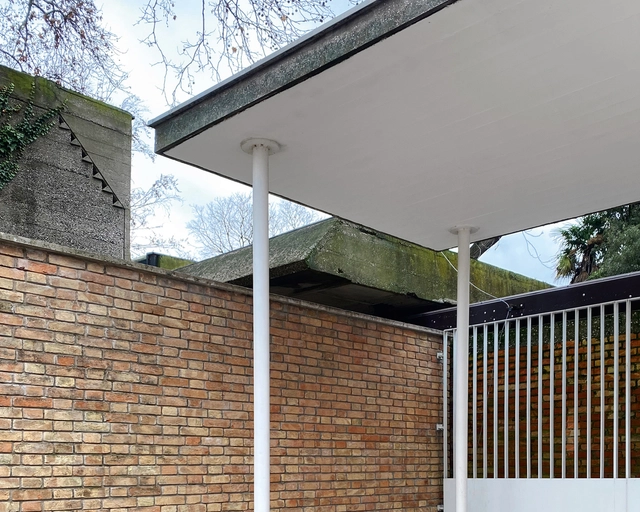
Switzerland’s project for its national pavilion at the 18th International Architecture Exhibition–La Biennale di Venezia will be curated by Karin Sander and Philip Ursprung to explore territorial relationships within the Giardini of La Biennale. Titled “Neighbours,” their project is focused on the spatial and structural proximity between the Swiss Pavilion and its Venezuelan neighbor. By turning architecture itself into the exhibit, the project also highlights the bond between the architects of the two structures: the Swiss Bruno Giacometti (1907 - 2012) and the Italian Carlo Scarpa (1906 - 1978). The exhibition will be on display from May 20 to November 26, 2023.
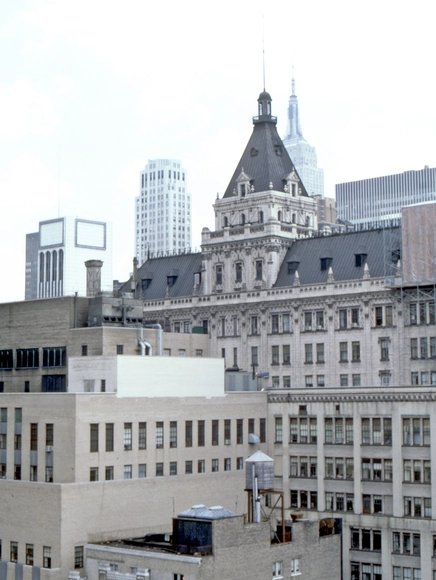
This file is licensed under the Creative Commons Attribution-Share Alike 3.0 Unported license.The New York Times Building, 1984. Image via Wikimedia
The hosts and producers of the Uncertain Things podcast, Adaam James Levin-Areddy, and Vanessa M. Quirk, conduct interviews with experts with a variety of experiences to answer the question, “Now what? How did we get here and what is next?”. In this episode with Michael Kimmelman, they touch upon many interesting subjects, namely, The New York Times institution and its evolution, Kimmelman’s new book the Intimate City, and our overall understanding of communities in cities.
The Instituto Tomie Ohtake and AkzoNobel have announced the finalist projects for the 9th Tomie Ohtake AkzoNobel Architecture Prize. A total of 10 works were selected in the Professional category and three projects in the Student category, along with one project recognized with an honorable mention in the latter.