

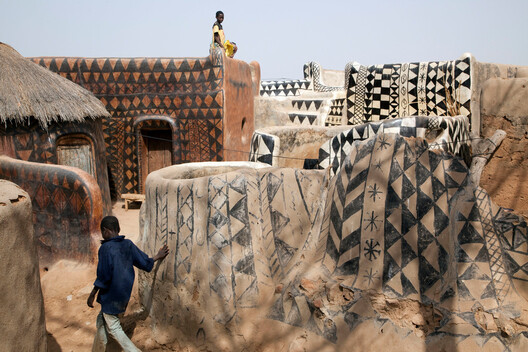
Vernacular architecture is often referred to as harboring lessons for creating low-energy buildings and the fight against climate change. Yet, as weather patterns are changing, there are cases where traditional building techniques are themselves becoming at risk. As well as changes in temperature, different regions have faced becoming wetter or drier, experiencing increased risk of droughts, flooding, storms, and changes to local flora. The painted houses of Tiébélé in Burkina Faso, recognized as a UNESCO World Heritage Site, are one example.


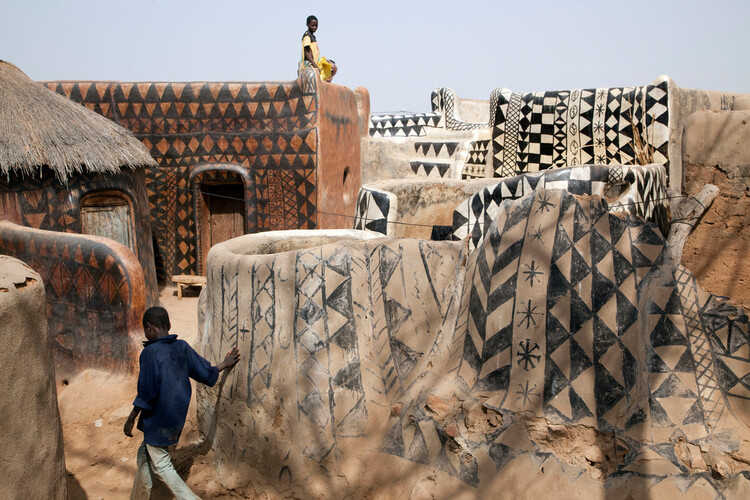
Vernacular architecture can be defined as a construction method specific to a region with influences from geography, climate, and available materials. Such structures are built with knowledge passed down from generation to generation and rarely involve architects or experts. Because of their pre-industrial nature, having developed before the advent of modern transport or temperature control, vernacular building techniques can offer lessons in the use of materials with low embodied carbon and passive responsiveness to the local climate. The skills of craftsmen and builders are often seen as elements of the intangible heritage of a region.


