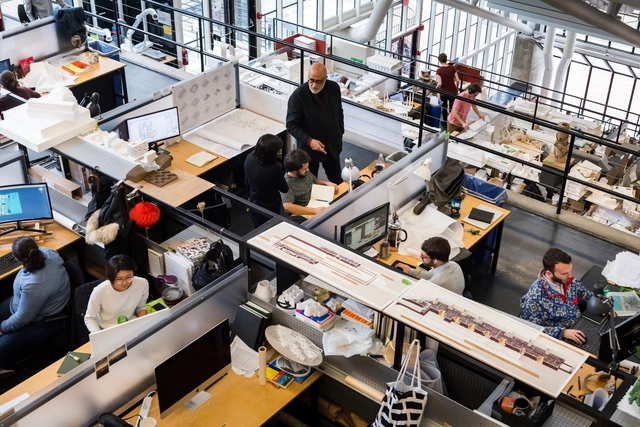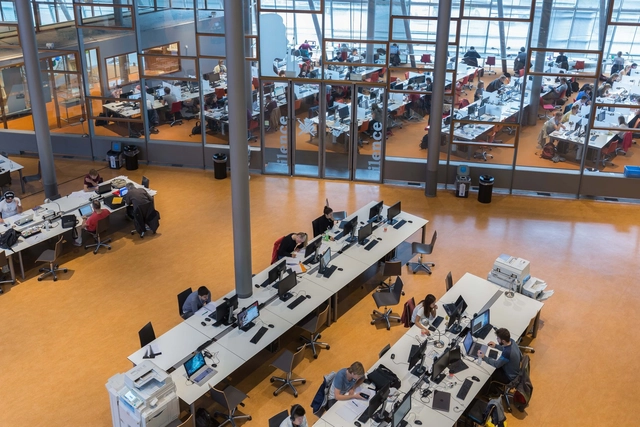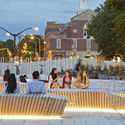
Special thanks for Adam Goss from Spirit of Space for sharing this great clip of Harvard GSD “Waterline” studio led by Phil Enquist of SOM. When ArchDaily visited Chicago, our team had the chance to interview Enquist and gain some insight to his urban design and planning strategies, especially, the Beijing Central Business District and his Vision for the Great Lakes. This latest studio is a collaborative think tank of architecture, planning and landscape architecture students analyzing the Chicago River as a way to capitalize its potential to serve as a recreation, education, and transportation component of the city. Currently, the river is neglected and its presence is often ignored; yet, the students of Harvard are attempting to “rethink what the River means to the City” by questioning the existing relationships between River and City, and the public’s persepective and awareness of the river. Enquist’s multidisciplinary team is working to understand the issues of the river at large and by developing a larger, zoomed out, framework, smaller interventions can truly fuse to become a cohesive citywide system. We enjoyed listening to the students and seeing their passion for the river and its potential for Chicago, and we hope you enjoy the video, as well. Let us know what you think about the studio in the comments below.
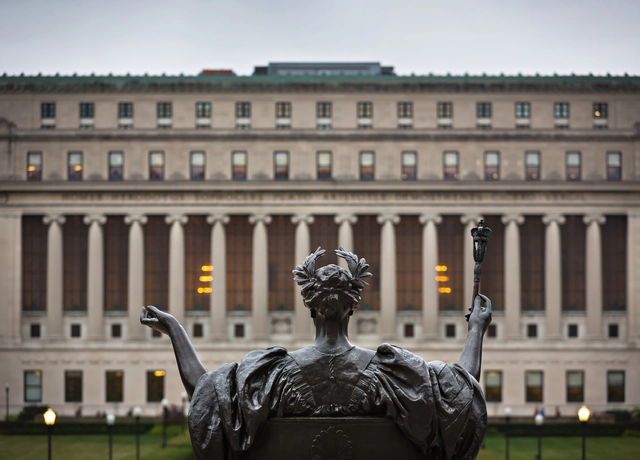
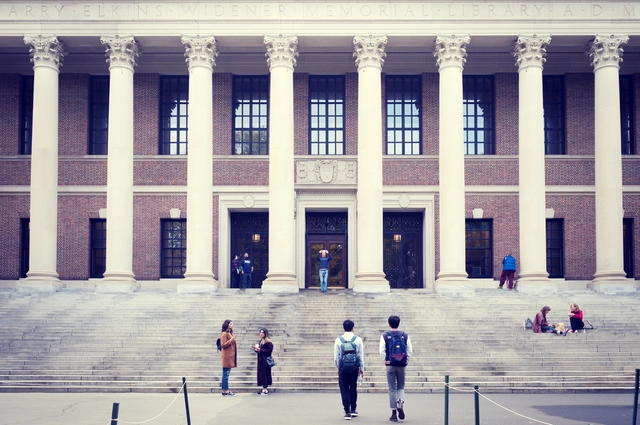
Harvard

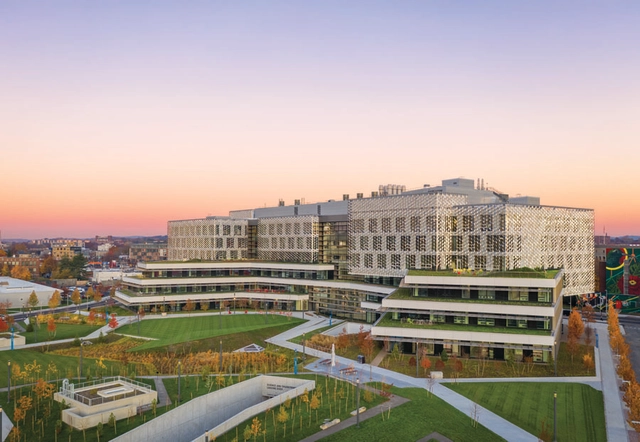
© Harvard Office for Sustainability
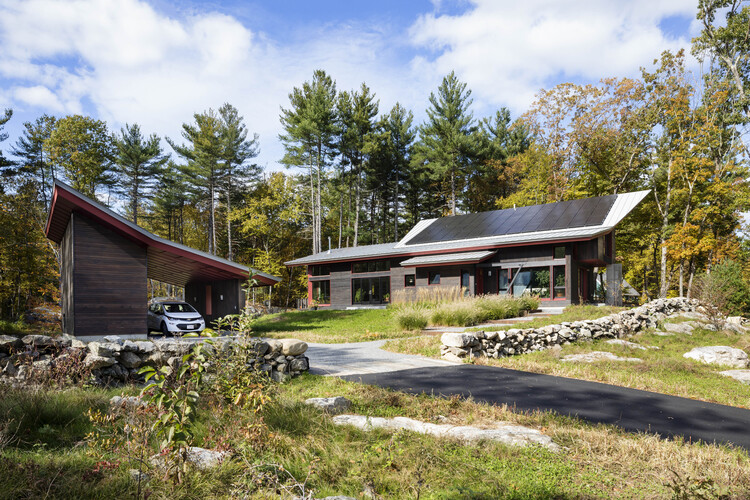
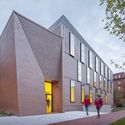
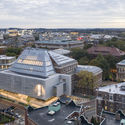
The U.S. Green Building Council has recently announced that Harvard University has achieved a worldwide first – the construction and completion of 50 LEED certified buildings. It is also a great feat for an institution as large as Harvard. They were able to successfully coordinate a decentralized campus with separate buildings that each have their own organizational structures. Read more about the five lessons they learned along the way after the break.
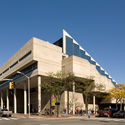
The first and only building in the United States designed by the 20th Century master architect Le Corbusier sits among some of the oldest buildings that date back to before the United States was organized. Completed in 1963, the Carpenter Center for the Visual Arts is located on Harvard University’s campus. Designed in conjunction with Chilean architect Guillermo Jullian de la Fuentes and Josep Lluis Sert – dean of Harvard’s GSD at the time, the Carpenter Center stands out among the traditional architectural styles of Harvard Yard as a combination of Le Corbusier’s earlier modernist works.
More on the Carpenter Center after the break. read more »
Kristina Hill, Director of the Program in Landscape Architecture at the University of Virginia will be the inaugural speaker in a new annual lecture series New Directions in EcoPlanning at the Harvard Museum of Natural History.
Dr. Hill’s lecture, “Designing the Urban Ark: Biodeversity and the Future of Cities” will take place on Wednesday, March 18th at 6 pm in the museum’s Geological Lecture Hall at 24 Oxford Street, Cambridge. The lecture is free and open to the public.
For further information, click here.