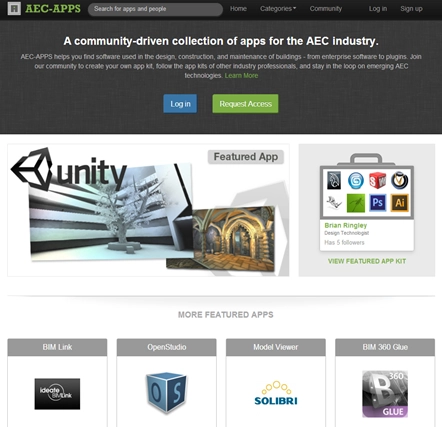
SOM & CASE Launch First Crowd-sourced, Web-based Resource for AEC Industry

SOM and CASE has formally launched AEC-APPS, the first crowd-sourced, web-based library for applications used by architects, engineers and construction professionals. This is a one-of-a-kind initiative in the AEC Industry and is a non-profit online community that allows digital tool users and toolmakers to share ideas, tips and resources covering a wide array of applications, ranging from commercially-marketed products to user-created scripts and utilities. After months of beta testing, the site currently hosts more than 500 users who have posted 800 apps that can be used in the design, construction and operation of buildings.
Read more about this new initiative after the break.
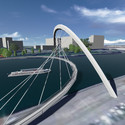
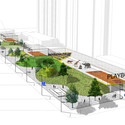
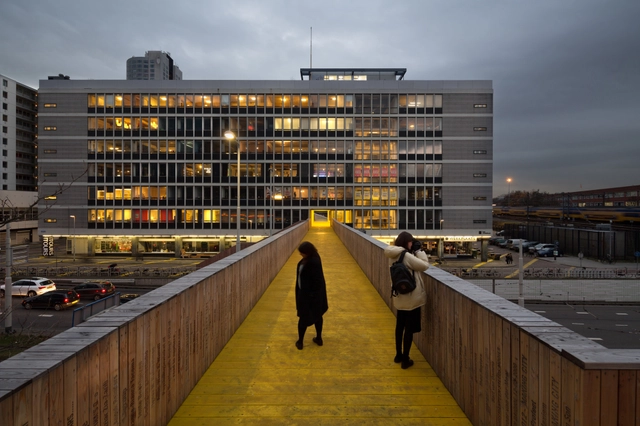
Luchtsingel / ZUS + Hofbogen BV

The Luchtsingel is a pedestrian footbridge in Rotterdam that is being realized by crowdfunding, an exciting new means of funding in which the public donates money via an online platform (essentially investing in an unrealized idea) in order to make a project reality. The Luchtsingel, which uses the slogan “the more you donate, the longer the bridge”, has resonated with the public imagination and surpassed its initial funding goals, becoming an important part of Rotterdam’s urban rejuvenation.
Read more about the unusual birth of this public bridge, after the break…
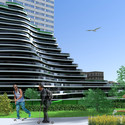
BD Bacatá: The World’s First Crowdfunded Skyscraper
Kickstarter, a site based on the seductive idea of “crowdfunding” – in which consumers collectively invest in a product in order for it to become reality – has taken on a life of its own. From straightforward consumer products (like a cool watch) to creative projects (Roman Mars’ radio show) and even to large-scale Urbanism projects (including an entire riverwater pool), Kickstarter has evolved to finance ever more complex, ambitious, and risky endeavors.
But are there limits? Can you harness the purchasing power of the public to “crowdfund” anything? To, say, design/build a city?
Well, if Colombia’s BD Bacatá building, the first ever crowdfunded skyscraper, is anything to go by – the answer would seem to be yes.
More images of the first ever crowdfunded skyscraper, BD Bacatá, after the break…
Can you Crowdsource a City?

Unfortunately, of course, this mindset creates an anti-establishment (often, anti-architect) antagonism that would render any wide-spread change nigh impossible. Yes, the DIY movement, facilitated by the use of technology, is excellent for getting people involved, for encouraging important, innovative ideas – in the short-term.
As Alexandra Lange recently pointed out in her post “Against Kickstarter Urbanism,” technology is not a “magic wand,” and crowdsourcing initiatives often fall short in the day-to-day, nitty-gritty work of a large-scale, long-term urban project.
But while technology certainly has its limitations, its potential to facilitate connection and communication is unparalleled. What is vital, however, is that the technology enhance, not replace, our physical relationships. Instead of using online platforms as divisive or purely conceptual forums, they must becomes tools of transparency and trust-building, mediators of a conversation that invests and connects all parties on the ground.