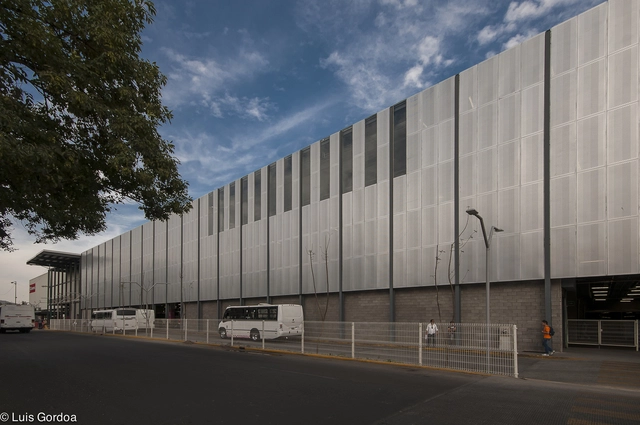


-
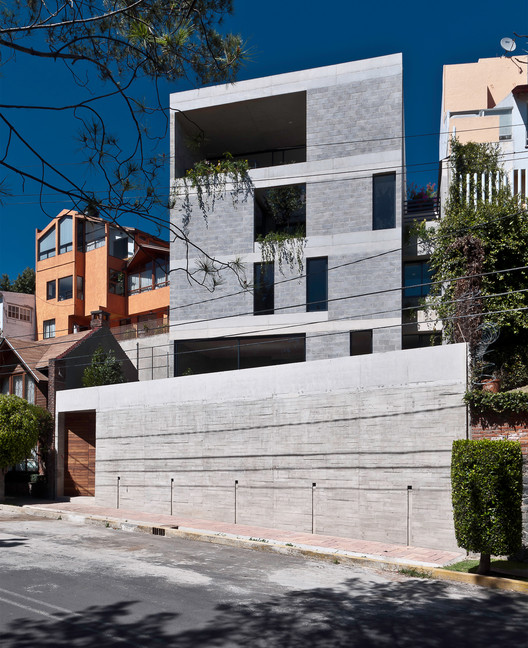
Architects: Manuel Cervantes Estudio
- Area: 65000 m²
- Year: 2011
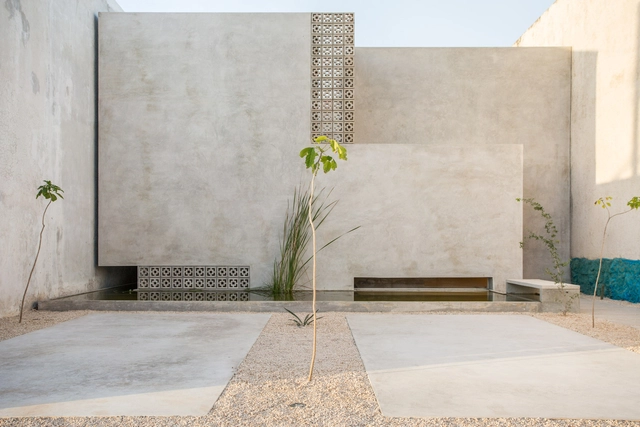
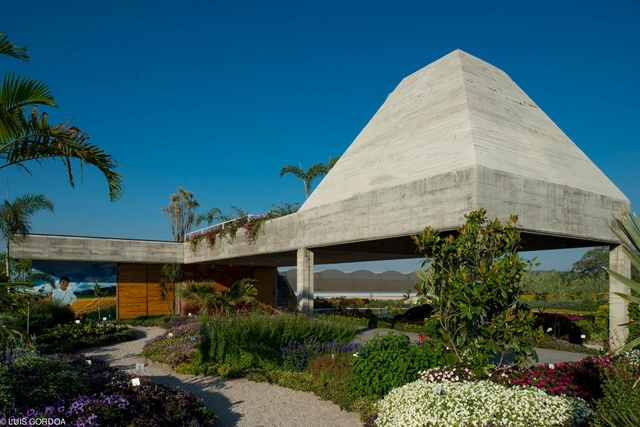
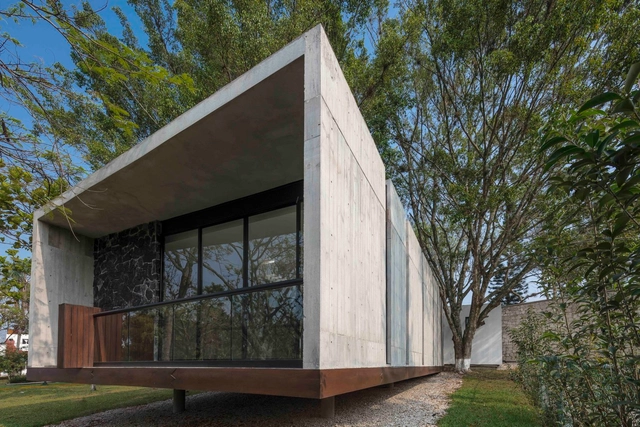
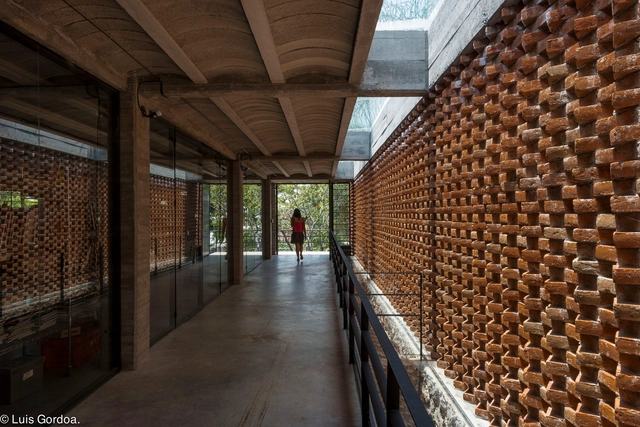
Due to its ability to mold and create different shapes, concrete is one of architecture's most popular materials. While one of its most common uses is as a humble foundation, its plasticity means that it is also used in almost all types of construction, from housing to museums, presenting a variety of details of work that deserves special attention.
Check out this collection of 40 projects that highlight the use of concrete. Impressive!
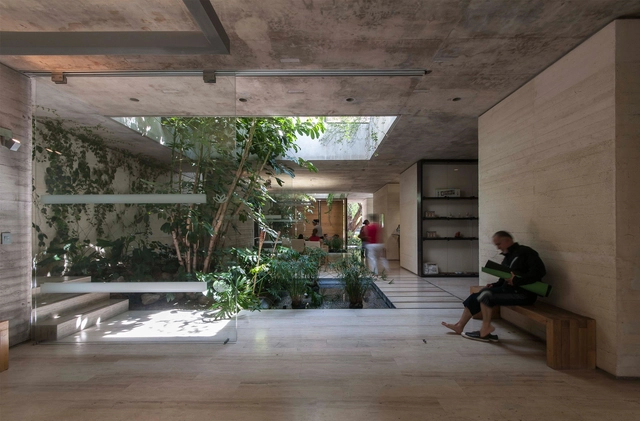
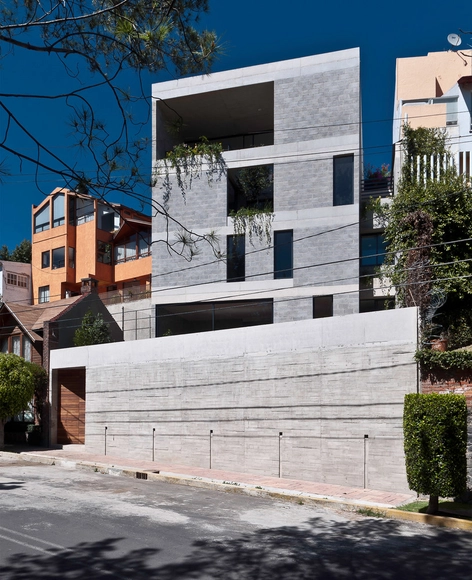
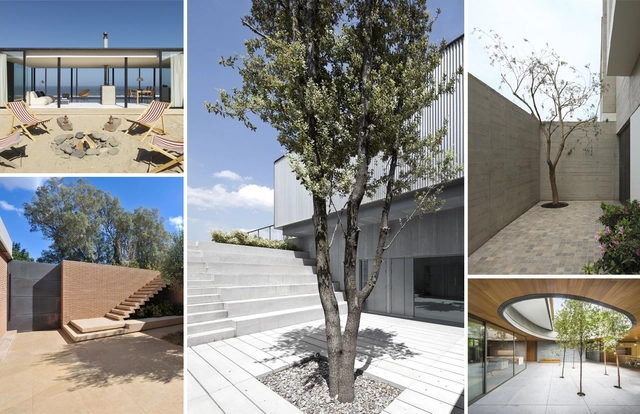
We would like to take a second to focus on the wonderful, yet often overlooked, inner courtyard. The inner courtyard is essentially a "contained outside space" made up of transparent walls, and a well thought-out drainage system is a must. Other elements such as furnishings, decks, vegetation, stairs, water are then added, complicating the space created. The inner courtyard also plays a role in the building's layout; in most cases it functions as the central point from which the other rooms and functions of the project are organized, giving them air and light when the façade openings are not enough.
Here is our selection of 13 stunning inner courtyards of houses and buildings that we have previously published on our site.
.jpg?1480286538&format=webp&width=640&height=580)
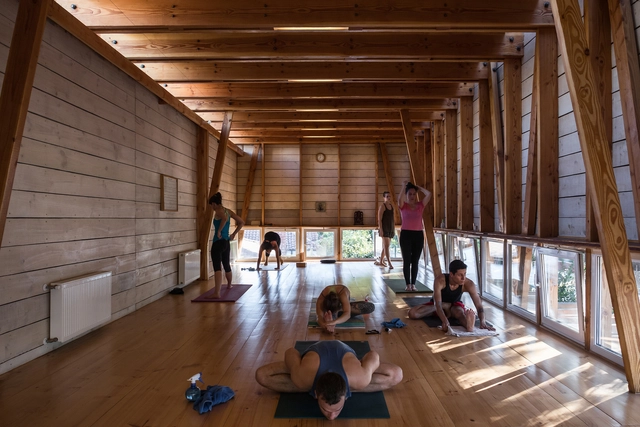
For several decades, a set of oriental practices and techniques have strongly infiltrated the western world. A new program that, as architects, we must start solving more often, and that poses interesting challenges from the point of functional, environmental, and aesthetic.
These disciplines are completely focused on the human being, as they seek to work and satisfy their physical, psychological and spiritual needs, and that's why it seems important to analyze how these needs are being met spatially by architects. Many of the operations taken in these spaces create enabling environments for reflection, introspection, healing, and therefore could also be applied in other relevant programs, such as housing, educational, hospital, and even office spaces.
This article seeks to draw lessons from some projects already published on our site, in order to perform a kind of guide for designs that helps our community of readers to find inspiration more effectively.
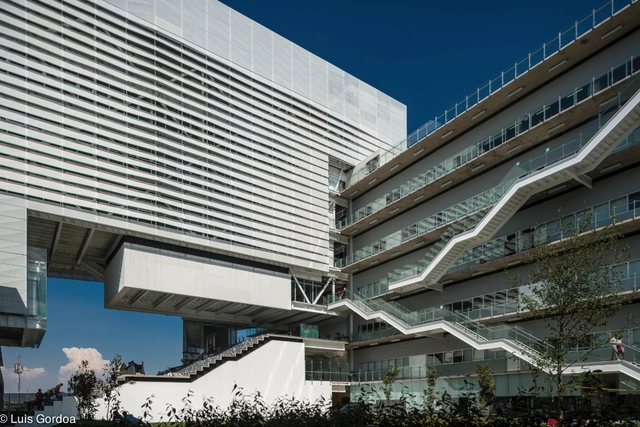
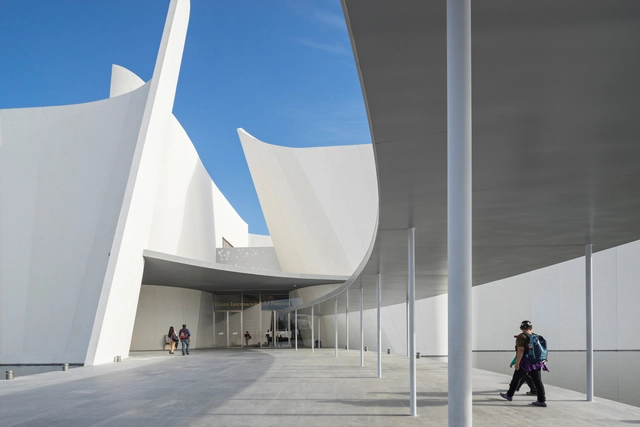
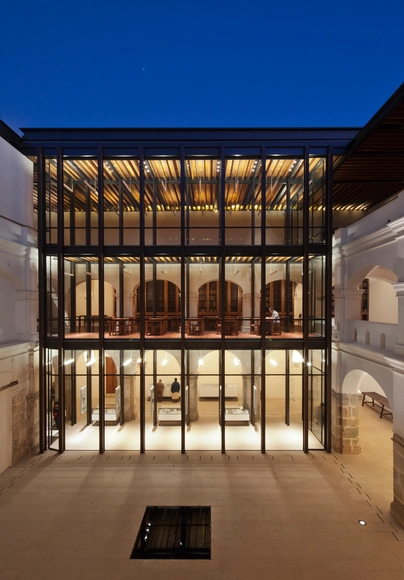
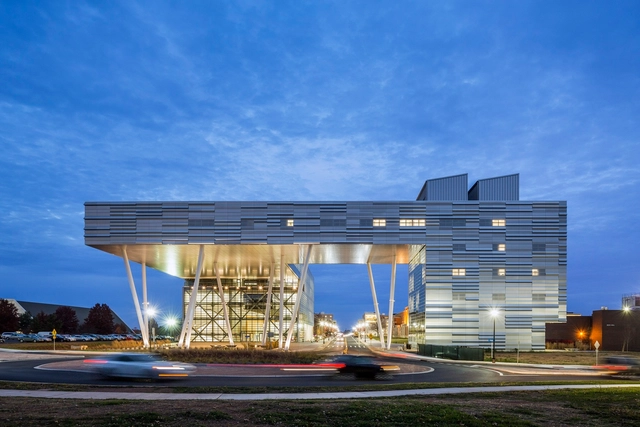
Founded in 1986 in Mexico City, Enrique Norten's practice TEN Arquitectos is not known for a signature style, preferring to make each project a modernist-infused response to its own specific conditions. Nonetheless, they have become one of the most widely-recognized architectural practices emerging from Mexico, with projects throughout North America. In the latest interview in his "City of Ideas" column, Vladimir Belogolovsky speaks with Norten in New York to find out how the architect's past has influenced his current design work, and to discuss the future trajectory of architecture.






.jpg?1480286763&format=webp&width=230&height=230&crop=true)
.jpg?1480286774&format=webp&width=230&height=230&crop=true)
.jpg?1480286629&format=webp&width=230&height=230&crop=true)
.jpg?1480286676&format=webp&width=230&height=230&crop=true)
.jpg?1480286538)


.jpg?1476369871&format=webp&width=230&height=230&crop=true)