How to visualize architectural concepts in SketchUp using D5 Lite for faster design exploration.
How to visualize architectural concepts in SketchUp using D5 Lite for faster design exploration.




In a moment in history when some seek alternatives on other planets and others find refuge in virtual worlds, paradoxically, the future seems to be Earth. This may be one of the significant lessons that 2023 has taught architecture. Understanding this also implies becoming aware that our planet is depleting before our eyes—and a generous portion of this responsibility belongs to the production chains involved in architecture and construction.
If there is still something that can be done to mitigate the climate and environmental crisis in which we find ourselves, it will necessarily involve a revision of all the paradigms that define the industry. It is necessary to change focus and seek other narratives on which to sustain the ways of making architecture on a planetary scale. These ideas resonated in many voices this year, and, at the same time as the possibility of a future for the planet was debated, equal attention was given to the scale, values, and local cultures. The selected interviews here tell stories about the community, environment, cities, practices, and new narratives for architecture in 2023 and beyond.
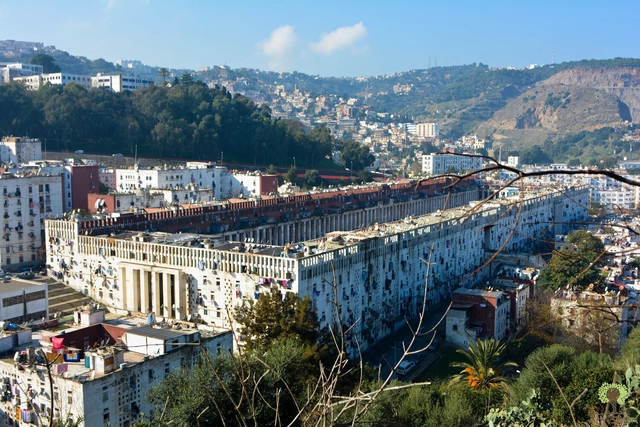
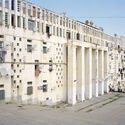
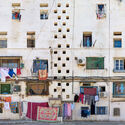
The Climat de France is a French colonial social housing project in Algeria designed by Fernand Pouillon and currently renamed Oued Koriche. Located approximately 8km west of the country’s capital, Algiers, it was built from 1954 to 1957, right in the middle of the Algerian War of Independence. The project has several buildings with different scales. Its most prominent structure is a large rectangular building that houses 3000 dwellings, along with a spacious interior square similar to a Roman forum and exterior windows inspired by the mosaics found in Islamic architecture.
This social housing scheme has a complex history, involving the integration of Algerians into the French lifestyle, the use of modern architecture to challenge traditional Muslim ways of living, and the transformation of its collective square into a site of protest and rebellion.

The biannual International VELUX Award for Students of Architecture returns for its 2024 edition, inviting students from all over the world to innovate on the theme of daylight in architecture, specifically, to envision the "Light of Tomorrow." This broad theme has encapsulated the award since its launch in 2004. Since then, over 6,000 projects from 130 countries have been submitted that adopt an open-minded, experimental approach to daylight in the built environment.
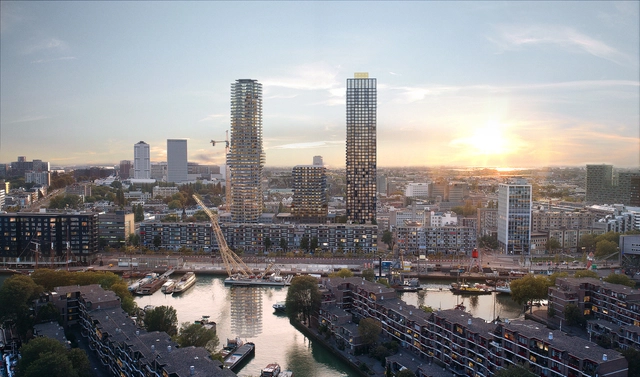
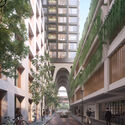
Designed by Powerhouse Company, the BaanTower has started construction in the remodeled Baan Quarter neighborhood of Rotterdam. The residential tower strives to promote a sustainable architecture based on the well-being of its residents. Upon completion, the high-rise will house 427 apartments available for rent. Seven years after the original draft, the project has recently received its building permit, and is expected to be completed by 2026.

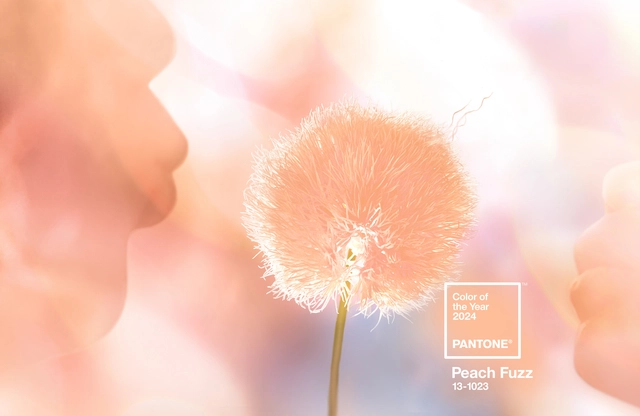
Pantone has just just announced “Peach Fuzz” or PANTONE 13-1023,” the 2024 Color of the Year. Known for its color standards and digital solutions in the design community, Pantone announced the color aiming to move towards empathy and understanding. A hue between pink and orange, the color is soft and inviting and offers “tenderness and communicating a message of caring, community, and collaboration.”
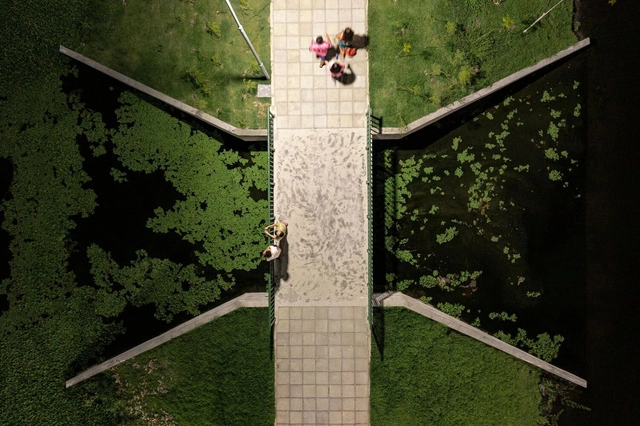
In several cities in Brazil, the amount of rainfall has already surpassed the total accumulated for the rest of the year. Flooding, inundations, and landslides are commonplace news in regional newspapers. In this chaotic scenario, a study presented by the National Confederation of Municipalities states that, amidst the rains in the south and drought in the north, 5.8 million Brazilians have been directly affected by disasters in 2023, whether by loss of lives, displacements, or significant economic damages.
Unfortunately, the outlook is not promising either. The national version of the renowned IPCC climate change report, compiled by the Brazilian Panel on Climate Change (PBMC), has already warned that Brazil, along with other countries in Latin America, will not only experience rising temperatures due to climate change but will also witness a drastic shift in its rainfall patterns. In other words, here in the south, we better get used to the sound of rain on our windows, while the north should brace for historic droughts.
This article was originally published on Common Edge.
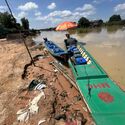
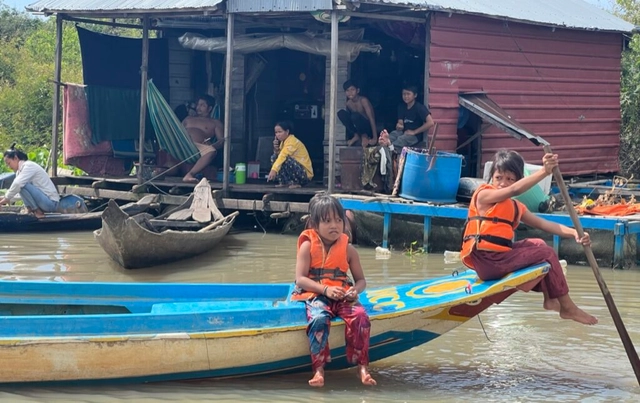
Lake Tonle Sap is a part of Cambodia’s inland water system that’s connected to the flooded forests that purify water and buffer communities from storms—an important benefit as climate change makes extreme weather more frequent. Every year from June to November, the Mekong Delta backs up into Lake Tonle Sap, creating water-depth fluctuations of up to 10 meters. The result is that land-based buildings are inundated during the rainy season, then refurbished and reoccupied again after the water recedes.