How to visualize architectural concepts in SketchUp using D5 Lite for faster design exploration.
How to visualize architectural concepts in SketchUp using D5 Lite for faster design exploration.
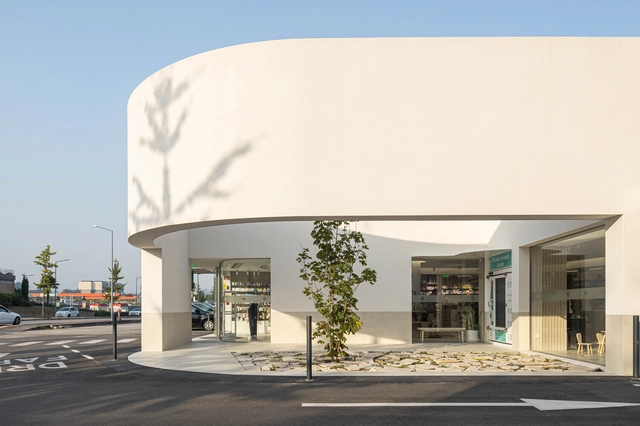
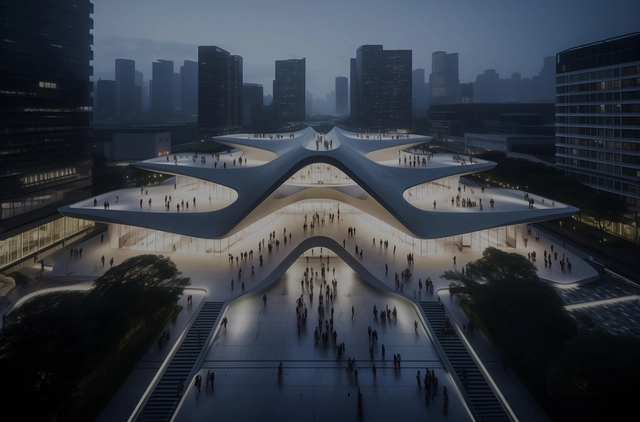
We are thrilled to announce our upcoming January workshops in collaboration with our ArchDaily Supporters partner, Parametric Architecture. These workshops have been thoughtfully curated to empower architects, designers, and enthusiasts by providing them with the latest insights and skills in the dynamic realm of parametric design. Guided by industry experts and visionaries, these immersive sessions will explore cutting-edge techniques, innovative tools, and practical applications, creating an inspiring and dynamic learning environment where participants can take their design expertise to unprecedented levels.
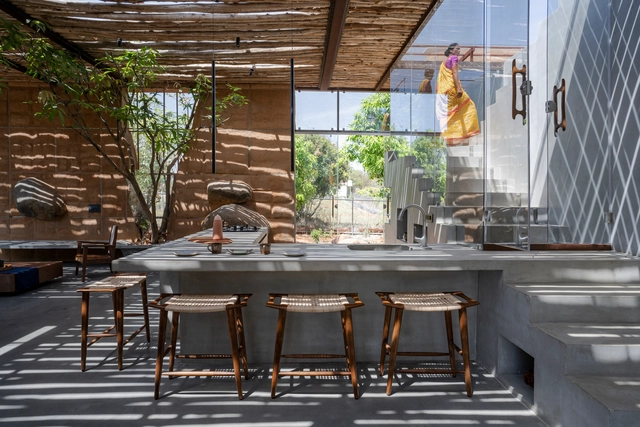
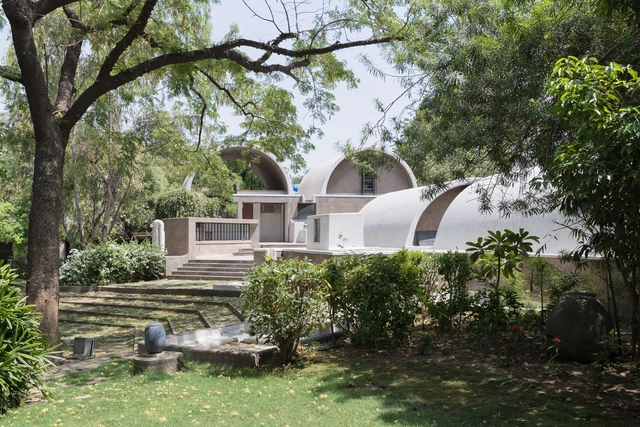
As we step into the new year, we take a moment to reflect on the lasting impact of celebrated architects, designers, and curators who passed away in 2023. This past year witnessed the departure of influential figures who, through their talent and dedication, left an indelible mark on the built environment. Some embarked on their careers with bold gestures that reshaped architectural paradigms, while others worked quietly, placing a profound focus on the human experience or the invisible figures of out profession.
This reflective pause allows us to acknowledge the enduring legacy of personalities such as India's first Pritzker Prize Laureate, Balkrishna Doshi, the tireless women’s rights advocate Beverly Willis, the first curator of the Venice Architecture Biennale, Paolo Portoghesi, writer, critic and curator Jean-Louis Cohen, and many more.
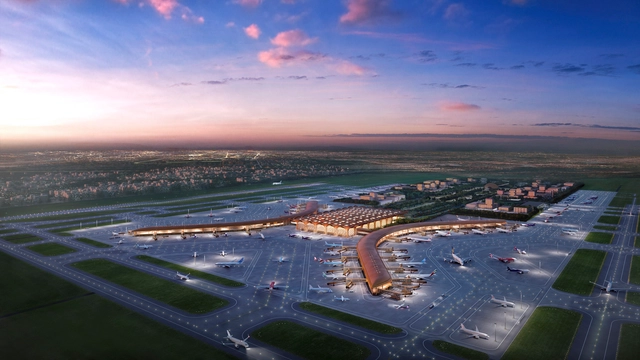
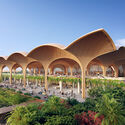
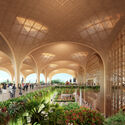
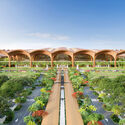
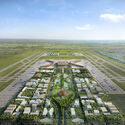
Construction is underway at the new Techo International Airport in Phnom Penh, Cambodia, designed by Foster + Partners. The project, located 20 kilometers from Cambodia’s capital city, draws inspiration from the vernacular architecture that defines the area, searching to provide adequate design solutions in response to the tropical climate. The commission, which was won following an international competition, includes the master plan for a new airport city in addition to the new terminal building.
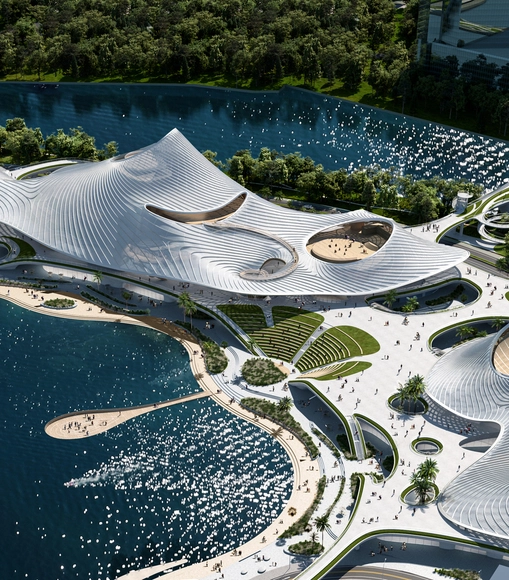
MAD Architects has revealed the designs for the Nanhai Art Center in Foshan City, Guangdong. Covering 59,445 sqm, the project features three main elements: a Grand Theater, a Museum, and a Sports Center. Aiming to encourage community and traditional culture, the center features a wave-like form with a new public gateway to the waterfront. Upon completion, the Art Center seeks to become a new waterfront public space blending social and creative aspects.
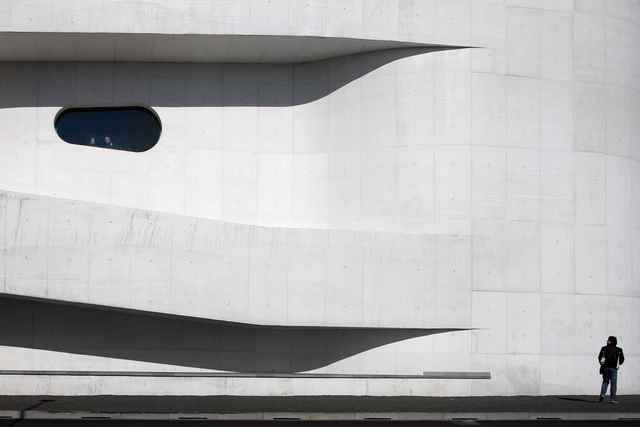
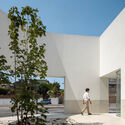
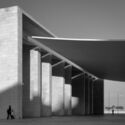
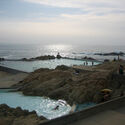
When it comes to contemporary Portuguese architecture, the initial association often leans towards tradition. The historical significance of the program, the importance of typologies for the locals, and the construction methods all play a role. These associations are not unfounded, but they are not limiting either. In this context, Portugal boasts a prominent figure who exemplifies this balance: Álvaro Siza Vieira.
Siza is the foremost representative of Portuguese architecture. There are many reasons for this distinction. It is not only because he was the first Portuguese architect to receive a Pritzker Prize in 1992 or for the Golden Lion at the Venice Biennale in 2012. It is not solely due to his extensive and prolific career. Above all, his unique and simultaneously universal approach to architecture sets him apart. His involvement on national and international fronts highlights a characteristic likely intrinsic to his nature: the ability to embody many facets within a singular entity, just like his compatriot Fernando Pessoa.
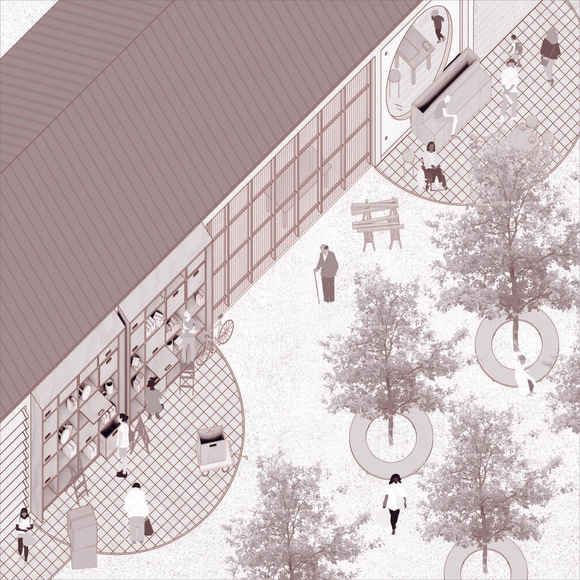
One of the most important challenges in architecture, when it comes to creating spaces that work for everyone, is the diversity that exists in people, their needs, and how to integrate them into a design. Disabilities are more than a condition; they are a way of living according to human diversity that requires architectural solutions of equivalent multiplicity.
According to data from the World Bank, it is estimated that 1 billion people –equivalent to 15% of the world's population– live with some type of disability. In the future, this percentage could increase considerably, given the global trend of aging populations. To face this growing challenge, architecture will have to adapt quickly, due to the role that built environments have in constituting a barrier or a path for the inclusion of people with different types of disabilities, seniors, as well as diverse groups who make up the human plurality.