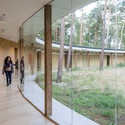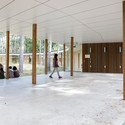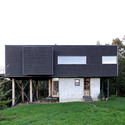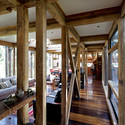


-
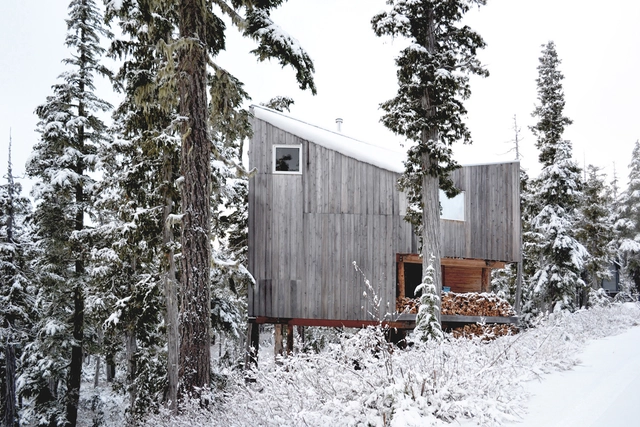
Architects: Scott & Scott Architects
- Area: 100 m²
- Year: 2013
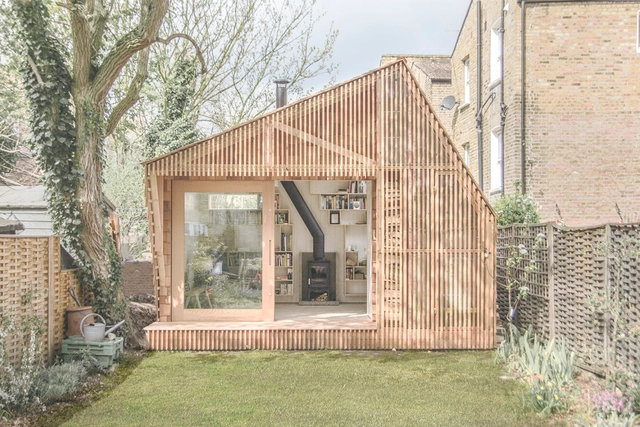
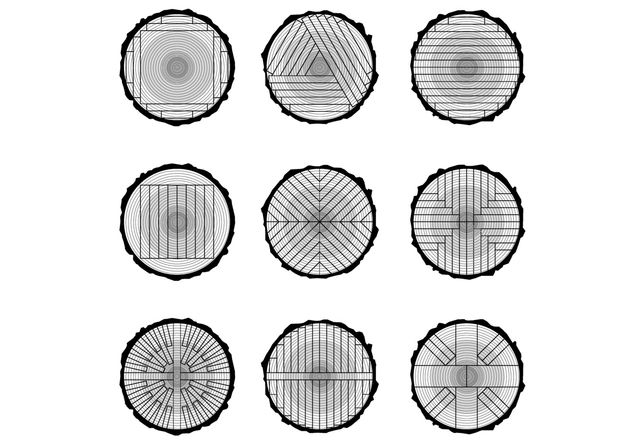
As wood is one of the most widely-used materials in the world, architects are accustomed to being able to easily obtain sawn wood at a nearby store. However, many of us know little about its manufacturing process and all the operations that determine its appearance, dimensions, and other important aspects of its performance.
The lumber we use to build is extracted from the trunks of more than 2000 tree species worldwide, each with different densities and humidity levels. In addition to these factors, the way in which the trunk is cut establishes the functionality and final characteristics of each wood section. Let's review the most-used cuts.

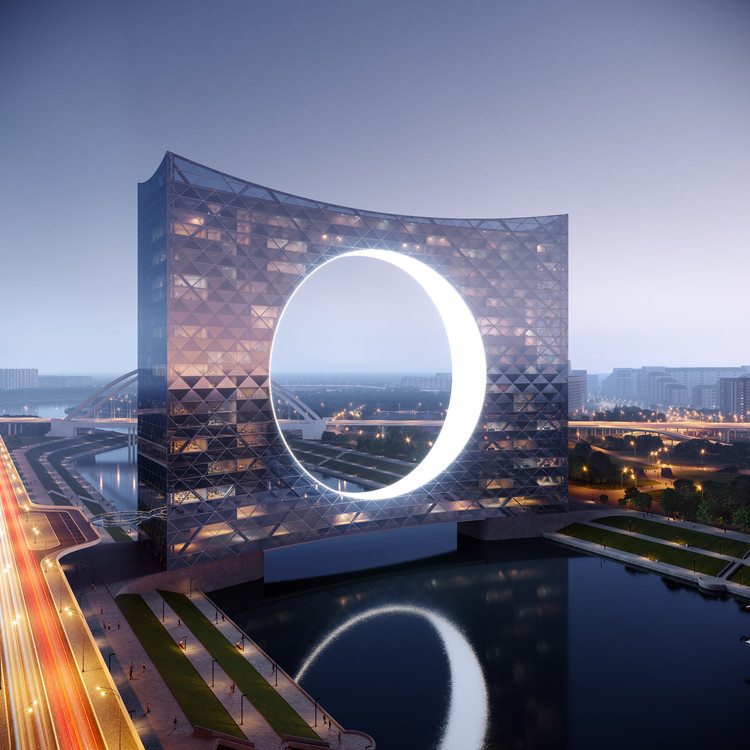
Rotterdam-based Fundamental Architects and Omega Render have designed an iconic high-rise and bridge over Ishim River in Kazakhstan. Made for the country's largest developer, BI GROUP, the 75.000 sq. meter mixed-use building is sited in the heart of Astana. Reaching a height of 121 meters over the river Ishim, the building is set to become a new home for residential, office, hotel and commercial functions as an infrastructural hub.

Scandinavian firm White Arkitekter has won an architectural competition for a landmark 12-meter-tall observation tower, hosted by the municipality of Varberg, Sweden. The winning proposal will form part of the development of the region’s new ecological recreation area at the Getterön nature reserve.

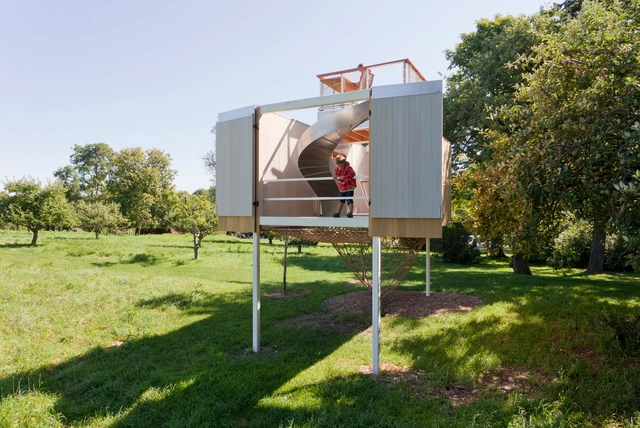
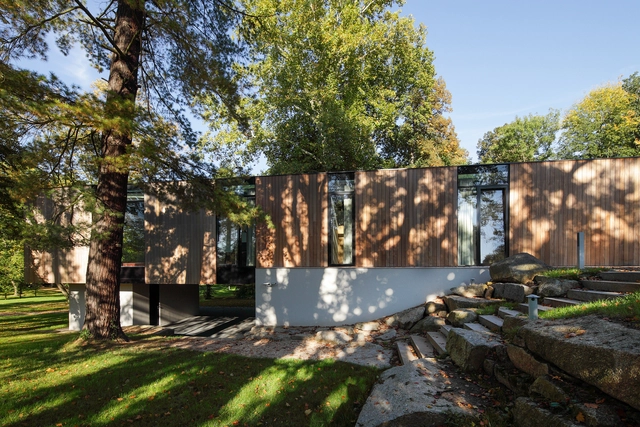
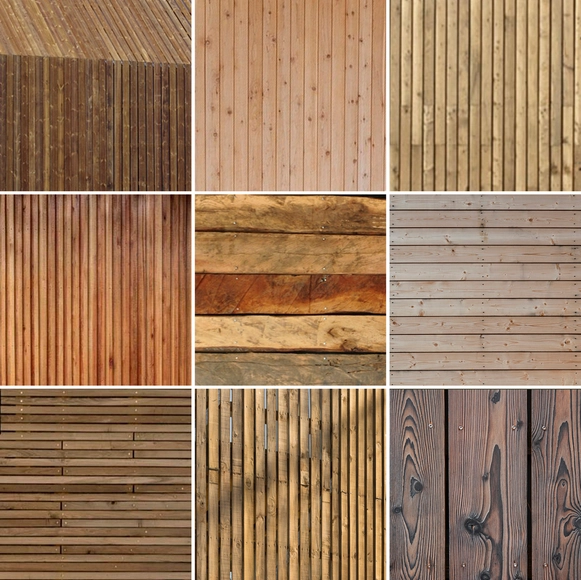
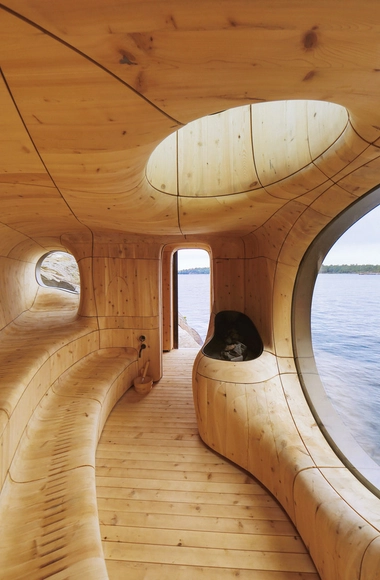
Over the course of history the unique characteristics of wood, which are dependent upon the species of the tree and the location in which it has grown, have enabled humanity to flourish in all parts of the globe. The architectural details of wooden construction therefore show a great diversity of meetings and joints, showing not only a project's constructive and structural logic, but also embodying the value and complexity of each project.
Take a look at these 50 construction details of projects that stand out for their clever use of wood.