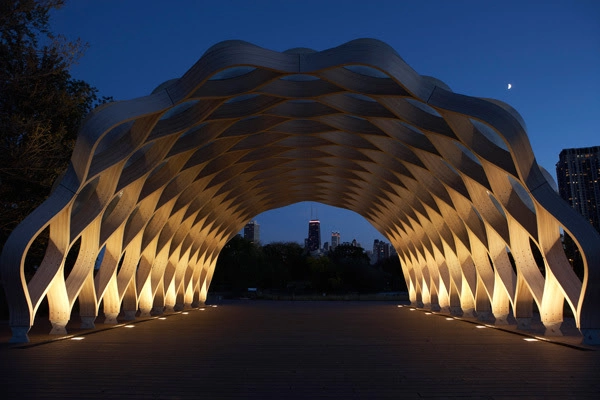
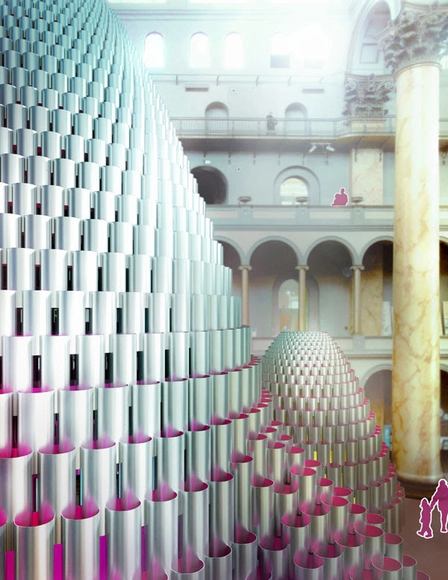
Previously home to a beach-like ball pit, a giant maze, and sea of icebergs, this summer the National Building Museum in Washington, D.C. will host the “Hive,” a 60-foot-tall domed structure made up of more than 2,700 individual paper tubes. Designed by Studio Gang, the installation is part of the museum’s Summer Block Party series, which invites architects to fill the building’s historic Great Hall with a temporary, immersive intervention.
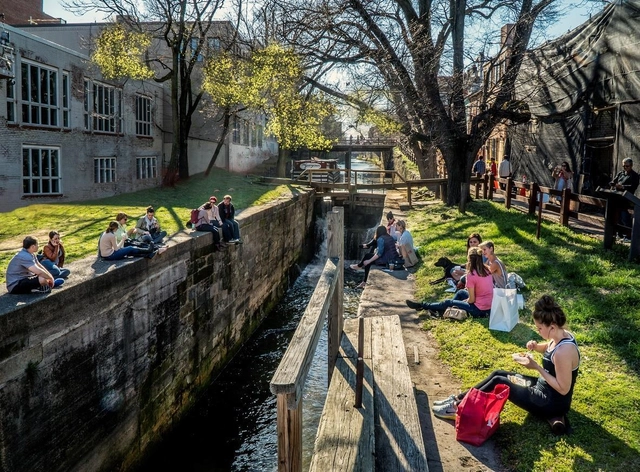
James Corner Field Operations, the urban design and landscape architecture firm behind the High Line in New York City, has been selected by Georgetown Heritage to complete a similar transformation of a historic canal in the Washington D.C. neighborhood of Georgetown. Working with the National Park Service and the D.C. Office of Planning, the team will design a comprehensive master plan for a one-mile section of the Chesapeake and Ohio National Historical Park (C&O Canal NHP) to update the site from a historic location into a community asset.
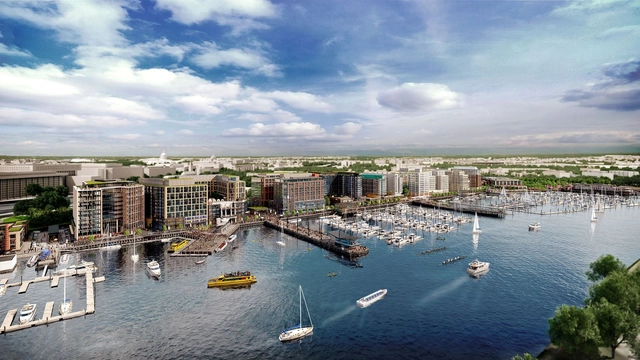
Eleven of the United States’ most prestigious architects have been selected by developers Hoffman-Madison Waterfront (HMW), to commence Phase 2 of The Wharf, a $2 billion neighborhood situated on the southwest waterfront of Washington D.C. The development is adjacent to the National Mall, spanning 24 acres of land and 50 acres of water.
“We have selected a diverse group of locally, nationally, and internationally renowned designers, knowing they will bring their talent and expertise to The Wharf, building a waterfront neighborhood that is an integral part of the city,” said Shawn Seaman, principal and Senior VP of Development at PN Hoffman.
https://www.archdaily.com/804824/eleven-practices-to-complete-2-dollars-billion-waterfront-development-in-washington-dcOsman Bari
The District of Columbia Public Library authority has unveiled a fly-through video tour of the final design for the renovation and intervention of its main downtown branch, the Martin Luther King Jr. Public Library. According to the architects, Mecanoo and D.C.-based Martinez+Johnson Architecture, it shows "a modern library that reflects a focus on people, while celebrating the exchange of knowledge, ideas and culture." Slated for reopening in 2020, the designs will add 9,300 square feet of additional space for the public, including a rooftop event space and a landscaped terrace.
Fifteen years ago, when I worked on the design of a high-performance museum, the concept was considered so unusual that the media questioned the very idea. The US Green Building Council (USGBC) had only very recently introduced its Leadership in Energy and Environmental Design (LEED) rating system, so much of the public wasn’t familiar with the concept. Over the following decade, it became more and more popular in every building type, including museums. A watershed year was 2008. The Water + Life Museums in Hemet, CA, became the first LEED Platinum museum, quickly followed by the California Academy of Science, which has been called “the world’s greenest museum.” The same year, the Grand Rapids Art Museum became the first LEED-certified art museum. By 2016, International Museum Day could highlight ten LEED-certified museums in the US alone.
This article, originally titled "The Space of Resistance," was originally published on Lance Hosey's Huffington Post blog. It is part of a four-part series about the Smithsonian National Museum of African American History and Culture.
The city can be a powerful form of political myth, and Washington, DC, is the premier example.
Political myths dramatize historical events for ideological purposes, in order to strengthen the authority of the status quo. For example, America’s Founding Fathers often are portrayed as motivated only by a virtuous desire for universal freedom and equality, a simplistic depiction that ignores the complex socioeconomic forces behind the Revolution. The National Mall, its buildings, and its monuments, are America’s foundation myth writ large in stone and space. Manfredo Tafuri called the image of the District of Columbia “a timeless, indisputable, completely ‘positive’ Olympus” whose creation “presupposed great optimism and was thoroughly opposed to any polemical doubt.”
In this sense, the city as political myth is ripe for protest, and the National Mall has been the site of many of the most important protests in American history. Most often, these events consist only of people gathering for demonstration. Sometimes, however, they involve building.
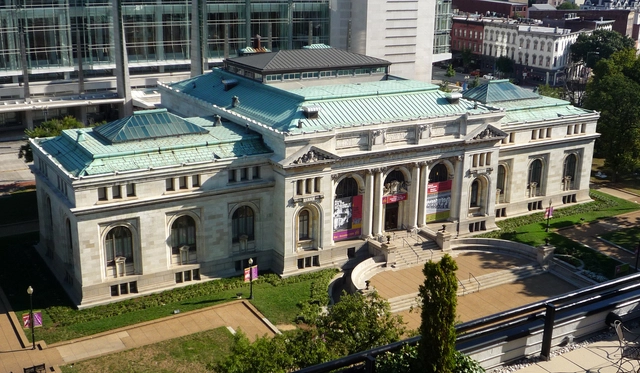
London’sFoster + Partners will likely design a flagship Apple store for the historic Carnegie Library at Mount Vernon Square in Washington, D.C., reports The Architect’s Newspaper. According to Events DC, Apple will lease a portion of the 63,000-square-foot building’s ground floor and basement levels in a ten-year lease, sharing the space with its existing tenant, The Historical Society of Washington.
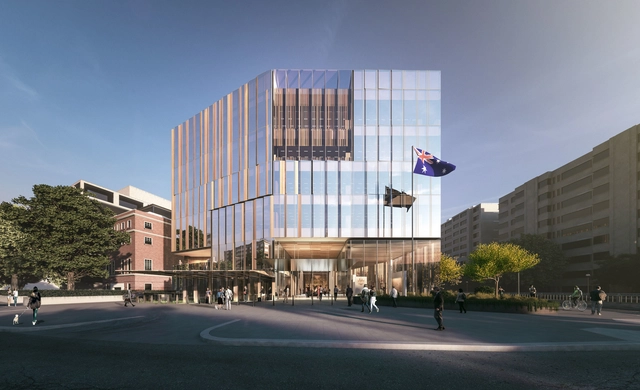
Morning View North of Entrance from Massachusetts Ave. Image Courtesy of Bates Smart
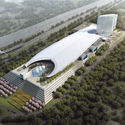
Australian office Bates Smart has unveiled their design for the new Australian Embassy to the United States to be located in the diplomatic heart of Washington, D.C. Developed in partnership with local firm KCCT, the new building will provide the embassy with a contemporary workspace with views to the White House.
The hotel is slated as one of the "20 Most Anticipated Hotel Openings of 2016" (Forbes.com). In addition to suites, the hotel has a casino, two-story conservatory with horticulture and entertainment, and a dining and shopping complex.
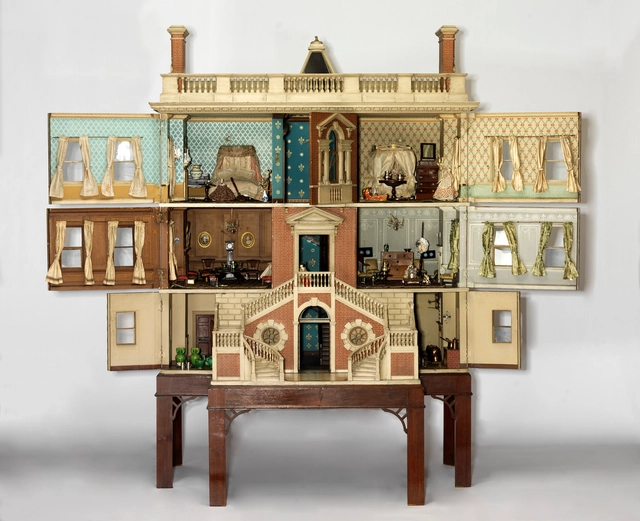
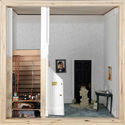
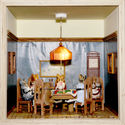
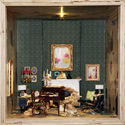
As part of a new exhibition at the National Building Museum in Washington D.C., twelve dollhouses tracing the history of British domesticity have been lent by London's Victoria & Albert Museum of Childhood. The show—Small Stories: At Home in a Dollhouse—spans 300 years and presents a miniature-sized, up-close-and-personal view of developments in architecture and design – from lavish country mansions, to an urban high-rise.
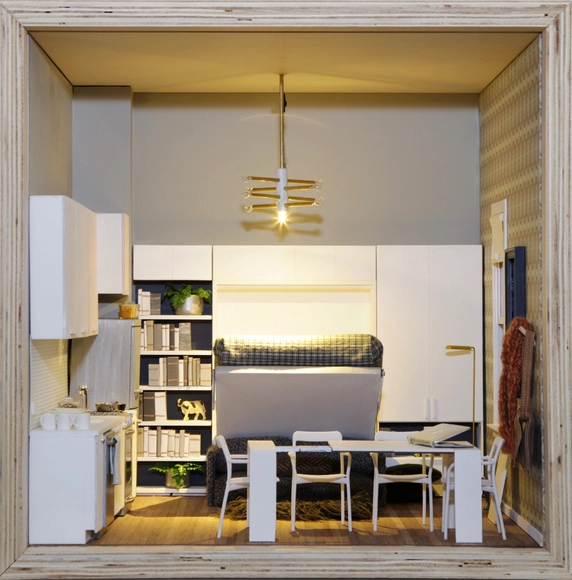
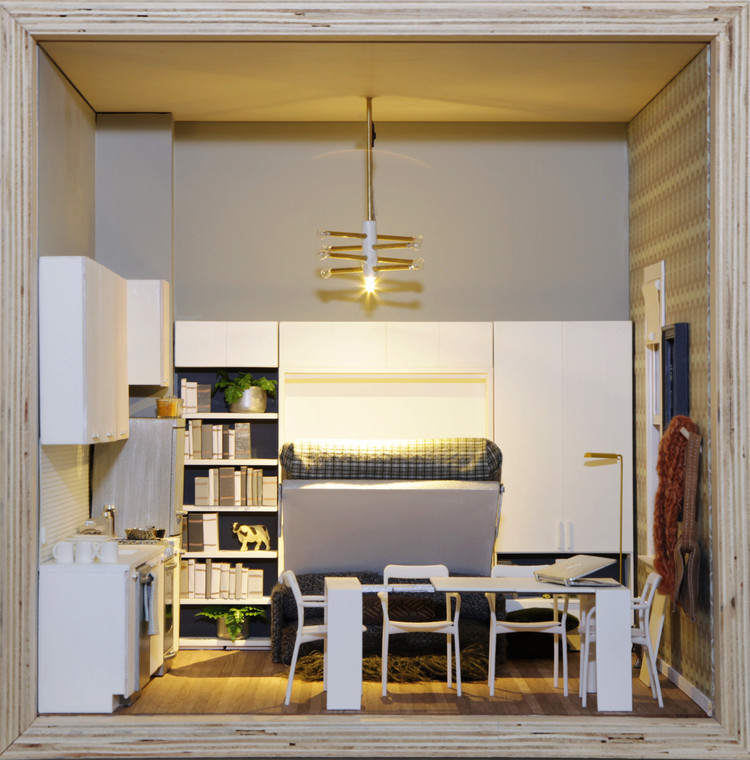
As part of a new exhibition at the National Building Museum in Washington D.C., a group of 24 American architects, designers and architects have been commissioned to create "dream homes" in the format of the contemporary dollhouse. Part of Small Stories: At Home in a Dollhouse, in which twelve historical dollhouses spanning the past 300 years from London's Victoria & Albert Museum of Childhood are being presented in the United States for the first time, these 21st Century interpretations intend to showcase a "diverse array of perspectives, demonstrating the limitless creativity of building in miniature."
“This national museum helps to tell a richer and fuller story of who we are,” said Obama. “It helps us better understand the lives, yes, of the president but also the slave, the industrialist but also the porter, the keeper of the status quo but also the activist seeking to overthrow that status quo.”
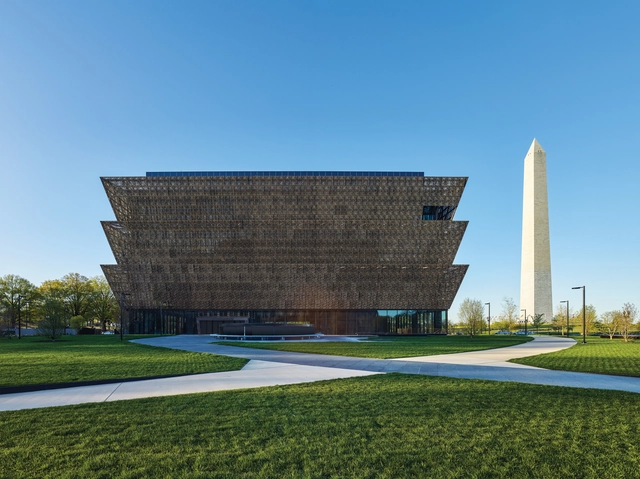
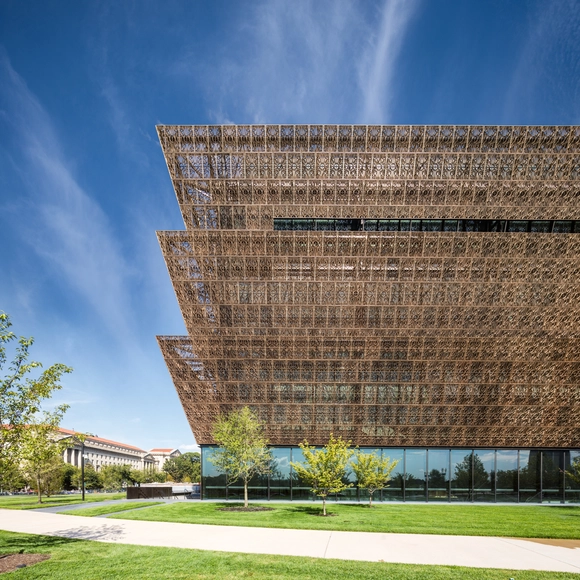
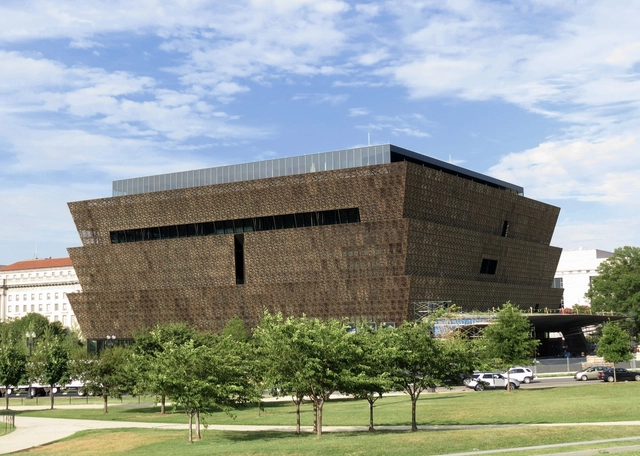
A century since the founding of the National Memorial Association and the start of a campaign by African-American war veterans for a monument of African American culture, the National Museum of African American History and Culture will finally be opened on September 24th. The Museum took $540 million and four years to build, resulting in a striking, and refreshingly unorthodox, architectural construction on Washington DC’s National Mall. The Freelon Adjaye Bond/SmithGroup JJR team, led by Ghanaian-British architect David Adjaye, defiantly broke the white-marble-Corinthian-column convention, opting instead for a bronze-coated aluminum façade bound to provoke a reaction from the critics.
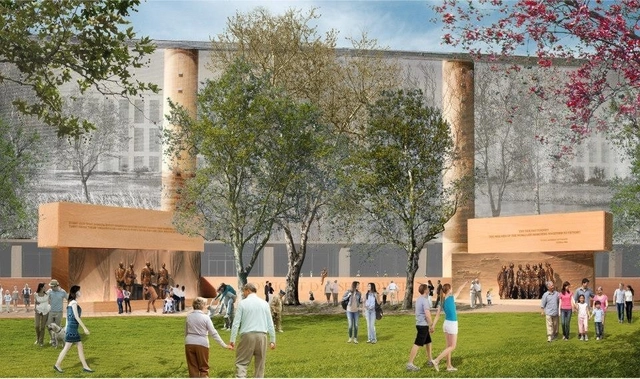
After years of steadfast disapproval of the proposed design for the Dwight D. Eisenhower Memorial in Washington, D.C., the Eisenhower family has finally voiced their support for the Frank Gehry designed park and monument – once a few more minor changes are made.
The 15-year-long process has already seen a multitude of design tweaks and revisions, but it appeared to have been decisively green-lit last summer following final approval by the National Capital Planning Commission (NCPC). In the past year, however, the project has once again stalled, as the Eisenhower Memorial Commission has struggled to find private donors following the withdrawal of congressional funding for the project in 2013.
Studio Gang has been selected to design next year’s installation of the Summer Block Party at the National Building Museum in Washington, D.C. The temporary exhibition will be the latest in the Museum’s annual series, after this year’s ICEBERGS by James Corner Field Operations, and previous installations like Snarkitecture’s The BEACH in 2015, and Bjarke Ingels Group’s BIG Maze in 2014.
It’s rare for an architect to have the opportunity to design a building in which symbolism and form are as important as function, if not more so. But this was the task given to David Adjaye when he won the commission to design the National Museum of African American History and Culture (NMAAHC), which, when it opens in September, will be the final Smithsonian institution to take its place on the National Mall in Washington, D.C. Adjaye, whose work is marked for its extreme sensitivity to context, found himself challenged in ways he had never been before. On the occasion of the completion of Adjaye’s Eugene McDermott Award residency at MIT, Metropolis editor Vanessa Quirk spoke with the architect about the new institution, its symbolic significance, and the blurry boundary between monument and museum.
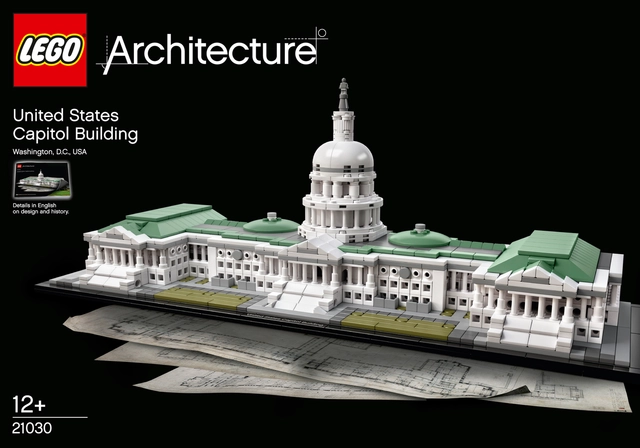
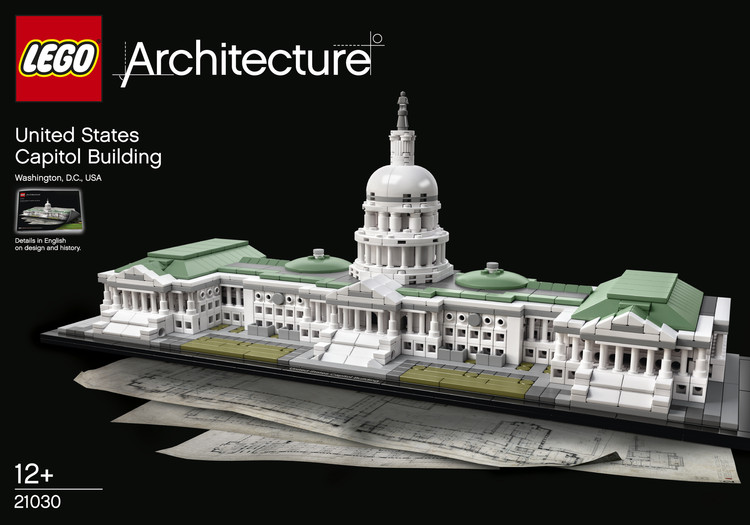
LEGO® has unveiled the newest kit in their Architecture series: The U.S. Capitol Building in Washington, D.C. Originally designed by architect William Thornton in 1793, the building has gone through several iterations, including the addition of its iconic white, cast-iron, neoclassical dome in 1866. The 1,032 piece LEGO® set portrays the building in its current form, with its “striking white, columned façade with its famous steps and lawns.” The kit also features a removable dome, which, when lifted off, reveals “a detailed interior depicting the famous National Statuary Hall, complete with columns, statues and tiled floor.”
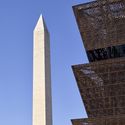
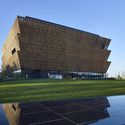
Photographer Paul Clemence of ARCHI-PHOTO has shared with us images of Adjaye Associates' nearly-completed Smithsonian National Museum of African American History and Culture. The building draws inspiration from the nearby Washington Monument, mirroring the 17-degree angle of its capstone in the museum’s tiered corona. Adjaye has described the building’s ornamental bronze lattice as “a historical reference to African American craftsmanship.” The skin can also be modulated to control the transparency and amount of sunlight reaching the interior spaces. The building will open to the public on September 24, 2016.




.jpg?1486133367 "Inside the lobby. Image © Mecanoo")