In recent weeks, cities around the world have introduced new policies, recovery efforts, and infrastructure projects that reflect growing pressure to adapt to climate realities. From Southern Europe to South America and the United States, these urban updates address both immediate challenges and long-term shifts in how the built environment is governed, designed, and inhabited. Some initiatives focus on regulation, tightening building codes in fire-prone areas or reforming aging safety systems, while others spotlight large-scale investments tied to global events such as COP30 and the Venice Architecture Biennale. This edition of Architecture Now gathers a selection of city-led actions and collaborative efforts that point toward a more resilient, responsive future for architecture and urban life.

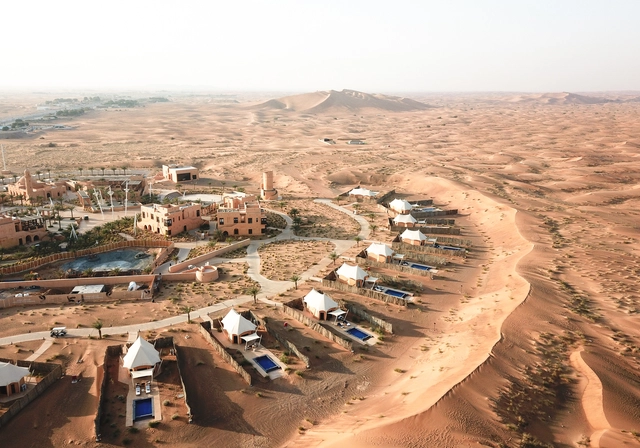
The Mysk Al Badayer Retreat in the desert outside Dubai, United Arab Emirates. Image Courtesy of Mysk Al Badayer Retreat
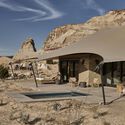
Set deep within some of the most isolated desert landscapes across the Middle East and further afield, these desert camp hotels offer a way to connect with their surroundings through the solitary experience of open and expansive scenery.
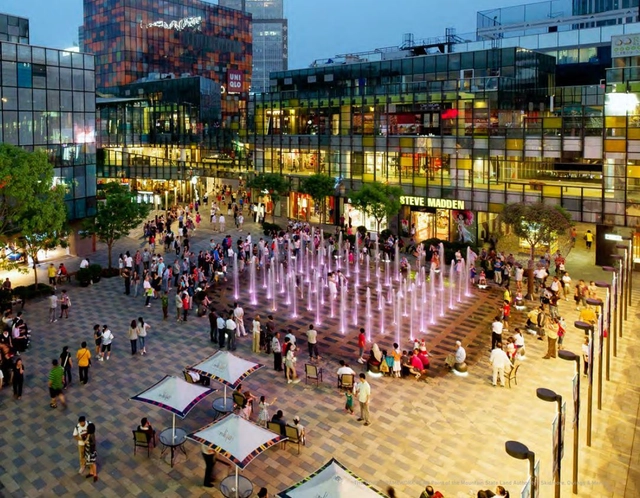
15-minute cities are a trending urban planning topic that has long been discussed academically and is now slowly being implemented across existing cities in Europe. But now, the first 15-minute city is being designed and built from scratch in Utah. Dubbed “The Point”, the new 600-acre city will be located just outside Salt Lake City, and will be a redeveloped former state prison site where new jobs, housing, public spaces, amenities, and transportation will serve almost 15,000 people in an attempt to explore a prototype for how innovative urban planning concepts can improve the public health and wellness.
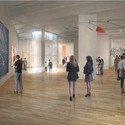
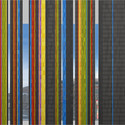
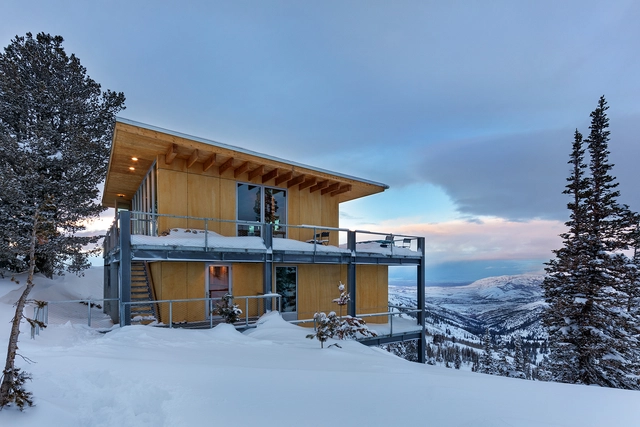
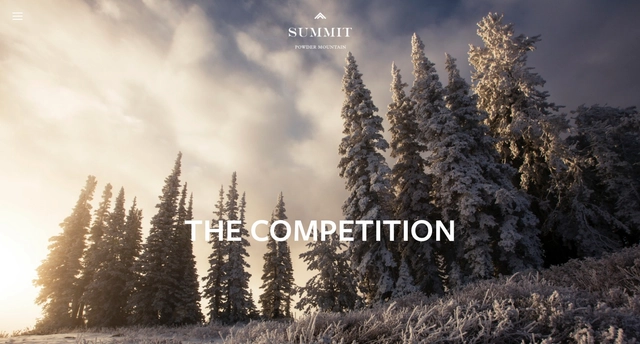
Utah-based community project Summit has announced Mountain Architecture Prototype (MAP), an SPM Design Competition, "to select the design of a cabin prototype in an effort to push forward the conversation around what it means to build responsibly at 8,400 feet in the Wasatch [Mountain] Range.”
The competition seeks submissions for a structure of up to 2,500 square feet, which will be located on a 12 degree sloped site at SummitPowder Mountain. Sustainable designs are highly encouraged, particularly with the use of natural materials.
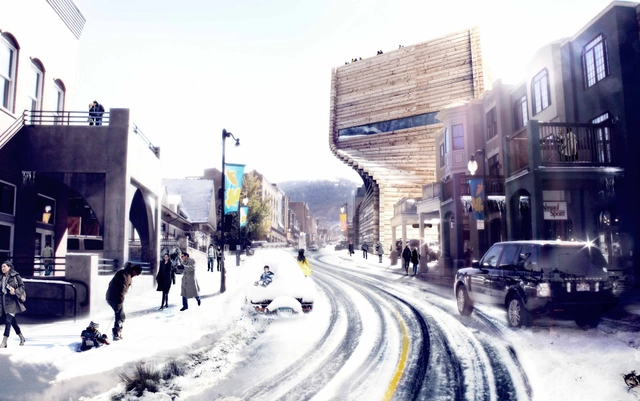
After producing major revisions on a previously rejected design, BIG have had their second design rejected for the Kimball Art Center in Park City, Utah. City Hall rejected the design on the basis of appearance, arguing that it did not relate to the historic city centre "aesthetically, visually or historically." The second design by BIG marked a complete departure from the original that was selected as the winner of an architectural contest hosted by the Kimball Art Center.
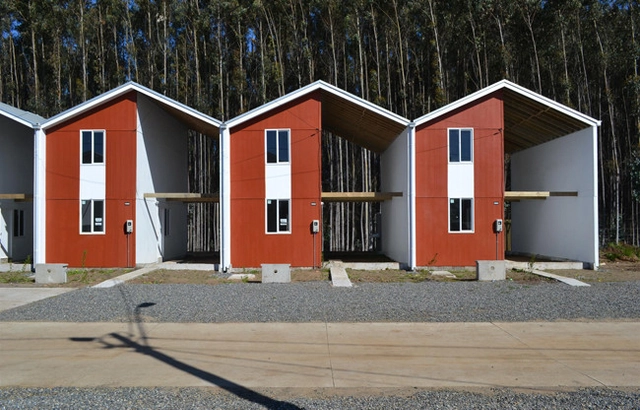
ELEMENTAL has developed a system in which half of each building would be constructed in a first phase – and the other half in a later second phase: allowing residents to incrementally invest in their own homes, made possible through public funding. Image Courtesy of ELEMENTAL
Despite rising poverty across the US, homelessness has decreased 69% in Utah over the past five years and is even expected to be eliminated this year, the Huffington Post reports. How has Utah found such success? By giving the homeless homes. While the answer may seem obvious, Utah is breaking ground with its Housing Works program, which gives the homeless affordable and permanent apartments on just one condition: that they be "good stewards."
The Kimball Art Center design proposal by Will Bruder+PARTNERS focuses on the nature of “exhibition” in the context of history. Taking a cue from the “colorful prehistoric petroglyphs and pictographs” of Utah’s canyons along with its abundance of formally expressive Victorian architecture, the proposal takes on the role of expression and education through color and craft. This sensitivity to the history and propogation of exhibition is instantly understood with the facade walls of Main and Heber Streets.
The Kimball Art Center in Park City, Utah is hosting a competition for a transformation of the “non-profit center for the arts in the heart of Park City’s historic and vibrant art community”. The list of architects competing to transform this cultural space is selective. Among them is Sparano + Mooney Architecture, an internationally recognized firm with offices in Park City, Utah and Los Angeles, California. The competition submissions for Stage II will be presented on February 2nd, but until then here is a preview of Sporano + Mooney’s Proposal!