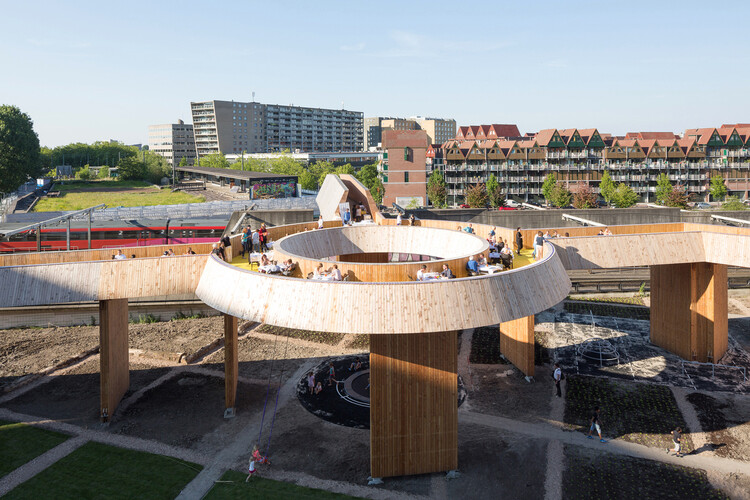
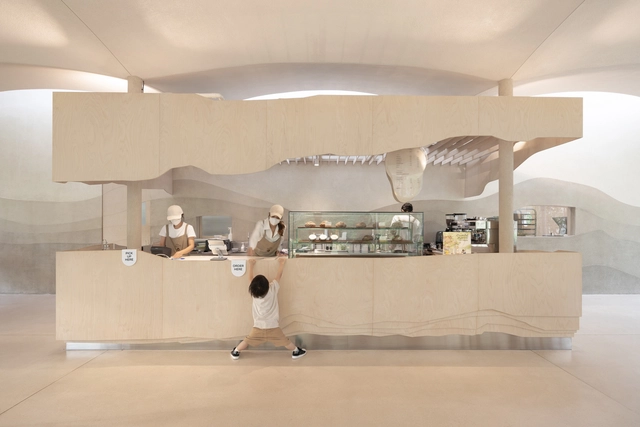
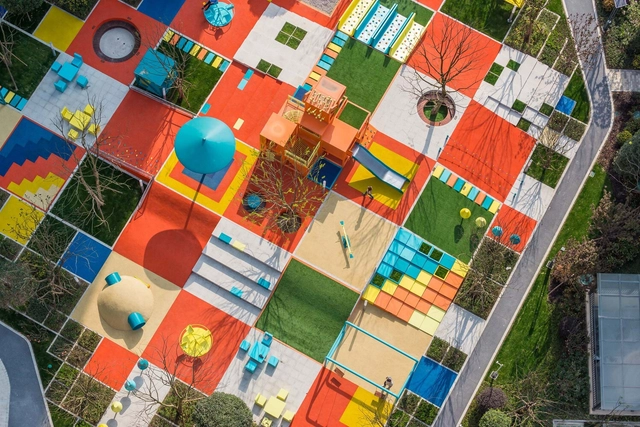
Coffee culture continues to thrive in the contemporary world, with a noticeable shift from the dominance of chains & franchise stores to a growing market for prosumer coffee. As more and more coffee consumers become prosumers, individuals who both produce and consume, they are turning coffee-making into a hobby, even a ritual, and are expecting coffee shops to keep up. Consumers are becoming more knowledgeable, paying close attention to the source and type of beans, brewing methods, and equipment. They also appreciate the design of coffee machinery, not just for its functionality but for its aesthetics, efficiency, and space management. This surge in interest, especially in Asia, has led to changes in coffee shops' operations. Many individual coffee shops, responding to the rise in consumer spending power and interests, are motivated to focus on creating unique, immersive experiences for an ever-growing marketable audience.
On the first Monday of October, World Architecture Day offers an opportunity to reflect on the role that architecture plays in shaping our world and our communities. Established by the International Union of Architects (UIA) in 1986, this day was designated as a basis for the ongoing discussions on innovations in architectural practice, new approaches to the ever-changing role of architects and designers, and the varied responses to emerging concerns.
As in previous editions, UIA sets a central yearly theme to guide these conversations. This year, the theme of World Architecture Day 2024, "Empowering the Next Generation to Participate in Urban Design," opens up multiple interpretations, contemplating the impact of urban design on the next generation, as well as highlighting the impact and contributions of young architects in shaping the cities of tomorrow. This year's event aims to address crucial challenges faced by the urban environments and their impact on the next generations. The focus is on creating cities that are not only greener and more environmentally friendly but also inclusive, catering to the diverse needs of various groups in society.
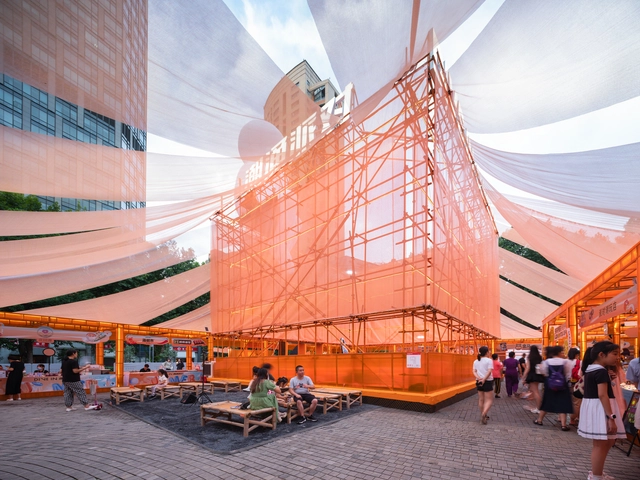
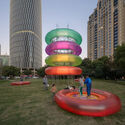
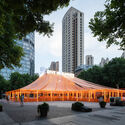
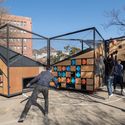
Ephemeral architectures, characterized by their temporary and flexible nature, have emerged as powerful tools for revitalizing urban spaces and fostering architectural creativity. These transient installations transform public areas, engaging communities, and prompting reflections on the potential futures of our cities. By temporarily transforming environments, ephemeral architectures encourage both architects and the public to reimagine the possibilities of urban living. This dynamic interplay, between the temporary and the permanent, challenges traditional architectural practices and opens up new avenues for sustainable and inclusive urban development.
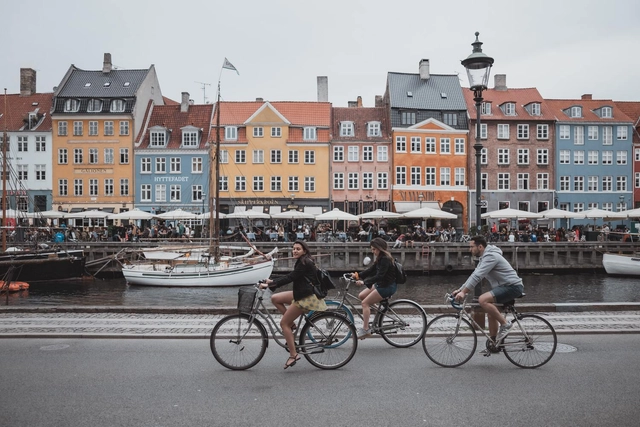
According to the World Happiness Report, Denmark has continually topped the survey of happiest countries for years. Copenhagen, the capital of Denmark, is known for its brightly colored waterfront buildings and radical contemporary architecture, both reflecting the joyful ethos of the city. The maritime metropolis is an urban designer’s favorite case study with its carbon-neutral infrastructure, pedestrian and bike-friendliness, and thriving public realm.Danish designers have cracked the code to build happier cities, leaving plenty of models to learn from.
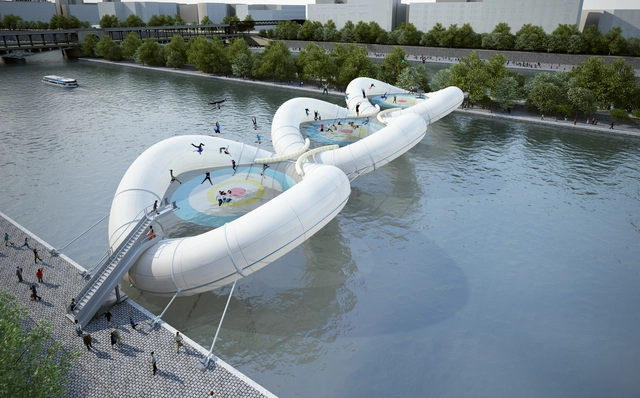
Trampoline Bridge / AZC Architects. Image Courtesy of AZC Architects
Humane cities center around the relationships between people and places. Communities thrive on shared resources, public spaces, and a collective vision for their locality. To nurture happy and healthy cities, designers and the public apply methods of placemaking to the urban setting. Placemaking—the creation of meaningful places—strongly relies on community-based participation to effectively produce magnetic public spaces.
Join Michael Laris and Missy Benson ASLA of Playworld as they explore the design processes of two very different urban play solutions: PlayCubes (originally designed by Richard Dattner FAIA in 1969) and PlayForm7, both featured as part of Extraordinary Playscapes, currently on view at BSA Space.
Featured in Extraordinary Playscapes, the summer exhibition at BSA Space, The Plas Madoc Adventure Playground in Northern Wales is one of the world’s newest adventure playgrounds. Fondly known as "The Land," it employs some of the play movement’s oldest "junk" philosophies.This new documentary explores a place where old tires and dumpster detritus take the place of swing sets and slides, and is “a must-see for anyone interested in play work, or play, period.” (Amy Fusselman, "Savage Park”)
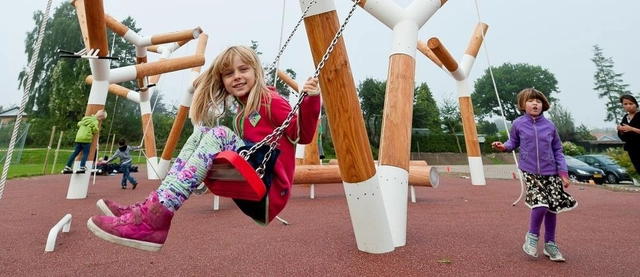
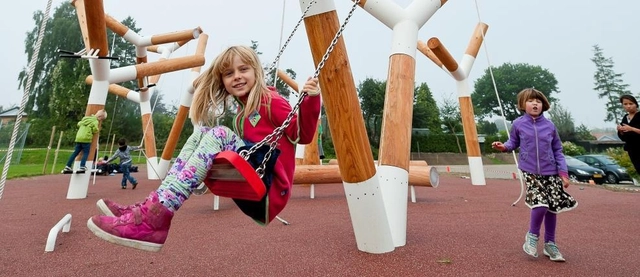
Image: The Pulse Park, Denmark, CEBRA. Photo by Mikkel Frost.
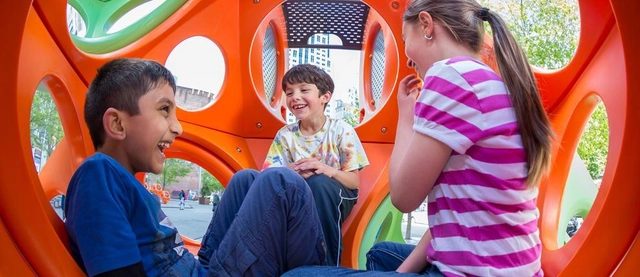
Playgrounds are spaces where children and adults can have fun together. They also play an important role in the development of social and problem-solving skills. Explore the way playground design can improve the quality of life for children and families through a tour of the exhibition Extraordinary Playscapes and then design and build the perfect playscape for your neighborhood.
This program is in partnership with Design Museum Boston.
Image: The Pulse Park, Denmark, CEBRA. Photo by Mikkel Frost .
By examining the history and science of play—including 40 notable examples of playground design by international leading experts—this exhibition will explore how designers translate play objectives into innovative environments. Curated by Design Museum Boston, the exhibition highlights include public programs with playscape design experts, workshops for adults and children, and a Playground Passport that will promote play spaces in the neighborhoods of Boston.
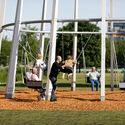
In Boston, playgrounds are no longer just for kids. Twenty LED-lit circular swings have been installed outdoors as a part of "Swing Time," Boston's first interactive sculpture installation. The hanging, glowing orbs are a twist on traditional rubber-and-rope swings, dangling from a minimal steel structure similar to those used in conventional playgrounds. LED lights embedded in the swings activate and change color as each swing moves, returning to a dim white light when static. The piece is designed to blend Boston's design community with its expanding technology sector while playfully engaging residents.
Take a seat in "Swing Time" with more photos and info after the break.
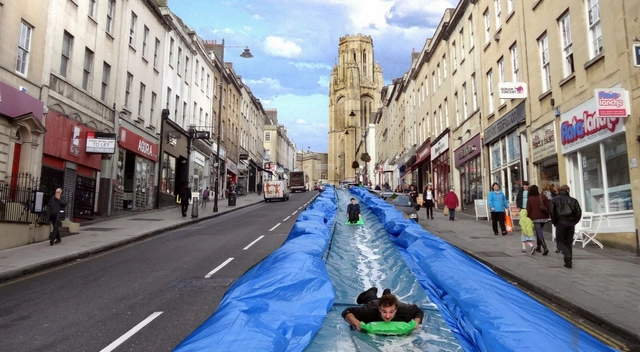
Who says that playing is just for kids? Bristol, in the United Kingdom, is just one of the many cities around the world experimenting with urban play, creating opportunities to eliminate urban solitude in favour of having fun. In a recent article in The Guardian, Julian Baggini dives head first into Bristol's playful new initiatives including a 300-foot water slide on the city's high street, post boxes that converse using text messaging, and city-wide zombie chases. Bristol is leading the way with urban play worldwide, hosting a conference this month entitled Making the City Playable, an opportunity for planners to convene with the creative minds behind the new form of entertainment. Find out more about urban play and the benefits it brings to cities here.