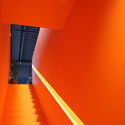
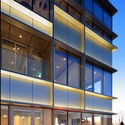
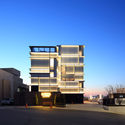
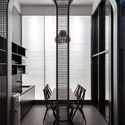
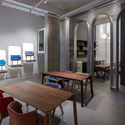
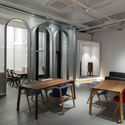
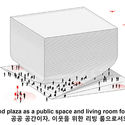
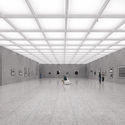
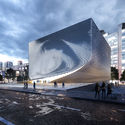
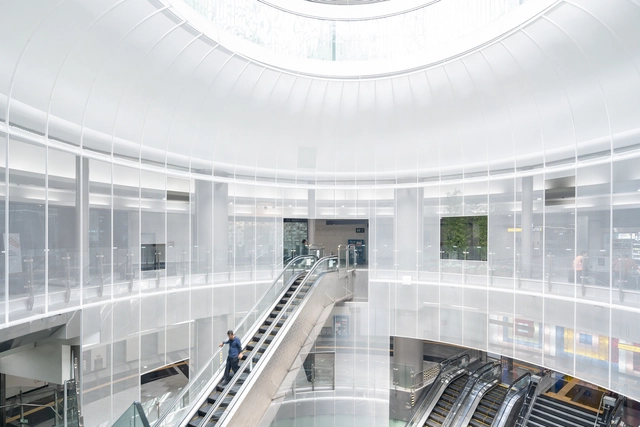
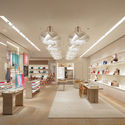
.jpg?1482144386)
-
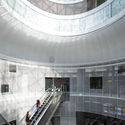
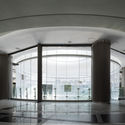
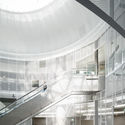
Architects: Betwin Space Design
- Area: 109 m²
- Year: 2016
-
Manufacturers: Hankook, Seogwang
-
Professionals: Second Hotel, Betwin Space Design
.jpg?1482144386)

Emporis has announced the results of its annual Emporis Skyscraper Award, recognizing the best new supertall buildings completed in the previous year. This year, the top prize was given to the Lotte World Tower in Seoul, South Korea, designed by Kohn Pedersen Fox Associates and Baum Architects. The tapered tower, South Korea’s tallest, also houses the world’s highest glass-bottomed observation deck, for architects who can handle the 1820-foot (555-meter) drop.


This article was originally published by Metropolis Magazine as "A Once-Maligned Concrete Megastructure in Seoul is Revitalized - Sans Gentrification".
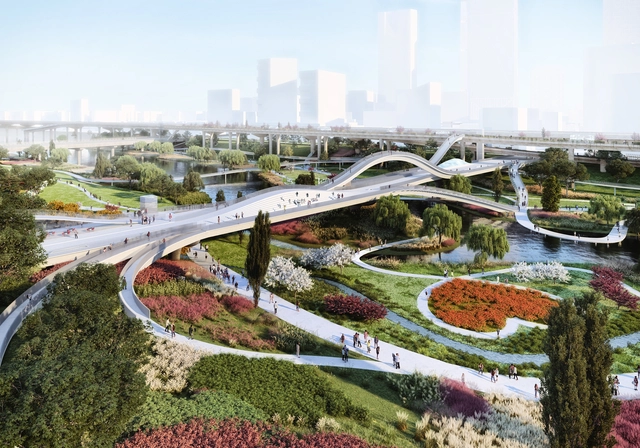
Upon its completion in 1966, Sewoon Sangga, designed by prominent South Korean architect Kim Swoo-geun, was a groundbreaking residential and commercial megastructure consisting of eight multistory buildings covering a full kilometer in the heart of Seoul. Like other futuristic projects of the decade, it was conceived as a self-contained city, complete with amenities that included a park, an atrium, and a pedestrian deck. But construction realities crippled Kim’s utopian vision, compromising those features. By the late 1970s, Sewoon Sangga had shed residents and anchor retail outlets to newer, shinier developments in the wealthy Gangnam district across the river. Between Sewoon’s central location and plunging rents, the building became a hub for light industry—as well as illicit activity.


Designers Studio Ohk have released details of their architecturally-inspired “Urban Soaps” range, reflecting built fragments of the South Korean capital Seoul. The four designs reference traditional and modern architectural elements in Seoul through their shapes and colors, “curated and blended by the team to highlight the city’s personality.”
The products began with an idea of “delivering regional stories, images, and experiences through an accessible medium” with soap chosen ultimately for its flexibility, and its appeal to multiple senses, such as sight, scent, and touch.

The downtown skyline of a city is perhaps its most symbolic feature. The iconic cityscapes that we know and love are typically formed by skyscrapers, but much of the surrounding context is made up of other high-rise buildings. Yes, there is a difference between a skyscraper and a high-rise. Research company Emporis defines a high-rise as a building at least 35 meters (115 feet) or 12 stories tall. These high-rise buildings play a major role in the more sprawled urban context of larger cities today.
Read on for Emporis' list of the 20 cities in the world with the most high-rises. You might be surprised by which cities made the cut.


Built before the 1988 Summer Olympics, the Seoul Olympic Stadium in the Korean capital city’s Songpa District remains an active and treasured institution. Designed by Kim Swoo-geun, the stadium represents a significant moment in Korea’s modern history and remains a venue for large concerts and the home of Seoul E-Land FC.
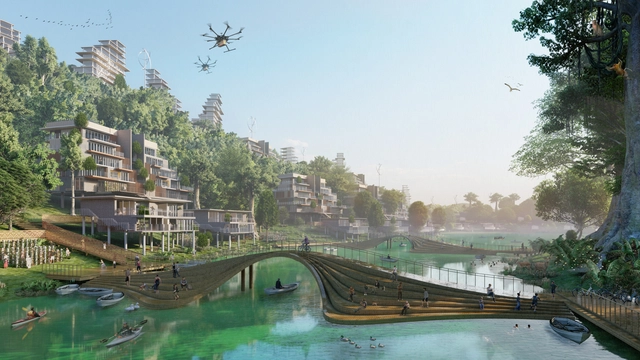
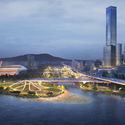
While the Olympic Stadium itself will stand visibly intact in its original form, this spring the Korea National Urban Planning Association staged a competition for a new design of the Jamsil Sports Complex, which includes several sporting venues and buildings adjacent to the stadium, as well as almost 160,000 square meters of total area. Following the deadline earlier this month, the jury has announced NOW Architects in collaboration with NBBJ and SAMOO, as the winners of the competition.