.jpg?1593674844&format=webp&width=640&height=580)
Sao Paulo: The Latest Architecture and News
Líder Store / FGMF
.jpg?1593675621 "© Rafaela Netto")
.jpg?1593675459 "© Rafaela Netto")
.jpg?1593675657 "© Rafaela Netto")
.jpg?1593675585 "© Rafaela Netto")
.jpg?1593674844)
https://www.archdaily.com/942911/lider-store-fgmf-arquitetosValeria Silva
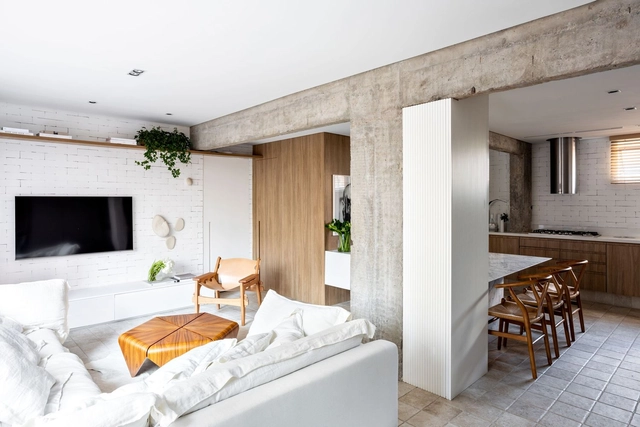
VM Apartment / NJ+ Arquitetos Associados





-
Architects: Nildo José
- Area: 93 m²
- Year: 2018
-
Manufacturers: Caesarstone, Portobello
https://www.archdaily.com/953759/vm-apartment-nj-plus-arquitetos-associadosAndreas Luco
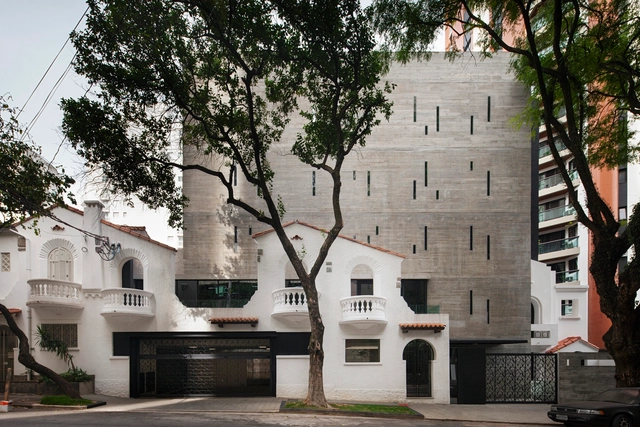
Blumenthal Building / Kruchin Arquitetura


-
Architects: Kruchin Arquitetura
- Area: 2662 m²
- Year: 2020
-
Manufacturers: JHenrique azulejaria, Ser-Cop
https://www.archdaily.com/954129/blumenthal-building-kruchin-arquiteturaValeria Silva
"Brazil is Synonymous with Inequality": Aerial Images Reveal Wealth Gap in Brazilian Cities
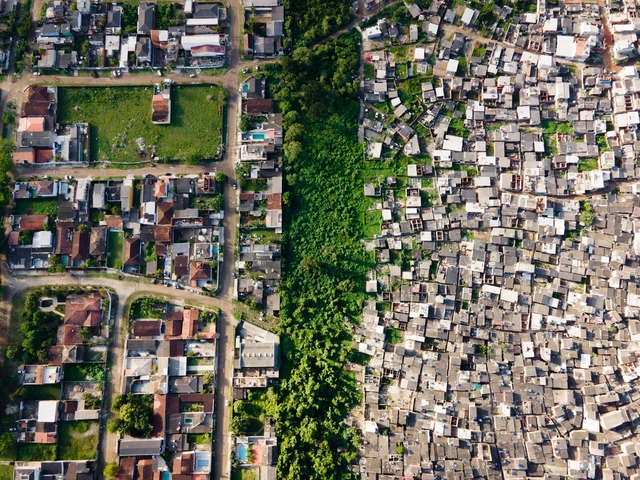


Most people are familiar with the concept of social and economic inequality, but although it affects a large part of the world's population, it is still somewhat abstract for many people. Photographer Johnny Miller intends to make it visible through his project Unequal Scenes, capturing images of spatial inequality from a very revealing perspective: aerial imagery.
The project started in South Africa, a country that is socially and spatially marked by apartheid, and now has been taken to Brazil to document scenarios in which extreme poverty and wealth coexist within a few meters, showing how distance is not only a measurement of physical length but can also imply more complex aspects, deeply rooted in our society.
https://www.archdaily.com/953984/brazil-is-synonymous-with-inequality-aerial-images-reveal-wealth-gap-in-brazilian-citiesRomullo Baratto
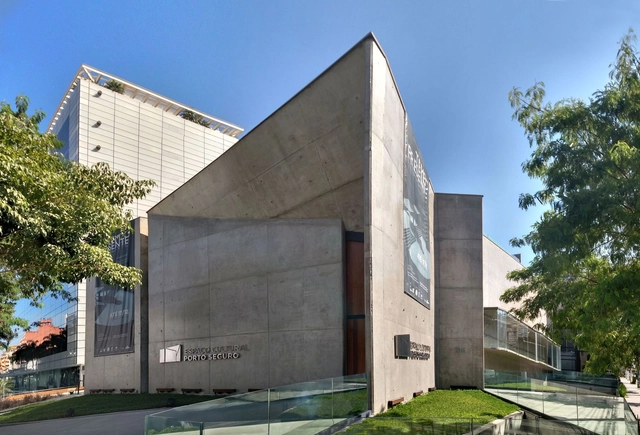
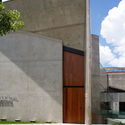
Porto Seguro Cultural Center / Yuri Vital




-
Architects: Miguel Muralha, São Paulo Arquitetura, Yuri Vital
- Area: 3800 m²
- Year: 2016
-
Professionals: JKMF Engenharia, Kurdjian Fruchtengarten Engenharia, Teixeira Duarte SA
https://www.archdaily.com/786298/porto-seguro-cultural-center-sao-paulo-arquiteturaDaniela Cardenas
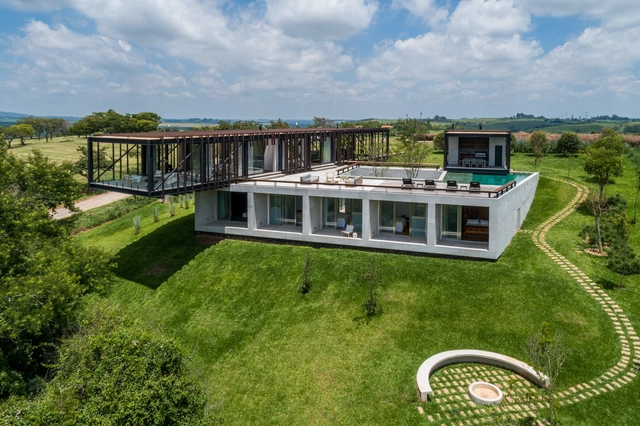
Cigarra House / FGMF

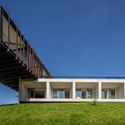

https://www.archdaily.com/953709/cigarra-house-fgmf-arquitetosPilar Caballero
Expansion of Apartment in Brazil Building / Alvorada Arquitetos




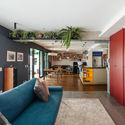

-
Architects: Alvorada Arquitetos
- Area: 50 m²
- Year: 2020
https://www.archdaily.com/952773/expansion-of-apartment-in-brazil-building-alvorada-arquitetosAndreas Luco
"Transdisciplinarity Is Essential to Architecture": An Interview with Office Vão
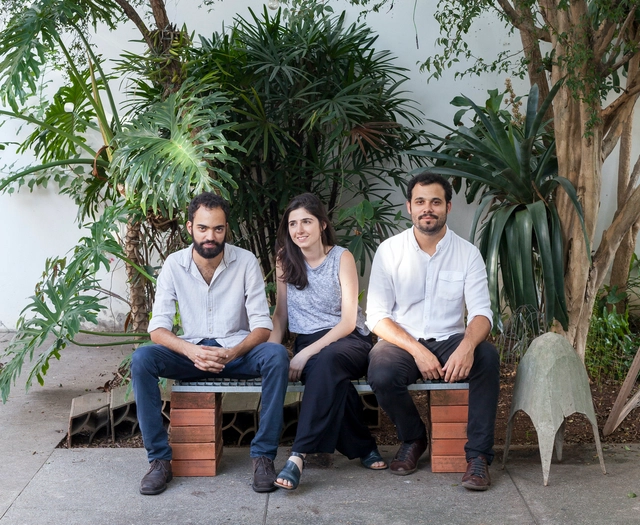
Vão is a transdisciplinary architecture office based in São Paulo, Brazil, created in 2013 by Anna Juni, Enk te Winkel, and Gustavo Delonero. The office operates in a territory between fields, exploring multiple subjects and scales ranging from art installations to residential architecture, as well as cultural, commercial, and corporate facilities, seeking to dissolve or push the boundaries between disciplines to enhance architectural thinking and practice.
Recently we had the opportunity to talk with the team partners about some of the topics that shape the firm's approach and also look deeper into some of the group's best-known projects. You can read the interview below.

https://www.archdaily.com/953062/transdisciplinarity-is-essential-to-architecture-an-interview-with-office-vaoRomullo Baratto
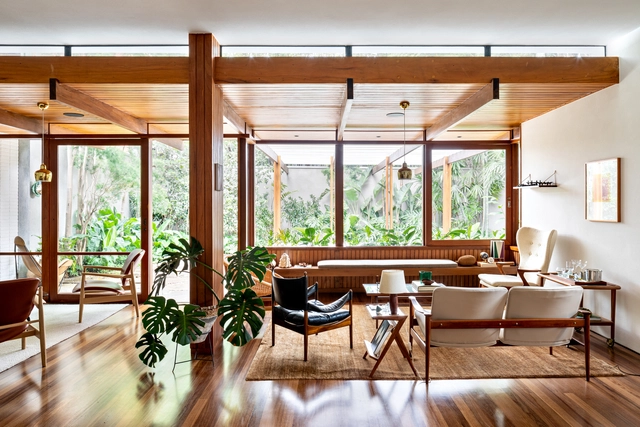
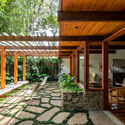
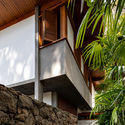
Thompson Hess House / Felipe Hess Arquitetos

.jpg?1607530226)

-
Architects: Felipe Hess Arquitetos
- Area: 4305 ft²
- Year: 2020
https://www.archdaily.com/952980/thompson-hess-house-felipe-hess-arquitetosPilar Caballero
Ícaro de Castro Mello's Ibirapuera Sporting Arena Could Be Converted Into a Shopping Center
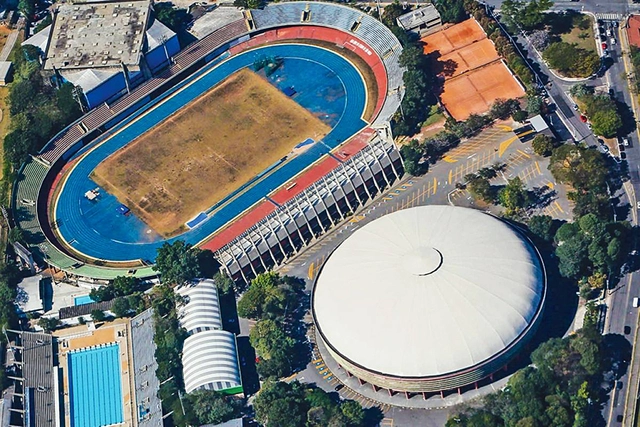
For the past few weeks, there has been concern that the Ginásio do Ibirapuera, an indoor sporting arena located in São Paulo, Brazil, designed by architect Ícaro de Castro Mello, may be converted into a shopping, entertainment, and gastronomic center. This could be the fate of the building, which is of notorious historical significance if the private sector sets in motion the financial modeling report for the Ibirapuera Park concession, articulated by the São Paulo State Government.
https://www.archdaily.com/952909/icaro-de-castro-mellos-ibirapuera-sporting-arena-could-be-converted-into-a-shopping-centerRomullo Baratto
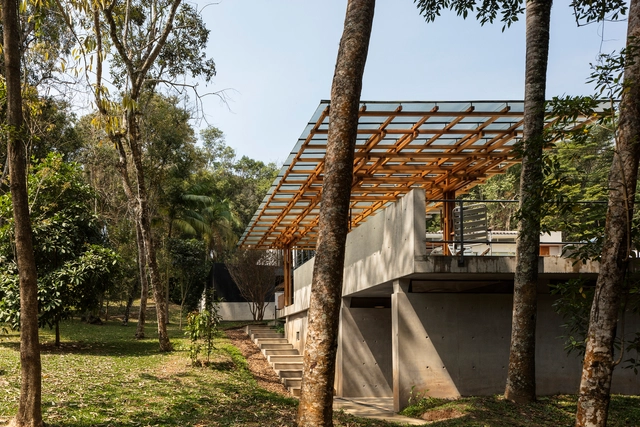
Ibiuna House / Metro Arquitetos Associados


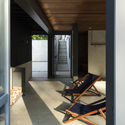
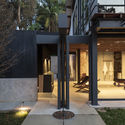

https://www.archdaily.com/952726/ibiuna-house-metro-arquitetos-associadosPilar Caballero
Pantera Filmes Studio / Matú Arquitetura


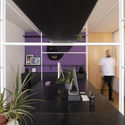



-
Architects: Matú Arquitetura
- Area: 30 m²
- Year: 2019
-
Manufacturers: Cremme, Jardim do Centro, Plume, Traccia Mobile
https://www.archdaily.com/952090/pantera-filmes-studio-matu-arquiteturaValeria Silva
Light House / Studio Guilherme Torres




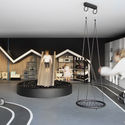

-
Architects: Studio Guilherme Torres
- Area: 1226 m²
- Year: 2020
https://www.archdaily.com/952000/light-house-studio-guilherme-torresPilar Caballero
Itsu São Paulo Store / Terra e Tuma Arquitetos Associados
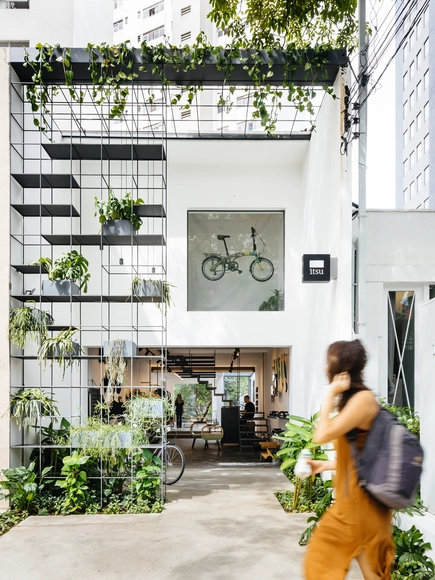





-
Architects: Terra e Tuma Arquitetos Associados
- Area: 1776 ft²
- Year: 2018
-
Manufacturers: GstarSoft
https://www.archdaily.com/951992/itsu-sao-paulo-store-terra-e-tuma-arquitetos-associadosPilar Caballero
Escritório Populos / Superlimão
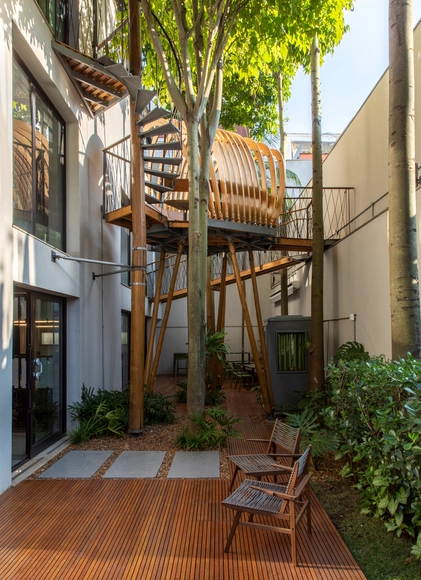
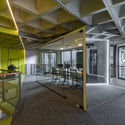


https://www.archdaily.com/951819/escritorio-populos-superlimaoValeria Silva
DF House / Studio Guilherme Torres
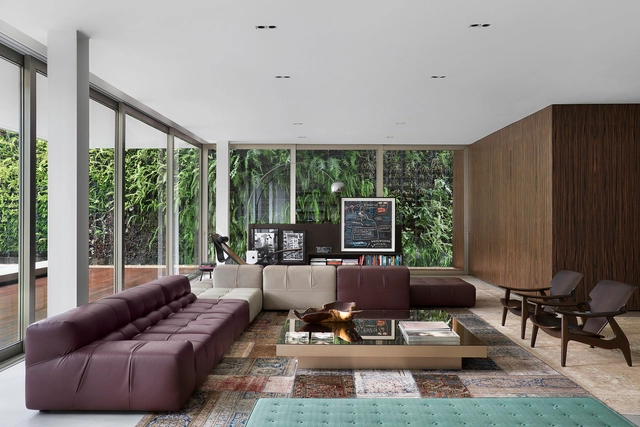
-
Architects: Studio Guilherme Torres
- Area: 1290 m²
- Year: 2018
https://www.archdaily.com/951558/df-house-studio-guilherme-torresAndreas Luco
Bohemian Interiors: the Architecture of Bars in São Paulo

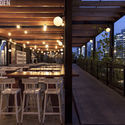
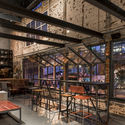
São Paulo has a vibrant nightlife, either by nature or due to the lack of other attractions, offering as many possibilities as its population of more than 12 million people. Therefore, bars have become the favorite spots for residents from all over the city, living in the east, west, north, and south.
We have selected a few projects of bars already published in ArchDaily that represent a sample of this bohemian architecture that so many inhabitants of São Paulo are used to – an architecture that is all about remodeling, socializing, gathering, and bonding in intimate spaces.

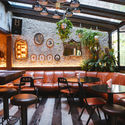
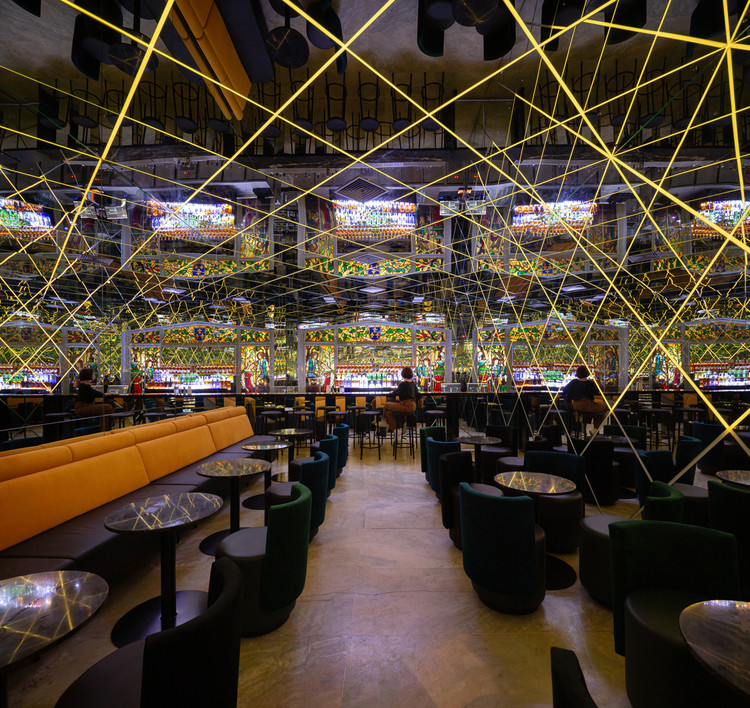
https://www.archdaily.com/951301/bohemian-interiors-the-architecture-of-bars-in-sao-pauloRomullo Baratto
The Value of an Address: How Cities Around the World Utilize Street Names and Building Numbers
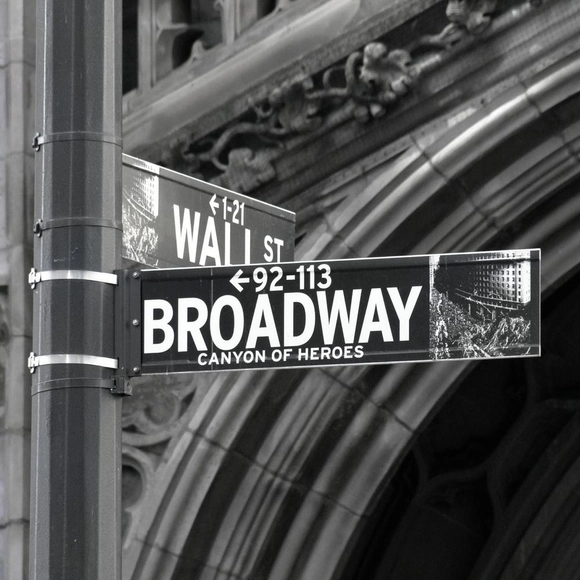
In cities across the United States, an address is more than just a street name or a building number- but a brand that translates directly into a symbol of wealth and prestige. Take the tallest residential tower in the country, 432 Park Avenue in New York City, which doesn't actually sit quite on park avenue. Instead, it’s neighboring lot to the east sits on Park Avenue, and this mega structure actually faces 56th avenue- a significantly less iconic street. However, this inflated valuation doesn’t happen everywhere. Cities in other countries don't place the same weight on an address and refer to buildings or locations as landmarks or by their appearances, which doesn't force a high monetary value based on an address or a marketing scheme alone. How do places in the world differ in how they brand buildings and streets in cities, and what does that tell us about their urban culture?
https://www.archdaily.com/950995/the-value-of-an-address-how-cities-around-the-world-utilize-street-names-and-building-numbersKaley Overstreet