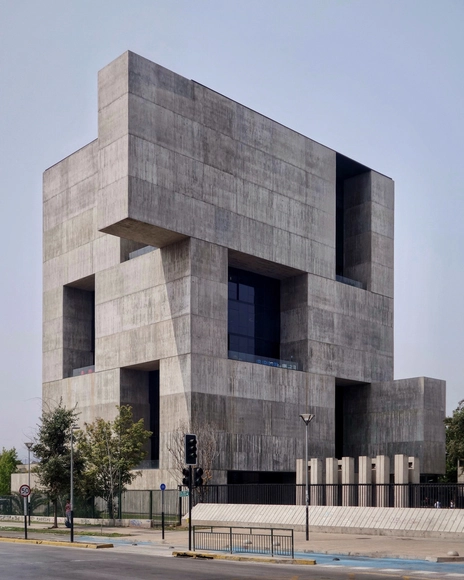
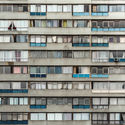
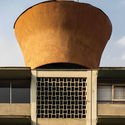
From Taiwan to the Netherlands to Uruguay, Jakub Sawosko has extensively been photographing concrete architecture all over the world and displaying them on Instagram as @sh_sh_welt.
After living surrounded and fascinated by post-war concrete architecture in Europe in his early years, Sawosko moved to Taiwan where he eventually realized that Modernism had heavily influenced Taiwan as well. "I felt that [Taiwan's distinctive style of architecture] deserved more recognition", explains Jakub in conversation with ArchDaily via Instagram.
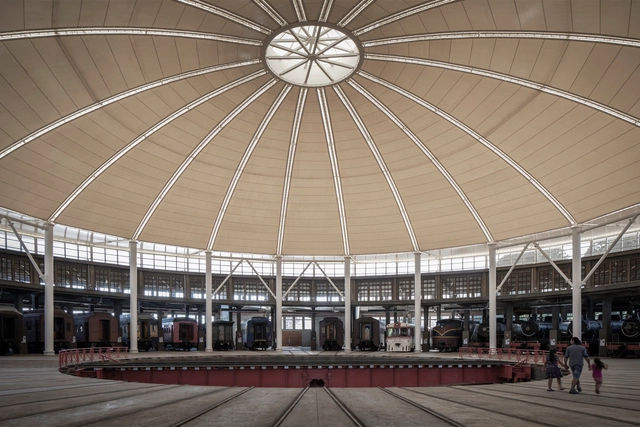
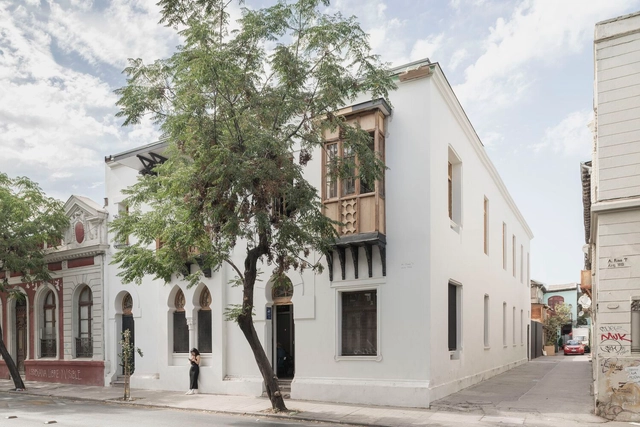
Chile has a rich and vast heritage architecture, which is gradually gaining relevance through different initiatives that seek to renovate these buildings to give them a second life. The buildings and infrastructures were in disrepair, disused, or damaged, but have great architectural value, being an important contribution to the reconstruction of the history of Chilean cities.
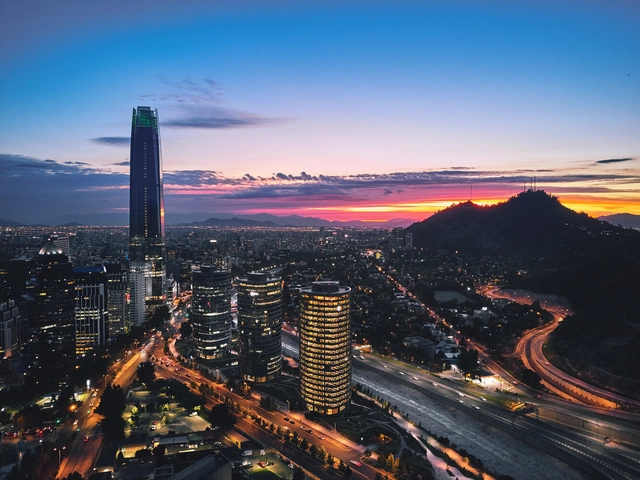
Founded in 1541 by the Spanish conquistador Pedro de Valdivia on indigenous settlements in the valley of the Mapocho River, Santiago is the capital and most populated city of Chile. This South American city is enframed by the Andes Mountains to the east and the Chilean Coast Range to the west, in addition to 26 island hills (cerros islas) scattered throughout the city. Some of these island hills have been converted into urban parks, such as Santa Lucía and San Cristóbal, while Chena, Calán, and Renca are in the process of expansion.
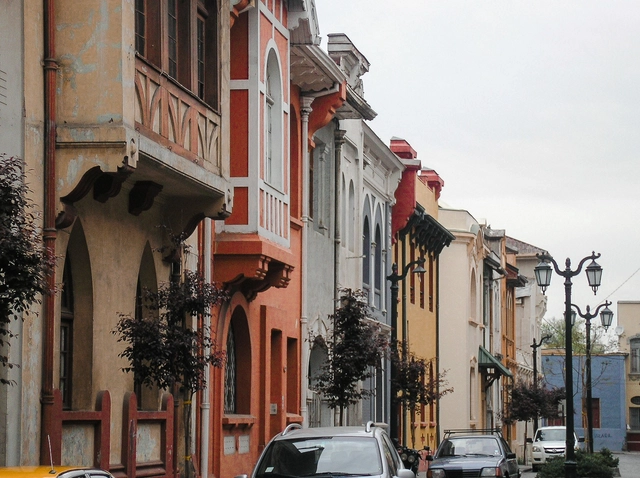
The British magazine Time Out has selected Barrio Yungay in Santiago, Chile, as one of the most attractive neighborhoods in the world. The neighborhood was selected under the Time Out Index survey, where respondents from different countries answered the question "What is the most attractive place in your city at the moment?" and was ranked ninth out of a list of 51 neighborhoods, including Colonia Americana in Guadalajara, Shimokitazawa in Tokyo and Cours Julien in Marseille.
The Benedictine monastery chapel of Santa María de las Condes, visible from different points in the eastern part of Santiago, Chile, is a white volume, located halfway up the slopes of Los Piques hill.
Testimonial Spaces, the theme of Chile's pavilion at the recent Venice Biennial 2021, opened to the public on the 18th of January at Santiago's Museum of Contemporary Art.
Curated by architects Emilio Marín and Rodrigo Sepúlveda, Testimonial Spaces brings together 525 paintings based on testimonies and everyday stories from the José María Caro neighbourhood in Santiago, in line with "How will we live together?", the theme of the biennial curated by Lebanese architect Hashim Sarkis.
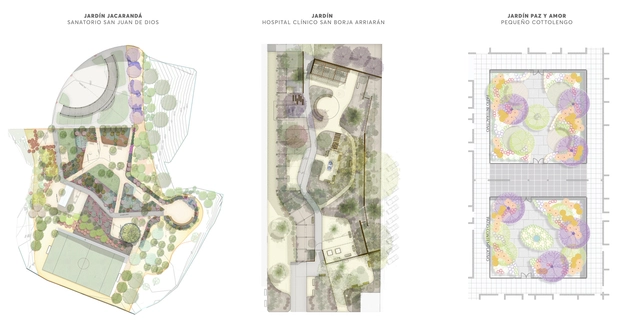
For the Cosmos Foundation, environmental conscience, ecological conservation, and community focus form the foundations of land planning and landscape design within public infrastructure projects. We sat down with the foundation's project director, Felipe Correa, as well as foundation architects Valentina Schmidt and Consuelo Roldán, as they went in depth on the benefits, objectives, and motivations behind the Healing Gardens initiative.
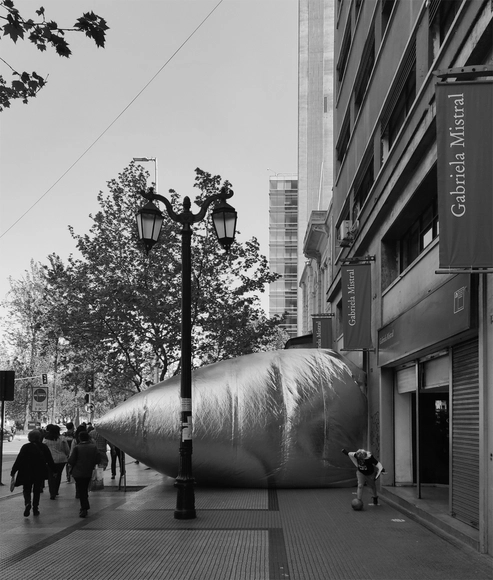
An inflatable and soft body—a silver balloon—scatters towards the sidewalk in the heart of Santiago, Chile. People walk by touching the strange artifact, curiously looking at the object moving over the public space. Behind the pillow, the Gabriela Mistral Gallery disappears.
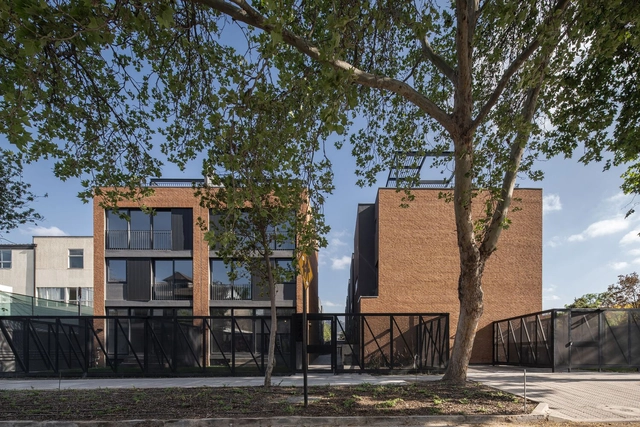
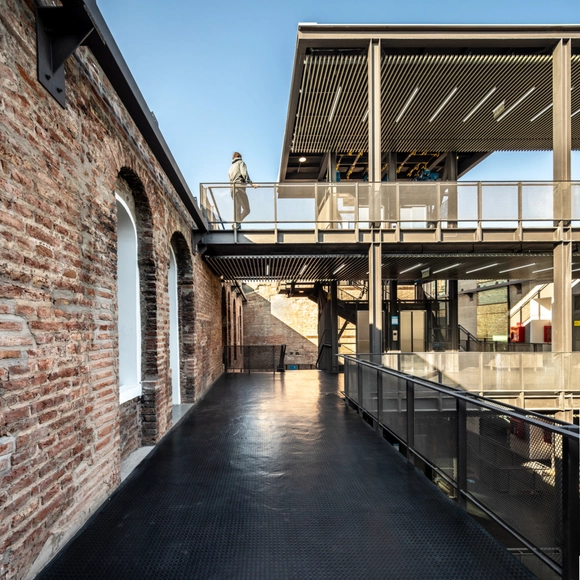
Foster + Partners revealed its design for a masterplan focusing on adaptive reuse and programmatic diversity meant to regenerate the site of a mid-century factory in the heart of Santiago. The practice's first project in Chile proposes the refurbishment of the existing factory building, La Fabrica, while adding a residential development on the adjacent site and introducing timber as a sustainable building material for the extensions.
The Unidad Vecinal Providencia (Providencia Neighborhood Unit) is one of the many residential complexes generated in Chile as a result of a housing and urban development public policy promoted through the CORVI (Housing Corporation) between 1953 and 1973.
Commissioned by the Caja de Empleados Particulares (Private Employees Fund) to be built on a site where previously the National Children's House was based, the Unidad Vecinal Providencia was designed as a complex capable of becoming an urban piece, promoting spatial integration and social cohesion in Santiago.
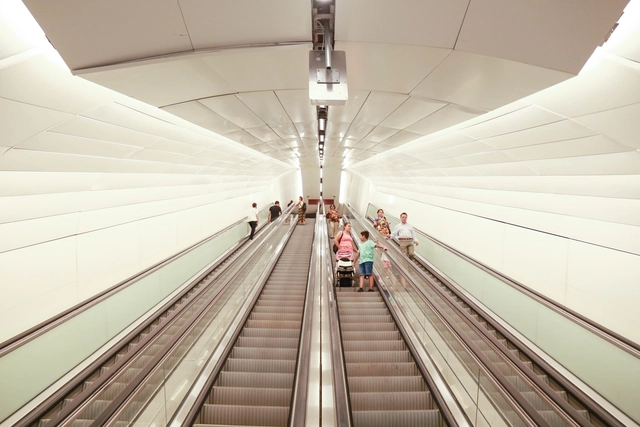
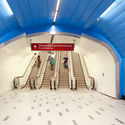
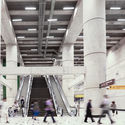
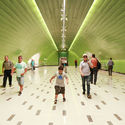
Rumor had it that behind the walls of historic subway station Cal y Canto in Santiago de Chile, a hidden ghost station would eventually link to Line 3—a planned route that was part of the original Metro master plan designed in the 60s. Its construction would have been shelved after the magnitude-7.8 1985 earthquake that forced public resources to be redirected for the reconstruction of the Chilean central valley.
34 years later, the Cal y Canto Metro station finally opened its connection with Line 3, the most recent addition to the rapid transit system, thus becoming the seventh line of Santiago after lines 1, 2, 4, 4A, 5, and 6.