-
Architects: Perkins&Will
- Area: 48774 m²
- Year: 2016
-
Professionals: WSP, Architecture & Light, GLS Landscape Architecture, Harris & Associates, Holmes Structures, +2



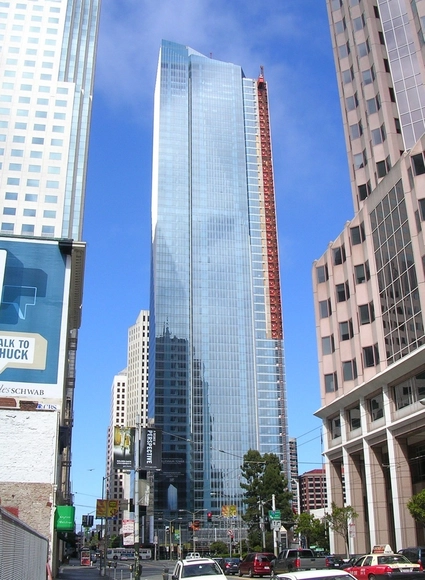
As reports have emerged that San Francisco’s infamous sinking skyscraper, the Millennium Tower, is continuing to settle downward, engineers from LERA and DeSimone Consulting have unveiled a potential fix for the building’s woes.
Since construction began in 2005, the 58-story luxury condominium tower has sank approximately 17 inches downward and while leaning 14 inches to the North. And according to a new report from Arup Ground, the issue doesn’t appear to be resolving itself anytime soon: in the past 7 months alone, the building has sunk an additional inch and tilted a further two inches, causing cracking in the building to worsen.
Triggered to action, developer Millennium Partners brought in LERA and DeSimone to devise a solution that would return the building to its original siting and secure it against sinking, all while allowing the building to continue operating through the repair process.


As anyone who has recently attempted apartment-hunting in a major urban area will know, reasonably-priced housing can be difficult to come by for many and salaries don’t always seem to match the cost of living. This gap is contributing to housing crises in developed and developing countries worldwide. People are simply being priced out of cities, where housing has become a commodity instead of a basic human right. Financial speculation and states’ support of financial markets in a way that makes housing unaffordable has created an unsustainable global housing crisis.
Earlier this year the 13th Annual Demographia International Housing Affordability Survey was released for 2017, revealing that the number of “severely unaffordable” major housing markets rose from 26 to 29 this year; the problem is getting worse. The study evaluates 406 metropolitan housing markets in nine of the world's major economies and uses the “median multiple” approach to determine affordability. By dividing the median house price by the median household income of an area, this method is meant to be a summary of “middle-income housing affordability.”



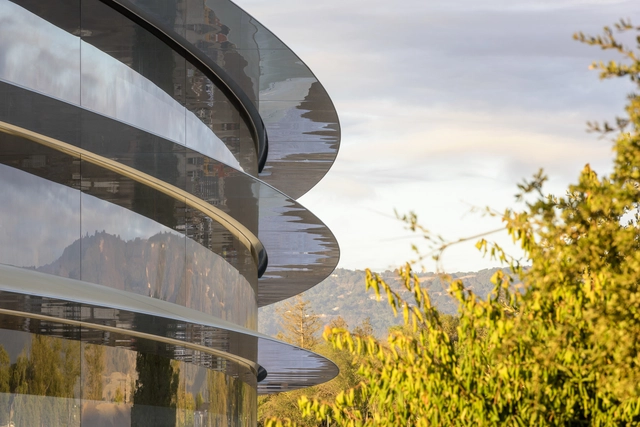
The "Spaceship" has landed and the dust, it appears, is starting to settle. In an article by Adam Rogers, which follows Wired's exclusive breakdown of the new Apple Campus in Cupertino, California, a convincing case is put forward against its design and wider masterplan. "You can’t understand a building without looking at what’s around it," Rogers argues – and most, including its architects, Foster+Partners, would surely be inclined to agree.
Whether you call it the Ring (too JRR Tolkien), the Death Star (too George Lucas), or the Spaceship (too Buckminster Fuller), something has alighted in Cupertino. And no one could possibly question the elegance of its design and architecture. This building is $5 billion and 2.8 million square feet of Steve Jobsian-Jony Ivesian-Norman Fosterian genius.
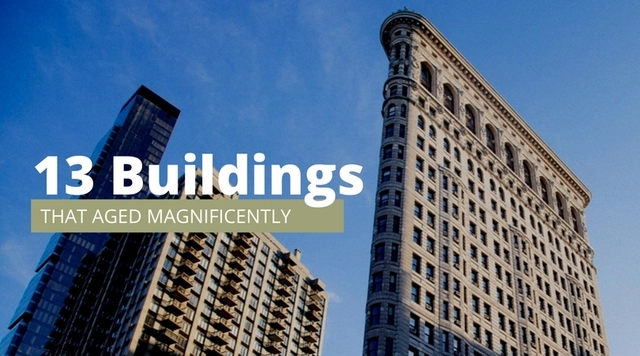
Humanity always cherishes great works of art that stand the test of time. This June, for example, marks the 50th anniversary of The Beatles’ psychedelic Sgt. Pepper's Lonely Hearts Club Band, and the 20th anniversary of Radiohead’s dystopian Ok Computer. These psychologically satisfying birthdays have generated serious appreciation and nostalgia. Similarly, we also love to praise the longevity of innovative architecture. The AIA bestows an annual “Twenty-five Year Award” to acknowledge projects that have "stood the test of time” and “exemplify design of enduring significance.” But one project a year seems stingy. Below are 15 modern classics which, though not always given the easiest start in life, we’ve come to adore:
.jpg?1494051634)
What did Pritzker Prize winner Frank Gehry get when he designed the Stata Center, an exuberantly whimsical academic complex for MIT? A very large check, plus a major lawsuit, alleging negligence and breach of contract due to rampant leaks, mold, cracks, drainage problems and sliding ice. Sometimes the most inspired designs can go awry. And when they do, some clients lawyer up. Here are 9 fascinating examples.

With rapid advancements in technology and crystal clear imagery, drones have allowed us to experience our cities and landscapes from unimaginable vantage points and perspectives. In its series of videos, YouTube channel Mingomatic uses drones to capture the sights and scenes of predominantly American cities and various locations from above, offering glimpses of skylines, oceans, highways and terrains (and seals!). Check out the 10 videos below for some spectacular views, and find Mingomatic’s full selection, here.
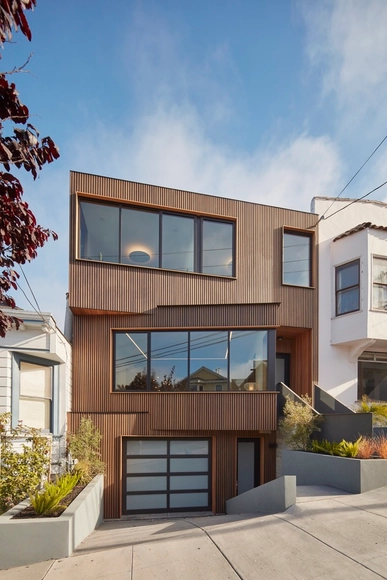
San Francisco-based Form4 Architecture have won the 2017 American Prize for Architecture, by The Chicago Athenaeum Museum of Architecture and Design, and The European Centre for Architecture Art Design and Urban Studies. Also known as The Louis H. Sullivan Award, the prize is awarded to outstanding practitioners in the United States that have “emblazoned a new direction in the history of American architecture” and “demonstrated consistent contributions to humanity through the built environment and the art of architecture."
These may well be the ultimate, true romantic architects, said Christian Narkiewicz-Laine, President of The Chicago Athenaeum. Form4 Architecture’s design philosophy conveys a ‘vision of the future’ and all the artistic possibilities of imagination, emotional meaning, and lyrical expressionism for a consequentially better and more enlightened world around us.