1. ArchDaily
  2. Renewable Energy

Renewable Energy: The Latest Architecture and News

Carlo Ratti Associati Explore Energy Sharing with the World’s Largest Urban Solar Farm for Expo 2030 in Rome

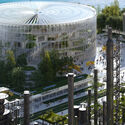
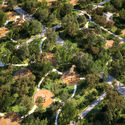
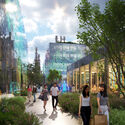
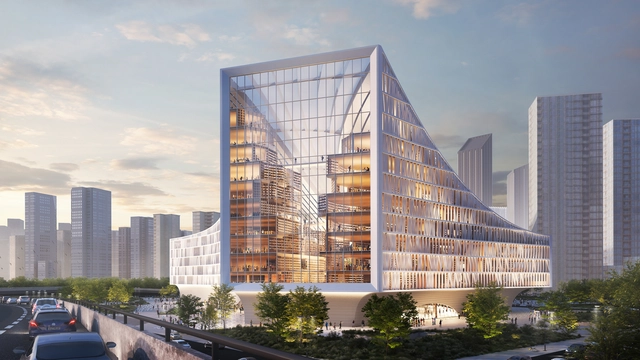
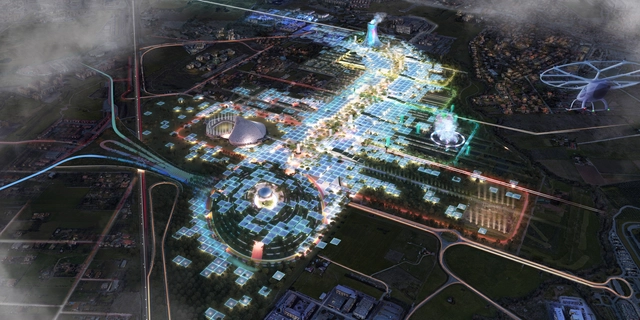
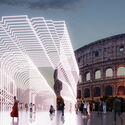
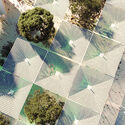
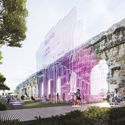
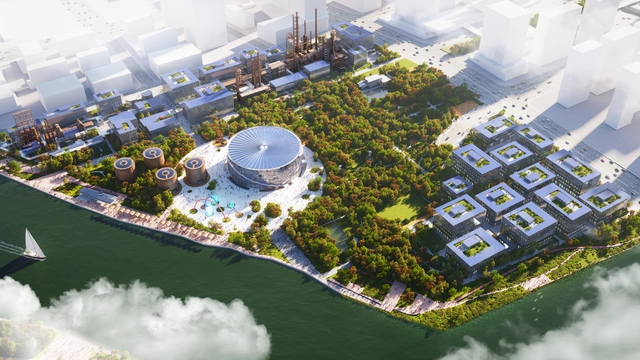
CRA-Carlo Ratti Associati, together with architect Italo Rota and urbanist Richard Burdett, unveiled the master plan for Rome’s bid to host the World Expo in 2030. The project proposes a joint effort from every participating country to contribute to a solar farm that could power the exhibition site and help decarbonize the surrounding neighborhoods. The Expo is proposed to take place in Tor Vergata, a vast area in Rome and home to the eponymous university and a densely inhabited residential district. All the pavilions are designed to be fully reusable, as the area is proposed to be transformed into an innovation district after the event in the hope of revitalizing the somewhat neglected neighborhood. The master plan was developed with several partners, including ARUP for sustainability, infrastructure, and costing, LAND for landscape design, and Systematica for mobility strategy.

Carlo Ratti Associati Explore Energy Sharing with the World’s Largest Urban Solar Farm for Expo 2030 in Rome  - Image 1 of 4Carlo Ratti Associati Explore Energy Sharing with the World’s Largest Urban Solar Farm for Expo 2030 in Rome  - Image 2 of 4Carlo Ratti Associati Explore Energy Sharing with the World’s Largest Urban Solar Farm for Expo 2030 in Rome  - Image 3 of 4Carlo Ratti Associati Explore Energy Sharing with the World’s Largest Urban Solar Farm for Expo 2030 in Rome  - Image 4 of 4Carlo Ratti Associati Explore Energy Sharing with the World’s Largest Urban Solar Farm for Expo 2030 in Rome  - More Images+ 2

Chicago’s City-Owned Buildings Set to Use 100 Percent Renewable Energy by 2025

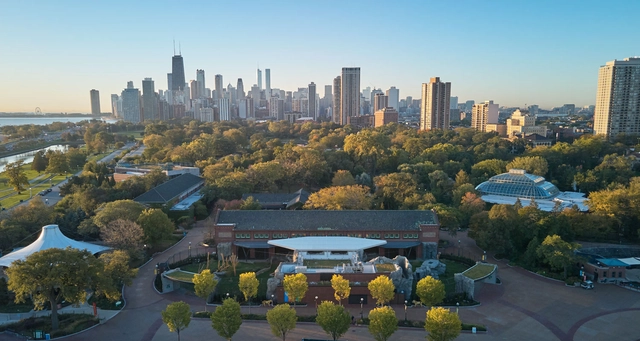
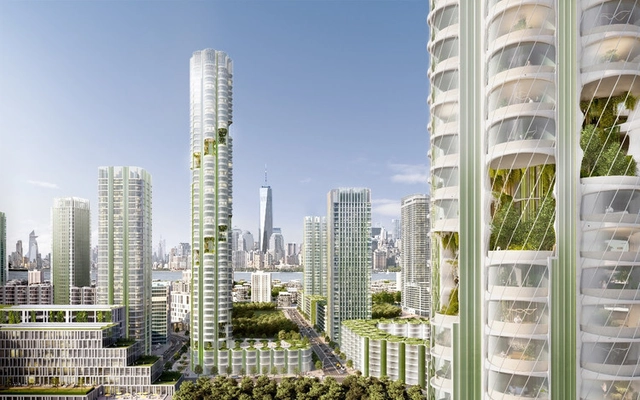
Chicago Mayor Lori Lightfoot and the Department of Assets, Information and Services (AIS) has announced that by 2025, all city-owned buildings and facilities in the city will be fully operated with clean, renewable energy. At the moment, Chicago is one of the largest cities in the United States to reduce the city’s carbon footprint at such a scale, and has already began the process of transitioning its transportation busses and cars to all-electric vehicles by 2035. The agreement demonstrates the city's plans to "drive high-impact climate action, build the clean energy workforce of the future, and equitably distribute meaningful benefits to foster the local clean energy economy for all.”
Chicago’s City-Owned Buildings Set to Use 100 Percent Renewable Energy by 2025 - Image 1 of 4Chicago’s City-Owned Buildings Set to Use 100 Percent Renewable Energy by 2025 - Image 2 of 4Chicago’s City-Owned Buildings Set to Use 100 Percent Renewable Energy by 2025 - Image 3 of 4Chicago’s City-Owned Buildings Set to Use 100 Percent Renewable Energy by 2025 - Image 4 of 4Chicago’s City-Owned Buildings Set to Use 100 Percent Renewable Energy by 2025 - More Images

Saudi Arabia Plans 170-Kilometer-Long Mirrored Skyscraper City

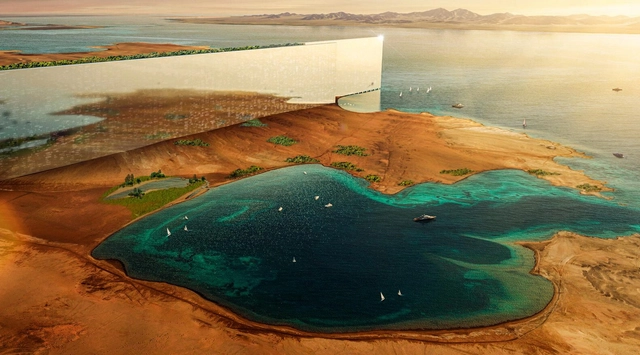
The Saudi Arabian government has released visuals of a 170-kilometer-long skyscraper as part of the NEOM project. Announced by crown prince Mohammed bin Salman, The Line is a reimagined urban development linking the coast of the Red Sea to the mountains and upper valleys of northwest Saudi Arabia. The compact structure, 200 meters wide, represents a social and economic experiment. The city aims to be zero-carbon, through the elimination of carbon-intensive infrastructures like cars and roads, and will operate on 100% renewable energy, including the operations of its industries.

Saudi Arabia Plans 170-Kilometer-Long Mirrored Skyscraper City - Image 1 of 4Saudi Arabia Plans 170-Kilometer-Long Mirrored Skyscraper City - Image 2 of 4Saudi Arabia Plans 170-Kilometer-Long Mirrored Skyscraper City - Image 3 of 4Saudi Arabia Plans 170-Kilometer-Long Mirrored Skyscraper City - Image 4 of 4Saudi Arabia Plans 170-Kilometer-Long Mirrored Skyscraper City - More Images+ 10

How to Overcome the Challenges of Designing with Solar Technology

Solar technology has enormous potential, but it has been underutilized. To get an idea of just how underutilized it is, consider that every 24 hours the amount of sunlight that hits the Earth could provide energy for the entire planet for 24 years. Of course, it is necessary to collect it properly, through photovoltaic systems. With the climate crisis increasingly present in our daily lives, causing growing concerns about obtaining energy from renewable sources and reducing carbon emissions, using the sun's possibilities to generate clean energy seems to be a path of no return. But there are still some difficulties that reduce its use, such as obtaining economical solar products, aesthetics, availability of these products, regulations, and even installation issues.

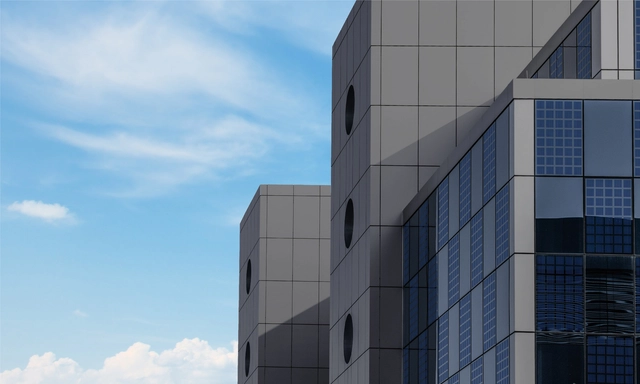
Building-integrated photovoltaics, or BIPVs, offer the design and construction industry solutions to typical challenges that hinder adoption of solar energy. Below, we list the main challenges of incorporating solar energy into projects and how they can be overcome.

Net-Zero Buildings Are Critical to Staving off Further Climate Change

A new report from the Intergovernmental Panel on Climate Change (IPCC) states that global warming of 1.5°C (2.7 °F) is essentially inevitable in coming decades. The question now is whether the world can prevent further, more destructive warming of 2°C (3.6°F), or, even worse, 3°C (5.4°F), which is what current policies put us on a trajectory to experience. Our economies can only put another 420 gigatons of greenhouse gas emissions into the atmosphere if we want a good chance of keeping a temperature increase to 1.5°C instead of 2°C. At our current pace, the world’s carbon budget will be used up before 2030. We need to phase out fossil-fuel use, build thousands of new clean power plants -- and swiftly move to power our homes, offices, schools, and transportation systems with clean energy.

Net-Zero Buildings Are Critical to Staving off Further Climate Change    - Image 1 of 4Net-Zero Buildings Are Critical to Staving off Further Climate Change    - Image 2 of 4Net-Zero Buildings Are Critical to Staving off Further Climate Change    - Image 3 of 4Net-Zero Buildings Are Critical to Staving off Further Climate Change    - Image 4 of 4Net-Zero Buildings Are Critical to Staving off Further Climate Change    - More Images+ 7

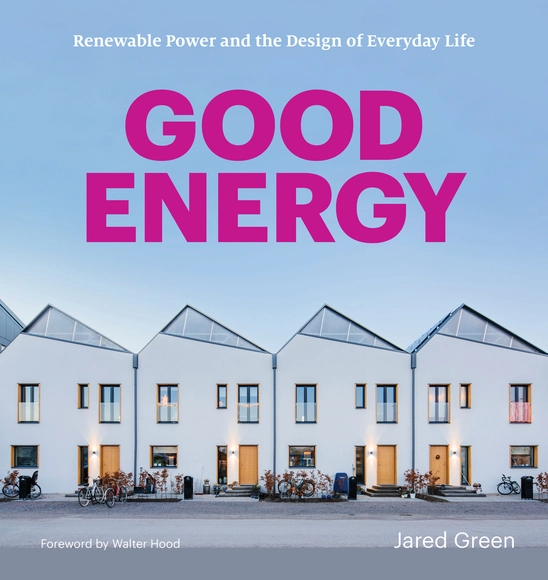
Good Energy: Renewable Power and the Design of Everyday Life

Smart design can make solar, wind, and geothermal energy beautiful, affordable, and accessible to all. Thirty-five projects from around the world that demonstrate how clean, healthy energy is within reach in every sector and field. Projects include homes for all income levels and climates, schools, parks, offices, and even power plants. Harmonizing nature, technology, and space, each project in Good Energy shows how design can improve planetary well-being while producing cost savings and creating green jobs.

Converting Sunlight to Electricity with Clear Solar Glass

 | Sponsored Content

In today's climate, energy and how we use it is a primary concern in the design of built spaces. Buildings currently contribute nearly 40% to global carbon emissions and with a projected growth of 230 billion square meters in construction before the end of 2060, the focus on construction decarbonization efforts should be paramount.

Edward Mazria With Some Good News About Combating Climate Change

This article was originally published on Common Edge.

The news about real action on climate change tends to track toward the gloomy. It is easy to despair, given the severity of the problem and the time left to properly address it. But there is progress being made in the built environment—just not nearly fast enough to offset emissions elsewhere. In recent years the sector has added billions of square feet of new buildings, but seen energy consumption for the entire sector actually decline. A good chunk of the credit for that accomplishment can go to architect Edward Mazria and his dogged advocacy organization, Architecture2030. Mazria and his team, along with collaborators all over the world, keep doing the unglamorous work of revising building codes, working with mayors, governors, elected officials in Washington (and officials in China), forging new alliances, all while deftly working around the climate obstructionists currently occupying the White House. Recently I talked to Mazria, who spoke from his home in New Mexico, about his take on where we stand. Some of the news, alas, is pretty good.

How Does Photovoltaic Energy Work?

Subscriber Access | 

Once restricted to space stations and satellites, photovoltaics are now gaining popularity and becoming an increasingly viable option. Every day, the sun releases an enormous amount of energy, far more than the entire population consumes. Being that the sun is a sustainable, renewable, and inexhaustible source for generating electricity, not using it seems almost counter-intuitive, especially considering the social and environmental impacts of other forms of energy generation. But the technology to create electricity from the sun is by no means simple and still has some limitations, the most significant being price. The following article attempts to explain some basic concepts about this process, and to highlight important considerations for designing a solar energy system. 

Superspace Designs Energy-Harvesting Balloons for Abu Dhabi

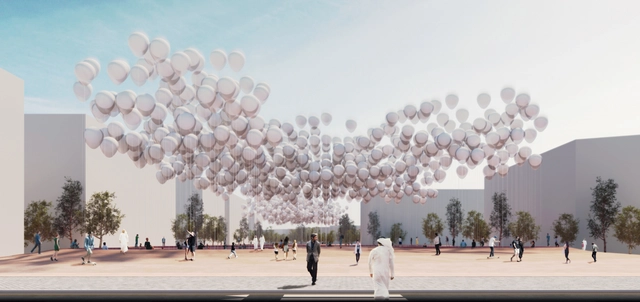
Superspace has designed a system of energy-harvesting balloons for Abu Dhabi. The project, titled “solarCLOUD” formed part of the LandArt generator competition and is intended as the city portal of Masdar City. The system consists of a group of solar balloons woven with solar fabric, creating a shaded park during the day while tracking and harvesting solar energy. At night, the system settles down to become a kinetic light art show.

Rwanda’s Bugesera International Airport to Set Records for Sustainability

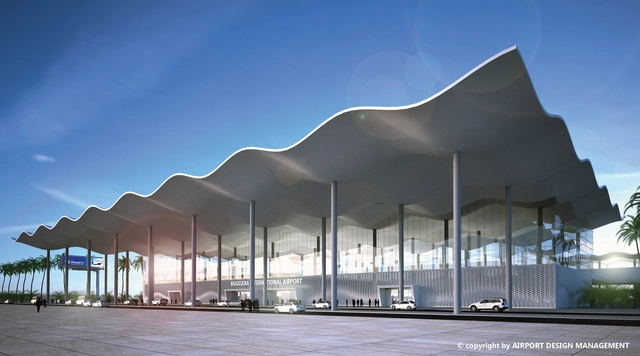
Rwanda’s largest publicly funded project, Bugesera International Airport is on track to be the first certified green building in the region. A few pieces of this net zero emission complex include: a 30,000 square metre passenger terminal, 22 check-in counters, ten gates, and six passenger boarding bridges. Funded by Public Private Partnership, the project is cost estimated at $414 million USD. The international hub was only one of several initiatives discussed by the Africa Green Growth Forum (AGGF) in Kigali at the end of last year.

LAGI 2019: Design the Future of Renewable Energy

The LAGI 2019 competition offers designers and creatives the opportunity to re-imagine energy infrastructure and demonstrate the beauty of a 100% renewable world.

The Trends that Will Influence Architecture in 2019

It is, once again, the time of year where we look towards the future to define the goals and approaches that we will take for our careers throughout the upcoming year. To help the millions of architects who visit ArchDaily every day from all over the world, we compiled a list of the most popular ideas of 2018, which will continue to be developed and consolidated throughout 2019.

Over 130 million users discovered new references, materials, and tools in 2018 alone, infusing their practice of architecture with the means to improve the quality of life for our cities and built spaces. As users demonstrated certain affinities and/or demonstrated greater interest in particular topics, these emerged as trends. 

Land Art Generator Initiative 2019 - Masdar City

LAGI 2019—Return to the Source—invites you to create an iconic work of art for a landmark site within Masdar City, Abu Dhabi. Your artwork will use renewable energy technology as a medium of creative expression and will provide on-site energy production consistent with the master plan of the city.

Learn more at https://landartgenerator.org/competition2019.html

LAGI 2019 presents a new kind of challenge from the Land Art Generator initiative. This year’s special edition is sponsored by Masdar and is in partnership with the 24th World Energy Congress, the largest and most influential global energy event—a forum for innovation and dialogue on energy issues for

Land Art Generator Initiative 2019 - Masdar City

LAGI 2019—Return to the Source—invites you to create an iconic work of art for a landmark site within Masdar City, Abu Dhabi. Your artwork will use renewable energy technology as a medium of creative expression and will provide on-site energy production consistent with the master plan of the city.