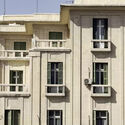
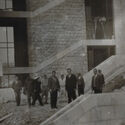
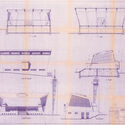
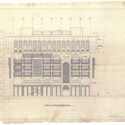
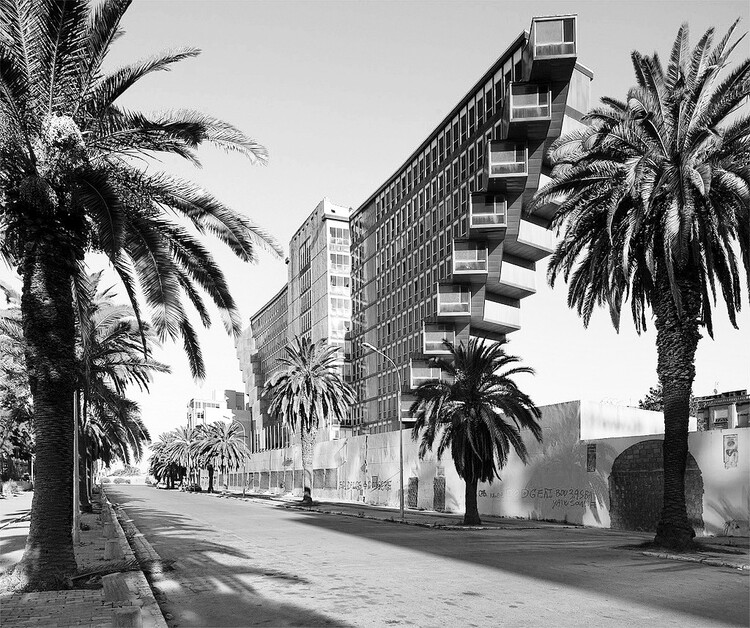
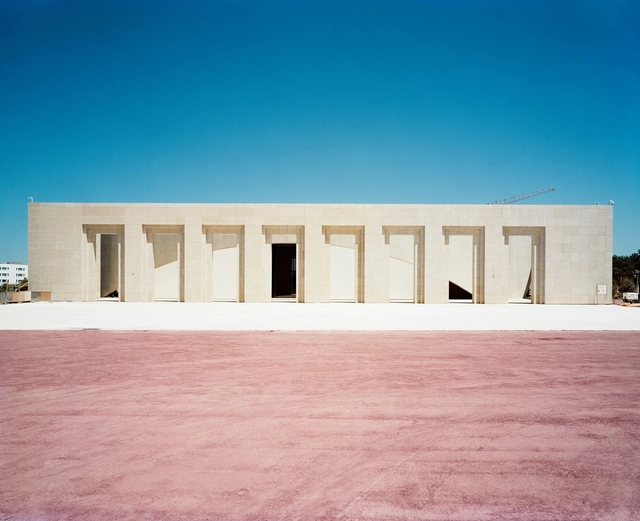
The Sharjah Architecture Triennial (SAT) presents A Journey into Architecture Archives: Baghdad, Damascus, Tunis, curated by George Arbid, on view from May 2 to July 12, 2026, at Al Qasimiyah School. Developed as part of SAT's long-term research program, the project continues the institution's commitment to documenting and safeguarding architectural archives across the Arab world. Bringing together archival materials, physical models, and newly commissioned films, the exhibition examines how architectural histories are constructed, preserved, and revisited over time.
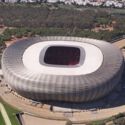
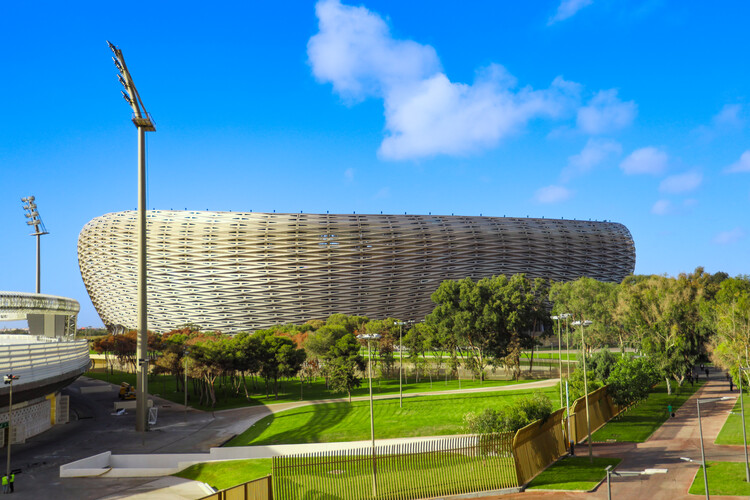
The Prince Moulay Abdellah Stadium in Rabat has officially opened as Morocco's new national stadium, following its inauguration by Crown Prince Moulay El Hassan on September 4, 2025. Designed by Populous, the stadium has a capacity of 68,700 and was developed under the direction of the National Agency for Public Facilities of Morocco to meet FIFA standards, enabling it to host matches up to the semi-finals of the 2030 FIFA World Cup. The redevelopment replaces the original 1983 stadium, positioning it as Morocco's flagship sports venue ahead of a series of international events.
The way our world looks like today is a result of centuries and centuries of human migration, of complex natural phenomena that has resulted in the geographic appearance of the world’s continents today. We understand this world through our lived experiences, but we also understand this world through a two-dimensional man-made invention – maps. Maps define the many contested borders of the world and have been used in an oppressive capacity, in particular places, for example, segmenting off sections of a place from marginalised societal groups.
Population aging - an increase in the proportion of older people in a population. As one of the most significant social changes of the 21st century, it is predicted to impact all sectors including labor and financial markets, housing, health care and social protection.
Following a recent ceremony in Rabat, Morroco, Agence pour l’Aménagement de la Vallée du Bouregreg (The Bouregreg Valley Development Agency) verified that architectural designs will be provided by Zaha Hadid Architects. The program will include three theater spaces, indoor spaces consisting of 2,050-seat and a 520-seat, and a fully-equipped outdoor amphitheater holding up to 7,000 people. The theaters will share back of house facilities, efficiently reducing the size of the building services needed. Creative studios will also be incorporated into this cultural venue. Estimated cost is at 120 Million Euros for the Rabat Grand Theatre.
Follow the break for more renderings of The Rabat Grand Theatre.
Architects: Zaha Hadid Architects Location: Rabat, Morocco Design: Zaha Hadid with Patrik Schumacher Associate: Nils Peter Fisher Project Leader: William Tan Project Team: Torsten Broeder, Martin Krcha, Hoda Nobakhti, Rafael Contreras, Yevgeniya Pozigun, Michal Treder Structure Engineer: Adams Kara Taylor MEP Engineer: MaxFordham Acoustics & Theatre: Artec Consultant Facade: Donnell Consultants Incorporated Lighting: Office for Visual Interaction Inc Client: Agence pour l’Aménagement de la Vallée du Bouregreg Project Area: 47,000 sqm Renderings: Methanoia, Courtesy of Zaha Hadid
French architects archi5 and Omar Kobbité Architectes (OKA), have won a competition to design the National Museum of Archaeology and Earth Sciences in Rabat, Morocco. More images and architect’s description after the break.